
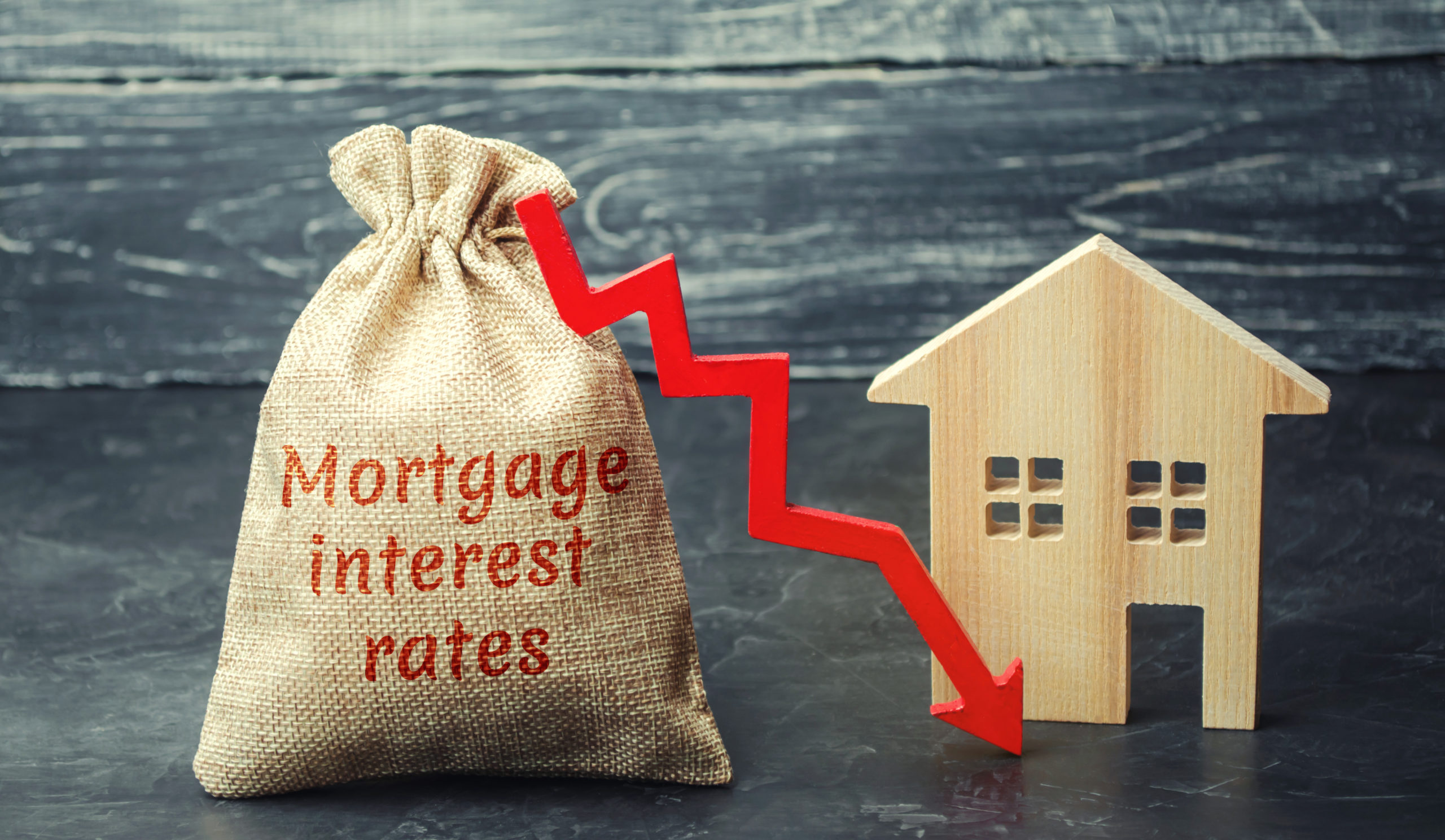
The question of how much mortgage rates will drop is front and center for millions of homeowners and prospective buyers, shaping financial decisions and influencing the broader housing market. After a period of significant volatility and elevated rates, the anticipation of a downward trend offers a glimmer of hope. However, pinpointing an exact figure or timeline is challenging, as mortgage rates are a complex interplay of various economic indicators, central bank policies, and global market sentiment. Understanding the underlying forces is crucial for anyone looking to navigate this dynamic landscape.
Understanding the Forces Behind Mortgage Rate Fluctuations
Mortgage rates do not exist in a vacuum; they are highly responsive to a confluence of macroeconomic factors. A comprehensive view requires dissecting the key drivers that dictate their trajectory.

The Federal Reserve’s Role and Monetary Policy
At the heart of interest rate movements in the U.S. is the Federal Reserve. While the Fed does not directly set mortgage rates, its monetary policy decisions—particularly regarding the federal funds rate—have a profound ripple effect. When the Fed raises its benchmark rate to combat inflation, borrowing costs across the economy, including for mortgages, typically increase. Conversely, a pivot towards easing monetary policy, often signaled by rate cuts, tends to push mortgage rates lower. The Fed’s forward guidance, economic projections, and public statements are meticulously scrutinized by markets for clues about future policy direction, which in turn influences lender pricing.
Inflation Expectations and Their Impact
Inflation is perhaps the most critical factor influencing long-term interest rates, including those for mortgages. Lenders need to ensure that the return on their loans outpaces inflation to maintain their purchasing power. If inflation is high or expected to remain elevated, lenders will demand higher interest rates as compensation for the eroding value of future repayments. Conversely, a sustained decline in inflation, or expectations of such, often precedes a drop in mortgage rates. The Consumer Price Index (CPI), Producer Price Index (PPI), and the Personal Consumption Expenditures (PCE) index are key inflation gauges closely watched by the market.
Economic Growth and Employment Data
The health of the economy, particularly as reflected in GDP growth and employment figures, also plays a significant role. A strong economy with robust job growth can fuel demand for housing and borrowing, potentially putting upward pressure on rates if it also contributes to inflationary concerns. Conversely, signs of economic slowdown or recession, coupled with rising unemployment, often lead to lower rates. In times of economic uncertainty, investors tend to flock to safer assets like U.S. Treasuries, which can indirectly push down mortgage rates. The monthly jobs report, unemployment rate, and GDP growth statistics are critical economic indicators that financial markets analyze intensely.
The Bond Market: Treasury Yields and MBS
Mortgage rates are closely tied to the yield on the 10-year U.S. Treasury note. This benchmark Treasury yield often acts as a proxy for long-term borrowing costs. When Treasury yields rise, mortgage rates generally follow suit, and when they fall, mortgage rates tend to decline. This correlation exists because mortgage-backed securities (MBS)—the financial instruments through which mortgages are bought and sold in secondary markets—compete with Treasuries for investor attention. An increase in demand for MBS, perhaps due to lower perceived risk or attractive yields relative to Treasuries, can also contribute to lower mortgage rates.
Current Market Sentiment and Expert Predictions
The prevailing market sentiment is cautiously optimistic about a decline in mortgage rates, though the magnitude and timing remain subjects of debate among economists and financial institutions.
A Look at Recent Trends
After peaking at multi-decade highs, mortgage rates have shown some signs of moderation, often reacting sharply to shifts in inflation data and Fed commentary. These fluctuations underscore the sensitivity of the market to incoming economic news. While significant drops have been fleeting, the overall trajectory has suggested a move away from the intense upward pressure experienced previously. This period of high rates has notably impacted housing affordability and cooled buyer demand, leading many to hold off on purchases or refinancing in anticipation of more favorable conditions.
Forecasts from Major Financial Institutions
Major financial institutions and housing agencies routinely publish their forecasts for mortgage rates. While specific numbers vary, a common theme is the expectation of a gradual decline through the coming year, influenced primarily by the anticipation of the Federal Reserve concluding its tightening cycle and potentially initiating rate cuts. Some predict 30-year fixed rates to settle in the mid-to-high 6% range, while more optimistic projections see them dipping into the low 6% or even high 5% territory by year-end. These forecasts are, however, subject to revision based on evolving economic data.
Divergent Views: Optimists vs. Cautionaries
Not all experts share the same degree of optimism. “Optimists” typically point to easing inflation, signs of a softening labor market, and the Fed’s eventual need to support economic growth, all of which should contribute to lower rates. They might highlight historical patterns where rates tend to fall once the Fed signals an end to its tightening cycle. “Cautionaries,” on the other hand, emphasize the stickiness of inflation in certain sectors, potential geopolitical shocks, or the risk of the economy proving more resilient than expected, which could lead the Fed to keep rates higher for longer. They also consider the sheer volume of government debt and its potential to keep bond yields elevated.
Scenarios for Potential Rate Drops
Given the array of influencing factors and differing expert opinions, it’s useful to consider various scenarios for how mortgage rates might evolve.
Gradual Decline: The Soft Landing Approach
This is perhaps the most widely anticipated scenario. In a “soft landing,” inflation slowly but steadily returns to the Fed’s target range (around 2%), and the economy avoids a deep recession. The Fed would then gradually cut the federal funds rate, leading to a measured, progressive reduction in mortgage rates. Under this scenario, we might see rates decline by 50 to 100 basis points (0.5% to 1.0%) over the next year or two, creating more favorable conditions for buyers and refiners without sparking a frenzied housing market. This implies a slow return to more normalized conditions.
Significant Drop: Recessionary Pressures
A more substantial and rapid drop in mortgage rates could occur if the economy slips into a more pronounced recession. In such a scenario, the Fed would likely implement more aggressive rate cuts to stimulate economic activity. Furthermore, during a recession, investors typically seek the safety of government bonds, driving down Treasury yields and, consequently, mortgage rates. This could see rates fall by 150 basis points (1.5%) or more in a shorter timeframe, potentially reaching the high 4% to low 5% range. While attractive for borrowers, this would come at the cost of broader economic hardship.
Stagnation or Slight Increases: Persistent Inflation
A less desirable but plausible scenario involves mortgage rates remaining stubbornly high or even experiencing slight increases. This could happen if inflation proves more persistent than expected, perhaps due to renewed supply chain disruptions, geopolitical events, or stronger-than-anticipated wage growth. In this case, the Federal Reserve might be forced to maintain its restrictive monetary policy for longer, or even resume rate hikes, to bring inflation under control. Such a scenario would maintain the pressure on housing affordability and continue to suppress transaction volumes.
Implications for Homeowners and Prospective Buyers
The trajectory of mortgage rates has significant ramifications for various stakeholders in the housing market.
Refinancing Opportunities
For existing homeowners with higher-rate mortgages (particularly those who purchased or refinanced during the recent peak), a meaningful drop in rates would unlock significant refinancing opportunities. Lower rates could reduce monthly payments, decrease the total interest paid over the life of the loan, or allow for a shorter loan term without a drastic increase in monthly outgoings. Homeowners should closely monitor rates and be prepared to act when conditions align with their financial goals.
Affordability and Buying Power
Prospective buyers are perhaps the most sensitive to rate fluctuations. Lower mortgage rates directly translate to greater purchasing power, as a smaller portion of their monthly budget goes towards interest payments, allowing them to qualify for larger loans or afford a more desirable home. Even a small drop of 50 basis points can significantly reduce the monthly payment on a substantial loan, making homeownership more accessible to a broader demographic. This increased affordability can stimulate demand, potentially leading to a more competitive housing market.
The Impact on Housing Market Dynamics
The housing market has seen a slowdown in activity due to high rates. A sustained drop in mortgage rates would likely inject new energy into the market. It could encourage more buyers to enter, alleviate some pressure on sellers (who have been reluctant to give up their low-rate mortgages), and potentially lead to an increase in transaction volumes. However, a sudden, sharp decline in rates could also reignite bidding wars and upward pressure on home prices, especially in supply-constrained markets.
Strategies to Navigate a Volatile Rate Environment
Given the uncertainty, both buyers and homeowners need proactive strategies.
For Prospective Buyers: Rate Locks and Patience
Buyers should maintain strong credit, save diligently for a down payment, and get pre-approved to understand their borrowing capacity. When they find a home, a “rate lock” can protect them from rate increases between the offer acceptance and closing. However, patience is also a virtue; rushing into a purchase solely based on a temporary dip in rates might not be the best long-term strategy if further declines are anticipated. Keep an eye on market trends and be prepared to act swiftly when rates are favorable.
For Existing Homeowners: Monitoring and Financial Planning
Existing homeowners, especially those with adjustable-rate mortgages (ARMs) or high fixed rates, should regularly monitor market conditions. Understand the break-even point for refinancing, considering closing costs and potential savings. For those contemplating selling and moving, assess how a new, potentially lower, mortgage rate on a new property would compare to their current loan. Financial planning, including stress-testing budgets against various rate scenarios, is paramount.

Consulting Financial Advisors
Navigating the complexities of mortgage rates and their implications often benefits from professional guidance. A qualified financial advisor or mortgage broker can provide personalized insights, help assess individual financial situations, and offer tailored strategies for refinancing, purchasing, or managing existing mortgage debt. Their expertise can be invaluable in making informed decisions in a constantly evolving financial landscape.
aViewFromTheCave is a participant in the Amazon Services LLC Associates Program, an affiliate advertising program designed to provide a means for sites to earn advertising fees by advertising and linking to Amazon.com. Amazon, the Amazon logo, AmazonSupply, and the AmazonSupply logo are trademarks of Amazon.com, Inc. or its affiliates. As an Amazon Associate we earn affiliate commissions from qualifying purchases.