
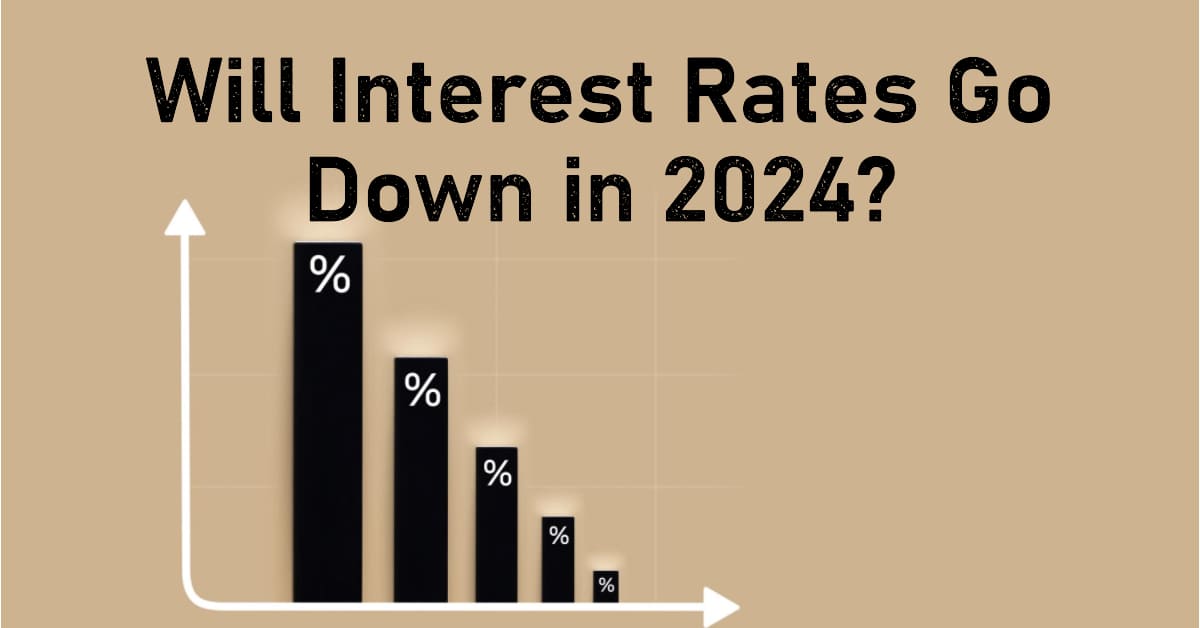
The trajectory of interest rates is a perennial concern for individuals, businesses, and investors alike. After a period of aggressive rate hikes designed to combat persistent inflation, the focus has shifted to the potential for cuts. Predicting the exact magnitude and timing of these drops is complex, influenced by a delicate balance of economic indicators, central bank mandates, and global events. Understanding the forces at play is crucial for anticipating future financial landscapes.
Understanding the Forces Behind Rate Movements
Central banks, most notably the U.S. Federal Reserve, are the primary architects of short-term interest rate policy. Their decisions ripple through the entire economy, affecting everything from mortgage rates to the cost of corporate borrowing.
The Federal Reserve’s Role
The Federal Open Market Committee (FOMC), the monetary policy-making body of the Federal Reserve, sets the target range for the federal funds rate. This benchmark rate influences other interest rates across the financial system. The Fed operates under a “dual mandate”: achieving maximum sustainable employment and maintaining price stability (keeping inflation at a target of 2%).
When inflation accelerates beyond their target, the Fed typically raises rates to cool demand and temper price increases. Conversely, when economic growth slows significantly or inflation falls below target, they may lower rates to stimulate borrowing, investment, and consumer spending. Their decisions are data-dependent, scrutinizing a wide array of economic reports. Forward guidance, often communicated through public statements and press conferences, also plays a critical role in shaping market expectations.
Inflationary Pressures
Inflation is perhaps the most significant determinant of interest rate policy. The Fed closely monitors various inflation gauges, including the Consumer Price Index (CPI) and the Personal Consumption Expenditures (PCE) price index, the latter being their preferred measure. Core inflation, which excludes volatile food and energy prices, is often given more weight as it provides a clearer picture of underlying price trends.
For interest rates to drop meaningfully, the Fed needs to be confident that inflation is not only declining but is also on a sustainable path back to its 2% target. If inflation proves sticky or re-accelerates, rate cuts would likely be delayed or smaller than anticipated. The balance between combating inflation and avoiding an economic recession is a tightrope walk for policymakers.
Economic Growth and Employment
Alongside inflation, the health of the labor market and broader economic growth are critical inputs into the Fed’s decision-making. Key indicators include Gross Domestic Product (GDP) reports, unemployment rates, initial jobless claims, and wage growth. A robust labor market, characterized by low unemployment and strong wage gains, can fuel consumer demand and potentially contribute to inflationary pressures. In such a scenario, the Fed might be less inclined to cut rates aggressively, even if inflation shows signs of moderating.
Conversely, a weakening job market or a significant slowdown in economic activity (e.g., a recession) would likely prompt the Fed to cut rates more quickly and substantially to support the economy and prevent a deeper downturn. The interplay between employment, growth, and inflation creates a dynamic and often unpredictable environment for forecasting interest rate movements.
Current Economic Landscape and Future Projections
The current economic environment presents a complex picture, with conflicting signals requiring careful interpretation from policymakers and market participants.
Recent Trends and Data
In recent quarters, many economies have observed a notable moderation in inflation from its peaks, albeit with some persistent areas of concern, particularly within the services sector. Supply chain bottlenecks have largely eased, and commodity prices have stabilized after periods of volatility. Labor markets, while showing some signs of cooling, generally remain robust with unemployment rates still at historically low levels in many developed nations. This “soft landing” scenario, where inflation recedes without a severe recession, has become a central hope for many. Central bank communications, while cautious, have often shifted from an overtly hawkish stance to one that acknowledges potential future rate adjustments.
Market Expectations vs. Fed Projections
There is often a significant divergence between what financial markets anticipate and what central banks officially project. Markets, through instruments like fed funds futures, often price in a certain number of rate cuts or hikes well in advance, sometimes reacting to every piece of economic data. The Federal Reserve, on the other hand, provides its own “dot plot” projections, a quarterly survey of FOMC members’ individual forecasts for the federal funds rate.
This disconnect is crucial because market expectations can influence current bond yields, which in turn impact mortgage rates and corporate borrowing costs. If the market expects more aggressive cuts than the Fed signals, a sudden realization that the Fed is more cautious can lead to market volatility. Conversely, if the Fed moves more quickly than anticipated, it can have a pronounced impact on asset prices. Understanding both perspectives is vital for financial planning.

Factors That Could Accelerate or Decelerate Cuts
Several wildcards could either accelerate or decelerate the pace and magnitude of interest rate drops. Geopolitical events, such as new conflicts or trade tensions, can disrupt supply chains, impact energy prices, and introduce economic uncertainty, potentially affecting inflation and growth forecasts. A sudden, unexpected economic shock, like a financial crisis or a natural disaster, could necessitate swift and aggressive rate cuts. Conversely, a re-acceleration of inflation due to resurgent demand or unexpected supply issues could force central banks to maintain higher rates for longer, or even re-engage in hiking. The path of rates is not linear and remains highly sensitive to evolving global and domestic conditions.
Implications for Personal Finance and Investing
The prospect of interest rate changes has profound implications across the spectrum of personal finance and investment strategies. Being prepared for either scenario—sustained high rates or significant cuts—is key to optimizing one’s financial position.
Mortgage Rates and Housing Market
Lower interest rates typically translate to lower mortgage rates. For prospective homebuyers, this means increased affordability, as monthly payments on a given loan amount decrease. This can stimulate demand in the housing market, potentially leading to higher home prices. Existing homeowners with higher-interest mortgages may find opportunities to refinance, reducing their monthly payments and overall interest paid over the life of the loan. However, the exact impact on the housing market is also influenced by inventory levels, local demand, and broader economic stability.
Savings Accounts and CDs
For savers, a drop in interest rates is generally unwelcome. High-yield savings accounts and certificates of deposit (CDs), which saw attractive returns during periods of rising rates, will likely see their yields decline. This makes it harder for savers to earn a substantial return on their cash holdings. Strategies to mitigate this include locking in higher CD rates for longer terms while they are still available, or exploring alternative low-risk investments that might offer better returns, carefully weighing liquidity needs against yield.
Debt Management
Borrowers with variable-rate debt, such as credit cards, home equity lines of credit (HELOCs), or adjustable-rate mortgages (ARMs), stand to benefit significantly from rate cuts. Their interest payments will decrease, freeing up cash flow. This environment can also be opportune for debt consolidation, allowing individuals to refinance multiple high-interest debts into a single, lower-rate loan. Fixed-rate debt, like traditional personal loans or student loans (if fixed), will not see direct changes, but the overall cost of new borrowing would decrease.
Investment Strategies
The impact on investments is multifaceted:
- Bonds: Bond prices typically move inversely to interest rates. When rates drop, existing bonds with higher fixed coupon payments become more attractive, leading to an increase in their market value. Long-duration bonds (those with longer maturities) are generally more sensitive to interest rate changes.
- Stocks: Lower interest rates can be a boon for the stock market. Reduced borrowing costs for companies can boost corporate earnings. Furthermore, lower rates make future earnings streams more valuable in present-value terms, which can support higher stock valuations. Growth stocks, which rely more on future earnings, often benefit disproportionately. However, the impact varies by sector; financial institutions, for example, might see squeezed net interest margins.
- Alternative Investments: As traditional fixed-income yields decline, investors might seek higher returns in alternative asset classes like real estate (beyond primary residences), private equity, or certain commodities, although these often come with higher risk profiles.
Navigating the Uncertainty: Strategies for Financial Resilience
In an environment of fluctuating interest rate expectations, adopting a proactive and adaptable approach to personal finance is paramount.
Review Your Financial Portfolio
Regularly reviewing your investment portfolio and overall financial plan is crucial. Assess your asset allocation to ensure it still aligns with your long-term goals, risk tolerance, and time horizon. Consider how a potential shift in interest rates might affect different components of your portfolio. For instance, if you have a significant bond allocation, understand how falling rates could impact their value. If you’re nearing retirement, re-evaluate your income streams and how they might be affected by lower savings rates. Diversification remains a cornerstone of resilience, helping to mitigate risks across different market conditions.
Optimize Debt and Savings
Proactive management of both debt and savings can yield significant benefits. For debt, evaluate all your loans. If you have high-interest variable debt, consider options to lock in a lower fixed rate now or consolidate to reduce your overall interest burden as rates potentially decline. If you have significant savings, monitor high-yield savings accounts and CD rates. While rates may fall, ensure your emergency fund is sufficiently liquid and accessible. For longer-term savings, consider laddering CDs or exploring other investment vehicles that align with your risk appetite to avoid having all your funds subject to immediate rate fluctuations.
Stay Informed and Adaptable
The economic landscape is dynamic, and monetary policy decisions are constantly evolving. Make it a habit to stay informed about economic indicators, central bank communications, and geopolitical developments. Understand that initial predictions for interest rate drops can change rapidly based on new data. A flexible financial plan allows you to adapt swiftly to these shifts, taking advantage of opportunities (like refinancing at lower rates) and mitigating potential downsides (like declining savings yields). Consulting with a qualified financial advisor can provide personalized insights and help you craft a strategy that is robust enough to weather various interest rate environments.
aViewFromTheCave is a participant in the Amazon Services LLC Associates Program, an affiliate advertising program designed to provide a means for sites to earn advertising fees by advertising and linking to Amazon.com. Amazon, the Amazon logo, AmazonSupply, and the AmazonSupply logo are trademarks of Amazon.com, Inc. or its affiliates. As an Amazon Associate we earn affiliate commissions from qualifying purchases.