
Embarking on the journey to homeownership is an exciting prospect, often marked by dreams of picket fences, spacious living areas, or urban convenience. Yet, before you start envisioning your ideal kitchen or mapping out furniture arrangements, a crucial question looms large: “How much will I qualify for a mortgage?” This isn’t merely a preliminary query; it’s the bedrock upon which your entire home-buying strategy will be built. Understanding your mortgage qualification capacity is paramount, influencing not only the price range of homes you can consider but also your financial stability and peace of mind for years to come.
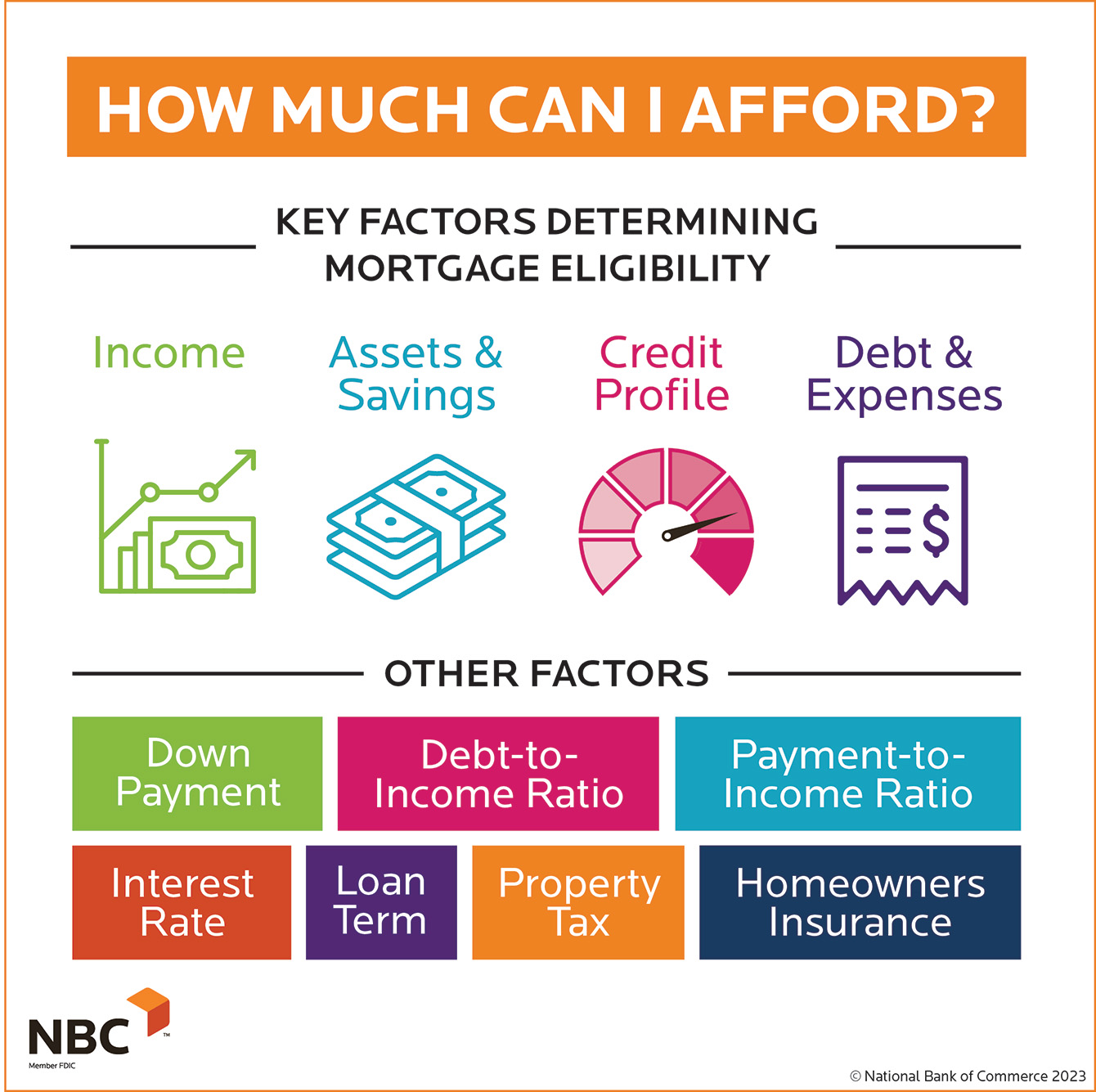
Many aspiring homeowners mistakenly believe that a substantial income is the sole determinant of mortgage eligibility. While income certainly plays a significant role, lenders employ a comprehensive evaluation process that scrutinizes multiple facets of your financial life. They are not just assessing your ability to make a payment; they are gauging your overall financial health, your reliability as a borrower, and the likelihood of sustained repayment throughout the life of the loan. This article will demystify the mortgage qualification process, breaking down the key factors lenders consider, offering strategies to enhance your eligibility, and guiding you through the practical steps to ascertain your true borrowing power. By the end, you’ll possess a clearer understanding of how to approach lenders with confidence and secure the financing that best suits your homeownership aspirations.
Understanding the Core Factors Lenders Evaluate
When you apply for a mortgage, lenders essentially conduct a detailed risk assessment. They want to ensure that lending you a significant sum of money is a sound investment for them. This assessment revolves around several key pillars, often referred to as the “Four C’s” or similar frameworks, which combine to paint a holistic picture of your financial viability.
Your Income and Employment Stability
The first and most obvious factor is your income. Lenders need to see a stable, reliable stream of income that is sufficient to cover your prospective mortgage payments, along with your existing financial obligations. This isn’t just about the raw number; it’s about the consistency and predictability of that income.
- Gross Monthly Income: Lenders will typically look at your gross monthly income (before taxes and deductions). This includes your salary, wages, bonuses, commissions, overtime, and sometimes even other forms of income like rental income or investment dividends, provided they are consistent and verifiable.
- Employment History: A stable employment history, generally two years or more with the same employer or within the same industry, signals reliability. Frequent job changes, especially those involving significant career shifts or periods of unemployment, might raise red flags and require more detailed explanations or additional documentation. Self-employed individuals face more rigorous scrutiny, often needing two years of tax returns to demonstrate consistent profitability.
- Income Verification: Expect to provide pay stubs, W-2 forms, and tax returns for the past two years. For self-employed individuals, profit and loss statements and bank statements will also be required.
Your Credit Score and History
Your credit score is a numerical representation of your creditworthiness, derived from your credit history. It acts as a shortcut for lenders to quickly assess how reliably you’ve managed debt in the past. A higher score indicates lower risk.
- FICO and VantageScore: Lenders predominantly use FICO scores, though VantageScore is also common. These scores range from 300 to 850. Generally, a score of 740 and above is considered excellent, offering access to the best interest rates. Scores below 620 can make mortgage qualification challenging, though not impossible, especially with FHA or other government-backed loans.
- Credit Report Review: Beyond the score, lenders delve into your full credit report. They look for patterns of on-time payments, the types of credit you’ve used (e.g., credit cards, auto loans, student loans), the length of your credit history, your credit utilization (how much credit you’re using versus your available limit), and any derogatory marks like bankruptcies, foreclosures, or collections.
- Impact on Interest Rates: A strong credit score not only helps you qualify but also significantly impacts the interest rate you’ll receive. Even a slight difference in interest rates can translate to tens of thousands of dollars saved over the life of a 30-year mortgage.
Debt-to-Income (DTI) Ratio
The Debt-to-Income (DTI) ratio is arguably one of the most critical metrics lenders use. It compares your total monthly debt payments to your gross monthly income, indicating your ability to manage monthly payments. Lenders typically look at two DTI ratios:
- Front-End DTI (Housing Ratio): This ratio compares your prospective monthly housing costs (principal, interest, property taxes, homeowner’s insurance, and homeowners association fees) to your gross monthly income. Most conventional lenders prefer this to be no higher than 28%.
- Back-End DTI (Total Debt Ratio): This is the more commonly cited DTI. It includes all your monthly debt payments (credit card minimums, car loans, student loans, personal loans) plus your prospective housing costs, all divided by your gross monthly income. Most conventional lenders look for a back-end DTI of 36% or lower, though some programs may allow up to 43-50% for well-qualified borrowers.
- Calculating Your DTI: Sum up all your minimum monthly debt payments (excluding utilities, phone bills, and groceries). Add your estimated new mortgage payment (PITI + HOA). Divide this total by your gross monthly income.
Assets and Down Payment
While you might secure a mortgage with a minimal down payment (or even none for specific programs like VA loans), the size of your down payment significantly impacts your qualification, loan terms, and overall financial health.
- Down Payment Amount: A larger down payment reduces the loan amount, thereby lowering your monthly payments and potentially the interest rate. It also signals to lenders that you have skin in the game and a greater ability to manage your finances. A 20% down payment is often ideal for conventional loans as it typically eliminates the need for Private Mortgage Insurance (PMI).
- Cash Reserves: Lenders also look at your cash reserves – funds available after your down payment and closing costs. These reserves demonstrate your ability to cover unexpected expenses or a period of unemployment without defaulting on your mortgage. Typically, they like to see at least 2-6 months of mortgage payments in reserve.
- Source of Funds: Lenders will require verification of the source of your funds for both the down payment and reserves. This is to comply with anti-money laundering regulations and ensure the funds are legitimate. Large, recent deposits that can’t be explained might require additional documentation. Gift funds are often allowed but come with specific documentation requirements (e.g., a gift letter from the donor).
Navigating the Application Process and Pre-Approval
Understanding the factors is one thing; navigating the actual process is another. The mortgage application can feel daunting, but breaking it down into manageable steps makes it less intimidating. The most crucial early step is securing pre-approval.
Gathering Your Financial Documents
Before even speaking with a lender, it’s wise to start organizing your financial paperwork. This proactive step will streamline the process and demonstrate your preparedness. Key documents typically include:
- Proof of Income: Pay stubs (last 30-60 days), W-2 forms (last two years), tax returns (last two years), and if self-employed, profit & loss statements and 1099s.
- Proof of Assets: Bank statements (last two months for all checking and savings accounts), investment account statements, and any other asset documentation.
- Credit Information: While the lender pulls your credit report, it’s a good idea to check your own free credit report (e.g., from annualcreditreport.com) beforehand to identify and dispute any inaccuracies.
- Personal Identification: Government-issued ID (driver’s license, passport) and Social Security card.
- Existing Debts: Statements for credit cards, auto loans, student loans, and any other recurring debt.
Pre-Qualification vs. Pre-Approval
These terms are often used interchangeably, but there’s a significant difference. Understanding it is key to a smooth home-buying experience.
- Pre-Qualification: This is a preliminary estimate of how much you might be able to borrow based on a brief conversation with a lender about your income, debts, and assets. It usually doesn’t involve a credit check or verification of documents and is essentially a soft estimate. While useful for an initial idea, it carries little weight with sellers.
- Pre-Approval: This is a much more robust assessment. A lender reviews your financial documents, verifies your income and assets, and conducts a hard credit inquiry. Based on this thorough review, they issue a formal letter stating the maximum amount you’re approved to borrow, often specifying the loan type and estimated interest rate. A pre-approval letter is a powerful tool when making an offer on a home, as it tells sellers you are a serious and qualified buyer.
The Role of a Mortgage Broker
Deciding whether to work directly with a bank or a mortgage broker can impact your experience.

- Direct Lender (Bank/Credit Union): You work directly with a specific financial institution. This can be convenient if you already bank there and prefer a streamlined process with a known entity. However, you’re only exposed to their specific products and rates.
- Mortgage Broker: A broker acts as an intermediary, working with multiple lenders. They shop around on your behalf to find the best rates and loan products that fit your specific financial situation. This can save you time and potentially money, especially if you have a complex financial profile or are looking for niche loan programs. They earn a commission, either from the lender or you, so understand their fee structure upfront.
Strategies to Boost Your Mortgage Qualification
If your initial assessment or pre-qualification falls short of your aspirations, don’t despair. There are proactive steps you can take to strengthen your financial standing and increase your mortgage qualification.
Improve Your Credit Score
Your credit score is dynamic and can be improved with consistent effort.
- Pay Bills On Time: This is the single most impactful action. Set up reminders or automatic payments.
- Reduce Credit Card Balances: Keep your credit utilization ratio low, ideally below 30% of your available credit. Paying down high-balance cards can quickly boost your score.
- Avoid New Credit: Refrain from opening new credit accounts or making large purchases on existing credit cards in the months leading up to and during your mortgage application. New credit inquiries can temporarily lower your score.
- Review Your Credit Report: Regularly check your credit report for errors and dispute any inaccuracies.
Reduce Your Debt Burden
Lowering your DTI ratio is crucial for qualifying for a larger loan amount.
- Pay Down High-Interest Debts: Focus on credit card balances, personal loans, and other debts with high-interest rates.
- Avoid Taking on New Debt: Just like with credit cards, resist the urge to take out new car loans, student loans, or personal loans while in the mortgage qualification process.
- Consider Consolidating Debt: In some cases, consolidating high-interest debt into a lower-interest personal loan could help, but be cautious as this also represents new credit.
Increase Your Savings and Assets
Building up your cash reserves and increasing your down payment demonstrates financial prudence.
- Aggressively Save for Down Payment: Every dollar saved for your down payment directly reduces the loan amount you need.
- Build Cash Reserves: Aim for at least 3-6 months of living expenses (including estimated mortgage payments) in a readily accessible savings account.
- Document Large Deposits: If you receive a gift or a significant bonus, ensure it’s properly documented to avoid issues with your lender.
Maintain Stable Employment
Consistency in your employment history is highly valued by lenders.
- Stay in Your Current Role: If you’re planning a career change, try to postpone it until after your mortgage closes.
- Document Salary Increases: If you receive a raise or promotion, gather official documentation from your employer.
- Understand Self-Employment Requirements: If self-employed, maintain meticulous records, pay estimated taxes on time, and consult with an accountant to ensure your financial statements are robust.
Beyond the Numbers: Other Considerations and Next Steps
While the numbers—income, credit, debt, assets—form the backbone of mortgage qualification, other factors and practical steps can influence your journey to homeownership.
Different Loan Programs and Their Requirements
The type of mortgage loan you pursue can significantly impact how much you qualify for and the specific criteria you need to meet.
- Conventional Loans: Typically require good credit (620+), offer flexible down payment options (as low as 3%), and may require PMI if less than 20% down.
- FHA Loans: Backed by the Federal Housing Administration, these are popular for first-time homebuyers or those with lower credit scores (down to 580 with 3.5% down). They require upfront and annual mortgage insurance premiums (MIP).
- VA Loans: For eligible veterans, service members, and surviving spouses, VA loans offer 0% down payment and no PMI, making them highly advantageous. Credit requirements are generally more lenient.
- USDA Loans: For low-to-moderate income borrowers in eligible rural areas, USDA loans also offer 0% down.
- Jumbo Loans: For loan amounts exceeding conventional limits, these have stricter qualification criteria, higher credit score requirements, and often necessitate larger down payments.
Each program has unique DTI limits, credit score thresholds, and down payment requirements. Exploring these options with a lender can help you find the best fit.
The Importance of a Professional Partnership
Navigating the mortgage landscape alone can be overwhelming. Establishing strong relationships with financial professionals is invaluable.
- Mortgage Loan Officer/Broker: As mentioned, they are your primary guide. Be transparent about your financial situation, ask questions, and don’t be afraid to seek multiple opinions.
- Real Estate Agent: A good agent understands the local market and can help you identify homes within your qualified price range, avoiding the disappointment of falling in love with an unaffordable property.
- Financial Advisor: If your financial situation is complex or you’re planning long-term financial goals beyond homeownership, a financial advisor can provide strategic guidance.

Maintaining Financial Discipline
Even after you’ve secured a pre-approval, the work isn’t over. It’s crucial to maintain financial discipline throughout the home-buying process.
- Do Not Take on New Debt: This cannot be stressed enough. Avoid financing new cars, opening new credit cards, or incurring any significant new loans between pre-approval and closing. Lenders often pull your credit again just before closing.
- Do Not Make Large Unexplained Deposits: Keep your bank accounts consistent. Any large, undocumented deposits can delay or even derail your loan approval.
- Do Not Change Jobs: A significant career change can lead to re-verification of income and could put your loan at risk.
In conclusion, understanding “how much will I qualify for a mortgage” requires a thorough self-assessment and a deep dive into the criteria lenders use. It’s a journey that demands preparation, transparency, and strategic financial management. By meticulously reviewing your income, credit, debt, and assets, and by actively working to improve these areas, you empower yourself to approach the home-buying process with confidence. Secure your pre-approval, partner with knowledgeable professionals, and maintain financial discipline, and you’ll be well on your way to unlocking the door to your new home.
aViewFromTheCave is a participant in the Amazon Services LLC Associates Program, an affiliate advertising program designed to provide a means for sites to earn advertising fees by advertising and linking to Amazon.com. Amazon, the Amazon logo, AmazonSupply, and the AmazonSupply logo are trademarks of Amazon.com, Inc. or its affiliates. As an Amazon Associate we earn affiliate commissions from qualifying purchases.