
Planning for retirement is one of the most critical financial undertakings an individual will face. The question of “how much will I need to retire?” looms large, often inciting a mix of apprehension and determination. Fortunately, the rise of sophisticated financial tools, particularly the retirement calculator, has transformed this daunting query into an actionable planning process. Far from a simple arithmetic device, a modern retirement calculator is an analytical engine, synthesizing numerous financial variables to project a personalized financial roadmap for your golden years. It provides the clarity needed to transition from vague aspiration to concrete financial strategy.
Understanding Your Retirement Number
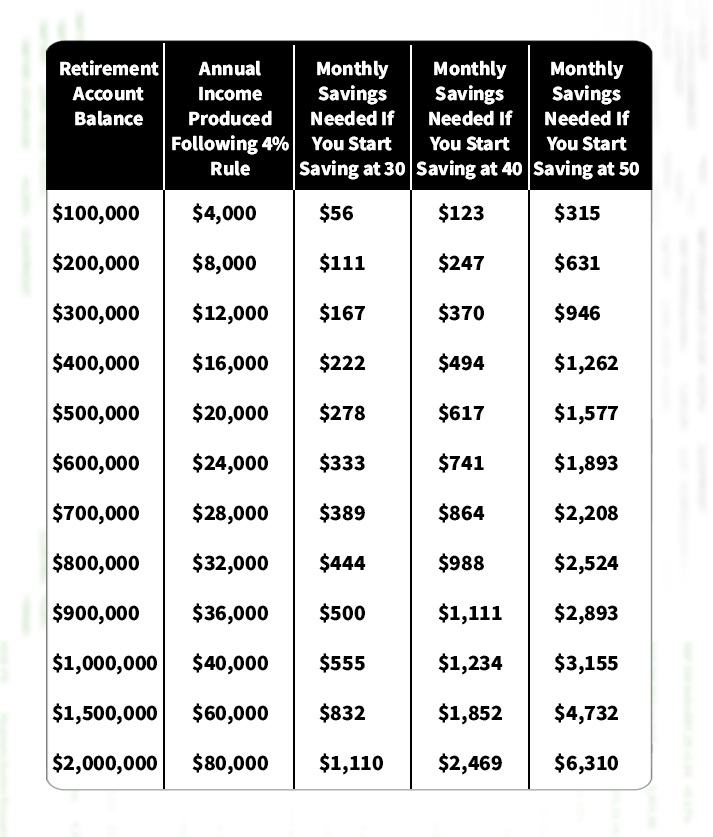
The concept of a “retirement number” — the total sum of money you’ll need to accumulate before you stop working — is foundational to effective retirement planning. This isn’t a one-size-fits-all figure; it’s deeply personal, reflecting your desired lifestyle, health considerations, and anticipated longevity. A robust retirement calculator helps you arrive at this crucial figure, serving as the North Star for your saving and investing efforts.
The Importance of a Retirement Calculator
At its core, a retirement calculator demystifies a complex future scenario by translating it into current, understandable terms. Without such a tool, individuals often rely on guesswork or generic rules of thumb, which can lead to significant under-saving or, conversely, unnecessary over-sacrificing during their working years. By providing a projected target, the calculator empowers you to:
- Set Clear Goals: Quantify your savings objectives.
- Track Progress: Measure how far along you are on your journey.
- Make Informed Decisions: Adjust your savings rate, investment strategy, or retirement timeline as needed.
- Mitigate Risk: Understand the impact of inflation, market fluctuations, and unexpected expenses.
Key Variables Influencing Your Goal
Several interconnected factors dictate the size of your retirement nest egg. Ignoring any of these can lead to a significant miscalculation:
- Desired Retirement Lifestyle: Will you downsize or travel the world? Your spending habits in retirement are the primary driver of your required income.
- Healthcare Costs: A major and often underestimated expense, especially in later years. Medicare provides a baseline, but supplemental insurance, prescriptions, and long-term care can add substantial costs.
- Inflation: The silent wealth-eater. The purchasing power of a dollar today will be significantly less in 20 or 30 years, meaning your retirement savings must grow faster than the inflation rate to maintain your desired lifestyle.
- Longevity: People are living longer, healthier lives. While this is a blessing, it also means your retirement savings need to stretch over a longer period, potentially 20, 30, or even 40 years.
The 4% Rule (and its critiques)
One widely cited guideline in retirement planning is the “4% Rule.” Originating from a 1990s study, it suggests that retirees can safely withdraw 4% of their initial portfolio value each year, adjusting for inflation in subsequent years, without running out of money over a 30-year retirement. For example, if you need $40,000 per year in retirement, you would aim for a $1,000,000 portfolio ($40,000 / 0.04).
While influential, the 4% Rule has faced increasing scrutiny. Critics argue it may be too aggressive in today’s lower interest rate environment or for retirements exceeding 30 years. Modern financial planning often advises a more dynamic approach, potentially starting with a 3% or 3.5% withdrawal rate, or employing a variable withdrawal strategy that adjusts based on market performance. A sophisticated retirement calculator can help model different withdrawal scenarios, offering a more personalized and flexible outlook than a rigid rule.
Inputs for an Accurate Retirement Calculation
The power of a retirement calculator lies in its ability to process a multitude of personal financial data points. The more precise and realistic your inputs, the more accurate and useful your projected retirement number will be.
Current Age and Desired Retirement Age
These two inputs define your accumulation horizon. A longer time horizon allows for greater compounding of investments and potentially a lower annual savings rate. Conversely, a shorter horizon necessitates more aggressive saving.
Current Savings and Investments
This is your starting capital. Include all tax-advantaged accounts (401(k)s, IRAs, Roth accounts), taxable brokerage accounts, and any other significant investment holdings earmarked for retirement.
Projected Retirement Expenses
This is arguably the most critical and often the most challenging input to estimate accurately. Many people assume their expenses will drastically drop in retirement, but this isn’t always the case.
- Distinguishing Pre-Retirement vs. Post-Retirement Spending: While work-related expenses (commuting, professional attire) may disappear, other costs can increase. Travel, hobbies, and leisure activities often replace work, potentially leading to higher discretionary spending in early retirement.
- Accounting for Housing: Will your mortgage be paid off? Will you downsize, or consider a reverse mortgage? Housing costs remain a significant component of most household budgets.
- Healthcare: As mentioned, this is a major variable. Consider future premiums, deductibles, co-pays, and potential long-term care needs.
- Inflation’s Impact: Remember to project these expenses in future dollars, accounting for inflation. A $5,000 monthly expense today could require $10,000 or more per month in 25 years.
Expected Rate of Return
This is the projected annual growth rate of your investment portfolio. It’s crucial to be realistic here. Historical stock market averages are often cited (e.g., 7-10% annually), but past performance is not indicative of future results. A diversified portfolio typically involves a mix of equities, bonds, and other assets, each with different expected returns and risk profiles. Many calculators allow for conservative, moderate, and aggressive return assumptions, enabling sensitivity analysis.
Inflation Rate

As highlighted earlier, inflation erodes purchasing power. A standard assumption might be 2-3% annually, reflecting historical averages, but economic conditions can cause this to fluctuate. A calculator integrates this to show you what your future expenses will truly feel like in today’s dollars.
Other Income Sources in Retirement
Your nest egg won’t be your only source of income. Factor in:
- Social Security Benefits: Estimate your future benefits using statements from the Social Security Administration or their online calculators.
- Pensions: If you have a defined benefit pension plan, understand its payout structure.
- Part-time Work or Entrepreneurship: Many retirees choose to work part-time for enjoyment or to supplement their income, which can significantly reduce the amount needed from savings.
- Rental Income or Annuities: Any other guaranteed or recurring income streams.
Leveraging Your Retirement Calculator Effectively
A retirement calculator is not a set-it-and-forget-it tool. Its true value comes from ongoing engagement and iterative planning.
Iterative Planning
Financial planning is dynamic. Your life circumstances, market conditions, and personal goals will evolve. Regularly revisit your retirement calculator (at least annually or after major life events like a promotion, marriage, or birth of a child) to update your inputs and recalibrate your projections. This ensures your plan remains relevant and achievable.
Sensitivity Analysis
A key feature of advanced calculators is the ability to perform sensitivity analysis. This means testing how your retirement number changes if certain variables deviate from your initial assumptions.
- What if investment returns are 2% lower than expected?
- What if inflation is 1% higher?
- What if you live five years longer?
- What if healthcare costs surge?
Understanding these sensitivities helps you build a more robust plan with safety margins and contingency strategies.
Bridging the Gap
If your calculator reveals a shortfall—meaning your current trajectory won’t meet your retirement goal—it’s not a cause for despair but a call to action. The calculator effectively highlights the “gap” and empowers you to explore solutions:
- Increase Savings Rate: This is often the most direct and impactful lever. Automating higher contributions to your retirement accounts can make a significant difference over time.
- Delay Retirement: Working a few extra years can allow your existing savings more time to grow and reduce the total number of years you’ll need to fund your retirement.
- Reduce Future Expenses: Re-evaluating your desired retirement lifestyle might reveal areas where you can comfortably cut back without sacrificing enjoyment.
- Boost Income: Exploring side hustles, pursuing a higher-paying job, or investing in skill development can increase your capacity to save.
When to Seek Professional Guidance
While calculators are invaluable, they have limits. For complex financial situations, unique investment portfolios, or significant wealth management needs, a certified financial planner (CFP) can provide personalized advice. A professional can help integrate estate planning, tax optimization strategies, and navigate intricate investment decisions that a general calculator might not address. The calculator provides a strong foundation; a professional builds the advanced architecture.
Beyond the Numbers: Holistic Retirement Planning
While the “how much” is crucial, retirement planning extends beyond purely financial figures. A truly fulfilling retirement considers your entire well-being.
Healthcare Costs in Retirement
This warrants a special mention due to its potential to derail even the best-laid financial plans. Beyond standard medical insurance, consider long-term care insurance, which can protect against the potentially catastrophic costs of nursing home care or in-home assistance. Discussing healthcare needs and options with a professional specializing in elder care or retirement planning is highly advisable.
Estate Planning Considerations
Retirement planning is also an opportune time to ensure your legacy is secure. Review or establish your will, trusts, power of attorney, and healthcare directives. This ensures your assets are distributed according to your wishes and that your medical and financial affairs are managed if you become incapacitated.

Lifestyle and Well-being
Ultimately, money is a means to an end. Retirement is an opportunity to pursue passions, spend time with loved ones, learn new skills, and contribute to your community. As you use your retirement calculator to build your financial foundation, simultaneously envision the life you want to live. A well-funded retirement that lacks purpose or connection can be just as unfulfilling as one that’s financially strained. Combine rigorous financial planning with thoughtful lifestyle planning for a truly golden retirement.
aViewFromTheCave is a participant in the Amazon Services LLC Associates Program, an affiliate advertising program designed to provide a means for sites to earn advertising fees by advertising and linking to Amazon.com. Amazon, the Amazon logo, AmazonSupply, and the AmazonSupply logo are trademarks of Amazon.com, Inc. or its affiliates. As an Amazon Associate we earn affiliate commissions from qualifying purchases.