
Understanding your potential Social Security benefit is a cornerstone of effective retirement planning. For many Americans, these monthly payments will represent a significant, if not primary, source of income in their golden years. However, the exact amount you’ll receive isn’t a simple, fixed sum; it’s a complex calculation influenced by several key factors unique to your work history and claiming decisions. Demystifying this process is crucial for making informed financial choices today that will impact your financial security tomorrow.
Understanding the Pillars of Your Social Security Benefit
Your Social Security retirement benefit is not arbitrarily determined. It’s built upon a foundation of your lifelong earnings, your age when you choose to begin receiving benefits, and annual adjustments designed to keep pace with the economy. Grasping these core components is the first step toward accurately estimating your future income.
Your Earning History: The Foundation
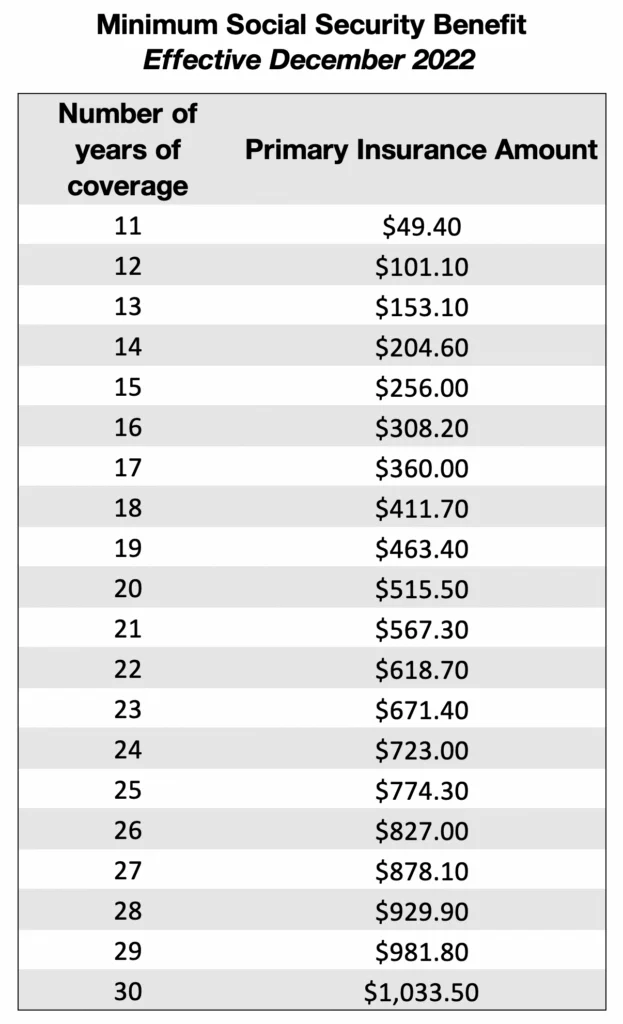
The Social Security Administration (SSA) calculates your primary insurance amount (PIA) based on your average indexed monthly earnings (AIME). This figure is derived from your 35 highest-earning years in covered employment. The SSA indexes these past earnings to reflect changes in general wage levels over time, ensuring that your earnings from decades ago hold their relevant value in today’s terms. If you have fewer than 35 years of earnings, zero-earning years will be factored into the average, which can significantly lower your overall benefit. This emphasizes the importance of consistent employment and earning as much as possible throughout your career to maximize your benefit calculation.
Age at Claiming: A Critical Decision
Perhaps the most impactful decision you’ll make regarding your Social Security benefit is when to start claiming it. While you can begin receiving benefits as early as age 62, or delay them until age 70, your choice of claiming age relative to your Full Retirement Age (FRA) will permanently alter your monthly payout. Claiming before your FRA results in a reduced benefit, while delaying past your FRA leads to a larger monthly payment. This flexibility allows individuals to tailor their Social Security income stream to their personal financial needs, health status, and other retirement income sources.
Cost-of-Living Adjustments (COLAs)
Once you begin receiving Social Security benefits, your payments are not static. The SSA implements annual Cost-of-Living Adjustments (COLAs) to help your benefits keep pace with inflation. These adjustments are typically announced in the fall and reflect changes in the Consumer Price Index for Urban Wage Earners and Clerical Workers (CPI-W). While COLAs do not affect the initial calculation of your benefit, they ensure that the purchasing power of your Social Security income is maintained over time, providing a vital hedge against rising costs of living in retirement.
Navigating Your Full Retirement Age (FRA)
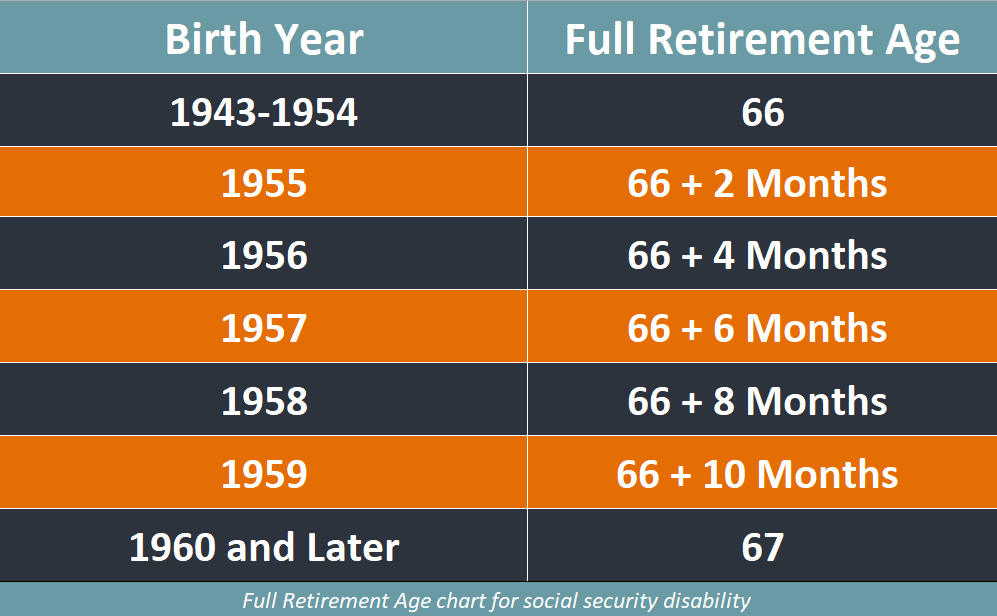
Your Full Retirement Age (FRA) is the age at which you are entitled to receive 100% of your primary insurance amount (PIA). This age is determined by your birth year. For those born between 1943 and 1954, FRA is 66. It gradually increases for later birth years, reaching 67 for anyone born in 1960 or later. Understanding your specific FRA is paramount because it serves as the benchmark against which all claiming decisions are measured, directly influencing the size of your monthly benefit.
The Trade-offs of Early Claiming
You can begin collecting Social Security benefits as early as age 62. However, doing so means your monthly benefit will be permanently reduced. The reduction rate is approximately 5/9 of 1% for each month before your FRA, up to 36 months. For any months beyond 36, the reduction is 5/12 of 1% per month. This means claiming at 62 could result in a benefit that is 25% to 30% lower than what you would receive at your FRA, depending on your birth year. While early claiming offers immediate income, it comes at the cost of a significantly diminished lifetime payout. This option is often considered by individuals facing health issues, unexpected unemployment, or immediate financial need, where the trade-off of a lower monthly payment is justified by the present necessity for income. It’s also important to note that if you claim early and continue to work, your benefits may be subject to an “earnings test,” where a portion of your benefits could be withheld if your income exceeds a certain threshold.
Maximizing Benefits with Delayed Claiming
Conversely, delaying the start of your Social Security benefits past your FRA can substantially increase your monthly payment. For each year you delay claiming beyond your FRA, up to age 70, you earn “delayed retirement credits” that boost your benefit by 8% per year. This means that if your FRA is 67, and you wait until age 70 to claim, your monthly benefit will be 24% higher than your FRA amount. This strategy is particularly appealing to individuals who are in good health, continue to work, or have sufficient other retirement savings to defer Social Security income. The cumulative effect of these increased payments over a potentially long retirement can be considerable, making delayed claiming a powerful tool for maximizing your financial security.
The Sweet Spot: Your Personal Optimization
There is no universally “best” age to claim Social Security. The optimal claiming strategy is deeply personal and depends on a confluence of factors, including your current health and life expectancy, your other retirement savings and income sources, your marital status and potential for spousal or survivor benefits, and your immediate financial needs. For some, the guaranteed income of early claiming outweighs the reduction, while for others, the long-term gain of delayed claiming is the clear path. It is essential to conduct a thorough evaluation of your individual circumstances, potentially utilizing financial planning tools or professional advice, to identify the claiming age that best aligns with your retirement goals and overall financial plan.
Accessing Your Personal Benefit Information
One of the most valuable resources for estimating your Social Security benefit is the Social Security Administration (SSA) itself. The SSA provides personalized statements that offer detailed projections based on your actual earnings record. Leveraging these resources is a crucial step in understanding your future financial landscape.
The Social Security Administration’s Online Account
The easiest and most comprehensive way to access your personal Social Security information is by creating a “my Social Security” account on the SSA’s official website. This secure online portal allows you to view your full earnings history, estimated benefits at different claiming ages (early, full, and delayed retirement), and information about potential spousal, survivor, and disability benefits. You can also print your Social Security Statement directly from your account. Regularly checking this account is highly recommended, not just for benefit projections, but also for ensuring the accuracy of your earnings record.
Reviewing Your Earnings Record
Within your “my Social Security” account, pay close attention to your detailed earnings record. This record lists your taxed earnings for each year you’ve worked. It is imperative to review this information for accuracy. Errors, such as missing years of earnings or incorrect amounts, can directly impact your future benefits. If you find any discrepancies, it’s critical to contact the SSA immediately to have them corrected. Providing documentation like W-2 forms or tax returns may be necessary to resolve any issues. Ensuring your earnings record is precise guarantees that your Social Security benefit calculations are based on a complete and accurate history of your contributions.
Beyond Your Own Record: Spousal, Survivor, and Disability Benefits
While your own retirement benefit is a primary concern, Social Security offers a broader safety net that extends to spouses, children, and survivors, as well as providing crucial disability protection. Understanding these additional benefits can significantly enhance your overall financial planning, particularly for families and individuals facing unforeseen circumstances.
Spousal Benefits: A Key for Married Couples
If you are married, divorced, or widowed, you may be eligible for Social Security benefits based on your spouse’s or former spouse’s earnings record. A spouse can receive up to 50% of their partner’s primary insurance amount (PIA) at their spouse’s Full Retirement Age (FRA), even if they have little or no work history of their own. For divorced individuals, you may be able to claim on an ex-spouse’s record if the marriage lasted at least 10 years, you are currently unmarried, and your ex-spouse is eligible for benefits. Strategic claiming can be complex for married couples, often involving coordination to maximize combined lifetime benefits. It’s important to note that claiming spousal benefits early (before your own FRA) will also result in a reduced payout, similar to individual retirement benefits.
Survivor Benefits: Protecting Loved Ones
Social Security provides vital financial protection to a worker’s family in the event of their death. Eligible survivors, which can include a widow(er), divorced widow(er), unmarried children, or even dependent parents, may receive monthly benefits. The amount of the survivor benefit depends on the deceased worker’s earnings and the relationship to the survivor. For example, a widow or widower can receive up to 100% of the deceased worker’s benefit if they claim at their own FRA, or a reduced amount if claimed earlier. These benefits are a critical component of family financial security and should be considered when assessing the adequacy of life insurance and overall estate planning.
Disability Benefits: A Safety Net
Social Security Disability Insurance (SSDI) provides income to individuals who are unable to work due to a severe medical condition that is expected to last at least one year or result in death. To qualify, you must have worked long enough and recently enough in jobs covered by Social Security. The amount of your disability benefit is based on your average lifetime earnings before your disability began, similar to how retirement benefits are calculated. SSDI serves as a crucial safety net, protecting individuals and their families from financial hardship when a serious illness or injury prevents them from earning a living. This benefit underscores the comprehensive nature of Social Security, extending its protective reach beyond just retirement.
Integrating Social Security into Your Retirement Plan
While Social Security is a vital component of retirement income, it is designed to be a foundation, not the sole support. Effectively integrating your estimated Social Security benefits into a broader financial strategy is key to achieving a secure and comfortable retirement.
Social Security as One Leg of the Stool
Financial advisors often describe retirement income as a “three-legged stool,” with Social Security representing one leg. The other legs typically include personal savings (like 401(k)s, IRAs, and other investment accounts) and employer-sponsored pensions (though these are less common now). Relying solely on Social Security for retirement income is generally insufficient for maintaining your pre-retirement lifestyle. The average Social Security benefit replaces only about 40% of pre-retirement earnings for a medium earner. This highlights the indispensable need for robust personal savings and investment strategies to supplement your Social Security income.
Estimating Future Income and Expenses
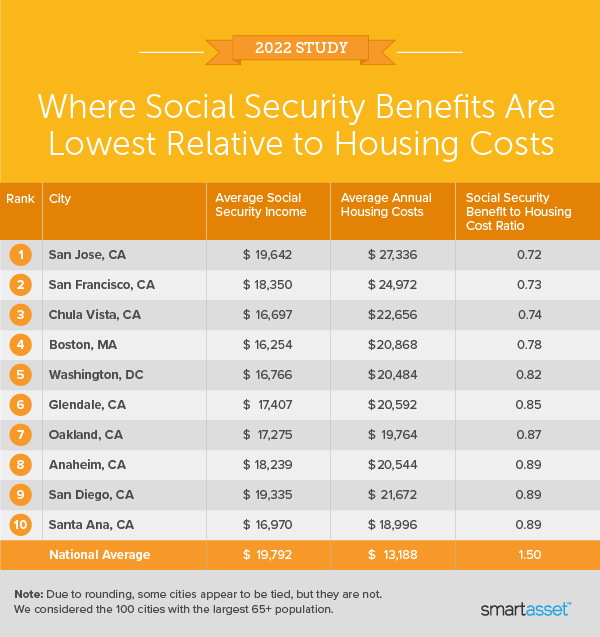
Accurately projecting your retirement income and expenses is critical. Start by estimating your future expenses, considering housing, healthcare, transportation, leisure, and inflation. Once you have a clear picture of your anticipated outflows, factor in your estimated Social Security benefits. The gap between your projected expenses and your Social Security income will define how much you need to generate from other sources, such as your 401(k), IRA, or other investments. This exercise allows you to assess if your current savings trajectory is adequate or if adjustments are necessary to meet your retirement goals.
Monitoring Changes and Seeking Professional Advice
Social Security rules and regulations can change over time, and economic conditions can impact COLAs. It’s prudent to stay informed about any legislative updates or policy shifts that could affect your benefits. Furthermore, given the complexity of claiming strategies—especially for married couples and those with varied work histories—seeking guidance from a qualified financial advisor is often invaluable. A professional can help you develop a personalized claiming strategy, integrate Social Security into your overall investment and tax planning, and ensure you are maximizing all available benefits. Their expertise can provide clarity and confidence as you navigate the intricacies of your retirement income.
aViewFromTheCave is a participant in the Amazon Services LLC Associates Program, an affiliate advertising program designed to provide a means for sites to earn advertising fees by advertising and linking to Amazon.com. Amazon, the Amazon logo, AmazonSupply, and the AmazonSupply logo are trademarks of Amazon.com, Inc. or its affiliates. As an Amazon Associate we earn affiliate commissions from qualifying purchases.