
Understanding the true cost of car ownership extends far beyond the initial purchase price, fuel, and insurance. A significant and often underestimated component is the expense associated with regular car servicing and unexpected repairs. For many, a car is the second-largest asset they own, and maintaining its health is crucial for longevity, safety, and preserving its resale value. Delving into the financial aspect of car service reveals a multifaceted landscape influenced by numerous variables, demanding a proactive approach to budgeting and financial planning.
Dissecting the Fundamentals of Car Service Costs
The price tag on a car service is rarely a fixed figure. Instead, it’s a dynamic sum shaped by a confluence of factors, ranging from the type of service required to the car’s specifics and even the chosen service provider. A comprehensive understanding of these underlying drivers is the first step towards effectively managing your automotive expenses.

Types of Services and Their Financial Implications
Car services are typically categorized by their scope and the manufacturer’s recommended intervals, often tied to mileage or time. Each tier carries a different cost implication.
Minor Service (Basic/Interim)
This is generally the least expensive service, typically recommended every 6-12 months or 5,000-10,000 miles. It focuses on essential checks and replacements, aiming to maintain basic functionality.
-
Typical Inclusions: Oil and oil filter change, fluid top-ups (coolant, power steering, brake fluid, windshield washer), tire pressure and condition check, basic brake inspection, and a general visual inspection of key components like lights and wipers.
-
Cost Range: Often between $75 and $200, depending on the vehicle’s make and model, and the mechanic’s labor rate. Luxury or high-performance vehicles will naturally incur higher costs due to specialized oils and filters.
Major Service (Full/Comprehensive)
A more extensive service performed typically every 12-24 months or 20,000-30,000 miles. This goes beyond the basics to inspect and replace components that experience wear over a longer period.
-
Typical Inclusions: Everything in a minor service, plus air filter replacement, cabin filter replacement, spark plug inspection/replacement (depending on type and mileage), fuel filter replacement, comprehensive brake system inspection (pads, rotors, fluid flush), suspension checks, timing belt/chain inspection, and a more thorough diagnostic scan.
-
Cost Range: Can range from $200 to $600 or more, escalating significantly for premium brands or vehicles requiring specific, more expensive parts.
Manufacturer-Scheduled Service
These services follow the exact guidelines set by the vehicle manufacturer, often outlined in the owner’s manual. They are crucial for maintaining warranty validity and ensuring optimal performance specific to that model.
-
Distinction: These are often a mix of minor and major service elements, specifically tailored for certain mileage markers (e.g., 30,000-mile service, 60,000-mile service). They might involve specialized checks or replacements unique to the car’s engineering.
-
Cost Implications: Can vary widely based on the specific mileage interval. Earlier intervals might align with minor service costs, while later ones (e.g., 90,000-mile service that includes timing belt replacement) can soar into the thousands, particularly for European luxury vehicles.
Key Factors Driving Service Pricing
Beyond the type of service, several other variables play a crucial role in determining the final bill. Understanding these can empower car owners to make more financially astute decisions.
Labor Rates
This is often the largest component of a service bill.
-
Geographic Location: Mechanics in urban areas or regions with a higher cost of living typically charge more per hour than those in rural areas.
-
Service Provider: Dealerships generally have higher labor rates (often $100-$200+ per hour) compared to independent garages ($75-$150 per hour) due to overheads, specialized training, and access to proprietary diagnostic tools.
-
Specialization: Mechanics specializing in particular car brands or complex systems (e.g., EV battery maintenance) may command higher rates.
Parts Costs
The price of replacement parts can fluctuate wildly.
-
OEM vs. Aftermarket: Original Equipment Manufacturer (OEM) parts are identical to those installed in the factory and are often more expensive. Aftermarket parts, produced by third-party manufacturers, can offer significant savings but vary in quality. The choice often balances cost savings against potential longevity and warranty considerations.
-
Vehicle Make and Model: Parts for luxury cars, rare models, or vehicles with highly specialized components (e.g., hybrid battery packs, advanced sensor systems) are invariably more expensive. Common parts for popular models are typically more affordable due to higher demand and competition.
-
Component Type: High-wear items like brake pads and oil filters are relatively inexpensive, while complex components like transmission assemblies or engine parts can be thousands of dollars.
Scope of Work and Diagnostics
Sometimes, a service might uncover additional issues.
-
Diagnostic Fees: When a problem isn’t immediately obvious, mechanics charge for diagnostic time, which involves using specialized equipment to pinpoint the issue. These fees typically range from $50 to $150 and may or may not be waived if the repair is performed by the same shop.
-
Unforeseen Repairs: During a routine service, a mechanic might identify worn components (e.g., worn suspension bushings, leaking seals) that require additional, unscheduled repairs. These can significantly inflate the total cost.
Strategic Budgeting for Automotive Maintenance
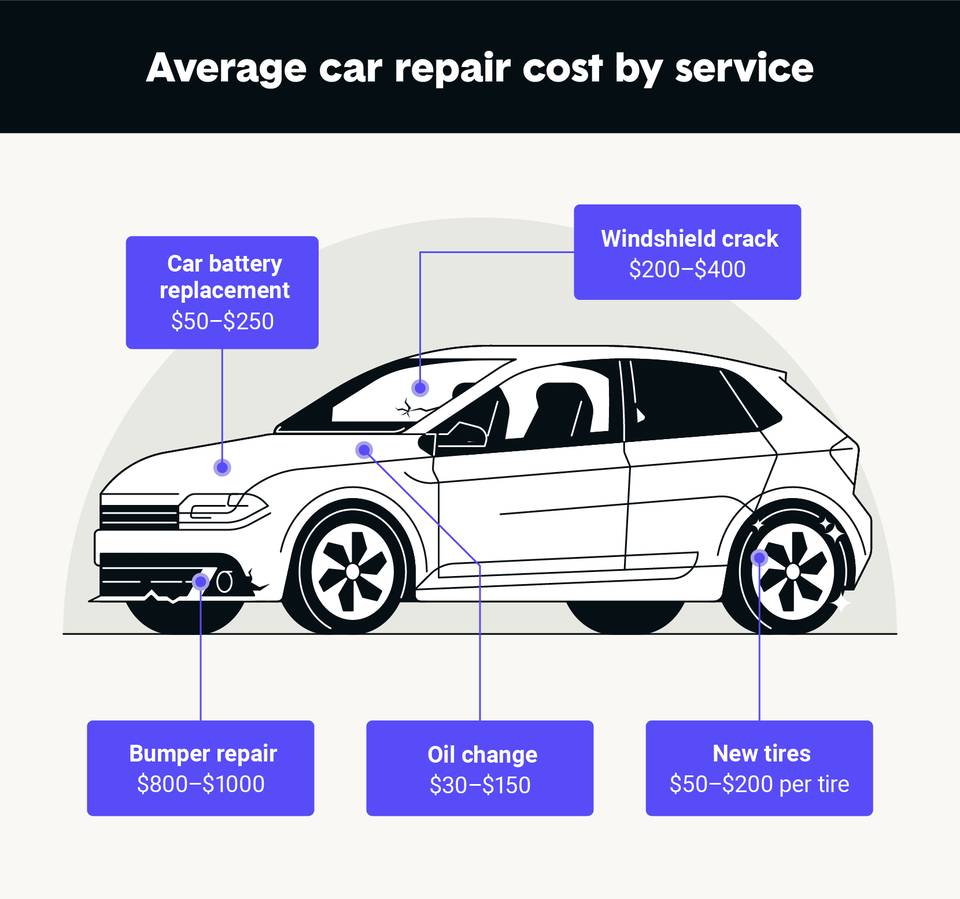
Proactive financial planning is essential to mitigate the impact of car service costs on your personal finances. Instead of reacting to repair bills, a well-structured budget can transform potential financial shocks into manageable expenses.
Establishing a Dedicated Maintenance Fund
The most effective strategy is to treat car maintenance as a recurring expense, not an unpredictable one.
-
Estimate Annual Costs: Research average annual maintenance costs for your specific vehicle make and model. Websites like Edmunds or RepairPal provide estimated ownership costs. A general rule of thumb suggests budgeting 1% of the car’s purchase price annually for maintenance, though this can vary. For older cars, this percentage might need to be higher.
-
Regular Contributions: Once an annual estimate is established, divide it by 12 and set up an automatic monthly transfer to a dedicated savings account. For example, if your estimated annual cost is $800, contribute approximately $67 each month. This builds a buffer for scheduled services and unexpected repairs.
-
Emergency Buffer: While a maintenance fund covers routine needs, it’s wise to have an additional emergency fund for truly catastrophic failures (e.g., transmission replacement). These are often outside the scope of regular maintenance budgeting.
Incorporating Car Costs into Your Financial Framework
Integrating car service costs into a broader personal finance strategy ensures holistic financial health.
-
The 50/30/20 Rule: If you follow this budgeting guideline (50% for needs, 30% for wants, 20% for savings/debt repayment), car maintenance and repairs fall squarely into the “needs” category. Ensure your allocated 50% comfortably accommodates these fluctuating expenses without compromising other essentials.
-
Tracking Expenses: Utilize budgeting apps or spreadsheets to meticulously track all car-related expenditures. This provides real-time insights into your spending patterns and helps refine future budget estimations. Over time, you’ll gain a clearer picture of your actual costs versus projections.
-
Future-Proofing for Older Vehicles: As cars age, maintenance costs tend to rise. Factor this into your long-term financial planning. An older vehicle might have lower insurance or loan payments, but these savings can quickly be negated by increased repair frequency and cost.
Smart Strategies to Optimize Service Expenses
While car servicing is unavoidable, there are intelligent approaches to minimize its financial impact without compromising your vehicle’s health or safety.
The Power of Preventative Maintenance
Addressing minor issues before they escalate is arguably the most cost-effective strategy.
-
Adherence to Service Schedules: Follow the manufacturer’s recommended service intervals. Skipping oil changes or delaying brake inspections might save money in the short term but invariably leads to more expensive repairs down the road.
-
Regular DIY Checks: Simple checks you can perform at home, such as monitoring tire pressure, checking fluid levels, and inspecting wiper blades, can catch potential problems early. This reduces the likelihood of catastrophic failures.
-
Addressing Warning Lights Promptly: A “Check Engine” light or low tire pressure warning isn’t just a suggestion; it’s a direct communication from your car. Ignoring these can lead to accelerated wear, reduced fuel efficiency, and ultimately, costlier repairs.
Choosing the Right Service Provider
Where you get your car serviced significantly impacts the bill.
-
Independent Mechanics vs. Dealerships:
-
Dealerships: Often employ factory-trained technicians, use OEM parts, and have access to brand-specific diagnostic tools. This can be beneficial for complex repairs or warranty work, but comes at a premium.
-
Independent Shops: Can offer comparable quality work at lower labor rates. Many independent mechanics specialize in certain brands or types of vehicles and can use quality aftermarket parts, offering a cost-effective alternative. Always look for shops with good reputations, certifications (e.g., ASE), and transparent pricing.
-
-
Shopping Around for Quotes: For non-emergency repairs or major services, obtain quotes from 2-3 different reputable shops. Compare not just the total price, but also the detailed breakdown of parts and labor. Be wary of quotes that seem unusually low, as they might indicate shortcuts or substandard parts.
-
Building a Relationship: Finding a trustworthy mechanic and sticking with them can be beneficial. They become familiar with your vehicle’s history and can offer personalized advice and potentially better pricing over time.
Leveraging Financial Tools and Options
Certain financial products and practices can help manage service costs.
-
Extended Warranties/Service Plans: For new or certified pre-owned vehicles, an extended warranty can provide peace of mind against major mechanical failures after the factory warranty expires. However, carefully scrutinize the terms, coverage, exclusions, and deductible. Compare the cost of the plan against the likelihood and potential cost of covered repairs.
-
Credit Cards with Rewards: Using a credit card that offers cash back or points on automotive expenses can provide a small return on your maintenance spending. Just ensure you pay off the balance in full each month to avoid interest charges.
-
Payment Plans: Some larger repair shops or dealerships offer payment plans for significant repairs. While convenient, understand any associated interest rates or fees before committing.
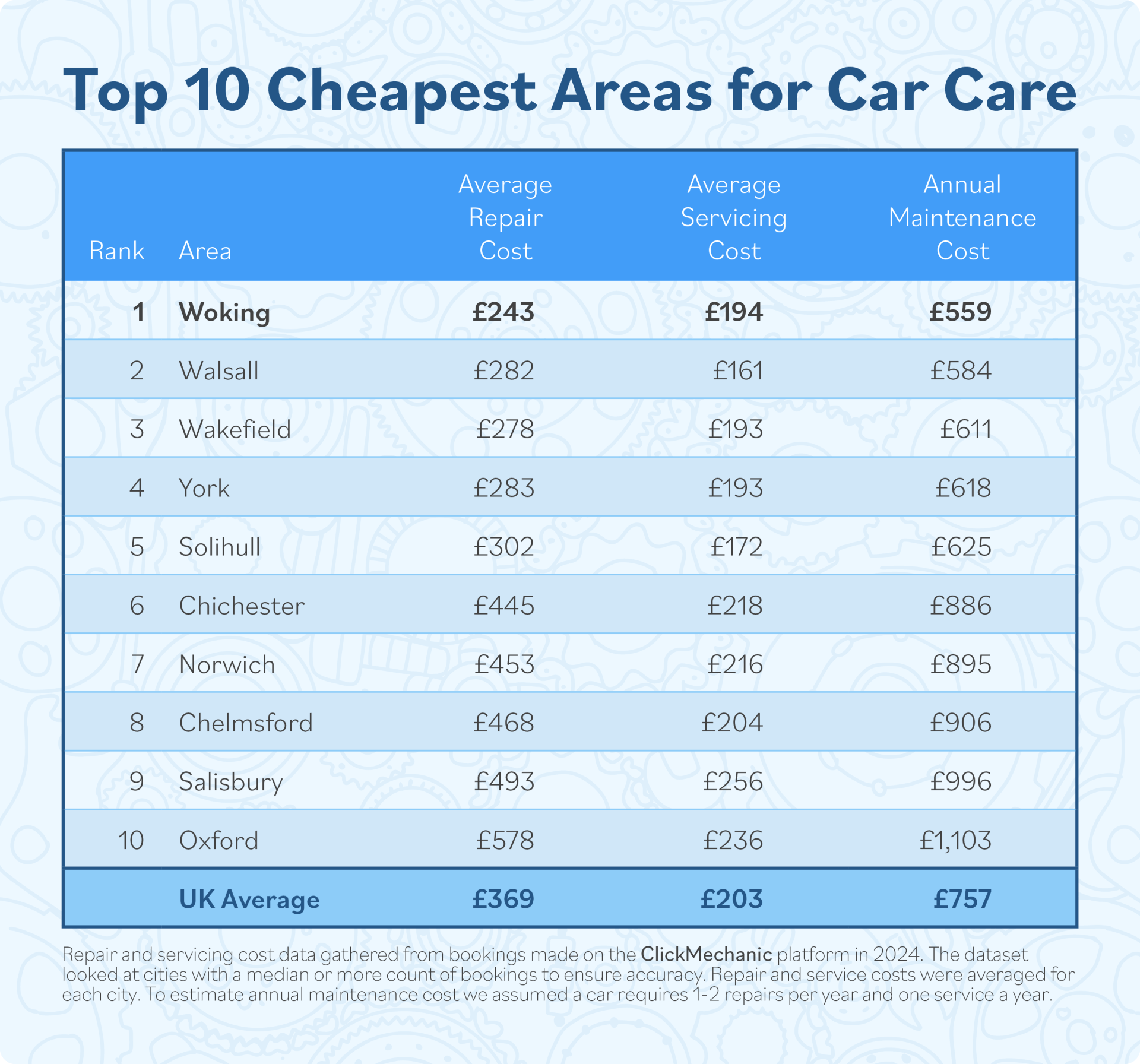
The Undeniable Cost of Neglect
While the immediate financial burden of car service might seem like a nuisance, neglecting maintenance often results in far greater long-term expenses and risks.
-
Accelerated Wear and Tear: Skipping oil changes leads to engine friction and premature wear. Ignoring brake noises can lead to damage to rotors and calipers, escalating a simple pad replacement into a much more expensive brake system overhaul.
-
Major Component Failure: Neglecting minor issues can cascade into catastrophic failures. A small coolant leak, if ignored, can lead to engine overheating and irreparable damage. Similarly, overdue transmission fluid changes can result in costly transmission rebuilds or replacements.
-
Reduced Fuel Efficiency: A poorly maintained engine, clogged air filters, or underinflated tires all contribute to reduced fuel economy, meaning you spend more at the pump over time.
-
Compromised Safety: Worn tires, faulty brakes, or suspension issues are not just financial burdens; they are significant safety hazards that put you and others at risk.
-
Decreased Resale Value: A vehicle with a patchy service history or obvious signs of neglect will command a significantly lower resale value. Prospective buyers are willing to pay more for a car that has been meticulously maintained, as it signals reliability and fewer future headaches.
Ultimately, understanding how much a car service costs is not just about the immediate invoice; it’s about appreciating the long-term financial prudence of regular maintenance. By budgeting effectively, choosing providers wisely, and prioritizing preventative care, car owners can transform a potentially significant financial drain into a manageable, predictable investment in their vehicle’s longevity and their own financial well-being.
aViewFromTheCave is a participant in the Amazon Services LLC Associates Program, an affiliate advertising program designed to provide a means for sites to earn advertising fees by advertising and linking to Amazon.com. Amazon, the Amazon logo, AmazonSupply, and the AmazonSupply logo are trademarks of Amazon.com, Inc. or its affiliates. As an Amazon Associate we earn affiliate commissions from qualifying purchases.