
How Much Will a Bank Loan Me for a House?
The dream of homeownership is a cornerstone of financial aspiration for many, representing stability, a place to build equity, and a personal sanctuary. However, before you can start envisioning your ideal kitchen or backyard, a fundamental question looms large: “How much will a bank loan me for a house?” This isn’t a simple query with a single, universal answer. Instead, the loan amount a bank is willing to extend is a complex calculation influenced by a myriad of factors unique to each borrower and the prevailing economic landscape. Understanding these determinants is the crucial first step in turning your homeownership dream into a tangible reality.
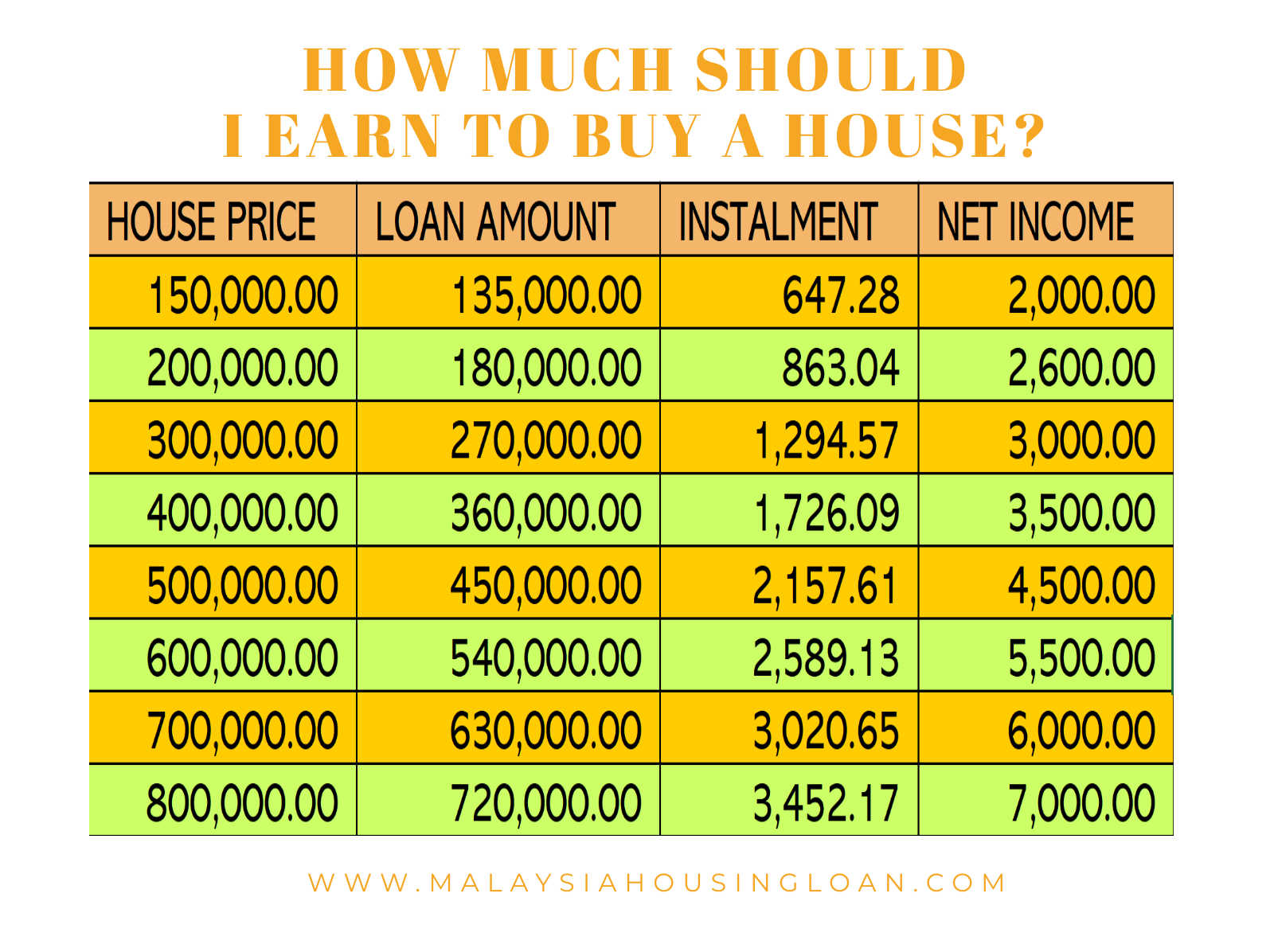
Banks and mortgage lenders are in the business of assessing risk. They want to ensure that borrowers can comfortably repay their loans, even if unforeseen financial challenges arise. This assessment involves a deep dive into your financial history, current standing, and future prospects. By dissecting the key components that drive a lender’s decision, you can better prepare yourself for the mortgage application process, optimize your financial position, and approach home buying with confidence and clarity.
The Core Determinants of Your Loan Amount
The amount a bank will loan you for a house boils down to several critical financial indicators that collectively paint a picture of your creditworthiness and repayment capacity. These are the pillars upon which every mortgage approval stands.
Your Income and Employment Stability
At the top of a lender’s checklist is your income. This is the most direct indicator of your ability to make monthly mortgage payments. Lenders look for steady, verifiable income sources.
- Debt-to-Income (DTI) Ratio: This is perhaps the most significant factor. Lenders use two DTI ratios:
- Front-End DTI: Compares your potential new monthly housing expenses (mortgage principal and interest, property taxes, homeowner’s insurance, HOA fees) to your gross monthly income.
- Back-End DTI: Compares all your monthly debt payments (including the new housing expenses, credit card minimums, car loans, student loans, etc.) to your gross monthly income.
- Most lenders prefer a front-end DTI under 28% and a back-end DTI under 36% to 43%, though these can vary by loan program and lender. A lower DTI indicates less financial strain and a greater capacity to handle mortgage payments, often allowing for a higher loan amount.
- Verifiable Income: Lenders need proof of your income. For salaried employees, this means W2s and recent pay stubs. For self-employed individuals or those with irregular income, it often requires two years of tax returns and profit and loss statements. Consistency and predictability are key.
- Job History and Stability: A stable employment history, typically two years in the same line of work or industry, signals reliability. Frequent job changes or gaps can raise red flags, though legitimate reasons can often be explained.
Credit Score and History
Your credit score (most commonly, your FICO score) is a numerical representation of your creditworthiness. It tells lenders how responsibly you’ve managed debt in the past.
- Impact on Eligibility and Interest Rates: A higher credit score (generally above 740 for conventional loans) not only increases your chances of approval but also qualifies you for lower interest rates. Lower rates mean lower monthly payments for the same loan amount, or conversely, allow you to borrow a larger sum without exceeding your affordability limits.
- Importance of a Good Credit History: Lenders scrutinize your credit report for timely payments, the length of your credit history, types of credit used, and your credit utilization (the amount of credit you’re using versus the amount available). A history of on-time payments and responsible credit use is paramount.
- Addressing Negative Marks: Bankruptcies, foreclosures, or numerous late payments can severely impact your borrowing capacity and may require a waiting period before you can qualify for a mortgage.
Down Payment Size
The down payment is the initial amount of cash you put towards the purchase of a home. It directly impacts the amount you need to borrow.
- Loan-to-Value (LTV) Ratio: This ratio compares the amount of your mortgage to the appraised value of the home. For example, a $200,000 loan on a $250,000 home means an 80% LTV (you put 20% down).
- Impact of Higher Down Payment: A larger down payment reduces your LTV, which is attractive to lenders because it lowers their risk. It can also help you:
- Avoid Private Mortgage Insurance (PMI) on conventional loans if you put down 20% or more.
- Qualify for better interest rates.
- Reduce your monthly mortgage payment.
- Minimum Down Payments: Different loan types have varying minimum down payment requirements, from 3% for some conventional loans and FHA loans (3.5%) to 0% for VA and USDA loans (for eligible borrowers). While a lower down payment might seem appealing, it often means a higher overall loan amount and potentially higher costs (like PMI).
Existing Debts and Financial Obligations
Any existing financial commitments you have will directly reduce the amount a bank is willing to lend you.
- Student Loans, Car Loans, Credit Card Debt: These are all factored into your back-end DTI ratio. Even if your payments are manageable, they consume a portion of your monthly income that could otherwise be allocated to a mortgage.
- How They Reduce Borrowing Capacity: A high level of existing debt signals to lenders that you have less disposable income available for a new, significant debt like a mortgage. It directly limits the additional debt you can take on, thus reducing the maximum loan amount you can qualify for.
Understanding Different Loan Types and Their Limits
Not all mortgages are created equal. The type of loan you pursue will also dictate how much a bank might loan you, based on specific program guidelines and limits.
Conventional Loans
Conventional loans are not insured or guaranteed by the government. They conform to the guidelines set by government-sponsored enterprises (GSEs) like Fannie Mae and Freddie Mac.
- Conforming Loan Limits: Fannie Mae and Freddie Mac set annual loan limits, which are the maximum loan amounts they will purchase from lenders. For 2024, the conforming loan limit for a single-family home in most of the U.S. is $766,550, but it can be higher in designated high-cost areas. If your desired loan amount exceeds these limits, you’ll need a different type of loan.
- Jumbo Loans: For loan amounts exceeding the conforming limits, you’ll need a “jumbo loan.” These loans come with stricter underwriting requirements, typically demanding higher credit scores, lower DTI ratios, and larger down payments (often 10-20% or more).
- Credit Score and DTI Requirements: Conventional loans generally require higher credit scores (typically 620+) and lower DTI ratios compared to government-backed options.
Government-Backed Loans (FHA, VA, USDA)
These loans are insured or guaranteed by federal agencies, making them less risky for lenders and often more accessible for borrowers who might not qualify for conventional financing.
- FHA Loans: Insured by the Federal Housing Administration, FHA loans are popular for first-time homebuyers due to their lower down payment requirement (as little as 3.5%) and more flexible credit score guidelines (can be as low as 580 for 3.5% down, or 500-579 with 10% down). However, FHA loans require both upfront and annual Mortgage Insurance Premiums (MIP) regardless of your down payment, which adds to the monthly cost. They also have their own loan limits, which vary by county but are often lower than conventional conforming limits.
- VA Loans: Guaranteed by the U.S. Department of Veterans Affairs, VA loans offer incredible benefits for eligible active-duty service members, veterans, and surviving spouses. These include 0% down payment options, no private mortgage insurance (PMI), and competitive interest rates. Eligibility is the primary hurdle. While there are no official VA loan limits for eligible borrowers with full entitlement, lenders generally cap the loan amount at the conforming loan limits without a down payment. For loans exceeding these limits, a down payment may be required.
- USDA Loans: Backed by the U.S. Department of Agriculture, USDA loans are designed to help low-to-moderate-income individuals purchase homes in eligible rural areas. They also offer 0% down payment options and competitive interest rates. However, there are strict income limits and property location requirements.
Adjustable-Rate Mortgages (ARMs) vs. Fixed-Rate Mortgages
The type of interest rate structure can also influence initial borrowing power.
- Fixed-Rate Mortgages: The interest rate remains the same for the entire life of the loan. This provides predictability and stability in monthly payments, making long-term budgeting easier. While the initial rate might be slightly higher than an ARM, the payment won’t change due to market fluctuations.
- Adjustable-Rate Mortgages (ARMs): ARMs typically offer a lower initial interest rate for a set period (e.g., 5, 7, or 10 years), after which the rate adjusts periodically based on a market index. The lower initial rate of an ARM might allow you to qualify for a slightly larger loan amount initially, as your initial monthly payment would be lower. However, this comes with the risk that future payments could increase significantly if interest rates rise. Lenders will qualify you based on a fully indexed rate, not just the initial teaser rate, to ensure you can afford potential future payments.
Beyond the Loan Amount: What Else Banks Consider
While your financial profile is paramount, lenders also evaluate other factors related to the property itself and your overall financial picture.
Property Type and Location
The house you intend to buy is the collateral for the loan, so its characteristics are critically important.
- Appraisal Value: A bank will only loan you money up to the appraised value of the home, regardless of the agreed-upon purchase price. If the home appraises for less than the sales price, you’ll either need to make up the difference in cash, renegotiate with the seller, or walk away from the deal.
- Condition of the Property: Lenders want homes that are safe, sound, and marketable. Properties in disrepair or requiring significant work (especially for government-backed loans like FHA) may face stricter scrutiny or require specific repairs before approval.
- Location-Specific Risks: Banks assess risks associated with the property’s location, such as flood zones, seismic activity, or areas with declining property values. This can influence insurance requirements or even loan eligibility.
Your Reserves and Assets
Lenders like to see that you have a financial cushion beyond your down payment.
- Cash Reserves After Closing: Having “reserves” – liquid assets like savings, checking accounts, or investment accounts – demonstrates your ability to withstand unexpected financial challenges after purchasing a home. Lenders often prefer to see 3-6 months’ worth of mortgage payments in reserves, especially for larger loan amounts or specific loan types.
- Other Liquid Assets: Investments, retirement accounts (though accessing them can have tax implications), and other readily convertible assets can further bolster your application, showing overall financial stability.
Loan Term and Interest Rate Environment
The length of your mortgage and the prevailing economic conditions play a role in affordability calculations.
- Shorter Terms (15-year) vs. Longer Terms (30-year): A 15-year mortgage will have higher monthly payments than a 30-year mortgage for the same loan amount, but you’ll pay significantly less interest over the life of the loan. While a 30-year term typically allows you to qualify for a larger loan amount due to lower monthly payments, a lender will assess your ability to afford either option.
- Current Interest Rate Environment: When interest rates are low, your purchasing power increases because more of your monthly payment goes towards principal rather than interest, allowing you to borrow more for the same monthly cost. Conversely, when rates are high, your borrowing capacity for the same monthly payment decreases.
Calculating Your Potential Loan Amount: Practical Steps
Instead of guessing, there are concrete steps you can take to get a realistic estimate of how much a bank will lend you.
Utilize Online Mortgage Calculators
Online calculators are a great starting point for rough estimates. They typically ask for your income, debts, down payment, and an estimated interest rate.
- Input Key Financial Data: Enter your gross monthly income, total monthly debt payments, and the amount you plan for a down payment.
- Understand Their Limitations: While helpful, these calculators provide estimates based on general assumptions. They don’t factor in every nuance of your financial profile or specific lender guidelines.
Get Pre-Approved
This is arguably the most crucial step before seriously house hunting. Pre-approval is a formal commitment from a lender, contingent on the property appraising at value and no significant changes to your financial situation.
- Crucial Step to Know Your Actual Borrowing Power: A pre-approval letter states the maximum loan amount you qualify for, giving you a clear budget and showing sellers you are a serious and qualified buyer.
- Differentiates from Pre-Qualification: Pre-qualification is a preliminary estimate based on self-reported information, whereas pre-approval involves a thorough review of your financial documents and a hard credit pull.
- What Documents Are Needed: Expect to provide W2s, tax returns, pay stubs, bank statements, and investment account statements.
Work with a Mortgage Lender or Broker
Seeking professional guidance is invaluable in navigating the complex mortgage landscape.
- Expert Guidance: A loan officer or mortgage broker can assess your unique financial situation, explain different loan products, and help you understand which options best suit your needs.
- Shopping for Rates and Terms: Brokers, in particular, can shop your loan application among multiple lenders to find you the most favorable rates and terms, potentially increasing your loan amount or reducing your monthly payments.
Maximizing Your Borrowing Power (and Financial Health)
If the initial loan amount estimate isn’t what you hoped for, there are proactive steps you can take to improve your financial standing and increase your borrowing capacity.
Improve Your Credit Score
A higher credit score directly translates to better loan terms.
- Pay Bills on Time: This is the single most impactful factor.
- Reduce Credit Utilization: Keep your credit card balances low, ideally below 30% of your available credit limit.
- Avoid New Credit: Don’t open new credit accounts or make large purchases on credit before applying for a mortgage.
Reduce Existing Debts
Lowering your DTI ratio makes you a more attractive borrower.
- Pay Down High-Interest Debts: Focus on credit cards first, then personal loans or car loans.
- Consolidate Debts: This can sometimes lower your overall monthly payments, freeing up income.
Increase Your Down Payment
A larger down payment reduces the amount you need to borrow and signals financial strength.
- Save Aggressively: Prioritize saving for your down payment.
- Consider Gift Funds: If permissible by your loan program, a gift from a family member can boost your down payment (with proper documentation).

Build a Financial Cushion
Having liquid savings beyond your down payment demonstrates financial preparedness.
- Emergency Fund: Aim for at least three to six months of living expenses saved. This isn’t just for the bank; it’s for your own financial security as a homeowner.
Ultimately, the question of “how much will a bank loan me for a house” doesn’t have a one-size-fits-all answer. It’s a deeply personal calculation based on your income, credit, debts, assets, and the type of property and loan you seek. By understanding these intricate factors, preparing your finances, and engaging with experienced mortgage professionals, you can confidently determine your true borrowing power and take a significant step towards achieving your homeownership goals. Remember, the goal isn’t just to get the largest loan possible, but to secure a loan that is sustainable and comfortable for your long-term financial health.
aViewFromTheCave is a participant in the Amazon Services LLC Associates Program, an affiliate advertising program designed to provide a means for sites to earn advertising fees by advertising and linking to Amazon.com. Amazon, the Amazon logo, AmazonSupply, and the AmazonSupply logo are trademarks of Amazon.com, Inc. or its affiliates. As an Amazon Associate we earn affiliate commissions from qualifying purchases.