
Shipping a dog by plane is often a necessary undertaking for pet owners relocating internationally, across vast distances domestically, or for breeders transporting animals. While the desire to keep a beloved pet close is paramount, the financial implications of air travel for canines can be substantial and complex. Understanding the breakdown of these costs is crucial for accurate budgeting and ensuring a smooth, stress-free process for both owner and animal. This guide delves into the various financial components involved, helping you navigate the expenses of airborne pet relocation within the realm of personal and business finance.

Understanding the Core Costs of Pet Air Travel
The baseline cost of shipping a dog by plane originates from several key areas, each contributing significantly to the final expenditure. These are not merely optional add-ons but fundamental requirements for safe and compliant pet transportation.
Airline Fees and Cargo Services
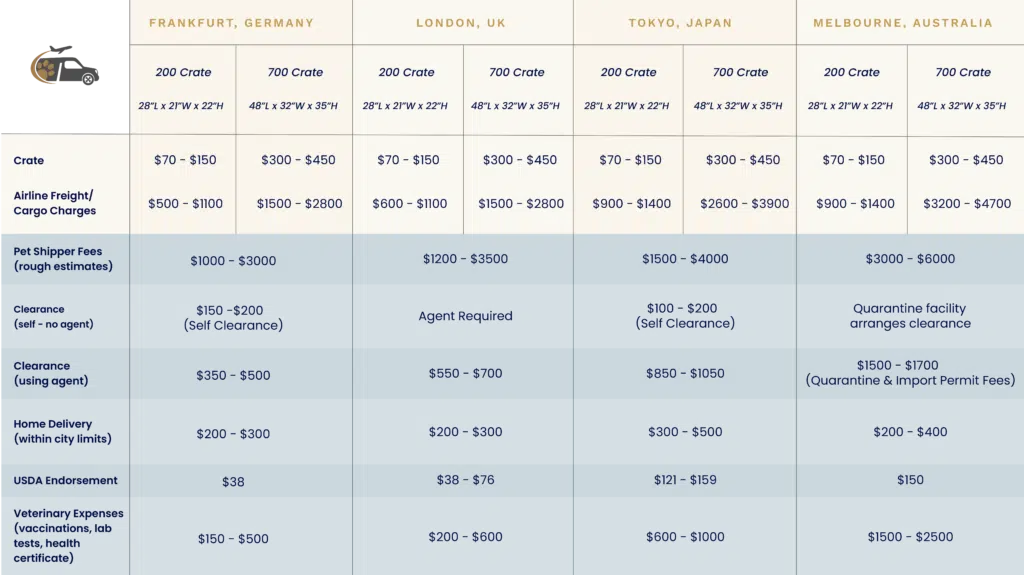
The primary expense typically comes from the airline itself. Airlines do not treat pets as standard baggage; they are often handled as cargo, requiring specialized services. Cargo fees are determined by several factors, including the dog’s size (which dictates crate size), weight (dog plus crate), and the distance of the flight. Unlike passenger tickets, pet cargo rates are dynamic and can range from a few hundred dollars for smaller dogs on domestic flights to several thousand for large breeds on international routes. These fees cover the cost of dedicated cargo space, temperature-controlled environments, and specialized handling by trained personnel. Some airlines offer an “excess baggage” option for smaller pets that can travel in the cabin or as checked baggage, which is generally less expensive but has stringent size and weight restrictions.
Crate Requirements and Costs
A safe, airline-approved travel crate (kennel) is non-negotiable for pet air travel. The International Air Transport Association (IATA) sets strict guidelines for these crates, ensuring they are adequately sized, ventilated, and structurally sound. The cost of an IATA-compliant crate varies widely based on its size and material. A small carrier might cost $50-$100, while a large, robust crate suitable for a giant breed can easily exceed $300-$500. It’s an investment, as the crate must allow the dog to stand up, turn around, and lie down comfortably. Additional costs may include water and food dishes that attach to the inside of the door, absorbent bedding, and “LIVE ANIMAL” stickers.
Veterinary Health Certificates and Examinations
Before any flight, an airline will require a health certificate issued by a licensed veterinarian. This certificate verifies that the dog is healthy enough to travel and free from contagious diseases. The cost for this examination and certificate can range from $50 to $250, depending on the vet’s rates and the complexity of the required paperwork. For international travel, additional veterinary procedures may be mandated, such as specific vaccinations (e.g., rabies titer tests), microchipping, parasite treatments, and specialized import permits, which significantly increase vet-related expenses. These procedures can accumulate to several hundred dollars, sometimes over a thousand, and often have strict timelines for completion before departure.
Factors Influencing the Total Price Tag
Beyond the core costs, several variables can significantly swing the final price of shipping a dog by plane. Understanding these variables allows for more accurate financial planning and potentially identifying areas for cost optimization.
Dog’s Size and Weight
This is perhaps the most significant determinant of airline cargo fees. Airlines typically charge based on volumetric weight (the space the crate occupies) or actual weight, whichever is greater. Larger dogs require larger, heavier crates, driving up both the cost of the crate itself and the airline’s freight charges. A Chihuahua will incur vastly different costs than a Great Dane, with the latter often costing two to three times more for the same route due to increased space requirements and handling.
Distance and Destination
The further the dog needs to travel, the higher the shipping cost. International flights, particularly those requiring multiple legs or traversing continents, will naturally be more expensive than domestic flights. Certain remote destinations or countries with complex import regulations might also incur higher fees due to limited flight options or specialized handling requirements. The specific airport can also play a role, as some major cargo hubs might offer more competitive rates.
Time of Year and Demand
Just like human travel, peak seasons can impact pet shipping costs. Holiday periods, summer months, or times of high demand for cargo space might see increased prices. Additionally, airlines impose temperature restrictions for live animal transport; during extreme summer heat or winter cold, some airlines may refuse to fly pets through certain regions or airports, potentially necessitating more expensive routes or delaying travel. This is a safety measure, but it can limit options and increase costs if rerouting is required.
Direct vs. Connecting Flights
Direct flights are generally preferred for pet safety and comfort, minimizing stress and handling. However, they can sometimes be more expensive than connecting flights, especially for less common routes. Connecting flights, while potentially cheaper, introduce risks such as missed connections, longer travel times, and additional handling, which might justify the extra cost for a direct route for the pet’s well-being. The financial trade-off here must be carefully considered.
Breed Restrictions and Special Handling
Certain dog breeds, particularly brachycephalic (short-nosed) breeds like Pugs, Bulldogs, and Persian cats, face significant restrictions or outright bans from air travel due to respiratory risks. If they are accepted, airlines often impose stricter rules or higher fees for specialized handling. Aggressive breeds may also require specific crating or additional personnel, adding to the expense. Researching breed-specific airline policies early is critical to avoid unexpected financial burdens or denied boarding.
Additional Expenses to Budget For
Beyond the direct costs associated with the flight and veterinary care, several other expenses can arise when shipping a dog by plane. Overlooking these can lead to significant budgetary shortfalls.

Pet Relocation Services
For those daunted by the logistical complexities and paperwork, hiring a professional pet relocation service can be invaluable. These companies handle everything from booking flights, arranging veterinary appointments, ensuring IATA compliance, managing customs paperwork, and even ground transportation. While they offer peace of mind and convenience, their services come at a premium, often adding $1,000 to $5,000 or more to the total cost, depending on the scope of services and destination. For complex international moves, this investment might be justified.
Sedation and Acclimation Products
While most veterinarians advise against sedating pets for air travel due to potential respiratory and cardiovascular issues at altitude, some owners might consider calming aids or supplements. The cost of these, if used, is relatively minor (e.g., $20-$100) but should be factored in. More importantly, investing in “crate training” well in advance of travel, though not a direct monetary cost, can reduce stress for the animal and prevent costly issues during travel.
Customs and Import Fees (International Travel)
International pet shipping almost invariably involves customs and import fees imposed by the destination country. These fees vary dramatically by nation and can range from negligible amounts to several hundred dollars. Researching the specific import regulations and associated duties for your destination is crucial to avoid surprises. Some countries also require specific import permits which carry their own application fees.
Ground Transportation to and from Airports
The pet won’t magically appear at the airport cargo facility. You’ll need to factor in the cost of transporting the dog and its crate to the departure airport and from the arrival airport. This could involve personal vehicle fuel costs, long-term parking fees, or the expense of hiring a specialized pet taxi or transport service, which can range from $50 to several hundred dollars depending on distance and service.
Strategies for Cost-Effective Pet Shipping
While shipping a dog by plane is never cheap, there are strategies to mitigate some of the financial burden without compromising the pet’s safety and well-being.
Researching Airline Policies and Rates
Not all airlines are created equal when it comes to pet transport. Prices, policies, and availability of services can differ significantly. Dedicate ample time to comparing multiple airlines that fly your desired route. Look beyond the initial quoted price; inquire about all potential surcharges, temperature embargoes, and specific crate requirements. Some airlines might have loyalty programs or credit card benefits that could indirectly reduce costs.
DIY vs. Professional Services
Decide whether to manage the entire process yourself or enlist a professional pet relocation service. A DIY approach will undoubtedly save on service fees but demands a significant investment of time, meticulous attention to detail, and a thorough understanding of IATA regulations, airline policies, and destination country import laws. For simple domestic moves, DIY is often feasible and cost-effective. For complex international relocations, the peace of mind and expertise offered by a professional service might justify the higher price tag, preventing costly mistakes or delays.
Early Planning and Booking
Procrastination can be costly. Booking flights well in advance can sometimes secure better rates and ensure availability of cargo space, especially for larger pets or popular routes. Early planning also provides ample time to complete all veterinary requirements, which often have strict deadlines (e.g., specific vaccination windows, waiting periods after treatments). Rushing can lead to expedited vet fees or last-minute changes that incur additional charges.
Exploring Alternative Travel Methods
While the article focuses on plane travel, it’s worth a quick financial consideration of alternatives for certain situations. For shorter distances, professional ground transport services can sometimes be a safer and less stressful option, potentially at a comparable or even lower cost, especially if multiple pets are traveling. However, for long distances or international moves over water, air travel is often the only practical solution, making careful financial planning even more critical.
The Value Proposition: Is it Worth the Investment?
The decision to ship a dog by plane often boils down to balancing significant financial outlay with the immense emotional value of your companion. It’s a question of prioritizing the pet’s welfare and your peace of mind against the costs incurred.
Safety and Well-being Considerations
The financial investment in proper airline-approved crates, comprehensive veterinary checks, and potentially direct flights is directly tied to the safety and comfort of your pet. Cutting corners on these aspects to save money can lead to distress for the animal, health complications, or even denial of boarding. Ensuring your pet is fit to fly and travels under the best possible conditions should always be the priority, even if it means a higher financial commitment.
Peace of Mind vs. Financial Strain
Ultimately, the “cost” of shipping a dog by plane isn’t just a monetary figure; it includes the emotional investment. For many, the peace of mind that comes from knowing their beloved companion is traveling safely and will be reunited with them at their new destination is invaluable. While the financial strain can be significant, especially for large breeds or international moves, carefully planned budgeting and an understanding of all potential expenses can help make this necessary journey a successful and rewarding investment in your pet’s continued companionship.
aViewFromTheCave is a participant in the Amazon Services LLC Associates Program, an affiliate advertising program designed to provide a means for sites to earn advertising fees by advertising and linking to Amazon.com. Amazon, the Amazon logo, AmazonSupply, and the AmazonSupply logo are trademarks of Amazon.com, Inc. or its affiliates. As an Amazon Associate we earn affiliate commissions from qualifying purchases.