
Navigating the world of airline loyalty programs can be a complex endeavor, particularly when contemplating the direct purchase of miles. For many travelers, American Airlines’ AAdvantage program represents a gateway to dream vacations, upgrades, and substantial savings on airfare. However, the decision to buy AAdvantage miles is not one to be taken lightly; it’s a nuanced financial move that requires careful consideration of costs, value, and strategic utility. This guide delves into the economics of purchasing American Airlines miles, offering insights to help you determine if, and when, it’s a financially prudent decision.
Understanding the Cost of AAdvantage Miles
The first step in evaluating a mile purchase is to understand the raw cost. American Airlines, like most carriers, sells its miles directly to consumers, but the price is rarely fixed and can vary significantly based on promotions, quantity purchased, and the presence of additional fees.
The Standard Purchase Price
Typically, American Airlines sells AAdvantage miles at a base rate of approximately 3.5 cents per mile, prior to taxes and fees. This standard rate applies to purchases made directly through the AAdvantage program’s “Buy, Gift, & Transfer Miles” portal. For instance, buying 1,000 miles at this rate would cost $35. While this might seem straightforward, it’s crucial to remember that this is often just the starting point and rarely the price you should aim to pay. Paying 3.5 cents per mile is almost universally a poor financial decision, as the inherent value of a mile, even for premium redemptions, rarely exceeds this threshold.
Identifying Promotional Offers and Discounts
The true strategic value of buying AAdvantage miles often emerges during promotional periods. American Airlines frequently runs sales, offering bonus miles or percentage discounts on purchases. These promotions can significantly reduce the effective cost per mile. Common offers include:
- Bonus Miles: You might receive a 50% bonus on miles purchased, effectively lowering your cost per mile by a third. For example, if you buy 10,000 miles and get 5,000 bonus miles, you’re getting 15,000 miles for the price of 10,000.
- Tiered Bonuses: Some promotions offer escalating bonuses based on the quantity purchased. Buying a larger block of miles might unlock a higher bonus percentage, further reducing the per-mile cost.
- Discounted Price: Occasionally, AA will offer a direct percentage discount on the purchase price, such as 20% off all mile purchases.
These promotions can bring the cost per mile down to a range of 2.0 to 2.5 cents, and sometimes even lower, making the proposition far more attractive. Savvy travelers always wait for such promotions before considering a purchase.
Taxes and Fees: The Hidden Costs
A critical aspect often overlooked when calculating the cost of miles is the additional taxes and processing fees. American Airlines typically partners with a third-party vendor (often Points.com) for mile transactions. This vendor often charges a 7.5% federal excise tax on top of the purchase price. Some states may also impose additional taxes. Furthermore, processing fees, while sometimes waived during promotions, can add a small fixed or percentage amount to your total. Always ensure you look at the final price displayed before confirming a purchase to accurately calculate your effective cost per mile. For example, if you see a promotional price of 2.2 cents per mile, adding the 7.5% tax might push the effective cost closer to 2.36 cents per mile.
Comparing Per-Mile Value: Is it Worth It?
The ultimate financial question is whether the cost of buying miles justifies the value of the redemption you plan to make. A good rule of thumb for American Airlines AAdvantage miles is to aim for a redemption value of at least 1.5 to 2.0 cents per mile, and ideally higher for premium travel. If you’re buying miles at 2.5 cents per mile and can only redeem them for a flight that would cost 1.5 cents per mile in cash, you’re effectively losing money. Conversely, if you purchase miles at 2.0 cents each during a promotion and use them for a business class flight that would have cost 5.0 cents per mile if purchased with cash, you’ve made a financially astute move. Always perform a quick calculation: (Cash Price of Flight / Miles Required) = Cents Per Mile Redemption Value.
When Does Buying AAdvantage Miles Make Financial Sense?
While generally not recommended as a primary strategy for accumulating miles, there are specific scenarios where purchasing AAdvantage miles can be a financially sound decision. These typically revolve around filling a deficit for a high-value redemption or capitalizing on exceptional deals.
To Top Up for an Award Redemption
One of the most common and justifiable reasons to buy miles is when you are just shy of the required amount for a desired award flight. If you need, say, 10,000 more miles to book a long-haul international business class flight that would otherwise cost thousands of dollars, buying those few miles at even a slightly elevated price can still represent a significant saving compared to paying the cash fare. This is especially true if you’ve found a fantastic award availability and don’t have time to earn the remaining miles through other means.
Leveraging High-Value Award Sweet Spots
Certain AAdvantage redemptions offer outsized value, known as “sweet spots.” These often involve booking premium cabins on partner airlines (like Qatar Airways Qsuites, Japan Airlines First Class, or Etihad Airways Business/First Class before their partnership changes). If you can acquire miles at a low cost (e.g., 2 cents per mile during a promotion) and redeem them for a flight that would otherwise cost 5-10 cents per mile in cash, buying miles becomes an exceptionally good deal. Researching these sweet spots and having a specific redemption in mind before purchasing miles is key.
Capitalizing on Steep Discounts
Only consider buying miles when American Airlines is running a significant promotion that brings the effective cost per mile down substantially (e.g., below 2.0 cents, ideally closer to 1.5-1.8 cents). At these rates, the margin for profitable redemption widens, making it easier to extract more value than you paid. Without a compelling discount, the likelihood of a positive return on your investment diminishes significantly.
Avoiding Last-Minute Cash Fares
Sometimes, life throws a curveball, and you need to book a flight on short notice. Last-minute cash fares, particularly for international routes or business travel, can be exorbitant. If award availability exists and the mileage requirement is reasonable, purchasing miles to book that award ticket can often be considerably cheaper than paying the dynamic cash price. This is a tactical move for urgent travel where flexibility is limited.
Alternatives to Directly Purchasing Miles
Before resorting to buying miles, it’s crucial to explore the many other, often more cost-effective, ways to accumulate American Airlines AAdvantage miles. These methods are typically more financially efficient and should be prioritized.
Earning Miles Through Credit Card Spend

The most prolific way to earn AAdvantage miles is through co-branded American Airlines credit cards. Cards like the Citi / AAdvantage Platinum Select World Elite Mastercard or the AAdvantage Aviator Red World Elite Mastercard offer substantial sign-up bonuses (often 50,000-75,000 miles after meeting minimum spend requirements) and earn 1-2 miles per dollar on everyday purchases. Using these cards strategically for your regular spending can quickly build up a significant mile balance at no direct cost beyond annual fees (which can often be offset by card benefits).
Transferring Points from Credit Card Partners
While American Airlines doesn’t have as many transferable credit card partners as some other airlines, there are still options. Marriott Bonvoy points can be transferred to AAdvantage at a 3:1 ratio, with a bonus of 5,000 miles for every 60,000 Bonvoy points transferred. Although not the most efficient transfer, it can be useful for topping off an account if you have a surplus of Marriott points. Additionally, Capital One miles can be transferred to AAdvantage at a 1:1 ratio.
Shopping Portals and Dining Programs
American Airlines offers its own AAdvantage eShopping portal and AAdvantage Dining program. By simply clicking through the shopping portal before making online purchases with participating retailers, you can earn bonus miles per dollar spent, often stacking with credit card rewards. Similarly, linking your credit cards to the dining program allows you to earn miles automatically when dining at participating restaurants. These are passive ways to accumulate miles without changing your spending habits.
Flying American Airlines and Partners
The traditional method of earning miles is, of course, by flying. When you fly on American Airlines or any of its Oneworld alliance partners (e.g., British Airways, Cathay Pacific, Qatar Airways, Japan Airlines), you earn AAdvantage miles based on the fare class and distance flown (or revenue-based on AA flights). While this is a slower accumulation method for infrequent travelers, it remains a core component of mile earning for loyalists.
The Pitfalls and Considerations Before Buying Miles
Despite the potential upsides, purchasing airline miles carries inherent risks and important considerations that can impact the financial viability of your decision. A thorough understanding of these factors is crucial.
Devaluation Risk: A Constant Threat
Airline loyalty programs are constantly evolving, and often not in favor of the consumer. Mile devaluations, where the number of miles required for a given award increases, are a recurring phenomenon. If you buy a large stash of miles, there’s always a risk that their value could diminish before you have a chance to redeem them. This makes it advisable to only buy miles with a specific, imminent redemption in mind, rather than for speculative future use.
Expiration Policies and Account Activity
American Airlines AAdvantage miles typically expire after 24 months of inactivity. While there are numerous ways to keep your account active (e.g., earning or redeeming even a small number of miles, using an AAdvantage credit card), if you purchase miles and then forget about them, you risk losing your entire investment. Always be aware of your account’s activity and expiration date.
Opportunity Cost: What Else Could You Do with the Money?
Every dollar spent on buying miles is a dollar that could be used elsewhere. Could that money be better invested, saved for an emergency, or used to directly purchase a cheaper cash ticket? For example, if you spend $500 on miles to save $600 on a flight, that’s a net gain. But if you spend $500 on miles to save only $400, you’ve lost $100. Always consider the alternative uses of your capital.
Minimum Purchase Requirements and Transaction Limits
American Airlines typically imposes minimum purchase requirements (e.g., 2,000 miles) and maximum annual purchase limits (e.g., 150,000 miles before bonuses). While these limits rarely affect most individuals, they are worth noting. More importantly, the tiered pricing structure during promotions often means that buying larger blocks of miles yields a better per-mile rate, pushing consumers to spend more than they might initially need. Resist the temptation to overbuy just for a marginally better rate if you don’t have an immediate, high-value redemption in mind.
Maximizing Value: A Strategic Approach to AAdvantage Miles
To truly benefit from American Airlines AAdvantage miles, whether earned or purchased, a strategic and informed approach to financial planning and travel hacking is essential.
Define Your Redemption Goal First
Never buy miles speculatively. Before you even consider purchasing, identify the specific flight you want to book, check award availability, and confirm the number of miles required. This ensures your purchase is targeted and reduces the risk of having a large mile balance without a clear use case. This disciplined approach is fundamental to making a financially sound decision.
Monitor Promotions Actively
Sign up for American Airlines’ email alerts and follow prominent points and miles blogs. These resources will notify you of any significant mile purchase promotions. Patience is a virtue in this realm; waiting for a compelling discount can save you hundreds of dollars and dramatically improve the value proposition of your purchase.
Diversify Your Mile Earning Strategy
Relying solely on purchasing miles is an expensive and inefficient strategy. Instead, cultivate a diverse earning strategy that combines co-branded credit cards, transferable points, shopping portals, dining programs, and actual flying. This multi-faceted approach builds your mileage balance organically and cost-effectively, reserving mile purchases only for crucial top-ups or exceptional promotional deals.
Understand the AAdvantage Program Nuances
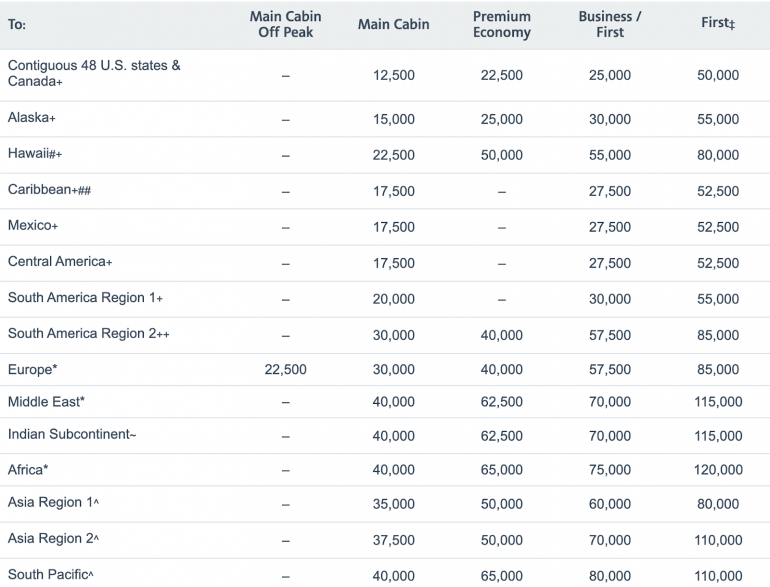
The AAdvantage program has its quirks. Award charts (though dynamic for AA’s own flights, still published for partners), routing rules, stopover policies, and partner redemption values are constantly changing. Investing time in understanding these nuances will empower you to find the best redemptions and extract maximum value from your miles, regardless of how they were acquired. A well-informed traveler is a financially savvy traveler.
In conclusion, buying American Airlines miles is a tool in the arsenal of a financially astute traveler, not a default strategy. When executed with precision – during strong promotions, for specific high-value redemptions, and after exhausting other earning methods – it can unlock significant travel savings. However, without careful analysis of costs, potential value, and associated risks, it can quickly become an expensive mistake. Treat it as a financial investment, and do your due diligence.
aViewFromTheCave is a participant in the Amazon Services LLC Associates Program, an affiliate advertising program designed to provide a means for sites to earn advertising fees by advertising and linking to Amazon.com. Amazon, the Amazon logo, AmazonSupply, and the AmazonSupply logo are trademarks of Amazon.com, Inc. or its affiliates. As an Amazon Associate we earn affiliate commissions from qualifying purchases.