
When navigating the world of personal finance and discretionary spending, few retail experiences offer as much psychological complexity as Build-A-Bear Workshop. For parents, collectors, and gift-givers, the question “how much does it cost?” is rarely answered by a single sticker price. Instead, the Build-A-Bear model is a masterclass in tiered pricing, experiential marketing, and the “add-on” economy.
Understanding the true cost of building a bear requires more than a glance at a price tag; it requires an analysis of the base unit costs, the high-margin upsells, and the long-term value of the experience versus the physical product.
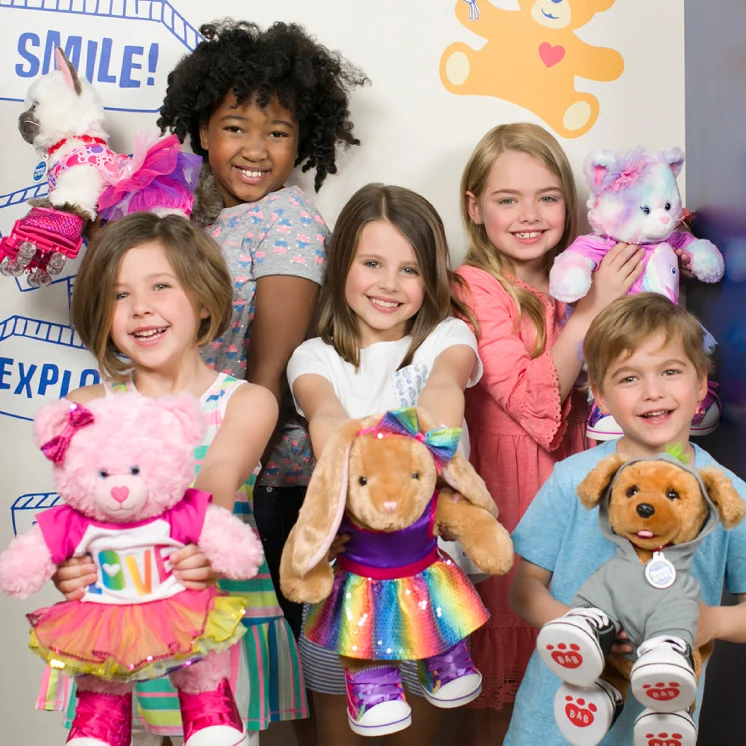
The Base Cost: Analyzing Entry Points and Standard Pricing
The financial journey of building a customized plush begins with the “skin”—the unstuffed shell of the animal. Build-A-Bear utilizes a wide pricing spectrum to ensure accessibility for various budget levels while simultaneously anchoring higher price points for premium items.
Plush Selection and Price Tiers
At the most basic level, a standard teddy bear or animal usually starts around $14 to $20. These are typically the “classic” designs—bears with simple fur textures and standard features. For a budget-conscious consumer, these entry-level options provide the full “heart ceremony” and stuffing experience without the premium surcharge associated with branded intellectual property.
Mid-tier options generally range from $22 to $35. These often include animals with more intricate designs, such as multicolored fur, specialized patterns, or soft-sculpted features. The price increase here reflects both the material cost and the perceived aesthetic value.
Licensed IP and Premium Surcharges
The high-end tier is dominated by licensed characters. When a consumer chooses a plush from franchises like Disney, Star Wars, Marvel, or Pokémon, the base price frequently jumps to $35 or $50 before a single accessory is added. From a business finance perspective, this covers the licensing royalties paid to the parent corporations. For the consumer, this represents a significant “brand tax” that must be factored into the total budget.
The Hidden Extras: Budgeting for the Full Experience
The core of Build-A-Bear’s financial success lies in the “walk-through” sales funnel. Once the base plush is selected, the customer is guided through a series of stations designed to increase the average transaction value (ATV).
Clothing and Accessories
Rarely does a plush leave the store “naked.” The clothing department is where the majority of the total cost is often hidden. A basic t-shirt might cost $7, but a full outfit—including a dress, jacket, and leggings—can easily reach $20 to $25.
Footwear and headgear further inflate the cost. Tiny sneakers or boots typically retail for $8 to $12 per pair. To the casual shopper, $10 seems like a small amount, but when compared to the $18 base price of the bear, it represents a nearly 60% increase in the total investment for just one accessory.
Sounds, Scents, and Technology Add-ons
Modern experiential retail relies heavily on multisensory upgrades. Build-A-Bear offers “scents”—small discs placed inside the bear—for approximately $4 to $5. Sound chips, which can play pre-recorded phrases or a custom 10-second voice message, range from $5 to $12.
From a margin perspective, these items are incredibly lucrative for the company. They occupy minimal shelf space and have high perceived value for the customer, despite low manufacturing costs. For the consumer’s wallet, these “invisible” upgrades can turn a $20 bear into a $40 bear before the stuffing process is even complete.
The “Heart” of the Matter: Premium Hearts and Carrying Cases
While the standard fabric heart is included in the base price, the workshop often offers premium “beating hearts” or glowing hearts for an additional $5 to $8. Furthermore, the iconic cardboard “condo” or carrying box, while sometimes included in promotions, may occasionally be replaced by premium reusable backpacks or travel carriers priced between $5 and $15.
Maximizing Value: Smart Spending Strategies for Families
For those who view Build-A-Bear as a necessary ritual for birthdays or holidays, there are several ways to mitigate the financial impact through strategic planning and loyalty programs.

Loyalty Programs and “Pay Your Age” Promotions
The most famous financial entry point for the brand is the “Count Your Candles” program. As part of the Build-A-Bear Bonus Club, children can “pay their age” for a specific Birthday Treat Bear during their birthday month. For a three-year-old, this reduces the base cost of the bear to just $3.
From a personal finance standpoint, this is a loss-leader strategy for the company. They draw the consumer into the store at a deep discount, knowing that the average parent will still spend $20+ on accessories to complete the look. The savvy consumer can maximize value by utilizing this promotion and strictly limiting add-ons.
Gift Card Arbitrage and Online Deals
Another way to lower the effective cost is through gift card optimization. Major retailers like Costco or Sam’s Club often sell Build-A-Bear gift cards at a discount (e.g., $100 worth of cards for $75 or $80). By purchasing these in advance, a family can lock in a 20% to 25% discount on their entire in-store experience.
Additionally, the Build-A-Bear website frequently runs “Online Exclusive” sales where bundles—including the bear, an outfit, and a sound—are sold for a flat rate that is significantly lower than the individual components’ prices in-store.
The Business Perspective: Why the Pricing Model Works
To understand why a bear costs what it does, one must look at the overhead of experiential retail. Unlike a traditional toy store where products sit on a shelf, Build-A-Bear provides a labor-intensive service.
Upselling as an Art Form
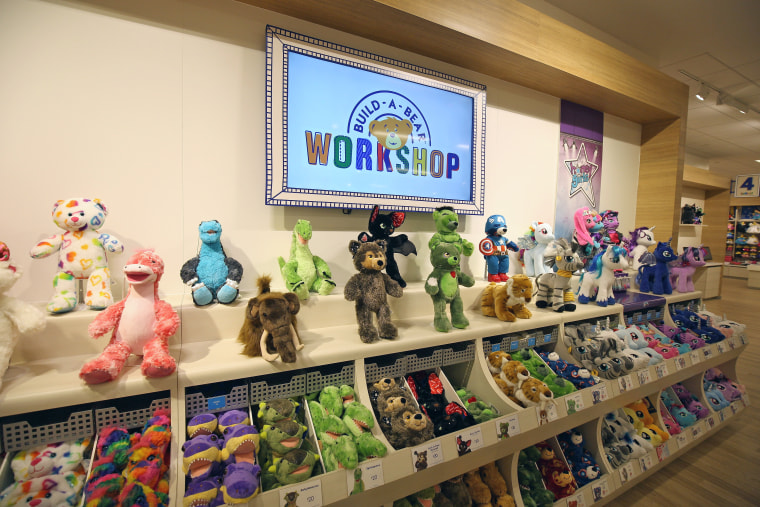
The store layout is a physical representation of a sales funnel. Every step—from the “Choose Me” station to the “Fluff Me” station—is designed to create an emotional bond between the customer and the product. This emotional investment makes price sensitivity drop. When a child has spent 15 minutes “bringing a bear to life,” the parent is much less likely to say “no” to an $8 pair of shoes at the final checkout.
This is a classic example of the “IKEA effect,” where consumers place a disproportionately high value on products they partially created. The labor the customer provides actually allows the brand to charge a premium rather than offer a discount.
High Margin vs. High Experience
The cost of goods sold (COGS) for a plush animal is relatively low. The true “cost” the company is covering is the real estate (typically high-traffic malls) and the staffing required to guide every customer through the process. By pricing the base plush competitively and the accessories aggressively, the company ensures that even low-budget customers can participate, while “whales” or high-spending customers can easily spend $100 or more on a single customized item.
The Secondary Market and Investment Value
While most Build-A-Bears are purchased as toys, there is a legitimate secondary market that impacts the perceived value and “cost” of the items. Certain retired bears, specifically those from limited-edition collaborations (like the early Swarovski crystal bears or specific Sanrio releases), can appreciate in value.
Collectibility as a Financial Justification
For adult collectors, the “cost” is often viewed as an investment. A $50 limited-edition bear might resell for $150 a year later if the production run was small enough. However, from a sound financial planning perspective, treating plush toys as a primary investment vehicle is risky. The value is driven entirely by nostalgia and scarcity, which can fluctuate wildly.
The Cost of Durability
In terms of “cost per play,” Build-A-Bear generally scores well. The company offers a “Bear Repair” service (though terms vary), and the quality of the stitching and materials is typically higher than mass-market plush found at big-box retailers. For a parent, paying $30 for a bear that lasts five years is often more financially sound than paying $10 for a generic plush that falls apart in six months.
Final Economic Summary of the Build-A-Bear Experience
In summary, the cost to build a bear is a variable figure that depends entirely on the consumer’s ability to navigate the “up-sell alley.”
-
The Budget Experience: $14 – $20 (Base bear, no accessories).
-
The Average Experience: $35 – $50 (Mid-tier bear, one outfit, one sound/scent).
-
The Premium Experience: $80 – $120 (Licensed character, full outfit, footwear, sound, scent, and carrying case).
By understanding these tiers, consumers can set a budget before entering the store, ensuring that the emotional joy of the experience isn’t overshadowed by a surprising credit card statement. Whether viewed as a marketing marvel or a cherished childhood tradition, Build-A-Bear remains a fascinating study in the intersection of emotion and economics.
aViewFromTheCave is a participant in the Amazon Services LLC Associates Program, an affiliate advertising program designed to provide a means for sites to earn advertising fees by advertising and linking to Amazon.com. Amazon, the Amazon logo, AmazonSupply, and the AmazonSupply logo are trademarks of Amazon.com, Inc. or its affiliates. As an Amazon Associate we earn affiliate commissions from qualifying purchases.