
In an age defined by instant streaming and a myriad of home entertainment options, the allure of the silver screen continues to captivate millions. Yet, for many, the decision to visit the cinema often comes with a financial consideration: “How much will the ticket cost?” This seemingly simple question unravels into a complex web of economic factors, operational realities, and strategic pricing models. A cinema ticket is far more than just a piece of paper or a digital QR code; it’s a gateway to an experience, funded by a delicate balance of production costs, overheads, taxes, and desired profit margins. Understanding this underlying financial architecture not only sheds light on the varying prices consumers encounter but also empowers individuals to make more informed and budget-conscious entertainment choices. This article delves deep into the monetary aspects of cinema tickets, exploring the components that determine their price, the factors causing variations, strategies for saving money, and the broader financial ecosystem of a trip to the movies.
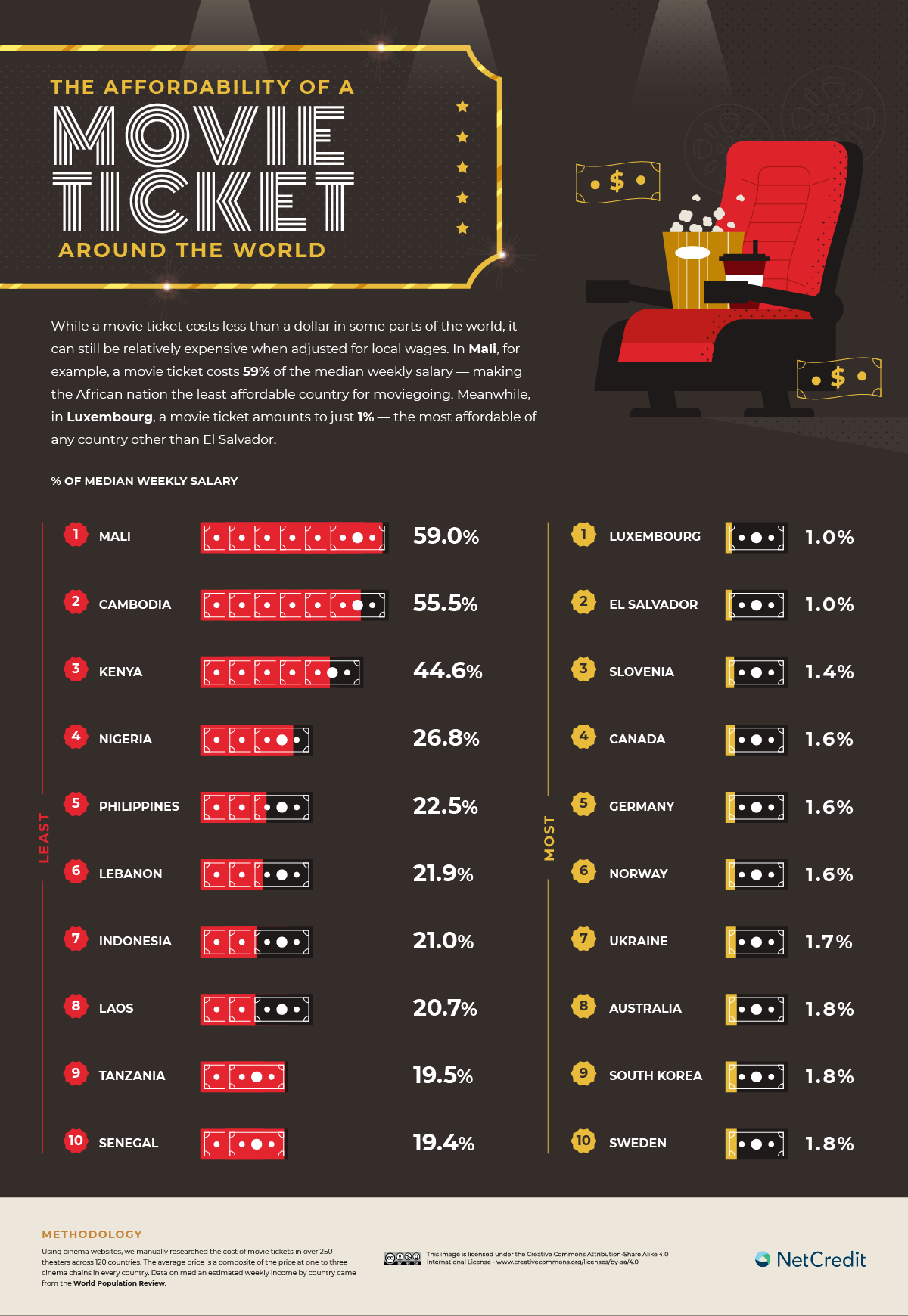
The Multi-Layered Economics Behind Your Cinema Ticket
The price you pay for a cinema ticket is a culmination of numerous financial inputs, each contributing to the final figure displayed at the box office. It’s a testament to the intricate economics of a global entertainment industry that blends creativity with commerce.
Production and Distribution Costs: The Invisible Price Tag
Before a film even reaches the projector, billions of dollars are invested in its creation. Production costs encompass everything from talent fees (actors, directors, writers), crew salaries, special effects, set design, locations, and post-production editing and sound mixing. Blockbusters, in particular, can easily run into hundreds of millions of dollars. Once a film is complete, distribution costs come into play. This includes marketing and advertising campaigns – from trailers and billboards to celebrity interviews and social media pushes – which can cost tens of millions. Physical and digital delivery of the film to thousands of cinemas worldwide also incurs significant expenses. A substantial portion of your ticket price goes towards recouping these initial massive investments, making the film’s journey from concept to screen financially viable for studios.
Operational Overheads: Keeping the Lights On (and Projectors Running)
Running a cinema is a capital-intensive business. The operational overheads are significant and directly impact ticket pricing. These include rent or mortgage payments for the physical premises, utilities (electricity for projectors, lighting, air conditioning, heating), and maintenance costs for state-of-the-art projection and sound equipment. Staff salaries – for ushers, ticket booth operators, concession stand workers, cleaners, and management – represent another major expense. Furthermore, insurance, security, and the continuous upgrade of technology to enhance the viewing experience (e.g., laser projectors, immersive sound systems) are all factored into the operational budget. These fixed and variable costs must be covered by ticket sales and other revenue streams.
Taxes and Levies: Government’s Cut
Like most goods and services, cinema tickets are subject to various taxes and levies imposed by local, regional, and national governments. These can include sales tax, value-added tax (VAT), or specific entertainment taxes. The percentage can vary significantly by jurisdiction, directly influencing the final consumer price. While these taxes don’t contribute to the cinema’s direct operational costs or the film’s production, they are a non-negotiable component of the price structure that the consumer ultimately bears. Understanding that a portion of your payment goes directly to public coffers helps demystify why prices can sometimes seem high, even before the cinema’s profit margin is considered.
Profit Margins: The Business Imperative
Ultimately, cinemas are businesses, and like any business, they aim to generate a profit. After covering all production, distribution, and operational costs, a portion of the ticket price is allocated to the cinema’s profit margin. This profit is essential for business sustainability, enabling reinvestment in upgrades, expansion, staff training, and providing a return to investors. The exact profit margin can vary based on market competition, the cinema’s business model (e.g., multiplex vs. independent art house), and strategic pricing decisions. While concessions often represent a higher-margin revenue stream, ticket sales remain the core financial engine that drives the cinema industry forward.
Navigating the Variables: Why Cinema Ticket Prices Differ Wildly
It’s a common observation that cinema ticket prices aren’t monolithic. A ticket in one city can cost significantly more or less than in another, and even within the same multiplex, prices can vary based on a multitude of factors. These variables are strategic pricing tools employed by cinemas to maximize revenue and manage demand.
Location, Location, Location: Urban vs. Suburban vs. Rural
The geographical location of a cinema plays a crucial role in its pricing strategy. Cinemas situated in prime urban centers, where real estate costs are high and foot traffic is dense, typically charge more. The higher cost of doing business in these areas—higher rent, wages, and potentially more demanding utility costs—is often passed on to the consumer. Conversely, cinemas in suburban or rural areas might offer lower prices due to reduced operational costs and a potentially less affluent or dense customer base, requiring more competitive pricing to attract patrons. Local market competition also influences this; an area with multiple cinemas might see more aggressive pricing.
Time and Day: Peak vs. Off-Peak Pricing
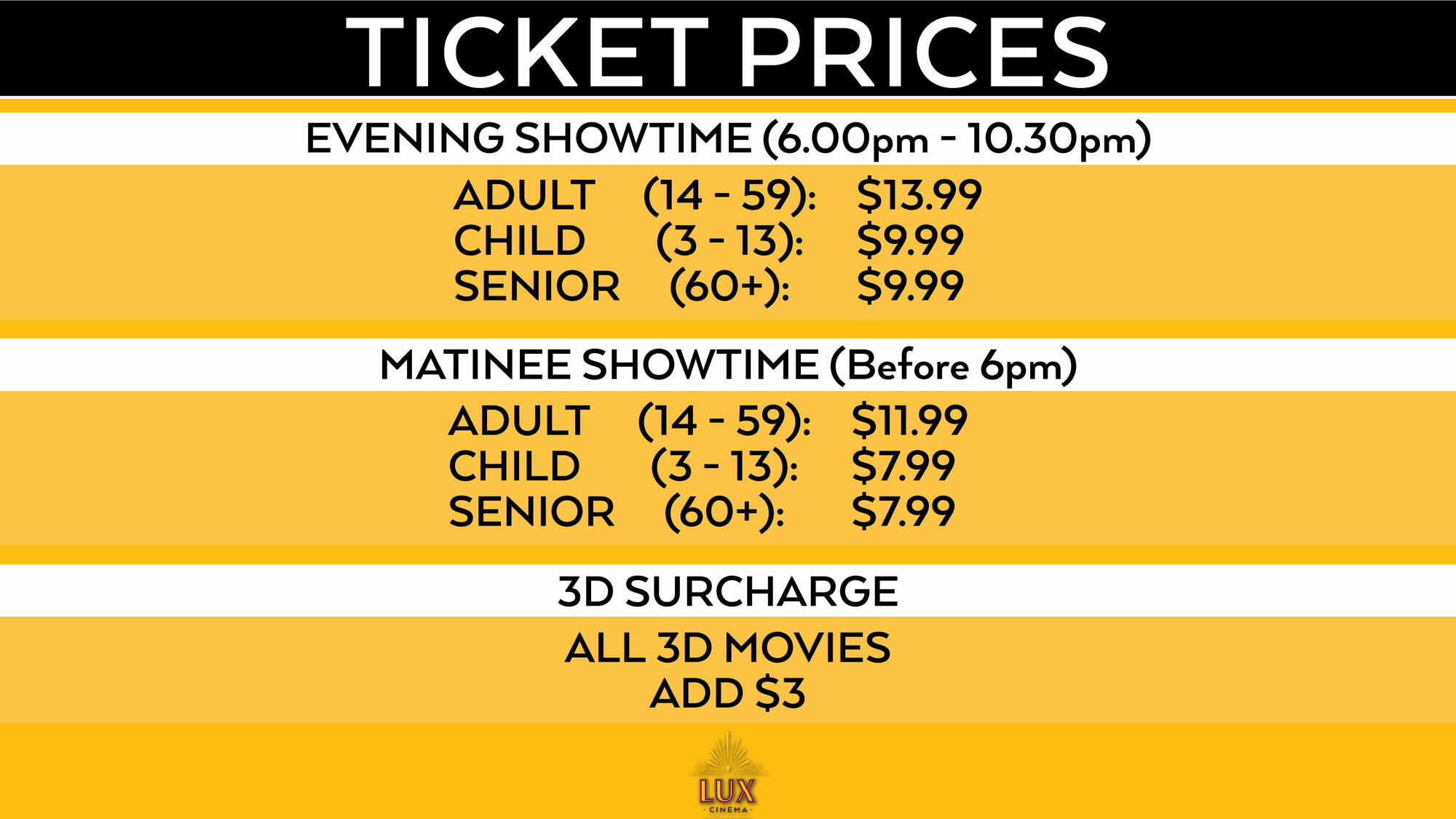
Dynamic pricing based on demand is a cornerstone of the cinema industry. Weekend evenings and public holidays are universally recognized as peak times when demand for cinema tickets is highest. Consequently, ticket prices during these periods are usually at their premium. Conversely, weekday matinee showings, early morning slots, or late-night screenings often fall into the off-peak category, where demand is lower, leading to discounted prices. This strategy helps cinemas optimize capacity utilization, encouraging attendance during quieter periods and maximizing revenue when demand is strong.
Format and Experience: Standard, 3D, IMAX, 4DX, VIP
The type of viewing experience significantly impacts the ticket price. A standard 2D screening is typically the baseline. However, premium formats command higher prices due to the enhanced technology and immersive experience they offer. 3D screenings, for instance, incur an additional cost for the specialized projection and eyewear. IMAX, with its larger screens, superior sound systems, and often higher resolution, presents a significant upgrade, reflected in a steeper ticket price. Ultra-luxury formats like 4DX (which incorporates motion seats, wind, water, and scents) or VIP screens (offering reclining seats, in-seat dining, and premium amenities) represent the highest tier of pricing, targeting patrons willing to pay a premium for an elevated experience.
Age and Status Discounts: Tailored Pricing Strategies
To cater to diverse demographics and encourage broader accessibility, most cinemas offer a range of discounted tickets. Children, students, and seniors are common beneficiaries of reduced rates, acknowledging their potentially limited disposable income or specific entertainment needs. Military personnel, emergency services workers, or loyalty program members may also qualify for special pricing. These targeted discounts are not just a social service; they are a strategic marketing tool to expand the customer base, fill seats that might otherwise remain empty, and foster goodwill within the community.
Chain vs. Independent Cinemas: Economies of Scale and Niche Appeal
The ownership structure of a cinema can also influence its pricing. Large national or international cinema chains (e.g., AMC, Cinemark, Vue, Odeon) benefit from economies of scale. They can negotiate bulk deals for film licensing, equipment, and concessions, potentially allowing them to offer competitive prices, or conversely, leverage their market dominance for premium pricing. Independent cinemas, on the other hand, often operate with smaller budgets and might have higher per-unit costs for film acquisition. However, they frequently differentiate themselves through unique programming, niche films, or a more curated, boutique experience, sometimes leading to slightly higher or more specialized pricing to reflect their unique value proposition and cover their distinct operational model.
Smart Spending: Practical Strategies to Economize Your Cinema Experience
While the cost of a cinema ticket might seem largely out of the consumer’s control, there are numerous practical strategies individuals can employ to significantly reduce their spending without compromising on the enjoyment of the big screen. Being financially savvy about cinema visits can make the experience more accessible and sustainable.

Loyalty Programs and Subscriptions: Maximizing Membership Value
Many major cinema chains offer loyalty programs that reward frequent visitors. These programs often provide points for every dollar spent, which can be redeemed for free tickets, discounted concessions, or exclusive access to previews. Some cinemas also offer subscription models (e.g., AMC Stubs A-List, Cineworld Unlimited) where, for a fixed monthly fee, members can watch a certain number of films (or even unlimited films) per month. For avid moviegoers, these subscriptions can lead to substantial savings, making the per-film cost negligible after just a few visits.
Early Bird and Matinee Specials: Timing Your Visit
As discussed, demand-based pricing means that certain times are less expensive. Taking advantage of early bird specials for the first showings of the day or matinee prices for afternoon screenings can yield significant savings. These slots, typically before 5 PM on weekdays, often have considerably lower ticket prices compared to prime evening hours. Adjusting your viewing schedule, if possible, is one of the easiest ways to cut costs.
Package Deals and Bundles: Combating Concession Costs
While the ticket price is a primary concern, the cost of concessions (popcorn, drinks, candy) can often inflate the total outlay of a cinema trip. Many cinemas offer package deals that bundle a ticket with a popcorn and drink combo at a reduced price compared to buying each item separately. Looking out for these bundles, or even considering sharing a larger combo with a companion, can help manage the overall expense of the outing.
Off-Peak and Discount Days: Strategic Scheduling
Beyond matinees, many cinemas designate specific days or evenings as “discount days” where all tickets are offered at a reduced price, regardless of the showtime. These are typically weekdays, such as “Tuesday Bargain Nights” or “Wacky Wednesday” promotions. Planning your cinema visit around these promotional days can lead to substantial savings, often making a significant difference to your budget, especially when attending with family or friends.
Leveraging Third-Party Discounts and Vouchers
A wide array of external sources can offer discounts on cinema tickets. These might include corporate benefits programs, credit card rewards, mobile network provider perks, student discount platforms, or group buying websites. Keep an eye out for these opportunities, as they can often provide codes, vouchers, or direct discounts that can be applied at the cinema box office or online. Some retail stores or grocery chains might also offer cinema gift cards at a slight discount, providing a small but welcome saving.
Beyond the Ticket: The Full Financial Picture of a Cinema Outing
Focusing solely on the ticket price can give an incomplete picture of the actual financial commitment involved in a cinema visit. A truly comprehensive understanding of “how much the ticket costs” requires factoring in all associated expenses that contribute to the overall experience.
Concessions: The High-Margin Profit Engine
For most cinemas, concessions (popcorn, soda, candy, hot dogs) are not just an ancillary service but a critical high-margin profit driver. While a ticket sale might involve revenue sharing with distributors, concession sales largely remain with the cinema, offering significantly higher profit margins than tickets. This is why prices for food and drinks inside a cinema can seem exorbitant compared to retail stores. A family of four might find their concession bill easily matching or even exceeding the cost of their tickets, dramatically increasing the total expenditure of their cinema outing. Being mindful of these costs, perhaps by eating beforehand or bringing permissible snacks (where allowed), can drastically impact the overall financial burden.
Transportation and Parking: Hidden Costs
The journey to and from the cinema also carries a financial weight. For those driving, petrol costs and parking fees can add a considerable amount to the bill, especially in urban areas with expensive multi-story car parks. Public transport users will incur bus, train, or subway fares. Even ride-sharing services, while convenient, come with their own price tag. These often-overlooked expenses accumulate, transforming a seemingly affordable ticket price into a much larger total outlay. Calculating these auxiliary costs beforehand is essential for a realistic budget assessment.
The Opportunity Cost: What Else Could That Money Buy?
In economics, opportunity cost refers to the value of the next best alternative that was not taken. When you spend money on a cinema ticket (and its associated costs), you’re foregoing the ability to spend that money elsewhere. For the average cost of a cinema ticket and concessions, one could potentially rent several movies online, subscribe to a streaming service for a month, buy a book, enjoy a less expensive home-cooked meal, or save it towards a larger financial goal. While the cinema experience offers unique value, considering its opportunity cost allows for a more holistic financial perspective, encouraging conscious spending decisions.
The Evolving Financial Model: Adapting to Modern Entertainment Consumption
The financial landscape of the cinema industry is in constant flux, pressured by technological advancements, shifting consumer habits, and novel competitive threats. The “how much” question for a cinema ticket is not static but rather an ongoing negotiation with market forces.
Streaming Wars and Subscription Models: A New Competitive Landscape
The rise of streaming giants like Netflix, Disney+, Amazon Prime Video, and HBO Max has fundamentally altered the entertainment industry. These platforms offer vast libraries of content, including new releases, for a relatively low monthly subscription fee, providing immense convenience and value from the comfort of one’s home. This fierce competition puts pressure on cinemas to justify their premium pricing, especially for films that are simultaneously released or quickly made available on streaming services. Cinemas must continuously innovate their offerings and emphasize the unique communal, immersive, and escapist qualities of the big screen experience to maintain their competitive edge and sustain their pricing power.
Dynamic Pricing and AI: The Future of Ticket Costs
The trend towards dynamic pricing, already evident with peak/off-peak rates, is likely to become even more sophisticated with the integration of artificial intelligence and advanced analytics. AI algorithms can analyze real-time demand, weather conditions, local events, social media sentiment, and even individual purchasing histories to optimize ticket prices. This could lead to hyper-personalized pricing or even more granular adjustments based on specific showtimes, seat locations, or even predicted popularity of a film, further complicating the “how much” question for consumers but potentially maximizing revenue for cinemas.
The Value Proposition: Justifying the Premium Price
Ultimately, the long-term viability of cinema ticket pricing hinges on its perceived value proposition. As home entertainment systems become more advanced and streaming offers unparalleled convenience, cinemas must consistently deliver an experience that justifies the premium cost. This involves not only showcasing compelling films but also investing in state-of-the-art technology, comfortable seating, impeccable customer service, and a unique atmosphere that cannot be replicated at home. For many, the collective experience of watching a film on a massive screen with powerful sound, devoid of household distractions, remains invaluable, ensuring that despite the costs, the magic of the cinema continues to draw crowds.
In conclusion, the price of a cinema ticket is a complex financial construct, influenced by a myriad of factors from global production budgets and local operational costs to governmental taxes and strategic pricing. While the “how much” can seem daunting at times, understanding these underlying mechanics empowers consumers to make informed choices, leverage available discounts, and enjoy the unparalleled magic of the movies without breaking the bank. The evolving entertainment landscape will continue to shape these costs, but the enduring allure of the shared big-screen experience ensures that cinema tickets, and the financial decisions behind them, will remain a pertinent topic for consumers and industry alike.
aViewFromTheCave is a participant in the Amazon Services LLC Associates Program, an affiliate advertising program designed to provide a means for sites to earn advertising fees by advertising and linking to Amazon.com. Amazon, the Amazon logo, AmazonSupply, and the AmazonSupply logo are trademarks of Amazon.com, Inc. or its affiliates. As an Amazon Associate we earn affiliate commissions from qualifying purchases.