
Retirement planning is a cornerstone of financial security, and for many Americans, Social Security benefits form a significant portion of their post-career income. Understanding how much you can expect to receive is crucial for making informed decisions about when to retire, how to manage your savings, and what your lifestyle in retirement might look like. Age 67 holds a particular significance for a large cohort of the population, as it represents the Full Retirement Age (FRA) for those born in 1960 or later. This article delves into the intricacies of Social Security benefits, specifically addressing what individuals can expect when claiming at age 67, and how to integrate this vital income stream into a comprehensive retirement strategy.
Understanding Your Full Retirement Age (FRA)
The concept of Full Retirement Age (FRA) is fundamental to Social Security benefits. It’s the age at which you are entitled to receive 100% of your primary insurance amount (PIA) – the benefit calculated based on your earnings history. Claiming benefits before your FRA results in a permanent reduction, while delaying beyond your FRA can lead to higher monthly payments.
What is Full Retirement Age (FRA)?
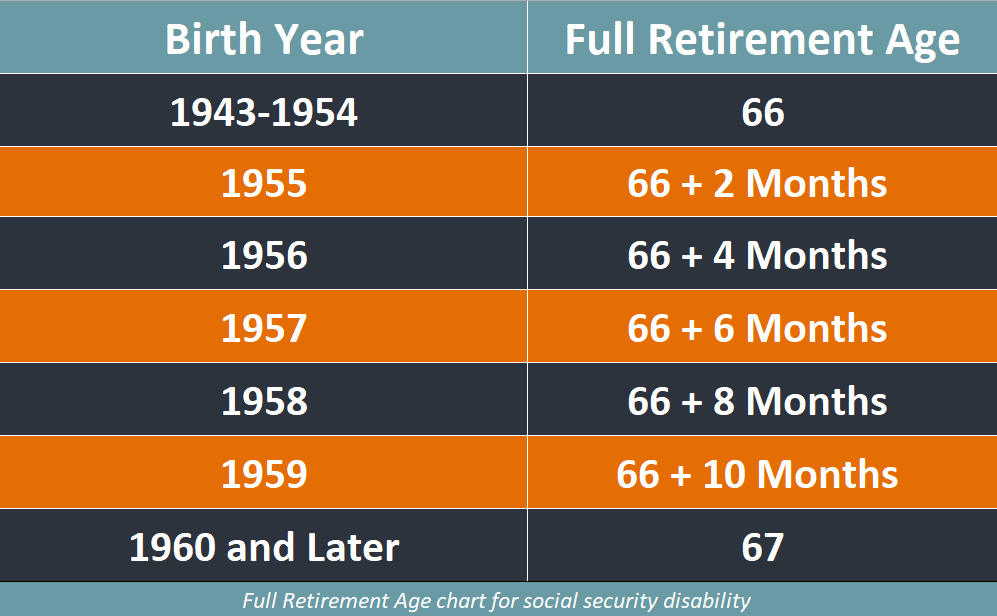
For those born between 1943 and 1954, FRA was 66. For every birth year thereafter, FRA gradually increases by a few months until it reaches 67 for individuals born in 1960 or later. This incremental increase was legislated to ensure the long-term solvency of the Social Security system amidst changing demographics and increased life expectancies. If you were born in 1960 or any year after, your Full Retirement Age is precisely 67. This means that claiming your Social Security benefits at this age will provide you with 100% of the benefit amount you’ve earned based on your work history.
Why Age 67 is Significant for Many
For a growing number of retirees, age 67 is the new benchmark for receiving their full, unreduced Social Security benefits. This is a critical piece of information for anyone planning their retirement, as it dictates the base amount they can expect before any adjustments for early or delayed claiming. Understanding your FRA is not just an administrative detail; it’s a strategic waypoint in your retirement journey. It impacts decisions about when to stop working, when to apply for benefits, and how to coordinate Social Security with other retirement income sources like 401(k)s, IRAs, and pensions. For many, hitting age 67 means unlocking the maximum benefit their earnings history entitles them to without any delayed retirement credits.
The Impact of Claiming Early vs. Delaying
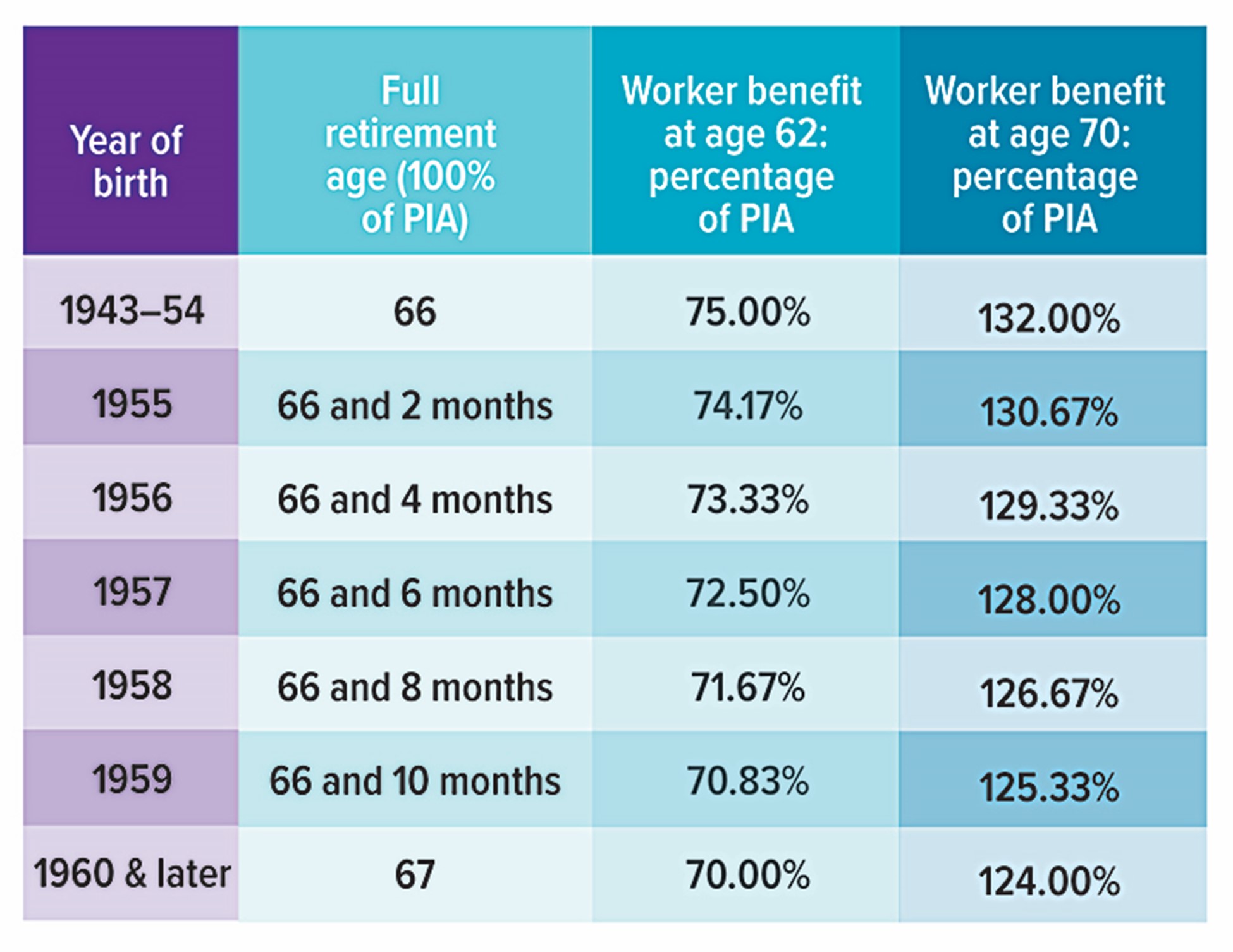
While 67 is your FRA, you technically have the option to claim benefits as early as age 62 or as late as age 70. Each choice comes with its own financial implications. Claiming at age 62, for example, results in a significant permanent reduction in your monthly benefit – potentially up to 30% for those with an FRA of 67. Conversely, delaying your claim past age 67, up until age 70, earns you delayed retirement credits. These credits increase your monthly benefit by 8% for each year you delay, up to a maximum of 32% if you claim at age 70 instead of 67. Deciding when to claim is a highly personal decision, influenced by factors such as your current health, life expectancy, immediate financial needs, other sources of income, and whether you plan to continue working.
Factors Influencing Your Social Security Benefit
The amount of Social Security benefit you receive at age 67 is not a static figure. It’s the result of a complex calculation that takes into account several key factors, primarily your earnings history and various adjustments applied by the Social Security Administration (SSA).
Your Earning History: The “Highest 35 Years”
The bedrock of your Social Security benefit calculation is your lifetime earnings record. The SSA considers your 35 highest-earning years, adjusted for inflation, to determine your average indexed monthly earnings (AIME). If you have fewer than 35 years of earnings, the missing years are counted as zero, which will reduce your overall average. This emphasis on your top 35 years underscores the importance of consistent employment and earning a decent wage throughout your career. Periods of unemployment, part-time work, or lower earnings can negatively impact this average and, consequently, your eventual benefit amount. For this reason, many financial planners advise clients to ensure they have at least 35 years of substantial earnings to maximize their benefit potential.
The Primary Insurance Amount (PIA) Calculation
Once your AIME is calculated, the SSA applies a progressive formula to determine your Primary Insurance Amount (PIA). The PIA is the monthly benefit you would receive if you start receiving benefits at your Full Retirement Age. The formula uses “bend points” – thresholds that apply different percentages to different segments of your AIME. For example, a higher percentage is applied to the lowest portion of your AIME, and a decreasing percentage to higher portions. This progressive structure means that Social Security replaces a higher percentage of pre-retirement earnings for lower-income workers than for higher-income workers, reflecting its role as a social safety net. Your PIA is the basis for all benefit calculations, whether you claim early, at FRA, or later.
Cost-of-Living Adjustments (COLAs)
Once you begin receiving Social Security benefits, your payments are generally protected against inflation through annual Cost-of-Living Adjustments (COLAs). These adjustments are designed to ensure that the purchasing power of your benefits doesn’t erode over time. COLAs are determined by changes in the Consumer Price Index for Urban Wage Earners and Clerical Workers (CPI-W) and are typically announced in October for the following year. While COLAs are a welcome addition to your annual benefit, their size can vary significantly depending on economic conditions. They are a crucial factor in understanding how your benefit, once established at age 67, will evolve throughout your retirement.
Working While Receiving Benefits (and its implications)
If you claim Social Security benefits at age 67, which is your FRA, there are no limits on how much you can earn while still receiving your full benefits. This is a significant advantage compared to claiming before your FRA, where earnings limits apply, and a portion of your benefits might be withheld if you exceed those limits. However, any benefits withheld due to exceeding earnings limits before FRA are not permanently lost; they result in a recalculation of your benefit at your FRA, often leading to a slightly higher monthly payment going forward. At age 67, however, you can continue working full-time or part-time, supplementing your Social Security income without any penalties or reductions to your benefit amount.
Estimating Your Benefits: Tools and Resources
Accurately estimating your future Social Security benefits is a critical step in retirement planning. Fortunately, the Social Security Administration provides several valuable tools and resources to help you do just that.

Using the Social Security Administration (SSA) Website
The SSA website (ssa.gov) is your primary and most authoritative source for benefit information. Creating a “my Social Security” account is highly recommended. This personalized online account allows you to:
- View your complete earnings history.
- Get personalized estimates of your future benefits at different claiming ages (62, FRA, 70).
- Review your Social Security Statement online at any time.
- Check the status of an application.
- Manage your benefits if you are already receiving them.
The “my Social Security” account offers the most accurate picture of what you can expect, as it’s based on your actual, recorded earnings.
Understanding Your Social Security Statement
Before the advent of online accounts, the SSA mailed annual Social Security Statements to workers. While paper statements are now mailed only to workers aged 60 and over who are not yet receiving benefits and do not have an online account, you can access your statement instantly through your “my Social Security” account. Your Social Security Statement provides a detailed breakdown of your taxed earnings year-by-year, estimated benefits at different ages (including your FRA of 67), and estimates for disability and survivor benefits. It’s a vital document for understanding your projected income and identifying any potential errors in your earnings record that need to be corrected.
Online Calculators and Financial Planners
Beyond the SSA’s official tools, various independent online calculators can help you project your benefits. While these can provide useful estimates, it’s crucial to remember they are only as accurate as the data you input. For a more personalized and comprehensive financial plan, consulting with a certified financial planner (CFP) is highly beneficial. A CFP can help you integrate your estimated Social Security benefits into your overall retirement strategy, considering your other assets, liabilities, risk tolerance, and retirement goals. They can also help model different claiming strategies and their impact on your long-term financial well-being.
Maximizing Your Social Security Benefits
While your earnings history largely determines your base benefit, there are strategies you can employ to maximize the total amount of Social Security income you receive over your lifetime, particularly when considering your age 67 FRA.
The Advantage of Delayed Claiming (Beyond FRA)
Even if 67 is your Full Retirement Age, delaying your claim beyond this age, up until age 70, can significantly boost your monthly benefit. For each year you delay past your FRA, you earn “delayed retirement credits” which increase your annual benefit by 8%. This means claiming at age 70 instead of 67 could result in a 24% higher monthly payment (3 years * 8% per year). This strategy is particularly appealing for individuals who are healthy, have other income sources to bridge the gap, or whose family history suggests a long life expectancy. While it requires foregoing benefits for a few years, the increased monthly payout can lead to substantially more total lifetime benefits, especially for those who live well into their 80s or 90s.
Coordinating with Your Spouse’s Benefits
For married couples, Social Security becomes a joint planning endeavor. Strategic coordination can often lead to higher combined lifetime benefits. One common strategy is for the higher-earning spouse to delay claiming until age 70 to maximize their benefit, which will also translate into a higher survivor benefit for the surviving spouse. The lower-earning spouse might claim their own benefits earlier, or even claim a spousal benefit (which can be up to 50% of the higher earner’s FRA benefit) if it’s greater than their own primary benefit. It’s a complex area, and the optimal strategy depends on the age difference, health, and earnings history of both spouses. Careful planning can yield substantial long-term financial advantages.
Strategies for Low-Earning Spouses or Dependents
Social Security also provides benefits to certain family members of a retired worker, including spouses, divorced spouses, and children, if they meet specific criteria. A spouse can receive up to 50% of the worker’s full retirement age benefit amount, provided they are at least age 62 (or caring for a child under 16 or disabled). A divorced spouse may also be eligible for benefits on their ex-spouse’s record, under certain conditions, without affecting the ex-spouse’s own benefits or the benefits of their current spouse. These provisions offer a critical safety net, ensuring that even those with limited work histories can receive vital income. Understanding these auxiliary benefits is key to comprehensive family retirement planning.
The Role of Other Retirement Savings
While Social Security is a foundational element of retirement income, it was never intended to be the sole source. On average, Social Security replaces about 40% of a worker’s pre-retirement income. This highlights the crucial role of personal savings and investments, such as 401(k)s, IRAs, and other investment accounts, in ensuring a comfortable retirement. Maximizing contributions to these accounts throughout your working life, along with prudent investment strategies, provides the necessary supplement to Social Security benefits. Think of Social Security as a reliable baseline, and your personal savings as the means to achieve your desired retirement lifestyle.
Integrating Social Security into Your Retirement Plan
Understanding how much Social Security you’ll get at age 67 is just one piece of the puzzle. The true challenge lies in seamlessly integrating this income stream into a broader, holistic retirement plan.
Social Security as a Foundation, Not the Entire Picture
It’s a common misconception that Social Security alone will be enough to sustain a comfortable retirement. For most individuals, especially those with moderate to high pre-retirement incomes, Social Security benefits will only cover a portion of their living expenses. Therefore, it should be viewed as a dependable, inflation-adjusted foundation upon which to build your retirement income strategy. It provides a baseline of financial security, covering essential expenses, but rarely affords the flexibility for discretionary spending, travel, or unexpected costs without additional savings. Financial planning involves accurately projecting your retirement expenses and ensuring all income sources, including Social Security, are aligned to meet those needs.
Bridging the Gap: Personal Savings and Investments
The gap between your Social Security benefit and your desired retirement income must be bridged by your personal savings and investments. This includes tax-advantaged accounts like 401(k)s, 403(b)s, IRAs (traditional and Roth), and taxable brokerage accounts. The accumulation phase of your career should be focused on maximizing contributions to these vehicles, taking advantage of compounding returns and employer matches. As you approach age 67, your focus shifts to the distribution phase, where you strategically draw down these assets to supplement your Social Security benefits, manage your tax liability, and ensure your money lasts throughout your retirement.
Long-Term Financial Planning Beyond Social Security
Effective retirement planning extends beyond merely estimating benefit amounts. It encompasses a holistic approach to your financial well-being in your golden years. This includes budgeting for retirement expenses, planning for potential healthcare costs (Medicare premiums, deductibles, co-pays, and long-term care), managing debt, and creating an estate plan. It also involves considering how inflation will impact your purchasing power over a potentially 20-30 year retirement. Your Social Security benefit at age 67 is a known quantity, but your overall financial health depends on how well you’ve planned for all other aspects of your retirement journey. Regular reviews of your financial plan with a professional ensure you remain on track and can adapt to changing economic conditions or personal circumstances.
In conclusion, for those born in 1960 or later, age 67 represents the Full Retirement Age, entitling them to their complete Social Security benefit. Understanding the factors that determine this amount, utilizing the tools available for estimation, and strategically planning when and how to claim are paramount. While Social Security provides an indispensable foundation, it is most effective when integrated into a comprehensive financial plan that includes personal savings, investments, and careful consideration of all aspects of retirement living. By taking a proactive and informed approach, individuals can optimize their Social Security benefits and achieve greater financial security in retirement.
aViewFromTheCave is a participant in the Amazon Services LLC Associates Program, an affiliate advertising program designed to provide a means for sites to earn advertising fees by advertising and linking to Amazon.com. Amazon, the Amazon logo, AmazonSupply, and the AmazonSupply logo are trademarks of Amazon.com, Inc. or its affiliates. As an Amazon Associate we earn affiliate commissions from qualifying purchases.