
The question of “how much should you save?” is arguably one of the most critical inquiries in personal finance. It’s a question that doesn’t have a one-size-fits-all answer, but rather a spectrum of responses shaped by individual circumstances, goals, income, and life stage. Saving isn’t just about putting aside money for a rainy day; it’s about proactively building a foundation for financial security, achieving life’s significant milestones, and ultimately, securing your future freedom. In an increasingly unpredictable world, understanding how to effectively save and determining your optimal savings rate is paramount to navigating financial challenges and realizing your aspirations. This article will delve into the various facets of saving, offering insights and actionable strategies to help you define your personal savings targets and build a robust financial future.
The Imperative of Saving: Beyond a Rainy Day Fund
Many people view saving as a necessary evil, a sacrifice of present enjoyment for an uncertain future. However, a deeper understanding reveals that saving is an empowering act of self-care and future-proofing. It’s a mechanism that provides security, growth, and the ability to seize opportunities.
Understanding the “Why”: More Than Just Emergencies
While an emergency fund is a cornerstone of good financial planning, the “why” behind saving extends much further. Saving enables you to plan for a down payment on a home, fund your children’s education, travel the world, start a business, or even retire comfortably. It provides a safety net against job loss, unexpected medical expenses, or significant home repairs, preventing minor setbacks from spiraling into major financial crises. Beyond just preventing bad outcomes, saving allows you to actively create good outcomes and design the life you truly desire. It’s an investment in your future self, granting you autonomy and reducing reliance on debt.
The Power of Compound Interest: Your Money Working for You
One of the most compelling reasons to start saving early and consistently is the miraculous power of compound interest. Often called the “eighth wonder of the world,” compound interest allows your money to earn returns, and then those returns themselves earn returns. This exponential growth means that the sooner you start saving, even small amounts, the more significant your wealth can become over time. A dollar saved today is worth more than a dollar saved tomorrow, thanks to the magic of compounding. Understanding this principle shifts saving from a chore to a strategic advantage, making it clear that time in the market is often more important than timing the market.
Psychological Benefits: Peace of Mind and Reduced Stress
The financial world can be a source of immense stress, from managing debt to worrying about job security or unexpected expenses. A healthy savings account acts as a powerful antidote to this anxiety. Knowing you have a financial cushion provides profound peace of mind. It allows you to make decisions based on your long-term well-being rather than immediate financial pressure. This reduction in stress improves overall mental and physical health, freeing up cognitive space to focus on other aspects of life, such as relationships, career, and personal growth. Financial security translates directly into a higher quality of life.
Determining Your Savings Targets: A Personalized Approach
There’s no universal percentage that dictates how much everyone should save. Instead, your ideal savings targets are a blend of generally accepted financial wisdom and your unique life circumstances. A personalized approach ensures your savings plan is both ambitious and achievable.
Emergency Fund: The Non-Negotiable Foundation (3-6 Months of Expenses)
Before pursuing any other significant financial goal, establishing a robust emergency fund is paramount. This fund should cover 3 to 6 months of essential living expenses (rent/mortgage, utilities, food, transportation, insurance, etc.). For those with less stable incomes, self-employment, or dependents, aiming for 6-12 months might be more prudent. This money should be kept in an easily accessible, liquid account like a high-yield savings account, separate from your everyday checking account. It’s not for investments or impulse purchases; it’s solely for genuine emergencies, providing a critical buffer against life’s inevitable curveballs.
Short-Term Goals: Defining What You Want (Vacation, Down Payment, Car)
Once your emergency fund is solid, you can allocate savings towards short-term goals, typically those you want to achieve within 1-5 years. These might include a dream vacation, a down payment on a car, a new appliance, or specific educational courses. For these goals, calculate the total cost and the timeframe, then divide the cost by the number of months you have to save. This gives you a clear monthly savings target. Keeping these funds in a separate high-yield savings account dedicated to each goal can help you track progress and stay motivated.
Long-Term Goals: Retirement and Major Life Milestones
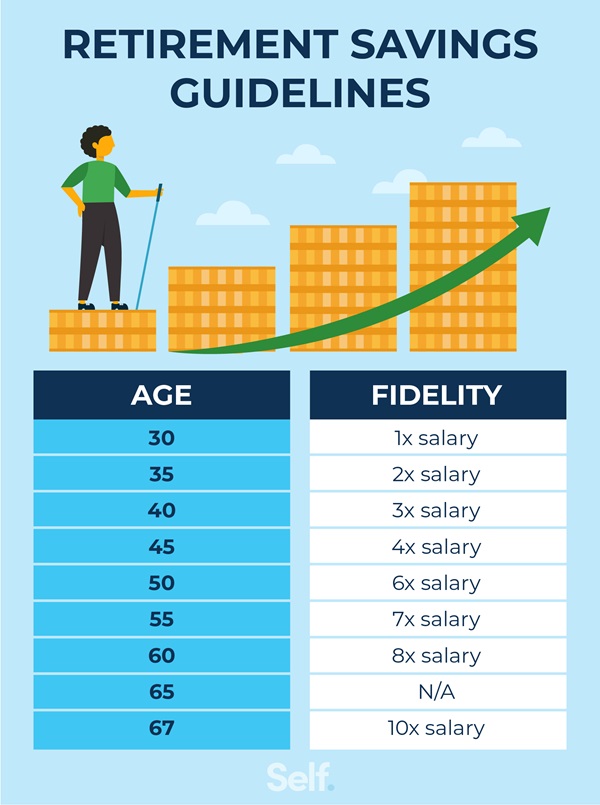
Long-term goals are the big ones: retirement, a child’s college education, or a significant real estate purchase. These require consistent, often substantial, contributions over many years, leveraging the power of compound interest. Retirement planning is often the most significant long-term savings goal, with recommendations often ranging from saving 10-15% (or more) of your income starting in your 20s. The younger you start, the less you’ll need to save each month to reach your target. For these goals, investing through tax-advantaged accounts like 401(k)s, IRAs, and HSAs becomes crucial.
The 50/30/20 Rule and Other Budgeting Frameworks
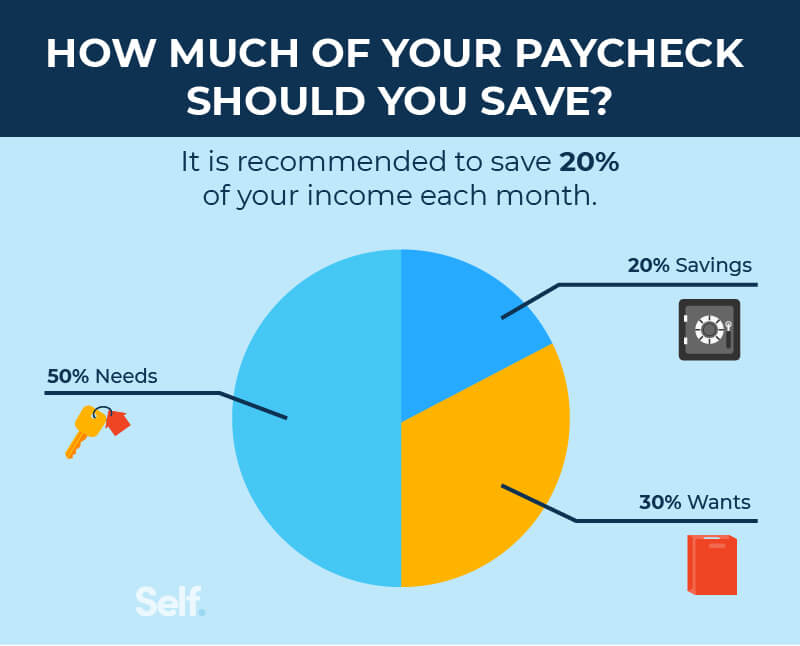
While personalized goals are key, budgeting frameworks offer helpful starting points. The popular 50/30/20 rule suggests allocating 50% of your after-tax income to needs (housing, utilities, food, transportation), 30% to wants (dining out, entertainment, hobbies), and 20% to savings and debt repayment. This 20% savings target is a widely accepted benchmark for financial health. Other frameworks, like the “pay yourself first” philosophy, prioritize saving by automatically transferring funds to savings accounts before any other expenses are paid. Experiment with different frameworks to find one that aligns with your income, expenses, and financial objectives.
Strategies for Effective Saving: Making It Automatic and Sustainable
Good intentions alone rarely lead to successful saving. It requires deliberate strategies that make saving automatic, consistent, and an integral part of your financial routine.
Automating Your Savings: Set It and Forget It
The most effective saving strategy is automation. Set up automatic transfers from your checking account to your savings, investment, and retirement accounts immediately after you get paid. Treating your savings contributions like any other bill ensures you prioritize them and reduces the temptation to spend the money elsewhere. Even small, consistent automatic transfers add up significantly over time, making wealth building a passive, almost effortless habit.
Cutting Unnecessary Expenses: Identifying and Eliminating Budget Leaks
To increase your savings rate, you often need to reduce your spending. Conduct a thorough review of your monthly expenses to identify “budget leaks”—areas where money is spent without providing significant value or enjoyment. This could include unused subscriptions, excessive dining out, impulse purchases, or expensive daily habits like gourmet coffee. Be ruthless in identifying and eliminating these leaks. Even seemingly small cuts, like $50 a month, can add up to $600 a year, which can then be redirected to your savings goals.
Increasing Your Income: Side Hustles and Skill Development
While cutting expenses is important, there’s a limit to how much you can cut. Increasing your income, however, has no such ceiling. Explore opportunities to earn more through side hustles (freelancing, gig work, selling crafts online), asking for a raise at your current job, or investing in skill development that could lead to higher-paying positions. Every extra dollar earned, especially if a significant portion is directed straight to savings, dramatically accelerates your progress toward financial independence.
Debt Management: Freeing Up Funds for Savings
High-interest debt, such as credit card debt or personal loans, acts as a significant drain on your financial resources, making it challenging to save effectively. Prioritizing the repayment of such debt can effectively “free up” funds that were previously going towards interest payments. Once high-interest debt is eliminated, the money that was allocated to those payments can be redirected straight into your savings and investment accounts, giving your wealth-building efforts a powerful boost. Consider strategies like the debt snowball or debt avalanche to tackle these liabilities efficiently.
Where to Keep Your Savings: Optimizing Growth and Accessibility
The location of your savings is just as important as the act of saving itself. Different types of accounts and investments serve different purposes, offering varying degrees of accessibility, risk, and potential returns.
High-Yield Savings Accounts: For Emergency and Short-Term Funds
For your emergency fund and short-term goals (within 1-3 years), liquidity and safety are paramount. High-yield savings accounts (HYSAs) offered by online banks are ideal. They offer better interest rates than traditional brick-and-mortar banks, allowing your money to grow slightly while remaining readily accessible without risk of capital loss. The interest earned, while modest, helps combat inflation and ensures your money isn’t just sitting idle.
Retirement Accounts: IRAs, 401(k)s, and Tax Advantages
For long-term goals, especially retirement, tax-advantaged accounts are indispensable. Employer-sponsored 401(k)s (or 403(b)s) offer significant contribution limits and often come with employer matching contributions – essentially free money. Individual Retirement Accounts (IRAs) like Roth IRAs and Traditional IRAs provide tax benefits (tax-free growth and withdrawals in retirement for Roth, or tax-deductible contributions for Traditional). Leveraging these accounts allows your investments to grow more efficiently by reducing your tax burden, either now or in the future.
Investment Vehicles: Diversifying for Long-Term Growth (Stocks, Bonds, Mutual Funds)
Beyond basic savings accounts and retirement funds, a diversified investment portfolio is crucial for long-term wealth accumulation. This typically involves a mix of:
- Stocks: Offer potential for higher returns but come with higher risk and volatility.
- Bonds: Generally less volatile than stocks, providing a more stable income stream and capital preservation.
- Mutual Funds/ETFs: Professionally managed or passively tracked baskets of stocks and/or bonds, offering diversification and often lower fees.
For goals further out than 5-7 years, investing in a balanced portfolio aligned with your risk tolerance is essential to outpace inflation and achieve significant capital growth.
The Role of Financial Advisors: Professional Guidance
Navigating the complexities of investment vehicles, tax strategies, and long-term financial planning can be daunting. A qualified financial advisor can provide personalized guidance, help you clarify your goals, assess your risk tolerance, and construct a suitable investment portfolio. They can also assist with estate planning, tax optimization, and ensuring your savings strategy remains on track through various life changes. While there are costs associated with advisors, the value they provide through expert knowledge and strategic planning can often outweigh the fees, especially for those with complex financial situations or significant assets.
Adjusting Your Savings Plan Over Time: Life Stages and Financial Shifts
Your “ideal” savings rate isn’t static; it evolves as your life changes. What works for a young professional will likely be different for someone raising a family or nearing retirement. Flexibility and periodic review are critical to a sustainable savings strategy.
Early Career: Building the Foundation
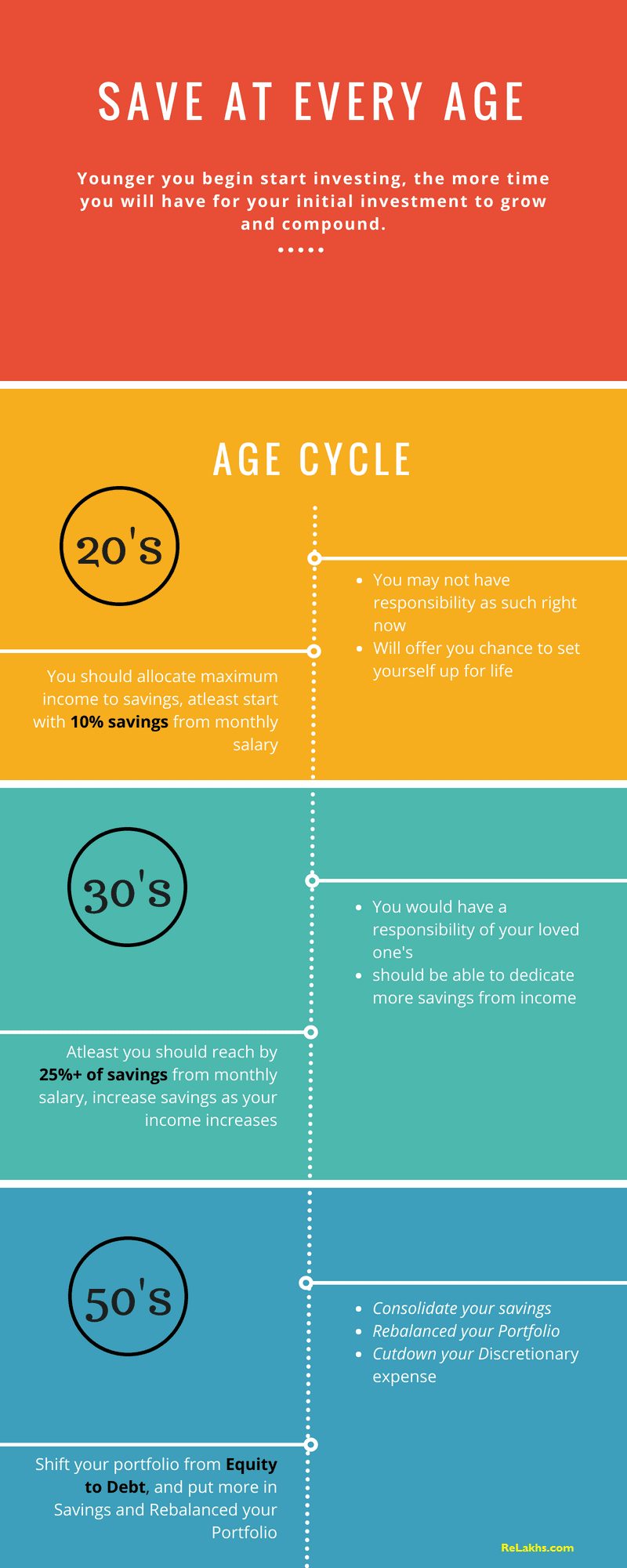
In your early career, the focus should be on establishing good financial habits. Prioritize building your emergency fund, contributing enough to your 401(k) to get any employer match, and tackling high-interest debt. Even if your income is modest, starting early maximizes the impact of compound interest. Aim to save at least 10-15% of your income, even if it means living frugally.
Mid-Career: Balancing Family, Debt, and Long-Term Goals
Mid-career often brings increased income but also increased responsibilities—a mortgage, children’s expenses, and potentially higher education costs. This stage requires balancing multiple competing financial goals. While continuing to fund retirement is essential, you might also need to save for a child’s college fund (e.g., 529 plans) or accelerate mortgage payments. Re-evaluate your budget, look for opportunities to increase income, and ensure your insurance coverage is adequate. Your savings rate might need to be higher, perhaps 15-25% or more, to keep pace with these expanding demands.
Nearing Retirement: Shifting Focus and Preserving Capital
As you approach retirement, your savings strategy shifts from aggressive growth to capital preservation and income generation. The focus moves towards generating reliable income streams from your accumulated assets and carefully managing withdrawals to ensure your money lasts throughout retirement. You might reduce your exposure to volatile investments and increase allocations to more stable income-generating assets. This is also a critical time to consult a financial planner to finalize your retirement income strategy and understand social security and Medicare benefits.
Dealing with Unexpected Life Events: Flexibility and Resilience
Life is unpredictable. Job loss, major illness, divorce, or caring for aging parents can all derail even the most meticulously planned savings strategies. Having an emergency fund is your first line of defense. Beyond that, maintaining flexibility in your budget, having adequate insurance, and being willing to adjust your goals are key to financial resilience. Sometimes, saving has to take a temporary backseat to immediate needs, but the goal should always be to return to your savings targets as soon as circumstances allow.
In conclusion, determining “how much you should save” is a dynamic process rooted in understanding your current financial situation, clearly defining your short-term and long-term goals, and adopting consistent, disciplined habits. By leveraging the power of automation, managing debt, increasing income, and strategically allocating funds across various accounts, you can build a robust financial future. Remember, every dollar saved is a step towards greater security, freedom, and the ability to live the life you envision. Start today, review regularly, and stay committed to your financial well-being.
aViewFromTheCave is a participant in the Amazon Services LLC Associates Program, an affiliate advertising program designed to provide a means for sites to earn advertising fees by advertising and linking to Amazon.com. Amazon, the Amazon logo, AmazonSupply, and the AmazonSupply logo are trademarks of Amazon.com, Inc. or its affiliates. As an Amazon Associate we earn affiliate commissions from qualifying purchases.