
Navigating the landscape of car insurance can often feel like a complex financial puzzle. Unlike a fixed utility bill, the “right” amount for your car insurance premium is a highly individualized figure, shaped by a multitude of factors unique to your situation. Understanding these variables and their financial implications is crucial for striking the delicate balance between adequate protection and cost-effectiveness. This guide delves into the core components that determine your car insurance expenses, elucidates the various coverage types, and provides actionable strategies for optimizing your spend without compromising essential financial security.
Understanding the Core Factors Influencing Your Premium
Car insurance premiums are not arbitrarily set; they are the result of sophisticated actuarial calculations designed to assess risk. Insurers evaluate numerous data points to predict the likelihood and potential cost of a future claim, which directly translates into your premium.
Driver-Specific Variables
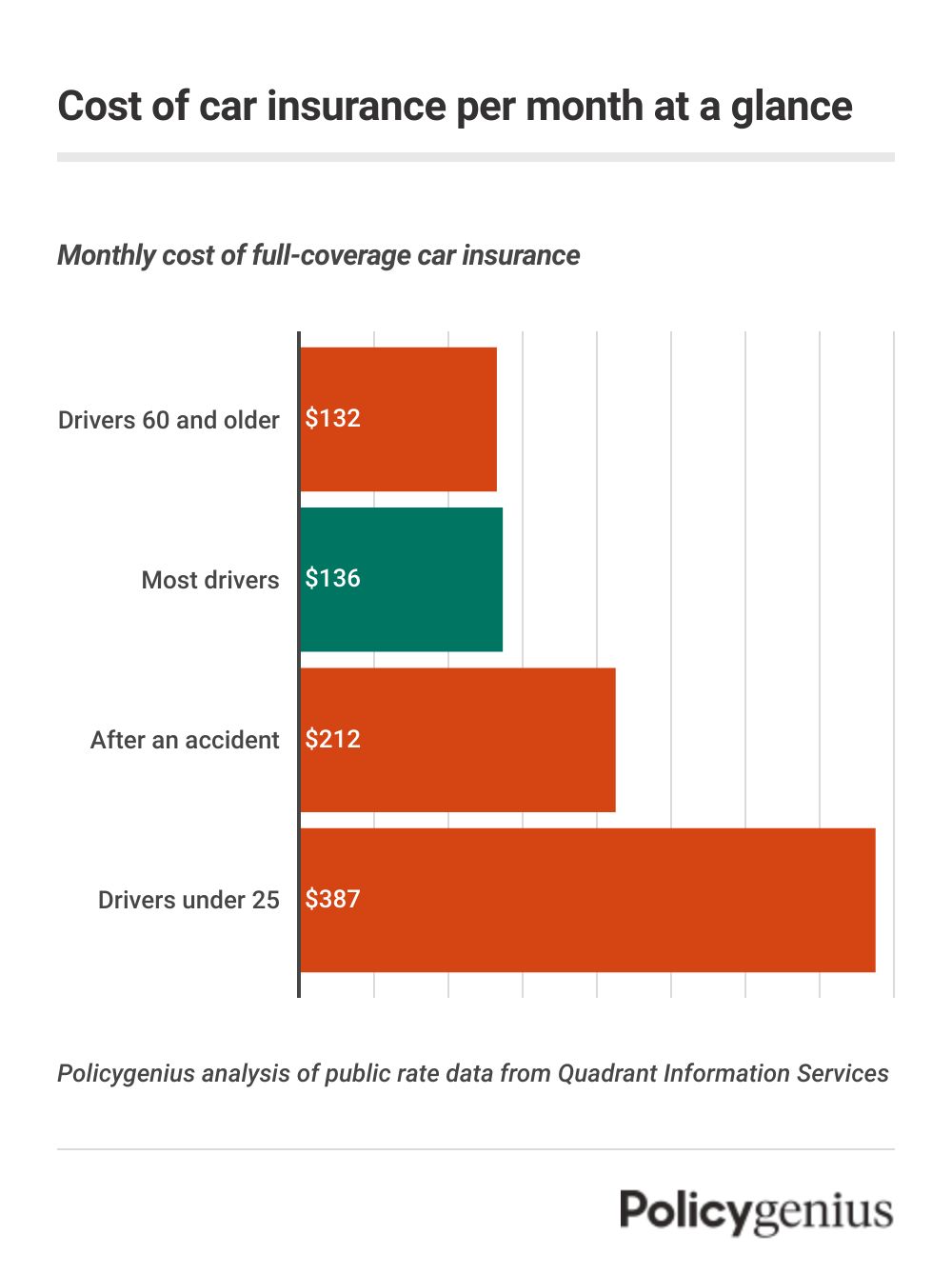
Your personal profile is a significant determinant. Your age and driving experience play a crucial role; younger, less experienced drivers typically face higher rates due as they statistically pose a greater risk. Conversely, mature drivers with decades of accident-free history often enjoy more favorable premiums. Your driving record is paramount; a history of accidents, traffic violations (like speeding tickets or DUIs), or past claims will invariably elevate your costs. Insurers view these as indicators of future risk. Furthermore, your credit score, particularly in many U.S. states, is increasingly used as a proxy for financial responsibility and reliability. A higher credit score can often correlate with lower insurance rates, reflecting a perceived lower risk of filing claims. Finally, your marital status can sometimes influence rates, with married individuals occasionally receiving slight discounts based on statistical trends.
Vehicle-Specific Variables
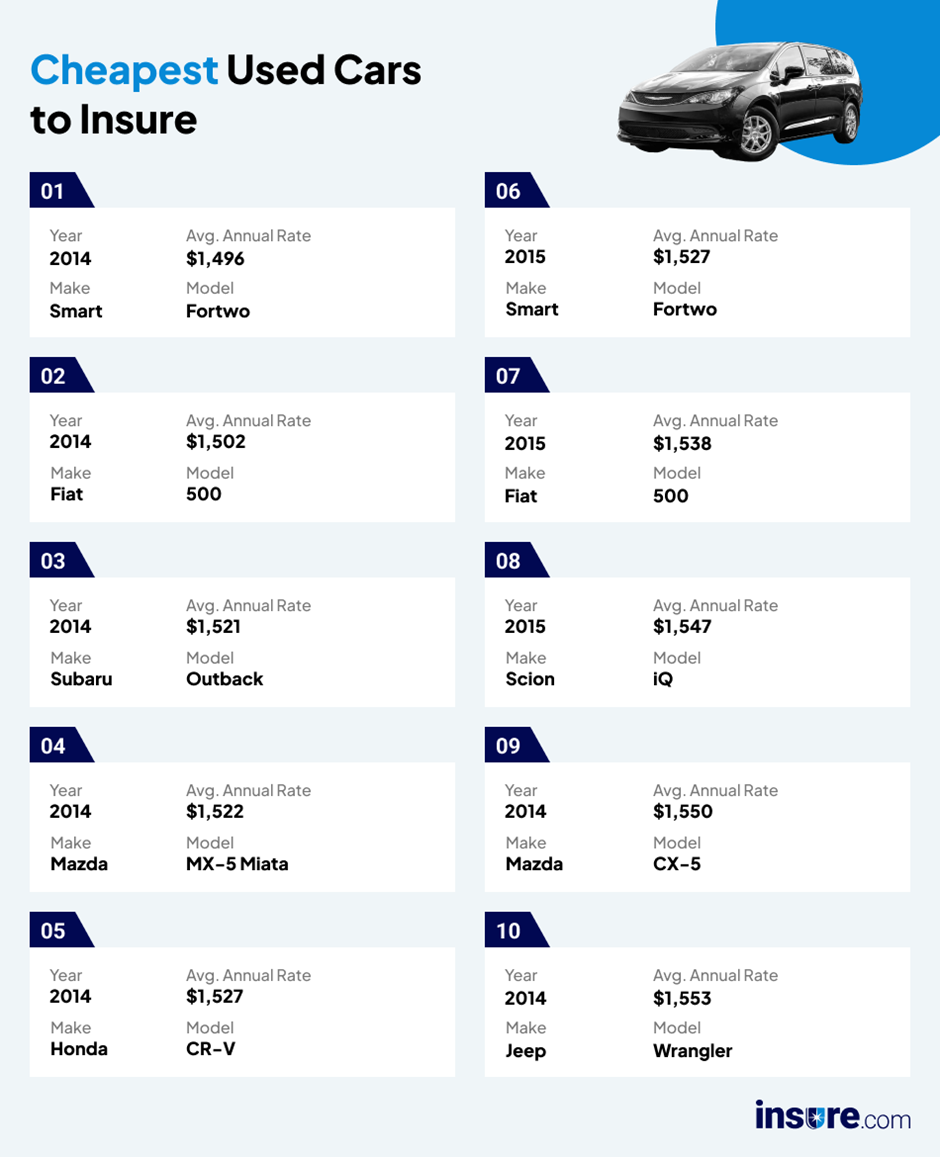
The car you drive profoundly impacts your insurance costs. The make, model, and year of your vehicle dictate its replacement cost, repair expenses, and even its attractiveness to thieves. Luxury cars, high-performance sports cars, and newer vehicles with expensive parts tend to incur higher premiums due to greater repair or replacement costs. Conversely, older, more common models that are less costly to repair or replace typically have lower premiums. The safety features built into your car, such as advanced driver-assistance systems (ADAS), anti-lock brakes, and airbags, can sometimes lead to discounts, as they reduce the likelihood or severity of accidents. Conversely, a vehicle’s theft rate in specific areas can also influence comprehensive coverage costs.
Geographic and Economic Factors
Where you live and broader economic trends also play a significant role. Location is critical; urban areas with higher traffic density, crime rates, and greater potential for accidents or theft generally command higher premiums than rural areas. Even within the same city, specific zip codes can have vastly different rates. The annual mileage you drive is another factor; the more time you spend on the road, the higher your exposure to risk. Some insurers offer discounts for low-mileage drivers. Lastly, the state-mandated minimum coverage requirements vary significantly across jurisdictions, directly influencing the baseline cost of your policy. Beyond individual factors, the overall economic climate, including inflation in repair costs and medical expenses, can also push insurance rates upward across the board.
Demystifying Car Insurance Coverage Types
Understanding the various types of coverage is essential for making informed financial decisions about your policy. Each component addresses a different aspect of risk and financial liability.
Essential Coverages: Liability, Collision, and Comprehensive
- Liability Coverage: This is the most fundamental and often legally mandated form of insurance. It financially protects you if you are at fault in an accident, covering the costs for damages and injuries you cause to other people and their property. It typically comprises two parts: Bodily Injury Liability (covering medical expenses, lost wages, and pain and suffering for others) and Property Damage Liability (covering repairs or replacement of another person’s vehicle or property). Setting appropriate liability limits is a critical financial decision; underinsuring here could leave your personal assets vulnerable in a serious accident.
- Collision Coverage: This pays for damages to your own vehicle resulting from a collision with another car or object, regardless of who is at fault. It is usually optional but often required by lenders if you have a car loan or lease. The cost of collision coverage is heavily influenced by your car’s value and the deductible you choose.
- Comprehensive Coverage: This protects your vehicle from non-collision-related incidents. This includes damages from theft, vandalism, fire, natural disasters (like hail or floods), and impacts with animals. Like collision coverage, it’s typically optional but often required by lenders. This coverage also comes with a deductible.
Additional Protections: Uninsured Motorist, Medical Payments, and PIP
- Uninsured/Underinsured Motorist (UM/UIM) Coverage: This is a crucial financial safeguard. It protects you if you are hit by a driver who has no insurance (uninsured) or insufficient insurance (underinsured) to cover your medical expenses or vehicle damage. Given the number of uninsured drivers on the road, this coverage can prevent significant out-of-pocket costs.
- Medical Payments (MedPay) / Personal Injury Protection (PIP): These coverages pay for medical expenses for you and your passengers after an accident, regardless of who was at fault. PIP, typically found in “no-fault” states, often goes further to cover lost wages and other essential services resulting from injuries sustained in an accident. These can be vital in covering immediate medical costs and protecting your health-related finances.
- Other Optional Coverages: Beyond these core types, insurers offer various add-ons such as roadside assistance, rental car reimbursement, gap insurance (which covers the difference between your car’s actual cash value and the amount you still owe on a loan), and new car replacement coverage. While these add to your premium, they can offer valuable financial convenience and protection in specific scenarios.
Strategies to Optimize Your Car Insurance Costs
Finding the sweet spot between comprehensive coverage and affordable premiums requires proactive financial management and strategic decision-making.
Leveraging Discounts and Bundles
One of the most effective ways to reduce your premium is to take advantage of available discounts. Common discounts include:
- Multi-policy discounts: Bundling your car insurance with homeowners, renters, or life insurance from the same provider often yields significant savings. This centralizes your insurance needs and simplifies financial oversight.
- Multi-car discounts: Insuring multiple vehicles under one policy.
- Good driver discounts: For those with a clean driving record over a specified period.
- Good student discounts: For younger drivers who maintain good academic performance.
- Vehicle safety feature discounts: For cars equipped with anti-lock brakes, airbags, anti-theft devices, etc.
- Telematics programs: Many insurers offer programs where a device or app monitors your driving habits (speed, braking, mileage). Safe drivers can earn considerable discounts.
- Payment method discounts: Setting up automatic payments or paying your premium in full upfront can often lead to small but cumulative savings.
Always inquire about every discount an insurer offers, as eligibility criteria can vary widely.
Adjusting Deductibles and Coverage Limits
Your deductible is the amount you pay out of pocket before your insurance coverage kicks in for collision and comprehensive claims. Generally, choosing a higher deductible means you’ll pay a lower monthly or annual premium. This is a strategic financial decision: are you comfortable with a higher out-of-pocket expense in the event of a claim, in exchange for lower regular payments? Ensure that your emergency fund can comfortably cover your chosen deductible.
Conversely, your coverage limits for liability are crucial. While higher limits mean higher premiums, they also provide greater financial protection against significant claims that could otherwise jeopardize your assets. It’s often recommended to carry liability limits that adequately protect your net worth, rather than just the state minimums, which are often insufficient in serious accidents. Regularly assess your financial situation and adjust limits accordingly.
Improving Your Financial Profile
As mentioned, your credit score can impact your premiums. Taking steps to improve and maintain a healthy credit score, such as paying bills on time, reducing debt, and monitoring your credit report for errors, can positively influence your insurance rates over time. Additionally, maintaining a consistent driving record free of accidents or violations will naturally lead to lower rates. Enroll in defensive driving courses, which not only make you a safer driver but can also qualify you for discounts with some insurers.
Proactive Shopping and Comparison
The car insurance market is highly competitive. Loyalty to one insurer doesn’t always translate to the best rates. It is financially prudent to shop around and compare quotes from multiple insurance providers at least once a year, or whenever there’s a significant life change (new car, new address, marriage, new driver in the household). Online comparison tools and independent insurance agents can simplify this process, providing a range of options tailored to your needs. Don’t just compare the premium; scrutinize the coverage details, deductibles, and customer service ratings of each company to ensure you’re getting both value and reliable protection.
Beyond Averages: Finding Your Personal Sweet Spot
The “average” car insurance cost is a statistical benchmark, not a personal recommendation. Your individual circumstances, risk tolerance, and financial health should dictate your ideal policy.
The Risk-Reward of Underinsurance
While reducing premiums is a common financial goal, it’s crucial to avoid being underinsured. Opting for minimal coverage to save money can expose you to substantial financial risk. In the event of a serious accident where you are at fault, state minimum liability limits may quickly be exhausted, leaving you personally responsible for the remaining damages, which could lead to wage garnishment, asset seizure, or even bankruptcy. Assess your assets, income, and potential financial liabilities, and choose coverage limits that provide a robust safety net. Sometimes, paying a little more upfront for higher limits is a sound financial investment in your long-term security.

Regular Reviews and Adjustments
Your car insurance needs are not static. Life changes, such as buying a new car, moving, getting married, having a new driver in the household, or even paying off your car loan, should prompt a review of your policy. For instance, once your car is paid off, you might consider dropping collision and comprehensive coverage if the vehicle’s actual cash value no longer justifies the premium cost. Conversely, if your financial situation improves, increasing your liability limits might be a wise move. Regularly reviewing your policy ensures it continues to align with your current financial situation, risk profile, and coverage requirements, guaranteeing you’re neither overpaying nor underprotected. Your car insurance policy is a living financial document that warrants ongoing attention to maximize its value and efficacy.
aViewFromTheCave is a participant in the Amazon Services LLC Associates Program, an affiliate advertising program designed to provide a means for sites to earn advertising fees by advertising and linking to Amazon.com. Amazon, the Amazon logo, AmazonSupply, and the AmazonSupply logo are trademarks of Amazon.com, Inc. or its affiliates. As an Amazon Associate we earn affiliate commissions from qualifying purchases.