
Determining the ideal cost for your auto insurance isnigation requires a comprehensive understanding of various personal, vehicular, and policy-related factors. There isn’t a universal answer, as premiums are highly individualized, reflecting a risk assessment conducted by insurers. The goal is to strike a balance between adequate protection and affordability, ensuring you’re covered without overpaying. This guide will demystify the components that influence your auto insurance costs, helping you navigate the complexities and make informed decisions.
Understanding the Factors That Influence Your Premium
Auto insurance premiums are calculated based on a multitude of variables designed to predict the likelihood and potential cost of a future claim. Understanding these factors empowers you to make choices that can positively impact your rates.
Personal Information and Driving History
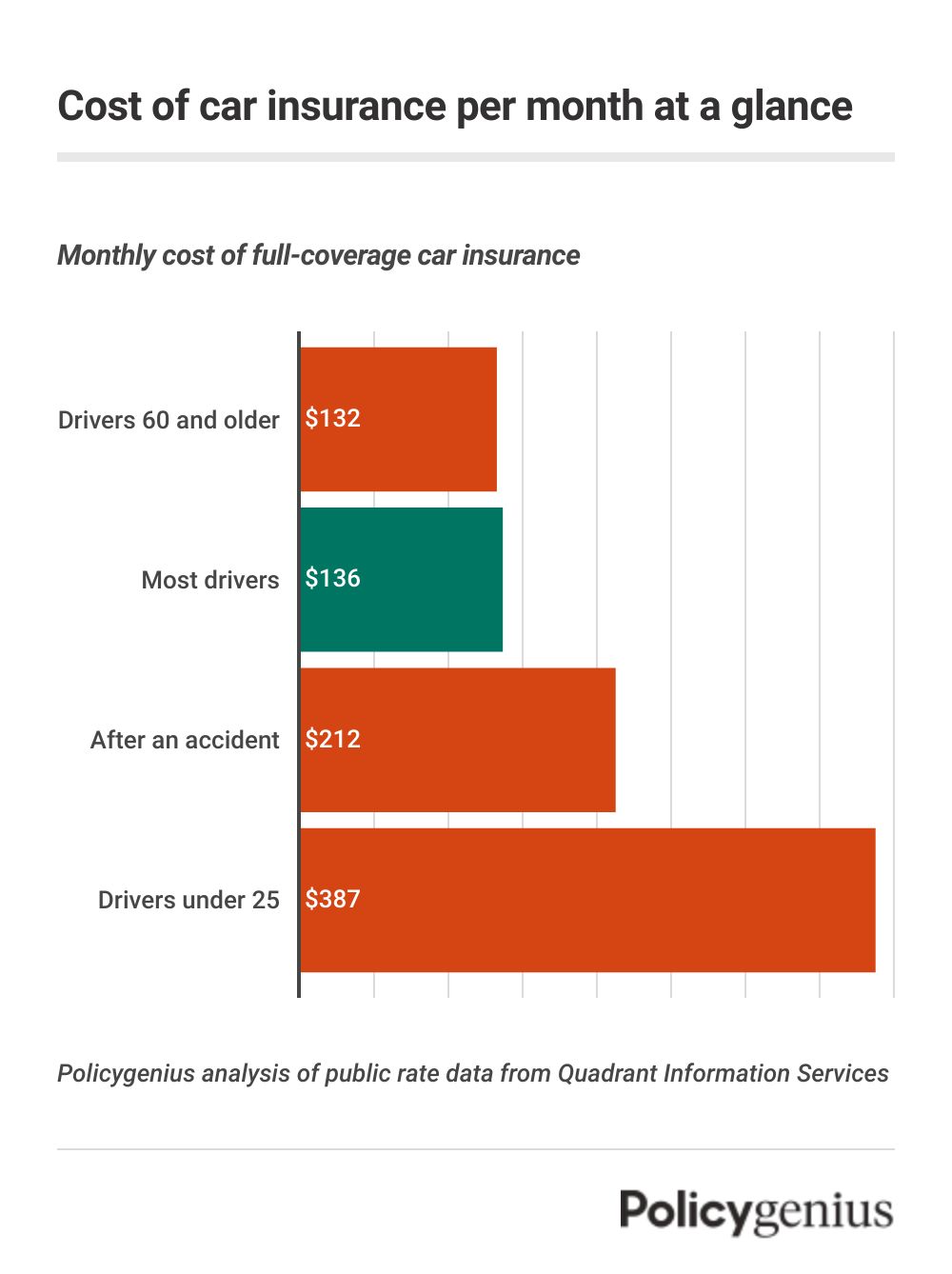
Your personal profile is a primary determinant. Younger, less experienced drivers typically face higher premiums due to statistical risk. Gender can play a role in some regions, while marital status often sees married individuals pay less, theorized as a reflection of more stable lifestyles. Your geographical location significantly matters; urban areas with higher traffic density, theft rates, and accident frequencies generally incur higher costs than rural areas. Your driving record, including accidents, moving violations, and claims history, directly impacts your rates for several years. Furthermore, in many states, your credit score can be a substantial factor, as insurers often correlate higher credit scores with lower claim frequencies.
Vehicle Details
The specific vehicle you insure is another critical element. Its make, model, and year influence repair costs and theft likelihood. Luxury or high-performance cars are often more expensive to insure due to higher repair costs and increased theft risk. Vehicles equipped with advanced safety features (e.g., automatic emergency braking, lane-keeping assist) and anti-theft devices can qualify for discounts, as they reduce the likelihood or severity of accidents and theft. The vehicle’s safety rating is also considered, with safer cars often leading to lower bodily injury and medical claims.
Coverage Choices
The types and amounts of coverage you select are perhaps the most direct drivers of your premium. State laws mandate minimum liability coverage, but these minimums often fall short of providing adequate protection in a serious accident. Beyond liability, options like collision, comprehensive, uninsured/underinsured motorist, and medical payments/personal injury protection (PIP) each add to your premium. Choosing higher limits for liability or adding optional coverages will increase your cost but provide greater financial security.
Deductibles and Limits
Your chosen deductible—the amount you pay out of pocket before your insurance coverage kicks in—directly affects your premium. A higher deductible typically results in a lower premium, as you are assuming more of the initial financial risk. Conversely, a lower deductible means higher premiums. Similarly, the limits of your coverage (the maximum amount your insurer will pay for a covered loss) are crucial. Higher liability limits, for example, increase premiums but offer greater protection against significant financial loss in the event of a severe accident.
Navigating Different Types of Coverage
Understanding the various components of an auto insurance policy is essential for building coverage that genuinely meets your needs, rather than just fulfilling state mandates.
State Minimums vs. Optimal Protection
Every state mandates a minimum level of auto insurance, primarily liability coverage, to operate a vehicle legally. However, these minimums are often insufficient to cover the full costs of a serious accident, potentially leaving you personally responsible for substantial financial damages. For instance, a state minimum of $25,000 for bodily injury per person might quickly be exhausted by medical bills from a serious injury, leaving you to pay the remainder. Optimal protection involves assessing your assets and potential risks, then choosing limits that adequately safeguard your financial future.
Liability Coverage Explained
Liability insurance is the foundation of any auto policy and covers damages you cause to others in an at-fault accident. It typically has two main components:
-
Bodily Injury Liability: Pays for medical expenses, lost wages, and pain and suffering for others injured in an accident you cause. It’s usually expressed as two numbers, e.g., $50,000/$100,000, meaning $50,000 per person and $100,000 per accident.
-
Property Damage Liability: Covers damage to another person’s property, such as their vehicle, fences, or buildings, resulting from an accident you cause. This is typically expressed as a single number, e.g., $25,000.
High liability limits are crucial, especially if you have significant assets to protect.
Protecting Your Vehicle: Collision and Comprehensive
These coverages protect your own vehicle, regardless of fault:
-
Collision Coverage: Pays for damage to your car if it collides with another vehicle, an object (like a tree or pole), or rolls over. This is typically required if you have a car loan or lease.
-
Comprehensive Coverage: Protects your car from non-collision incidents such as theft, vandalism, fire, natural disasters (hail, floods), and animal impacts. Like collision, it’s often mandatory for financed or leased vehicles.
While optional for fully owned cars, these coverages are highly recommended for newer or valuable vehicles to mitigate significant repair or replacement costs.
Additional Protections
Beyond the core coverages, several optional protections can enhance your policy:
-
Uninsured/Underinsured Motorist (UM/UIM) Coverage: Protects you and your passengers if you’re hit by a driver who has no insurance or insufficient insurance to cover your damages.
-
Medical Payments (MedPay) or Personal Injury Protection (PIP): Covers medical expenses for you and your passengers, regardless of who is at fault, and can also cover lost wages and essential services in no-fault states.
-
Rental Reimbursement: Pays for a rental car while your vehicle is being repaired after a covered claim.
-
Roadside Assistance: Provides help with flat tires, dead batteries, lockouts, or towing services.
These additional coverages, while increasing your premium, can offer valuable peace of mind and financial support in various scenarios.

Strategies to Potentially Reduce Your Auto Insurance Costs
While many factors are beyond your immediate control, several proactive strategies can help you secure a more favorable auto insurance premium.
Shop Around and Compare Quotes
This is arguably the most impactful strategy. Different insurers use proprietary algorithms and risk assessments, meaning the same coverage can vary significantly in price from one company to another. Obtain quotes from at least three to five different carriers, including large national providers and smaller regional ones, to ensure you’re getting the most competitive rate for the coverage you need. Utilize online comparison tools and independent agents for efficiency.
Leverage Discounts
Insurance companies offer a wide array of discounts that can significantly lower your premiums. Common discounts include:
-
Bundling: Combining auto insurance with other policies (e.g., home, renters, life) from the same insurer.
-
Good Driver/Accident-Free: For maintaining a clean driving record over a specified period.
-
Good Student: For young drivers who maintain a certain GPA.
-
Low Mileage: For drivers who drive fewer miles annually.
-
Vehicle Safety Features: For cars equipped with anti-lock brakes, airbags, daytime running lights, or advanced safety systems.
-
Anti-Theft Devices: For cars with alarms or tracking systems.
-
Payment Type: Discounts for paying your premium in full or setting up automatic payments.
-
Telematics/Usage-Based Insurance: Programs that monitor your driving habits (speed, braking, mileage) via an app or device, offering discounts for safe driving.
Always ask your insurer for a comprehensive list of available discounts.
Adjusting Deductibles and Coverage Limits
Consider increasing your deductibles for collision and comprehensive coverage if you have sufficient emergency savings to cover the higher out-of-pocket amount. A higher deductible directly translates to lower premiums. Review your coverage limits periodically; while higher liability limits are generally recommended, you might re-evaluate comprehensive or collision coverage on older vehicles whose market value no longer justifies the premium cost.
Improve Your Credit Score
In states where it’s permitted, insurers use credit-based insurance scores as a factor. A higher credit score often correlates with lower premiums. Maintaining good credit by paying bills on time, keeping credit utilization low, and monitoring your credit report can indirectly lead to auto insurance savings.
Consider Your Vehicle Choice
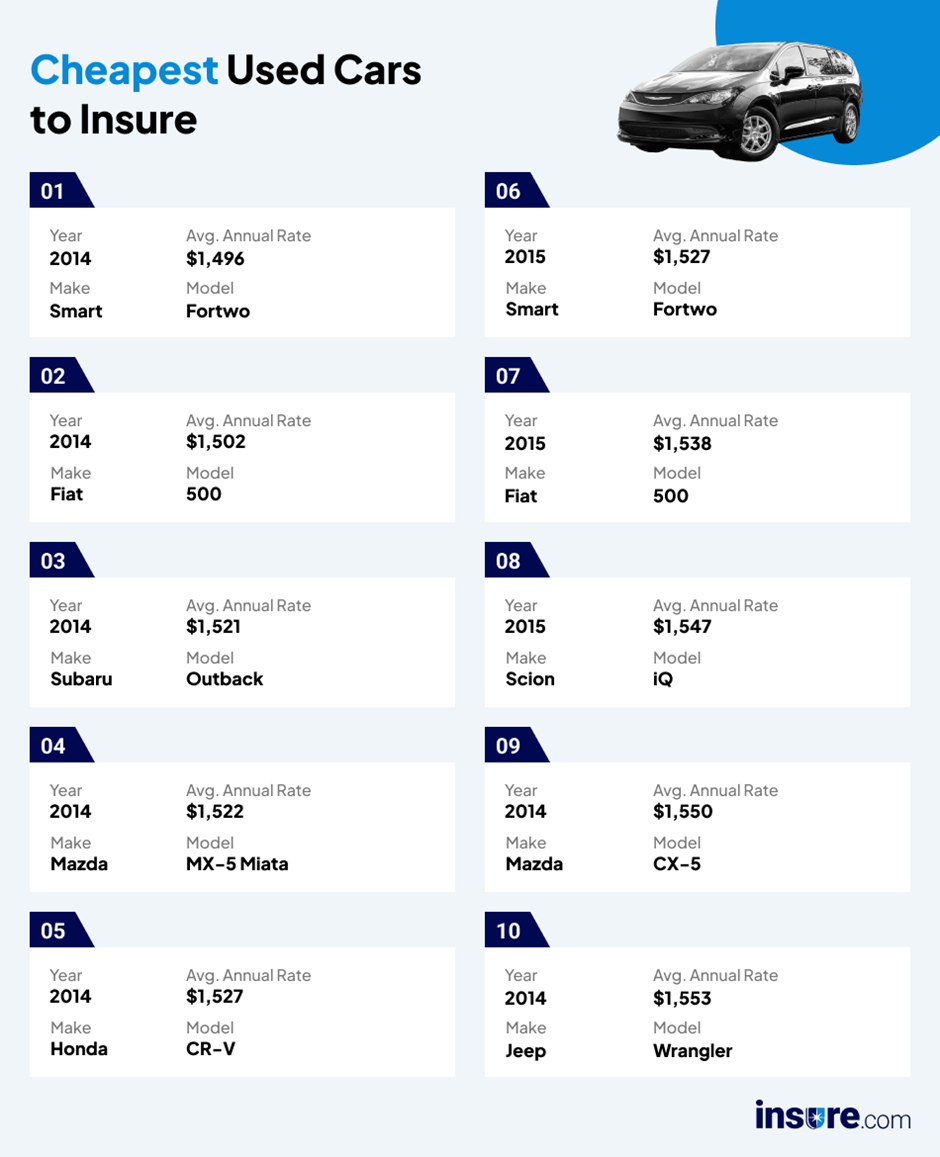
When purchasing a new car, research its insurance costs alongside its purchase price. Vehicles that are statistically safer, less frequently stolen, and cheaper to repair (due to readily available parts or simpler mechanics) generally have lower insurance premiums. High-performance or luxury vehicles often come with substantially higher insurance costs.
Review Your Policy Annually
Your life circumstances change, and so do insurance rates. At least once a year, preferably at renewal, review your policy with your agent or online. Update any changes in mileage, marital status, or vehicle modifications. Inquire about new discounts that may have become available and re-shop your policy to ensure you’re still getting the best deal.
The Sweet Spot: Balancing Cost and Protection
Finding the “right” amount for your auto insurance premium involves a continuous evaluation of your personal risk, financial capacity, and peace of mind. It’s not simply about finding the cheapest policy, but rather the most cost-effective one that provides robust protection.
Assessing Your Financial Risk Tolerance
Before finalizing your policy, honestly evaluate your financial resilience. How much could you comfortably afford to pay out-of-pocket for repairs or legal fees if you were involved in an accident? If your emergency fund is substantial, you might opt for higher deductibles to lower your premium. Conversely, if your liquid assets are limited, a lower deductible, despite its higher premium, might prevent significant financial strain after an incident. This personal assessment guides your decisions on deductibles and the extent of optional coverages.
Understanding the True Cost of an Accident
The costs associated with an auto accident extend far beyond vehicle repairs. Medical bills, lost wages, legal fees, and potential lawsuits for bodily injury or property damage can quickly accumulate to hundreds of thousands or even millions of dollars. Skimping on liability coverage might save you a few dollars monthly but could expose you to catastrophic financial ruin if you’re found at fault in a serious accident. A robust policy acts as a financial shield, protecting your assets and future earnings.
Future-Proofing Your Policy
Your insurance needs evolve with your life. Getting married, buying a home, having children, or acquiring significant assets all warrant a review of your auto insurance policy. These life events often mean you have more assets to protect, making higher liability limits and comprehensive coverages more critical. Conversely, as a car ages and depreciates, you might consider dropping collision and comprehensive coverage, especially if its market value is less than the potential deductible and annual premium. Regularly assessing your evolving circumstances ensures your auto insurance remains aligned with your current life stage and financial goals.
Ultimately, the ideal auto insurance premium is one that you can comfortably afford while providing sufficient financial protection against the inherent risks of driving. By diligently applying these strategies and understanding the nuances of policy construction, you can optimize your coverage and expenditure, securing peace of mind on the road.
aViewFromTheCave is a participant in the Amazon Services LLC Associates Program, an affiliate advertising program designed to provide a means for sites to earn advertising fees by advertising and linking to Amazon.com. Amazon, the Amazon logo, AmazonSupply, and the AmazonSupply logo are trademarks of Amazon.com, Inc. or its affiliates. As an Amazon Associate we earn affiliate commissions from qualifying purchases.