
In the intricate dance of personal finance, few questions resonate with as much universality and urgency as, “How much should I save from each paycheck?” It’s a question that echoes through the minds of recent graduates embarking on their careers, seasoned professionals navigating mid-life expenses, and those nearing retirement alike. While the desire to save is almost instinctual, translating that desire into a concrete, actionable plan can feel overwhelming. There’s no one-size-fits-all answer, as your ideal savings rate is deeply personal, influenced by your income, expenses, debt, and aspirations. However, understanding the foundational principles and popular guidelines can provide a robust framework, empowering you to build a financial future that aligns with your deepest goals.
This article will delve into the critical aspects of determining your optimal savings strategy, moving beyond generic advice to offer actionable insights. We’ll explore established financial rules, discuss how to tailor these to your unique life circumstances, and provide practical strategies to not only meet but exceed your savings targets, transforming the abstract concept of “saving” into a powerful tool for financial freedom.
The Foundational Principles of Paycheck Saving
Before you can even begin to assign a percentage to your savings, it’s crucial to lay a solid groundwork. Saving isn’t just about stashing money away; it’s about understanding your financial ecosystem and aligning your money with your life’s purpose.
Understanding Your Financial Landscape
The first step is always self-assessment. You need a clear, unvarnished view of your current financial situation. This involves:
- Income: Accurately determine your net (after-tax) income from all sources. This is the realistic pool of money you have to work with.
- Expenses: Track every penny you spend for at least a month, ideally two or three. Categorize these into fixed expenses (rent, loan payments, insurance) and variable expenses (groceries, entertainment, dining out). Many people are surprised by how much they spend on discretionary items once they see it laid bare.
- Debt: List all your outstanding debts, noting interest rates and minimum payments. High-interest debt, like credit card balances, can significantly erode your ability to save effectively.
Understanding these three components will reveal where your money is currently going and highlight potential areas for adjustment. It’s the diagnostic phase that precedes any prescription for saving.
The “Why” Behind Your Savings
Saving without a purpose is like driving without a destination. Your motivations are the fuel and the map for your savings journey. What are you saving for?
- Emergency Fund: This is paramount. Most financial experts recommend having 3-6 months’ worth of essential living expenses saved in an easily accessible, high-yield savings account. This protects you from unforeseen job loss, medical emergencies, or significant home/car repairs without derailing your financial progress or plunging you into debt.
- Retirement: Even if it feels decades away, retirement saving is non-negotiable. Compound interest is a powerful ally, and time is its greatest catalyst.
- Down Payment: Whether for a house, a car, or another substantial asset, earmarking funds for a large purchase provides a clear, motivating target.
- Education: For yourself or your children.
- Large Purchases or Experiences: A dream vacation, a new gadget, or a home renovation.
By identifying your specific goals, you can assign priorities and allocate funds strategically, making your savings efforts feel meaningful and tangible.
The Power of Automation
The single most effective strategy for consistent saving is automation. Once you’ve determined how much you want to save, set up an automatic transfer from your checking account to your savings account (or investment accounts) to occur on or immediately after each payday.
- Set it and Forget It: This removes the psychological barrier of manually transferring money and ensures you “pay yourself first” before discretionary spending begins.
- Consistency is Key: Automated savings build discipline and consistency over time, which are far more impactful than sporadic, large transfers.
- Avoid Temptation: By moving the money out of sight and out of mind, you reduce the temptation to spend it.
Automation transforms saving from a conscious effort into an ingrained habit, making it significantly easier to adhere to your financial plan.
Popular Savings Rules and Guidelines
While a personalized approach is best, several widely accepted financial rules can serve as excellent starting points or benchmarks for your savings journey. These guidelines offer a practical framework for allocating your income.
The 50/30/20 Rule Explained
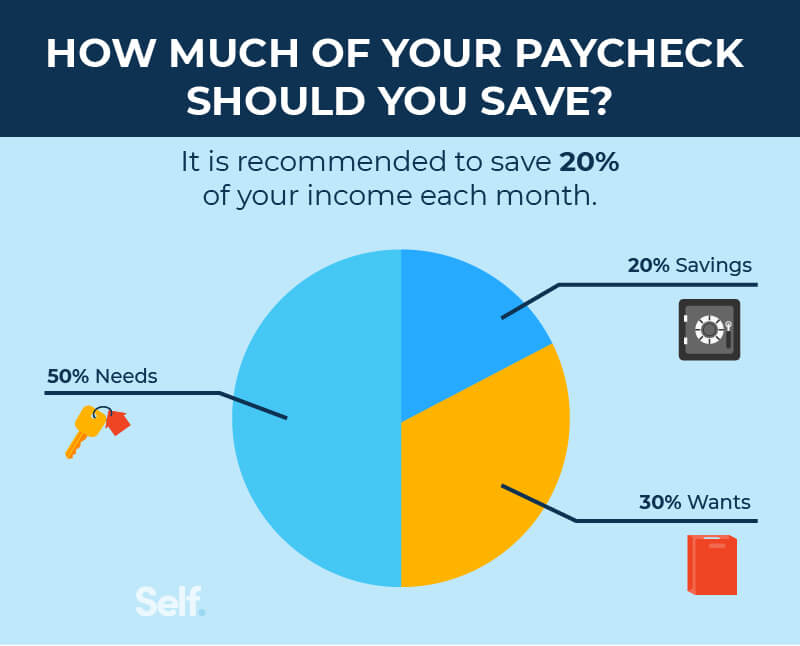
Perhaps the most famous budgeting guideline, the 50/30/20 rule, is championed by Senator Elizabeth Warren and her daughter Amelia Warren Tyagi in their book All Your Worth: The Ultimate Lifetime Money Plan. It provides a straightforward allocation:
- 50% for Needs: This category includes essential expenses like housing (rent/mortgage), utilities, groceries, transportation, insurance, and minimum debt payments. These are costs you cannot live without.
- 30% for Wants: These are discretionary expenses that improve your quality of life but aren’t strictly necessary. Examples include dining out, entertainment, hobbies, vacations, new clothes (beyond essentials), and streaming services.
- 20% for Savings & Debt Repayment: This crucial slice of your budget is dedicated to building your financial future. It includes contributions to your emergency fund, retirement accounts (401k, IRA), investment accounts, and any debt payments above the minimum required (e.g., aggressively paying down credit card or student loan debt).
For most people, aiming for the 20% savings and debt repayment portion is an excellent goal. If your minimum debt payments already consume a significant chunk of your income, you might initially find that a larger portion of this 20% goes towards debt, but the principle remains: dedicate a substantial portion to improving your net worth.
The 10% Rule (and Beyond)
A simpler, more accessible starting point for many is the 10% rule. This guideline suggests saving at least 10% of your gross income. While the 50/30/20 rule typically refers to net income for its percentages, the 10% rule can be applied to either gross or net.
- A Gentle Introduction: For those new to saving, or with tighter budgets, 10% can feel more achievable than 20%. The key is to start somewhere consistent.
- Gradual Increase: The true power of the 10% rule comes from the “beyond.” As your income increases, or as you pay off debt, incrementally raise your savings rate. Can you go from 10% to 12%? Then 15%? The goal is continuous improvement, leveraging raises or bonuses to “pay yourself more.” Many financial advisors recommend aiming for 15-20% of your gross income dedicated to retirement alone if you want a comfortable retirement.
Building an Emergency Fund First
Before diving into long-term investments or even aggressive debt repayment (unless it’s very high-interest debt), prioritizing an emergency fund is non-negotiable. This fund acts as a financial safety net, providing peace of mind and preventing financial derailment when life inevitably throws a curveball.
- Immediate Goal: Aim to save $1,000 as quickly as possible. This covers minor emergencies.
- Long-Term Goal: Build up to 3-6 months’ worth of essential living expenses. For those with less job security or single-income households, even 9-12 months might be prudent.
- Accessibility: Keep this money in a separate, high-yield savings account that is easily accessible but distinct from your everyday checking account. It shouldn’t be invested in the stock market where it could lose value when you need it most.
Without an emergency fund, every unexpected expense becomes a crisis, often forcing you into debt and undoing previous savings efforts. It’s the bedrock of any sound financial plan.
Tailoring Your Savings Strategy to Your Life Stage
Your savings goals and capabilities will naturally evolve throughout your life. What’s appropriate for someone in their 20s will differ significantly from someone in their 50s.
Early Career: Building Momentum
In your 20s and early 30s, the focus should be on establishing strong financial habits and leveraging the power of compound interest.
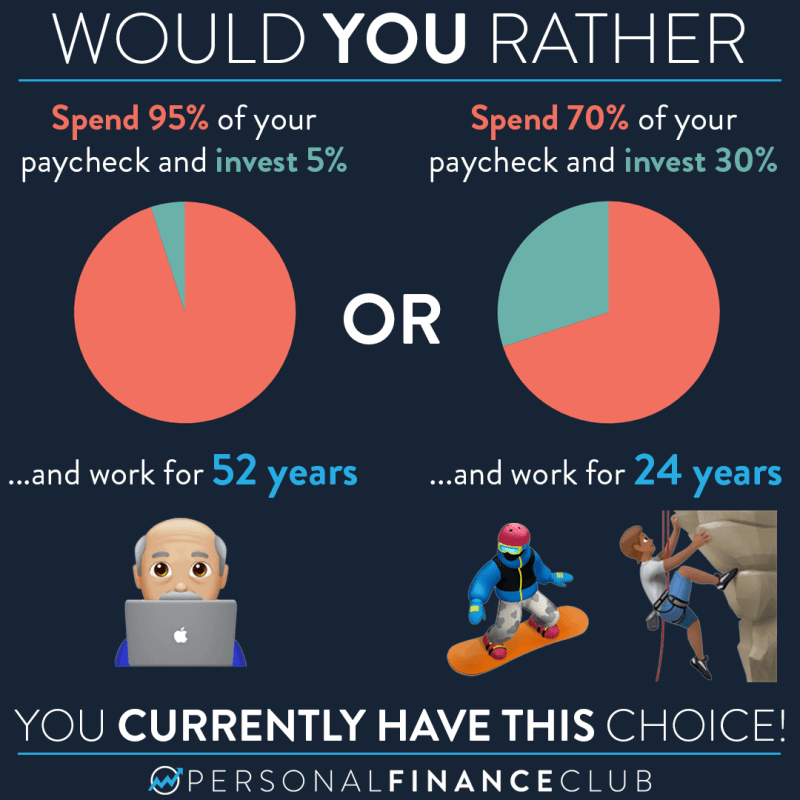
- Start Small, Start Now: Even if it’s just 5-10% of your paycheck, the most important thing is to begin saving and investing early. Time is your greatest asset.
- Maximize Employer Match: If your company offers a 401(k) match, contribute at least enough to get the full match – it’s free money!
- Prioritize Emergency Fund: Before heavy investing, build that foundational emergency fund.
- Balance Debt and Savings: While aggressive debt repayment (especially high-interest debt) is wise, don’t let it completely sideline your savings. A small, consistent savings habit alongside debt reduction is crucial.
Mid-Career: Balancing Growth and Responsibilities
As you move into your 30s and 40s, income typically rises, but so do responsibilities (mortgage, children, increased lifestyle).
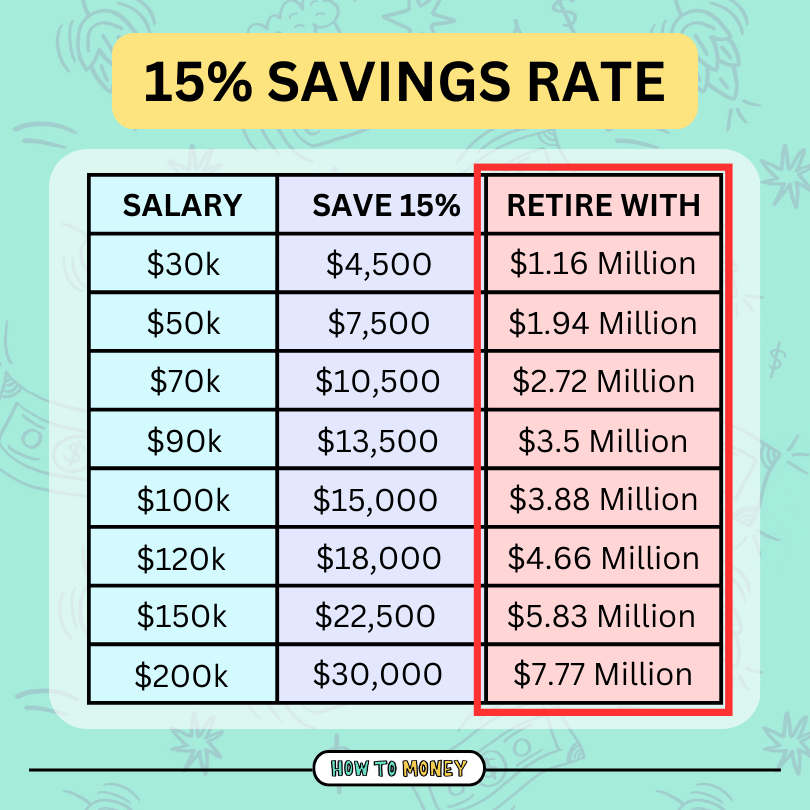
- Increase Contributions: Aim to increase your savings rate to 15-20% or more of your gross income, especially for retirement. Max out IRAs and 401(k)s if possible.
- Diversify Goals: Beyond retirement, you might be saving for a child’s education (529 plans), a larger home, or other significant life milestones.
- Review and Adjust: Regularly review your budget and financial plan. Life changes rapidly, and your savings strategy should adapt accordingly.
Nearing Retirement: Maximizing Contributions
In your 50s and 60s, the focus shifts to maximizing contributions and ensuring your portfolio is appropriately allocated for withdrawal.
- Catch-Up Contributions: If you’re 50 or older, the IRS allows you to make additional “catch-up” contributions to 401(k)s and IRAs, significantly boosting your retirement savings.
- Strategic Asset Allocation: Review your investment portfolio. As you get closer to retirement, you might gradually shift from higher-risk, higher-reward investments to more conservative assets to protect your nest egg.
- Assess Retirement Income: Work with a financial advisor to project your retirement income needs and ensure your savings trajectory will meet them.
The Role of Debt in Your Savings Plan
Debt, particularly high-interest consumer debt, can be a major impediment to saving.
- High-Interest Debt First: Generally, it’s wise to aggressively pay down credit card debt, payday loans, and other high-interest debts before significantly increasing your savings beyond an emergency fund. The guaranteed return from eliminating a 20% interest rate far outweighs potential investment returns.
- Good Debt vs. Bad Debt: Distinguish between “good debt” (low-interest mortgages, student loans that contribute to future earnings) and “bad debt.” Even good debt, if substantial, requires careful management alongside your savings goals.
- Debt Snowball or Avalanche: Choose a debt repayment strategy (paying smallest balances first for psychological wins, or highest interest rates first for mathematical efficiency) that motivates you.
Practical Strategies for Boosting Your Savings Rate
Regardless of your current financial standing, there are always ways to optimize and increase your savings rate.
Budgeting for Success
A budget isn’t a straitjacket; it’s a financial roadmap.
- Track Everything: Use apps, spreadsheets, or pen and paper to know where your money is going.
- Identify Waste: Once you see your spending habits, you can pinpoint areas where you can cut back without feeling deprived.
- Zero-Based Budgeting: Every dollar has a job. This can be particularly effective for ensuring no money is left unaccounted for.
- Reverse Budgeting: Focus solely on hitting your savings goal first, and then spend what’s left. This is particularly easy with automation.
Income Enhancement
Sometimes, the best way to save more is to earn more.
- Negotiate Raises: Regularly assess your market value and advocate for salary increases.
- Side Hustles: Explore opportunities to earn extra income outside your primary job, whether freelancing, gig work, or selling goods.
- Invest in Yourself: Acquire new skills or certifications that can lead to higher-paying roles.
Reducing Unnecessary Expenses
A critical review of your “wants” category can often uncover significant savings potential.
- Subscription Audit: Cancel unused streaming services, gym memberships, or app subscriptions.
- Meal Planning: Reduce dining out and grocery waste by planning meals.
- Shop Smarter: Look for deals, buy in bulk, and avoid impulse purchases.
- DIY: Learn to do minor repairs or tasks yourself instead of hiring someone.
Leveraging Financial Tools and Apps
Technology can be a powerful ally in your savings journey.
- Budgeting Apps: Mint, YNAB (You Need A Budget), Personal Capital, or Simplifi can automate expense tracking and help visualize your finances.
- High-Yield Savings Accounts: Ensure your emergency fund and short-term savings are in accounts that offer competitive interest rates, making your money work harder.
- Robo-Advisors: Services like Betterment or Wealthfront can help you automate investing with low fees and diversified portfolios.
Overcoming Common Savings Challenges
The path to financial security is rarely linear. You’ll encounter obstacles, but anticipating and preparing for them can help you stay on track.
Dealing with Unexpected Expenses
Life happens. A car repair, a medical bill, or a home emergency can strike at any time. This is precisely why your emergency fund is so critical. Instead of seeing these events as setbacks that derail your savings, view them as instances where your emergency fund performed its intended function. Replenish it as quickly as possible afterward.
Staying Motivated
Saving for long-term goals can feel like a marathon with no finish line in sight.
- Visualize Your Goals: Create vision boards or use apps that show your progress towards specific targets.
- Celebrate Milestones: Acknowledge and celebrate small victories (e.g., hitting your first $1,000 in savings, paying off a credit card). This positive reinforcement fuels motivation.
- Find an Accountability Partner: Discuss your goals with a trusted friend or family member who can offer encouragement and keep you accountable.
Adjusting When Income Changes
Life is dynamic. Job changes, promotions, or even temporary income reductions require flexibility.
- Increase When You Can: When you get a raise or a bonus, commit to saving a significant portion of that extra income before your lifestyle inflates.
- Adjust During Lean Times: If your income temporarily drops, don’t abandon saving altogether. Even a small amount is better than nothing. Re-evaluate your budget and make temporary cuts to discretionary spending until your income stabilizes.
Ultimately, the question of “how much should I save from each paycheck” is a continuous conversation you have with your finances. It’s about consistent effort, thoughtful planning, and the discipline to prioritize your future self. By implementing these principles and strategies, you can transform your relationship with money, moving from merely earning and spending to building lasting financial stability and freedom.
aViewFromTheCave is a participant in the Amazon Services LLC Associates Program, an affiliate advertising program designed to provide a means for sites to earn advertising fees by advertising and linking to Amazon.com. Amazon, the Amazon logo, AmazonSupply, and the AmazonSupply logo are trademarks of Amazon.com, Inc. or its affiliates. As an Amazon Associate we earn affiliate commissions from qualifying purchases.