
The question “How much should I make a year?” is deceptively simple, yet profoundly complex. It’s a query that resonates with nearly everyone, from recent graduates embarking on their careers to seasoned professionals contemplating their next move or planning for retirement. Unlike a fixed universal benchmark, the “right” annual income is a deeply personal figure, shaped by individual circumstances, aspirations, lifestyle choices, and economic realities. It’s not just about earning more; it’s about earning enough to support your life, achieve your goals, and build a secure future.
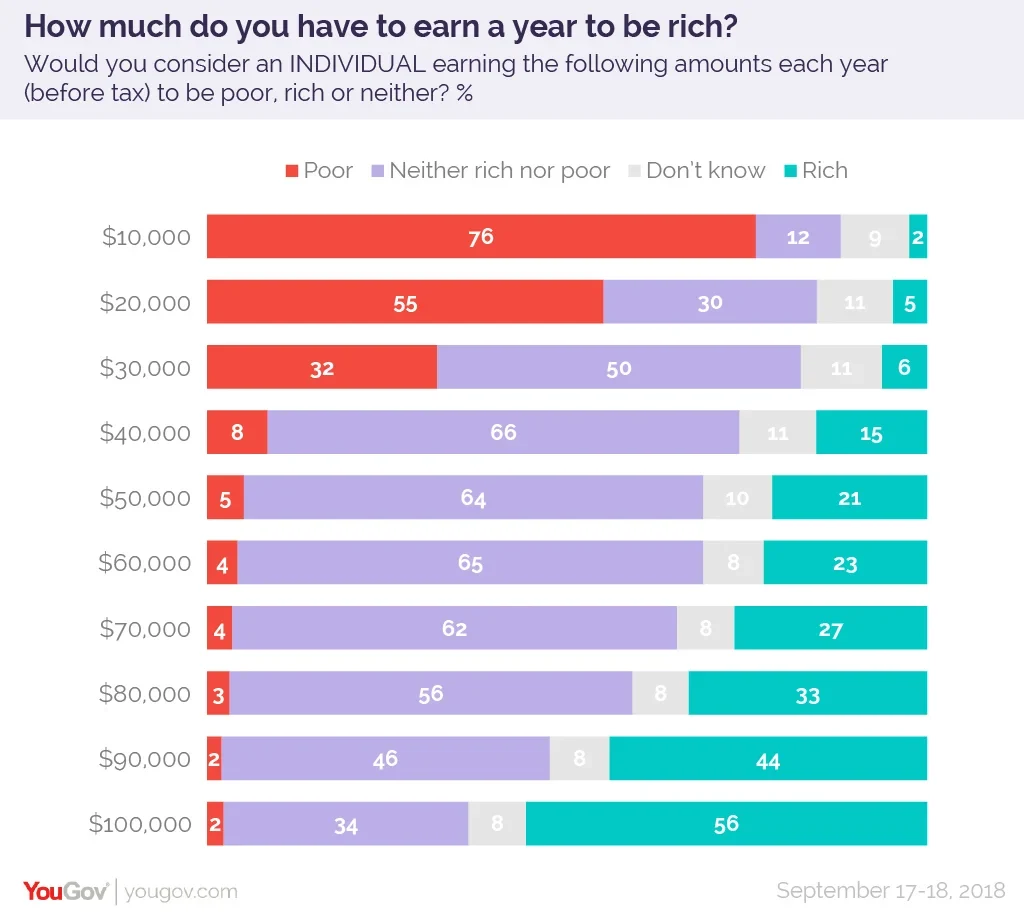
This article will guide you through a comprehensive framework to answer this crucial question for yourself. We’ll move beyond generic averages and delve into the specifics of your financial landscape, your value in the market, and your long-term wealth objectives. By the end, you should have a clearer understanding of how to define your personal financial north star.
Beyond Averages: Understanding Your Personal Financial Landscape
Blindly comparing your income to national averages or a peer’s salary can be a misleading and often disheartening exercise. What’s “enough” for one person might be insufficient for another, even in the same city or profession. Your personal financial landscape is unique, sculpted by your choices, responsibilities, and geographical location.
Deconstructing Your Current Financial Situation
Before you can determine what you should make, you need a crystal-clear picture of what you need to make. This involves a thorough audit of your current income and, more critically, your expenses. Begin by tracking every dollar in and out for at least a month, ideally three. Categorize your spending diligently.
-
Fixed Expenses: Rent/mortgage, loan payments (student, car, personal), insurance premiums, subscriptions, utilities. These are predictable and generally don’t change month-to-month.
-
Variable Expenses: Groceries, transportation, dining out, entertainment, clothing, personal care. These fluctuate and offer areas for potential adjustment.
-
Irregular Expenses: Medical bills, car repairs, home maintenance, holiday gifts. These are less frequent but need to be accounted for through savings.
Understanding where your money goes is the foundational step. It reveals your baseline cost of living and highlights areas where your current income might be falling short, or conversely, exceeding your immediate needs.
The Myth of the “Average” Income
While income data and statistics can offer broad contextual insights, relying on them to define your personal target is often flawed. Averages can be skewed by extremely high earners, or they might not account for your specific cost of living. For instance, an “average” salary in a low-cost-of-living area might be significantly higher than what’s truly needed to live comfortably there, while the same average in a major metropolitan area like New York City or San Francisco would likely leave you struggling.
Furthermore, averages rarely consider individual circumstances such as dependents, unique medical costs, or significant debt burdens. Your income goal should be tailored to your life, not a statistical mean that doesn’t reflect your reality.
Lifestyle Inflation and Its Impact
A common trap in financial planning is lifestyle inflation, also known as “lifestyle creep.” This phenomenon occurs when your spending increases in tandem with your income. As you earn more, you might upgrade your living situation, buy a newer car, eat out more frequently, or indulge in more expensive hobbies. While enjoying the fruits of your labor is healthy, unchecked lifestyle inflation can negate the positive impact of higher earnings, making you feel perpetually in need of more money, even as your income rises. To truly determine “how much you should make,” it’s vital to differentiate between essential needs and discretionary wants, and to guard against the automatic escalation of the latter with every pay raise.
The Core Components of Your Ideal Income: Needs, Wants, and Goals
Once you understand your current spending habits and the pitfalls of lifestyle inflation, the next step is to proactively define the components that make up your ideal annual income. This isn’t just about covering existing expenses; it’s about strategically allocating funds for your desired lifestyle, financial security, and future aspirations.
Calculating Your Baseline Living Expenses
This is the non-negotiable floor of your income requirement. It covers all your fixed and essential variable expenses.
-
Housing: Mortgage/rent, property taxes, home insurance, utilities (electricity, gas, water, internet).
-
Food: Groceries, essential household supplies.
-
Transportation: Car payments, insurance, fuel, public transport, maintenance.
-
Healthcare: Health insurance premiums, out-of-pocket medical costs.
-
Debt Servicing: Minimum payments on credit cards, student loans, personal loans.
-
Basic Communication: Cell phone, essential internet.
Add these up for a monthly total, then multiply by 12 to get your annual baseline. This is the absolute minimum you need to earn to cover your survival needs without falling into debt.
Allocating for Discretionary Spending and Lifestyle Choices
Beyond your baseline needs, your ideal income should fund the lifestyle you desire. This category includes:
-
Entertainment: Movies, concerts, hobbies, dining out.
-
Travel: Vacations, weekend trips.
-
Personal Care: Haircuts, spa treatments, gym memberships.
-
Shopping: Clothing, electronics, non-essential household items.
-
Charitable Giving: Donations to causes you care about.
Be realistic about your desired lifestyle. If you envision annual international travel, frequent restaurant meals, and a robust social life, your income target will naturally be higher than someone who prefers a more frugal existence. This is where personal values and priorities come into play.
Funding Your Short-Term and Long-Term Financial Goals
A truly robust income plan goes beyond current consumption. It actively saves and invests for the future.
-
Emergency Fund: Aim for 3-6 months (or even 12 months for freelancers/business owners) of living expenses saved in an easily accessible account. This protects you from unexpected job loss, medical emergencies, or large unplanned expenses.
-
Short-Term Goals: Saving for a down payment on a car, a significant purchase, or a specific vacation within the next 1-3 years.
-
Long-Term Goals: Retirement (401k, IRA), a down payment on a home, children’s education, starting a business, future investments. These require consistent, often automated, contributions over many years.
Factor in how much you need to set aside monthly for these goals and add them to your total. For example, if you aim to contribute $6,000 to an IRA annually and save $5,000 for a down payment, that’s an additional $11,000 you need to earn beyond your needs and wants.
The Role of Debt Servicing
While minimum debt payments are part of your baseline expenses, actively paying down high-interest debt (like credit card balances) faster can be a significant component of your “should make” calculation. Every dollar you allocate to accelerated debt repayment is a dollar that frees up future income and reduces interest paid over time, effectively increasing your net worth. Incorporate a plan for aggressive debt reduction if it’s a priority, understanding that this will temporarily increase your required income but provide long-term financial liberation.
Assessing Your Market Value and Strategic Earning Potential
Once you’ve clarified your internal financial needs, it’s time to look externally. What does the market say about your worth? Understanding your market value empowers you to set realistic income targets and negotiate effectively.
Researching Industry Benchmarks and Salary Ranges
Leverage available resources to understand what others with similar skills, experience, and roles are earning.
-
Salary Websites: Websites like Glassdoor, Salary.com, LinkedIn Salary, and Payscale offer valuable insights into salary ranges for specific job titles, industries, and locations.
-
Industry Reports: Many professional organizations publish annual salary surveys for their respective fields.
-
Networking: Talk to colleagues, mentors, and recruiters. Be discreet and professional, but gathering anecdotal evidence can provide a nuanced perspective.
These benchmarks provide a practical range for what you could make, helping you align your internal financial needs with external market realities.
Valuing Your Skills, Experience, and Education

Your market value isn’t just about your job title; it’s about the unique combination of skills, experience, and education you bring to the table.
-
Specialized Skills: Are your skills in high demand? Do you possess certifications or expertise that are rare or critical to your industry?
-
Experience Level: Entry-level, mid-career, senior, and executive roles command vastly different salaries. Your years in the field and the depth of your experience are key factors.
-
Education and Credentials: Advanced degrees, professional licenses, and industry-specific certifications can significantly boost your earning potential.
-
Soft Skills: Communication, leadership, problem-solving, and adaptability are increasingly valued and can justify higher compensation.
Clearly articulate your value proposition. Document your achievements, quantifiable results, and the impact you’ve had in previous roles. This evidence is crucial for justifying a higher salary.
Leveraging Negotiation and Career Advancement
Knowing your market value is only half the battle; the other half is effectively advocating for yourself.
-
Salary Negotiation: Always negotiate your salary and benefits when receiving a job offer or during performance reviews. Be prepared with research, articulate your value, and be confident in your ask. Remember that total compensation includes not just salary but also bonuses, equity, health benefits, retirement contributions, paid time off, and professional development opportunities.
-
Career Advancement: Strategically plan your career path. This might involve acquiring new skills, pursuing further education, seeking promotions, or moving to a different company or industry that offers better compensation for your expertise.
-
Performance Reviews: Use these as opportunities to demonstrate your contributions and discuss your salary expectations based on your performance and market value.
Proactively managing your career and negotiating effectively are powerful levers in aligning your actual income with your desired income.
Exploring Multiple Income Streams
For many, a single salary may not be enough to meet their “should make” target or to achieve their financial goals expediently. Exploring multiple income streams can be a powerful strategy.
-
Side Hustles: Freelancing, consulting, teaching, gig work (e.g., ridesharing, delivery), content creation. These can leverage existing skills or develop new ones.
-
Passive Income: Investments (stocks, bonds, real estate), rental properties, royalties, digital products. While often requiring initial effort or capital, they can generate income with less ongoing active involvement.
-
Business Ventures: Starting your own small business, whether full-time or part-time, offers significant control over your income potential, albeit with higher risk and responsibility.
Diversifying your income sources can provide financial resilience, accelerate savings, and offer more flexibility in achieving your income objectives.
Building a Roadmap for Financial Growth and Wealth Accumulation
Defining “how much should I make a year” isn’t a static calculation; it’s an evolving target that requires continuous planning and adaptation. Your income goals will change as your life circumstances, aspirations, and economic environment shift.
Setting Incremental Income Targets
It’s rare to jump from one income level to a significantly higher one overnight. Instead, think in terms of incremental targets.
-
Short-Term Targets (1-2 years): Focus on a specific raise, promotion, or a new side income stream that brings you closer to your ideal.
-
Mid-Term Targets (3-5 years): Plan for more significant career advancements, skill acquisition, or debt reduction milestones that will free up more disposable income.
-
Long-Term Targets (5+ years): Envision your ideal financial state, including retirement readiness, homeownership, or significant wealth accumulation, and map out the annual income required to get there.
Breaking down your overall goal into manageable, achievable steps makes the journey less daunting and provides clear milestones to celebrate.
Investing for the Future: Beyond Just Saving
While saving is crucial for short-term goals and emergency funds, investing is how you build long-term wealth and make your money work for you.
-
Start Early: Compounding interest is a powerful force. The earlier you start investing, the more time your money has to grow.
-
Diversify: Don’t put all your eggs in one basket. Invest across different asset classes (stocks, bonds, real estate) and industries.
-
Automate: Set up automatic contributions to your investment accounts (401k, IRA, brokerage accounts) to ensure consistency.
-
Understand Risk: Educate yourself on the risks associated with different investments and choose strategies that align with your risk tolerance and financial goals.
An ideal annual income allows you to not only live comfortably but also to consistently contribute to investments that will secure your financial future, potentially even allowing you to eventually live off investment income.
Adapting to Economic Changes and Life Stages
Your income target should be flexible. Economic downturns, inflation, unexpected expenses, family changes (marriage, children, elder care), and career shifts can all impact your financial needs and earning capacity.
-
Regular Review: Revisit your “how much should I make” calculation annually, or whenever significant life changes occur. Adjust your budget, savings goals, and income strategies as needed.
-
Contingency Planning: Build financial buffers (like your emergency fund) to weather unforeseen challenges without derailing your long-term goals.
-
Continuous Learning: Stay informed about economic trends, your industry, and personal finance strategies to make agile decisions.
The Power of Financial Education and Continuous Learning
The more you understand about personal finance, investing, taxation, and market dynamics, the better equipped you will be to manage your money and maximize your earning potential. Read books, listen to podcasts, take online courses, and stay updated on financial news. Knowledge is power, especially when it comes to your money. This continuous learning directly contributes to your ability to define and achieve your ideal annual income.
Practical Tools and Resources for Defining Your Income Target
Navigating the complexities of personal finance doesn’t have to be a solo journey. A variety of tools and resources are available to help you gain clarity and make informed decisions about your income goals.
Utilizing Budgeting Apps and Financial Planners
Modern technology offers a wealth of tools to track your income and expenses, set budgets, and monitor your financial progress.
-
Budgeting Apps: Apps like Mint, YNAB (You Need A Budget), Personal Capital, or Simplifi can automate expense tracking, categorize spending, and provide visual insights into your financial health. They help you stick to your self-defined “needs” and “wants.”
-
Spreadsheets: For those who prefer a more hands-on approach, custom spreadsheets can be incredibly powerful for detailed financial planning and projection.
-
Retirement Calculators: Many financial institutions and independent websites offer calculators to help you estimate how much you need to save for retirement and project your future income needs in retirement.
These tools provide the granular data necessary to make precise calculations about your current and future income requirements.
Seeking Professional Financial Advice
While self-education is vital, a certified financial planner (CFP) can provide personalized guidance tailored to your specific situation.
-
Holistic Planning: A CFP can help you create a comprehensive financial plan that integrates your income goals with your savings, investments, tax strategy, and estate planning.
-
Objective Perspective: They can offer an unbiased view of your finances, identify blind spots, and help you make emotionally detached decisions.
-
Expert Knowledge: CFPs are knowledgeable about complex financial products, tax laws, and market trends, providing expertise you might not have.
For significant financial decisions or complex situations, the investment in a good financial advisor can yield substantial long-term benefits.
The Value of Peer Networks and Mentorship
Sometimes, the best insights come from those who have walked a similar path.
-
Peer Networks: Engage with colleagues, professional organizations, or online communities. Discussing financial topics (respectfully and discreetly) can offer diverse perspectives on compensation, career growth, and financial challenges.
-
Mentorship: Seek out mentors who have achieved success in your field or who demonstrate strong financial acumen. Their advice and experiences can be invaluable in guiding your career and financial decisions.
Learning from others’ successes and mistakes can help refine your own approach to income generation and wealth building.
The question “How much should I make a year?” doesn’t have a single, universal answer. It demands a thoughtful, personalized approach that integrates your current financial reality, your desired lifestyle, your long-term goals, and your market value. By meticulously calculating your expenses, strategically planning for savings and investments, continuously assessing your earning potential, and leveraging available tools and expertise, you can confidently define your ideal annual income. This isn’t just about a number; it’s about building a financial framework that supports the life you envision, providing both security and the freedom to pursue your deepest aspirations.
aViewFromTheCave is a participant in the Amazon Services LLC Associates Program, an affiliate advertising program designed to provide a means for sites to earn advertising fees by advertising and linking to Amazon.com. Amazon, the Amazon logo, AmazonSupply, and the AmazonSupply logo are trademarks of Amazon.com, Inc. or its affiliates. As an Amazon Associate we earn affiliate commissions from qualifying purchases.