
The question, “How much should I be making?” is a fundamental one that echoes in the minds of professionals across every industry and career stage. It’s a query driven by aspirations for financial security, a desire for fair compensation, and often, a comparison to peers or societal expectations. Beyond the simple numerical answer, this question delves into the intricate relationship between one’s skills, experience, location, industry, and personal financial goals. Understanding your true market value and strategically planning your financial journey are critical steps in ensuring you are not just earning, but thriving. This article will explore the multifaceted nature of this question, providing insights and actionable strategies to help you assess your earning potential and build a robust financial future.
Decoding Your Market Value: The Foundations of Fair Compensation
Before you can determine “how much you should be making,” it’s essential to understand what factors collectively define your market value. This isn’t just about your job title; it’s a comprehensive assessment of your unique contribution to the economy.
Key Determinants: Skills, Experience, and Education
At the core of your market value are your skills, both hard and soft. Hard skills (e.g., coding languages, financial modeling, graphic design) are quantifiable abilities crucial for specific tasks, while soft skills (e.g., leadership, communication, problem-solving) facilitate effective collaboration and innovation. The demand for these skills, coupled with their scarcity, significantly influences their monetary value. For instance, expertise in emerging technologies or niche industries often commands higher salaries due to limited talent pools.
Experience is another critical pillar. Entry-level positions naturally come with lower compensation, as employers are investing in training and development. As you accumulate years of relevant experience, demonstrate a track record of success, and take on greater responsibilities, your value to an organization typically rises. Each promotion or successful project adds a layer to your professional worth.
Education and specialized certifications also play a substantial role. A bachelor’s degree is often a baseline requirement, but advanced degrees (Master’s, Ph.D., MBA) or professional certifications (CFA, PMP, CPA) can significantly elevate earning potential by signifying a higher level of expertise and commitment to a particular field. These credentials often open doors to more complex and higher-paying roles.
Geographical Impact and Cost of Living
Where you live and work profoundly affects salary expectations. Major metropolitan areas with higher costs of living (e.g., New York City, San Francisco, London) generally offer higher salaries to offset expenses like rent, transportation, and daily necessities. Conversely, roles in smaller towns or regions with lower living costs may come with comparatively lower paychecks. When evaluating salary offers, it’s crucial to consider the purchasing power of that income in your specific location, rather than just the absolute figure. A seemingly lower salary in a low-cost area might offer a higher quality of life than a significantly higher salary in an expensive city.
Industry Standards and Company Size
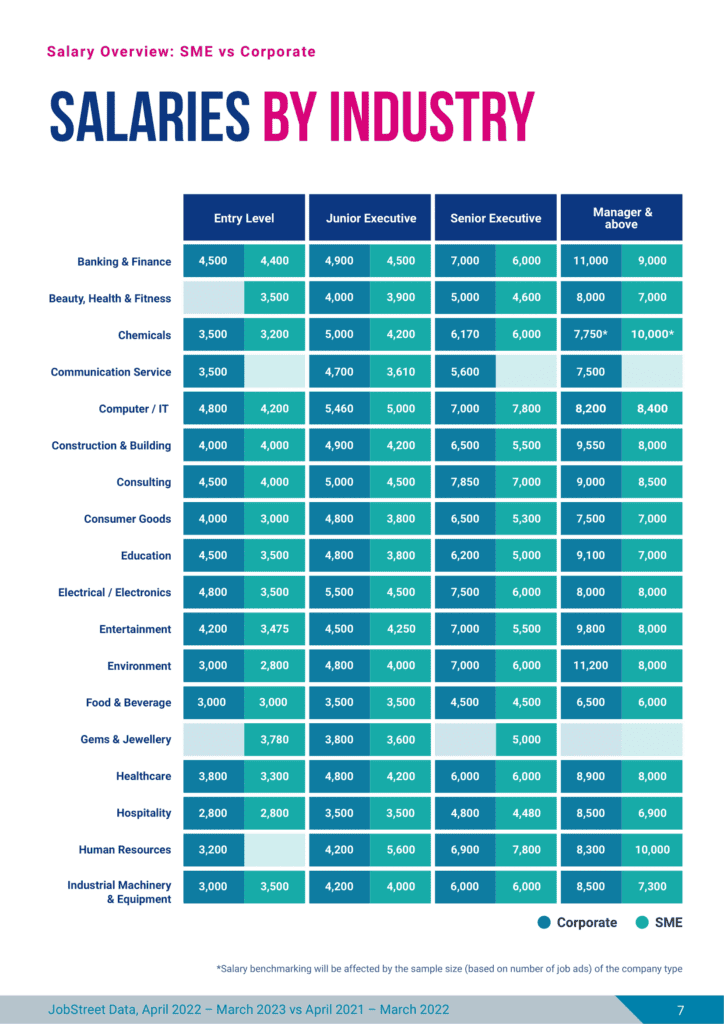
Different industries have vastly different compensation structures. Technology, finance, and healthcare, for example, often boast higher average salaries due to high demand, specialized skill requirements, and the revenue-generating potential of these sectors. Conversely, non-profit, education, or certain creative fields might offer lower monetary compensation, sometimes balanced by other forms of job satisfaction or benefits.
The size and type of company also play a part. Large, established corporations often have more structured pay scales, comprehensive benefits, and greater capacity to offer higher salaries than smaller startups or non-profits, which might offer equity, flexibility, or a greater sense of direct impact as alternative forms of compensation.
Beyond Base Salary: Understanding Total Compensation Packages
Focusing solely on your base salary can lead to an incomplete picture of your true compensation. A holistic view includes the entire “total compensation package,” which encompasses:
- Bonuses: Performance-based, sign-on, or year-end bonuses.
- Benefits: Health, dental, and vision insurance; retirement plans (401k, pension, matching contributions); paid time off (vacation, sick leave, holidays).
- Equity: Stock options, restricted stock units (RSUs), or other forms of ownership in the company, particularly common in tech startups.
- Perks: Wellness programs, professional development stipends, tuition reimbursement, flexible work arrangements, childcare assistance, commuter benefits, and even free meals.
These elements can add substantial value, sometimes equivalent to tens of thousands of dollars annually. When assessing how much you “should” be making, always consider the complete package.
Aligning Income with Your Financial Landscape and Aspirations
Once you understand your market value, the next step is to evaluate that value against your personal financial needs and aspirations. What you can make and what you need to make are often two different figures.
The Bare Minimum: Covering Essential Living Costs
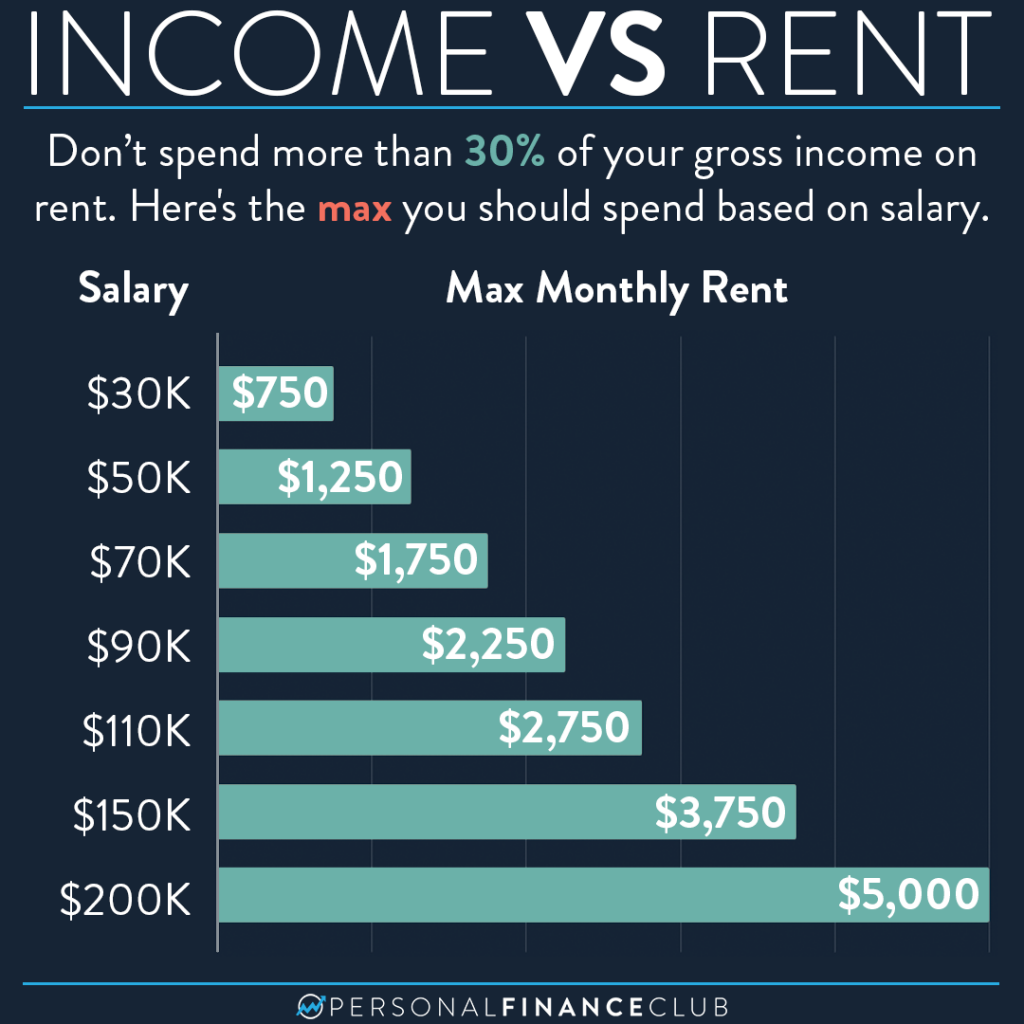
The absolute minimum you should be making is enough to cover your essential living expenses. This includes housing (rent/mortgage), utilities, groceries, transportation, insurance, and necessary healthcare. Create a detailed budget to understand these non-negotiable costs. Falling below this threshold indicates financial instability and a need to either increase income or drastically reduce expenses. This is your personal “survival salary.”
Fueling Your Future: Savings, Debt Reduction, and Investment Goals
Beyond the essentials, a healthy income allows you to work towards your financial goals. This means having enough left over to save for emergencies (a 3-6 month expense fund), pay down high-interest debt (credit cards, personal loans), contribute to retirement accounts (401k, IRA), and invest for long-term wealth creation. If your current income barely covers essentials, it leaves little room for future planning, making you vulnerable to unexpected financial shocks and delaying your journey to financial independence. A robust income empowers you to systematically allocate funds towards these critical objectives.
Lifestyle Considerations: Wants vs. Needs
Your desired lifestyle plays a significant role in your perceived income needs. Do you aspire to travel frequently, dine out regularly, own a larger home, or pursue expensive hobbies? These “wants” are valid aspirations, but they come with a price tag. It’s crucial to distinguish between needs and wants when evaluating your income. While a higher salary can certainly facilitate a more comfortable lifestyle, it’s also important to ensure your wants don’t perpetually outpace your earnings, leading to an endless cycle of needing “more.” Sometimes, adjusting lifestyle expectations can be as impactful as increasing income.
The Often-Overlooked Factor: Financial Security and Contingency Funds
True financial well-being isn’t just about covering monthly bills; it’s about peace of mind. An adequate income allows you to build a robust emergency fund, secure appropriate insurance coverage (life, disability, homeowners/renters), and potentially save for large, unforeseen expenses like a home repair or a medical emergency. This layer of financial security reduces stress and provides a buffer against life’s unpredictable challenges, ensuring that a sudden setback doesn’t derail your entire financial plan.
Strategic Pathways to Enhance Your Earning Power
Once you’ve assessed your market value and understood your financial needs, the next logical step is to explore strategies to bridge any gaps and proactively increase your earning power.
Continuous Skill Development and Upskilling
The professional landscape is constantly evolving. To remain competitive and increase your value, continuous learning is non-negotiable. Identify in-demand skills within your industry or adjacent fields and actively pursue opportunities to acquire them. This could involve online courses (Coursera, edX, LinkedIn Learning), professional certifications, workshops, or even self-directed learning through books and industry publications. Specializing in a high-demand, niche area can significantly boost your earning potential.
The Art of Salary Negotiation: Research, Practice, and Confidence
One of the most direct ways to increase your income is through effective salary negotiation, whether for a new job or a raise in your current role. This isn’t about demanding; it’s about demonstrating your value.
- Research: Arm yourself with data. Use salary aggregators (Glassdoor, LinkedIn Salary, Salary.com, Bureau of Labor Statistics) to understand the typical compensation range for your role, experience level, and location.
- Quantify Your Value: Document your accomplishments with specific metrics and results. How have you saved the company money, generated revenue, improved processes, or led successful projects?
- Practice: Rehearse your negotiation points to feel confident and articulate.
- Be Prepared to Walk Away (or Push Back): Understand your bottom line. If an offer doesn’t meet your essential needs or market value, be prepared to respectfully decline or ask for time to consider.
Remember to negotiate the entire compensation package, not just the base salary.
Proactive Career Advancement: Promotions and Role Changes
Actively seek opportunities for promotions and career advancement within your current organization. This requires:
- Performing at a High Level: Consistently exceed expectations in your current role.
- Taking Initiative: Volunteer for challenging projects, lead initiatives, and demonstrate leadership potential.
- Communicating Your Aspirations: Make your career goals known to your manager and mentors.
- Networking Internally: Build relationships with key decision-makers and influencers.
If internal opportunities are limited or your growth is stagnant, consider exploring external opportunities. Sometimes, moving to a different company or even a different industry is the quickest way to achieve a significant jump in salary and responsibility. Each new role should ideally build on your experience and lead to a higher compensation ceiling.
Diversifying Income: Side Hustles, Freelancing, and Investments
Relying on a single income stream can be risky. Diversifying your income can significantly increase your overall earning power and financial resilience.
- Side Hustles: Turn a hobby or a skill into an additional revenue stream. This could be anything from freelance writing, graphic design, tutoring, web development, consulting, or selling products online.
- Freelancing: Offer your professional skills on a project basis outside of your primary employment. This can provide extra income and valuable experience.
- Investments: Leverage your existing income to generate passive income through investments. This includes stocks, bonds, real estate, mutual funds, or starting a small business. Over time, investment income can become a substantial part of your overall earnings.
Recognizing When It’s Time for a Change: Signs You Might Be Underpaid
It’s crucial to periodically re-evaluate your compensation to ensure you are being fairly paid. Ignoring the signs of being underpaid can lead to prolonged financial stagnation and career dissatisfaction.
Peer Comparisons and Industry Benchmarks
If your peers with similar experience, skills, and roles in comparable companies are making significantly more, it’s a strong indicator that you might be underpaid. Regularly check industry salary reports and anonymized compensation data. While you shouldn’t compare yourself to everyone, a consistent discrepancy warrants attention.
Stagnant Salary Growth Over Time
In a healthy career trajectory, your salary should generally increase over time, reflecting your growing experience and contributions, as well as inflation. If your annual raises are minimal (e.g., only 1-2%) and barely keep pace with or even fall behind inflation, your real purchasing power is diminishing. Stagnant salary growth over several years, especially when taking on more responsibility, is a red flag.
Unmet Financial Goals Despite Prudent Management
You’ve budgeted meticulously, cut unnecessary expenses, and are diligent about saving, yet you’re still struggling to meet your financial goals – be it saving for a down payment, paying off debt, or building your retirement fund. If you’re doing everything “right” on the expense side, but still falling short, your income might be the limiting factor.
Feeling Undervalued: The Psychological Impact
Beyond the numbers, if you consistently feel undervalued, unappreciated, or that your efforts are not commensurate with your compensation, it can take a significant toll on your morale and motivation. While not a direct financial metric, this feeling often correlates with actual underpayment and can be a strong signal that it’s time to advocate for yourself or explore other opportunities.
The Long-Term Vision: Earning for Wealth, Not Just Income
Ultimately, the question “How much should I be making?” isn’t just about the immediate paycheck. It’s about how that income serves your broader financial journey towards wealth creation and financial independence.
Shifting Focus from Gross Income to Net Worth
Many focus solely on their gross income, but a truly insightful financial perspective shifts focus to net worth – the total value of your assets minus your liabilities. A high income is excellent, but if it’s entirely consumed by lavish spending or significant debt, your net worth won’t grow. Conversely, a moderate income, coupled with diligent saving and smart investing, can lead to substantial wealth accumulation over time. The goal is to maximize the delta between your income and expenses, and effectively deploy that surplus.
Leveraging Income for Investment and Asset Growth
Your income is your most powerful tool for building wealth. Instead of merely seeing it as a means to cover expenses, view it as capital to be strategically allocated. Prioritize investing a portion of your income consistently. Whether it’s through retirement accounts, taxable brokerage accounts, or real estate, every dollar invested has the potential to grow exponentially over time, thanks to the power of compound interest. The higher your discretionary income, the more you can invest, accelerating your journey to financial freedom.
The Path to Financial Independence: More Than a Salary Figure
Financial independence (FI) is the state where your passive income covers your living expenses, allowing you to choose whether or not to work. While a higher income can certainly accelerate the path to FI, it’s not solely about the salary figure. It’s about your savings rate, investment strategy, and spending habits. Someone earning $200,000 but spending $180,000 will reach FI much slower than someone earning $100,000 and spending $40,000. Understanding how much you need to make is directly tied to your FI number and the timeline you set for achieving it.

Regular Financial Review and Adjustment
Your ideal income is not a static number. Life circumstances change – you might get married, have children, buy a house, or face unexpected medical expenses. Economic conditions shift, and your career evolves. Therefore, it’s essential to conduct regular financial reviews, ideally annually, to reassess your budget, financial goals, investment performance, and earning potential. This ongoing evaluation ensures your income is always aligned with your current life stage, aspirations, and the ever-changing financial landscape.
In conclusion, the question “How much should I be making?” is a deeply personal and dynamic one. It requires a comprehensive understanding of your market value, a realistic assessment of your financial needs and goals, proactive strategies to enhance your earning power, and a long-term vision focused on wealth creation. By taking a strategic and informed approach, you can move beyond simply asking the question and confidently chart a course towards a financially secure and prosperous future.
aViewFromTheCave is a participant in the Amazon Services LLC Associates Program, an affiliate advertising program designed to provide a means for sites to earn advertising fees by advertising and linking to Amazon.com. Amazon, the Amazon logo, AmazonSupply, and the AmazonSupply logo are trademarks of Amazon.com, Inc. or its affiliates. As an Amazon Associate we earn affiliate commissions from qualifying purchases.