
Understanding the monthly cost of health insurance is a critical component of personal financial planning, yet it’s often one of the most perplexing. There’s no single, straightforward answer to “how much should health insurance cost a month” because the price is a complex interplay of personal circumstances, geographic location, chosen plan, and broader market dynamics. For many, health insurance represents a significant recurring expense, second only to housing and transportation. Navigating this landscape requires not just an understanding of premiums, but also a deeper insight into the factors that drive these costs and the options available to manage them effectively.

Health insurance isn’t merely a bill; it’s an essential financial safeguard against the potentially catastrophic costs of illness, injury, or chronic conditions. It provides access to preventive care, necessary medical treatments, prescription drugs, and mental health services, all of which contribute to overall well-being and financial stability. This article will demystify the cost of health insurance, breaking down the key determinants, exploring different coverage avenues, and offering practical strategies to optimize your spending while ensuring adequate protection.
Unpacking the Complexities of Health Insurance Premiums
At its core, health insurance pricing is a sophisticated actuarial science, balancing the collective health risks of a population against the financial outlays for medical services. Insurers don’t just pull numbers out of thin air; they analyze vast amounts of data to project future healthcare utilization and associated costs.
The Interplay of Risk Pools and Actuarial Science
Insurance operates on the principle of risk pooling. A large group of individuals (the “pool”) pays premiums, and these funds are used to cover the medical expenses of those in the group who need care. Actuaries determine premium rates by assessing the overall health status, age distribution, and historical healthcare usage within a specific population. Factors like the prevalence of chronic diseases, anticipated major medical events, and the cost of new medical technologies all feed into these complex calculations. The goal is to set premiums high enough to cover expected claims and administrative costs, plus a reasonable profit margin, while remaining competitive in the market. A “sicker” risk pool generally leads to higher premiums for everyone within that pool.
Geographic Variations and Market Dynamics
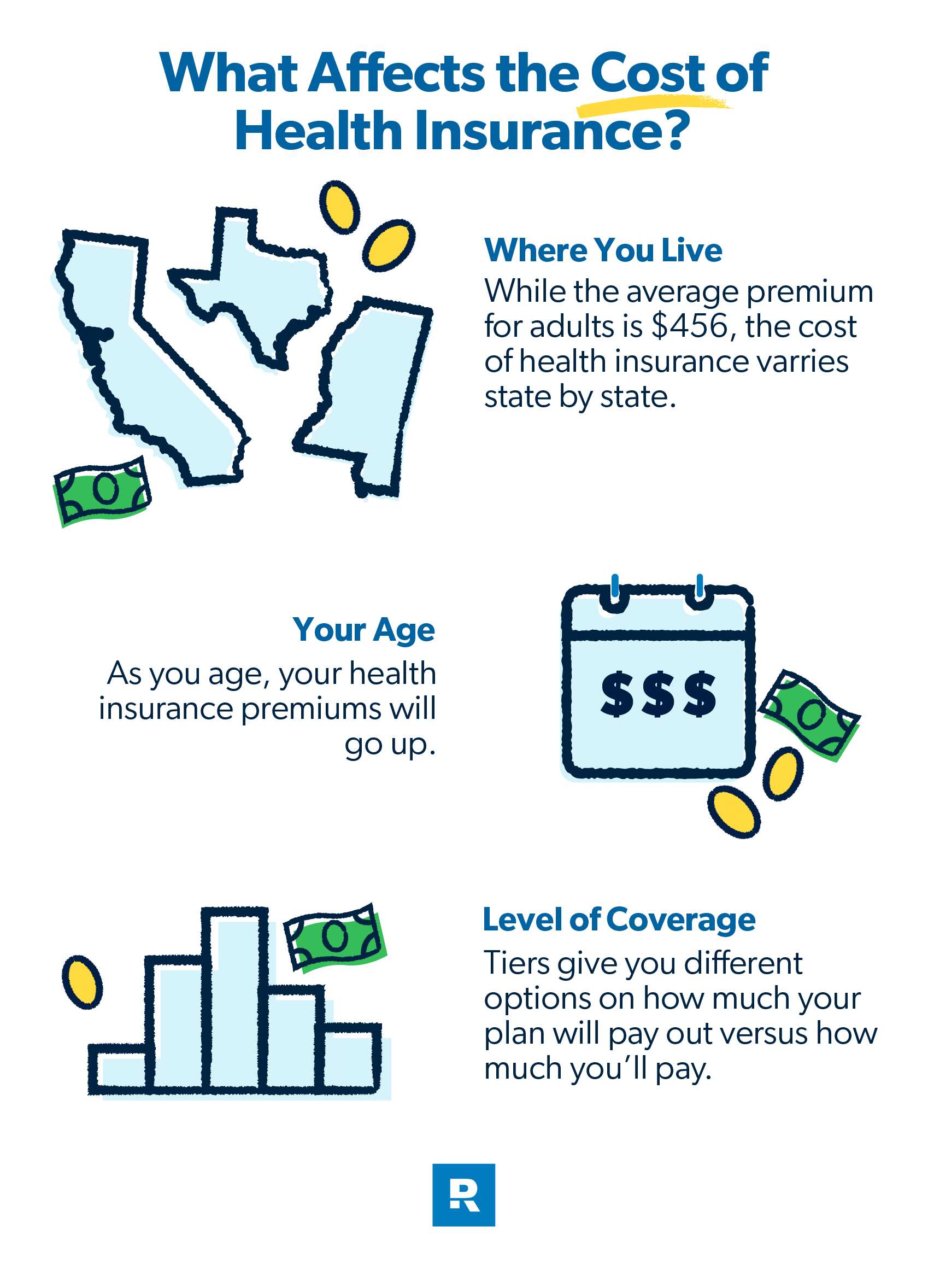
Where you live significantly impacts your health insurance premiums. Costs can vary dramatically not just from state to state, but even county to county within the same state. This geographical variation is due to several factors:
- Cost of Living and Healthcare Providers: In areas with a higher cost of living, medical professionals, hospitals, and clinics often charge more for their services, which translates to higher insurance costs.
- Competition Among Insurers: Regions with many competing insurance companies may see lower premiums due to market pressure. Conversely, areas with fewer insurers or dominant providers might experience higher rates.
- State Regulations: Each state has its own insurance laws and regulations, which can influence plan offerings, benefits mandates, and pricing structures.
- Local Health Factors: Regional health trends, such as higher rates of specific diseases or lifestyle factors, can also contribute to localized premium adjustments.
The Role of Government Policy and Subsidies
Government policies play a pivotal role in shaping the health insurance landscape and affordability. The Affordable Care Act (ACA), for instance, introduced significant changes, including guaranteed issue (insurers cannot deny coverage for pre-existing conditions), essential health benefits, and limits on how much age can influence premiums. Crucially, the ACA established Health Insurance Marketplaces (or exchanges) where individuals and families can shop for plans and, if eligible, receive financial assistance in the form of premium tax credits (subsidies) and cost-sharing reductions. These subsidies are designed to make coverage more affordable for low to moderate-income individuals and families, directly reducing their monthly premium outlay.
Personalizing Your Premium: Key Determinants
While broad market forces and government policies set the stage, several personal factors directly influence the premium you will pay each month.
Age and Health Status
Age is one of the most significant determinants of health insurance premiums. Generally, older individuals pay more for health insurance because they are statistically more likely to require medical care. While the ACA limited the extent to which age can impact premiums (insurers can charge older adults no more than three times what they charge younger adults), it remains a primary factor. While pre-existing conditions cannot be a basis for denying coverage or charging higher premiums under the ACA, your current health status might indirectly influence your choice of plan (e.g., opting for a plan with lower deductibles if you anticipate frequent medical needs), which then impacts your premium.
Plan Type and Coverage Level
Health insurance plans are typically categorized by “metal tiers” on the ACA marketplace: Bronze, Silver, Gold, and Platinum. These tiers reflect the actuarial value of the plan, meaning the average percentage of healthcare costs the plan is expected to cover for a standard population:
- Bronze plans: Cover approximately 60% of costs, leaving 40% for the policyholder. They have the lowest monthly premiums but the highest deductibles and out-of-pocket costs.
- Silver plans: Cover approximately 70% of costs. They have moderate premiums and moderate deductibles. This tier is also where cost-sharing reductions (CSRs) are applied, making Silver plans particularly attractive for those eligible for subsidies.
- Gold plans: Cover approximately 80% of costs. They have higher monthly premiums but lower deductibles and out-of-pocket maximums.
- Platinum plans: Cover approximately 90% of costs. These have the highest monthly premiums but the lowest deductibles and out-of-pocket maximums, ideal for those who anticipate significant medical needs.
The higher the metal tier, the higher the monthly premium, but the lower your financial responsibility when you actually use medical services.
Deductibles, Copays, and Coinsurance
These three terms describe how you share costs with your insurer after your premium is paid:
- Deductible: The amount you must pay out of pocket for covered medical services before your insurance plan starts to pay. Plans with higher deductibles typically have lower monthly premiums.
- Copay (Copayment): A fixed amount you pay for a covered health service after you’ve met your deductible (though some plans may have copays that count towards the deductible or apply before it). For example, a $30 copay for a doctor’s visit.
- Coinsurance: Your share of the cost of a covered healthcare service, calculated as a percentage (e.g., 20%) of the allowed amount for the service. You pay coinsurance after you’ve met your deductible.
The inverse relationship here is crucial: plans with lower monthly premiums often come with higher deductibles, copays, and coinsurance percentages, meaning you pay more out of pocket when you seek care.
Tobacco Use
Under the ACA, tobacco use is one of the few health-related factors that insurers are allowed to consider when setting premiums. Insurers can charge tobacco users up to 50% more than non-tobacco users. This surcharge serves as an incentive for healthier lifestyle choices and reflects the increased health risks associated with tobacco use.
Exploring Different Avenues for Health Coverage
The route you take to secure health insurance also dramatically influences its cost and the choices available to you.

Employer-Sponsored Plans: The Most Common Route
For many Americans, health insurance comes through their employer. These group plans are often the most affordable option because employers typically subsidize a significant portion of the premium. Employers can also negotiate better rates due to the large group they represent. While employer plans offer convenience and often robust benefits, choice may be limited to the plans selected by the employer.
Health Insurance Marketplaces (ACA): Individual and Family Plans
For those who don’t have access to affordable employer-sponsored coverage, or are self-employed, the ACA’s Health Insurance Marketplaces (Healthcare.gov or state-run exchanges) are the primary avenue. Here, individuals and families can purchase plans from private insurers. As mentioned, eligibility for premium tax credits (subsidies) and cost-sharing reductions (CSRs) can significantly reduce the net monthly cost, making these plans very accessible for many. Open enrollment periods are key for selecting or changing plans annually.
Medicaid and CHIP: Government-Assisted Programs
Medicaid is a joint federal and state program that provides health coverage to millions of Americans, including low-income adults, children, pregnant women, elderly adults, and people with disabilities. Eligibility is based primarily on income and family size. For those who qualify, Medicaid typically offers comprehensive coverage at little to no cost. The Children’s Health Insurance Program (CHIP) provides low-cost health coverage for children in families who earn too much to qualify for Medicaid but cannot afford private insurance.
Medicare: For Seniors and Certain Disabilities
Medicare is the federal health insurance program for people 65 or older, certain younger people with disabilities, and people with End-Stage Renal Disease. It consists of several parts:
- Part A (Hospital Insurance): Often premium-free for those who have paid Medicare taxes for a sufficient period.
- Part B (Medical Insurance): Covers doctor services, outpatient care, and some preventive services. This typically has a monthly premium.
- Part C (Medicare Advantage): Private insurance plans that provide Part A and Part B benefits (and often Part D). Premiums vary.
- Part D (Prescription Drug Coverage): Also offered through private plans with varying premiums.
While not typically “free,” Medicare costs are generally less volatile and designed for an eligible population.
Short-Term and Catastrophic Plans
These are specialized options:
- Short-Term Health Insurance: Designed to fill temporary gaps in coverage (e.g., between jobs). These plans are generally much cheaper but offer limited benefits, often don’t cover pre-existing conditions, and don’t meet ACA requirements for minimum essential coverage. They are not a substitute for comprehensive insurance.
- Catastrophic Plans: Available on the ACA marketplace for people under 30 or those with a hardship exemption. They have very high deductibles but low monthly premiums and cover essential health benefits. They are designed to protect against very high medical costs, not routine care.
Strategies for Optimizing Your Health Insurance Spending
Managing health insurance costs isn’t just about finding the lowest premium; it’s about finding the best value for your specific health needs and financial situation.
Leveraging Subsidies and Tax Credits
Always check your eligibility for financial assistance on the Health Insurance Marketplace. Premium tax credits can significantly lower your monthly premium, and cost-sharing reductions can reduce your deductibles, copays, and coinsurance if you choose a Silver plan. Many people are surprised to find they qualify.
Choosing the Right Plan for Your Needs (Not Just the Cheapest)
A plan with the lowest premium might not be the most economical choice if you frequently use medical services. Consider your anticipated healthcare usage:
- If you are generally healthy and rarely visit the doctor: A Bronze plan or a high-deductible Silver plan (especially with an HSA) might be cost-effective. You’ll pay lower premiums and likely avoid hitting your high deductible.
- If you have chronic conditions or anticipate frequent medical needs: A Gold or Platinum plan, despite higher premiums, could save you money in the long run due to lower deductibles and out-of-pocket maximums.
It’s a balance between premium and potential out-of-pocket costs.
Health Savings Accounts (HSAs) and Flexible Spending Accounts (FSAs)
These tax-advantaged accounts can significantly reduce your healthcare costs:
- HSAs: Available with high-deductible health plans (HDHPs). Contributions are tax-deductible, funds grow tax-free, and withdrawals for qualified medical expenses are tax-free. HSAs are portable and can be invested, making them a powerful tool for long-term healthcare savings.
- FSAs: Offered by employers, allowing you to set aside pre-tax money for healthcare expenses. While funds typically must be used within the plan year (some plans allow a grace period or limited carryover), they provide immediate tax savings on eligible medical, dental, and vision costs.
Comparing Plans Annually
Healthcare needs change, and so do insurance plans. During the annual open enrollment period, always re-evaluate your current plan against others available in the market. Your current plan might have increased its premium, changed its network, or new, more suitable options might have emerged. Don’t auto-renew without reviewing.
Wellness Programs and Discounts
Many insurance companies and employers offer wellness programs that provide discounts or incentives for healthy behaviors (e.g., gym memberships, participation in health screenings, quitting smoking). Take advantage of these to potentially lower your costs or gain rewards.
Beyond the Premium: Understanding the Total Cost of Healthcare
While the monthly premium is the most visible cost, it’s crucial to understand the broader financial implications of healthcare.
Out-of-Pocket Maximums: Your Financial Safety Net
Every ACA-compliant health plan has an annual out-of-pocket maximum. This is the absolute most you will have to pay for covered medical services in a given year (excluding premiums). Once you hit this limit, your insurance plan pays 100% of all covered medical costs for the remainder of the year. Understanding this limit is critical for budgeting and provides a vital financial safety net against catastrophic medical events.
The Value of Preventive Care
Many health plans, especially those compliant with the ACA, cover a range of preventive services (like annual physicals, screenings, and vaccinations) at no additional cost (no copay or deductible). Utilizing these services can help detect health issues early, often preventing more serious and costly conditions down the line. Investing in preventive care through your insurance is an investment in your long-term health and financial well-being.
Peace of Mind: The Intangible Benefit
Beyond the tangible costs and benefits, health insurance provides invaluable peace of mind. Knowing that you and your family are protected from potentially overwhelming medical debt allows you to focus on your health rather than your finances during times of illness. The intangible benefit of security and reduced stress is a significant part of health insurance’s overall value proposition.
In conclusion, “how much should health insurance cost a month” varies wildly based on a multitude of factors, both personal and systemic. While the average American might pay anywhere from a few dollars (with subsidies) to several hundreds, or even over a thousand for family plans, the ultimate goal isn’t just to find the cheapest option. It’s about finding comprehensive coverage that aligns with your health needs, financial capacity, and provides the security you deserve. By understanding the key drivers of cost, exploring all available avenues, and implementing smart savings strategies, you can navigate the complex world of health insurance with confidence and make an informed decision for your financial future.
aViewFromTheCave is a participant in the Amazon Services LLC Associates Program, an affiliate advertising program designed to provide a means for sites to earn advertising fees by advertising and linking to Amazon.com. Amazon, the Amazon logo, AmazonSupply, and the AmazonSupply logo are trademarks of Amazon.com, Inc. or its affiliates. As an Amazon Associate we earn affiliate commissions from qualifying purchases.