
Determining the ideal car payment isn’t a one-size-fits-all calculation; it’s a critical component of personal financial health that demands careful consideration. A car is often the second-largest purchase most individuals make, after a home, and its associated costs extend far beyond the monthly installment. Understanding how to budget for and manage this expense effectively can mean the difference between financial stability and unnecessary strain. This article will delve into the multifaceted factors that influence car payments, common rules of thumb, and actionable strategies to ensure your vehicle choice aligns with your broader financial goals.

Understanding the “Affordable” Car Payment
The concept of an “affordable” car payment is subjective, deeply intertwined with your individual financial situation, income, existing debts, and savings goals. While there isn’t a single magic number that applies to everyone, financial experts often provide guidelines to help you assess what you can realistically handle.
A commonly cited benchmark suggests that your total transportation costs—which include your monthly car payment, insurance premiums, fuel, and routine maintenance—should ideally not exceed 10-15% of your net (after-tax) monthly income. Within that percentage, the car payment itself, combined with insurance, is often recommended to stay below 10% of your net income. For instance, if your net monthly income is $4,000, your car payment and insurance together should ideally be no more than $400 per month. Exceeding these percentages can put a significant strain on your discretionary income, potentially hindering your ability to save, invest, or manage unexpected expenses.
It’s crucial to look beyond just the monthly payment advertised by dealerships. A low monthly payment can often be deceiving, hiding longer loan terms or higher interest rates that ultimately lead to a much greater total cost over the life of the loan. True affordability considers the complete financial picture and long-term implications.
Key Factors Influencing Your Monthly Car Payment
Several critical variables converge to determine the size of your monthly car payment. Understanding each of these factors is essential for effective negotiation and sound financial planning.
Vehicle Price
The sticker price of the vehicle is, perhaps, the most obvious determinant. A higher purchase price directly translates to a larger loan amount, and consequently, a higher monthly payment. Savvy buyers understand the importance of negotiating the final sale price, not just the monthly payment, as a lower principal amount is the foundation for a more affordable loan. Remember that the final “vehicle price” often includes various add-ons, dealer fees, and sales tax, which all contribute to the total amount financed.
Interest Rate (Annual Percentage Rate – APR)
The interest rate, expressed as an Annual Percentage Rate (APR), is the cost of borrowing money. This rate is heavily influenced by your credit score, the current market interest rates, and the lender’s policies. A higher APR means more of your monthly payment goes towards interest, increasing the total cost of the loan and your monthly installment. Even a small difference in the interest rate can result in significant savings or added costs over the life of a multi-year loan. Building and maintaining a strong credit score is paramount for securing the most favorable rates.
Loan Term (Duration)
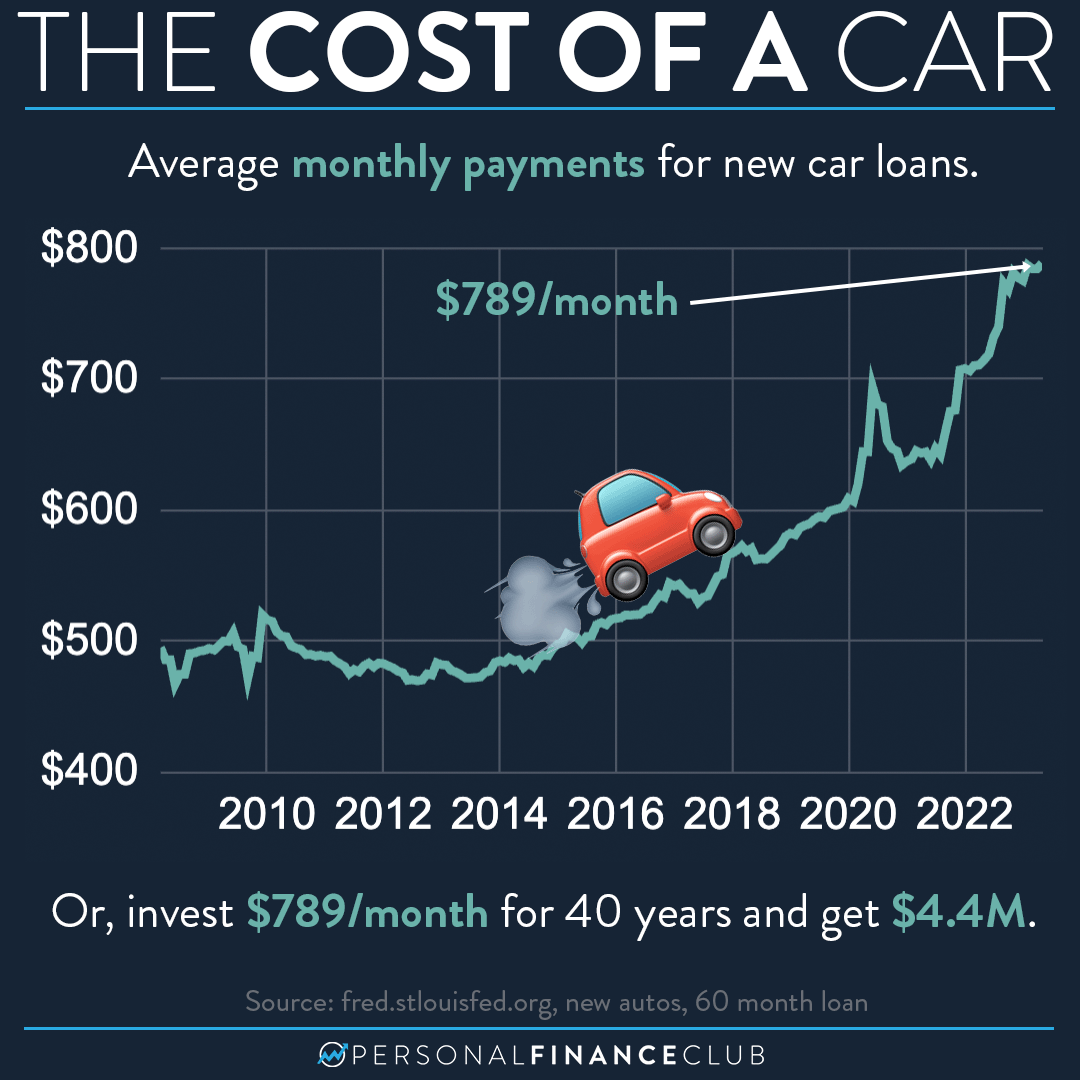
The loan term refers to the length of time you have to repay the loan, typically expressed in months (e.g., 36, 48, 60, 72, or even 84 months). A longer loan term will generally result in a lower monthly payment because the principal amount is spread out over more installments. However, this convenience comes at a cost: longer terms mean you’ll pay significantly more in total interest over the life of the loan. Furthermore, longer terms increase the risk of “negative equity” or being “upside down” on your loan, where you owe more on the car than it’s worth, especially as vehicles depreciate rapidly in their early years.
Down Payment
A down payment is the initial sum of money you pay upfront towards the purchase of the car. Making a substantial down payment directly reduces the amount you need to borrow, thus lowering your monthly payments and the total interest you’ll pay. Financial advisors often recommend a down payment of at least 20% for new cars to immediately establish equity and mitigate the risk of negative equity as the car depreciates. For used cars, a smaller down payment might be acceptable, but any amount you can contribute upfront will improve your financial position.
Trade-in Value
If you’re trading in an existing vehicle, its value acts similarly to a down payment, reducing the total amount you need to finance. The better the condition and market value of your trade-in, the more it can offset the cost of your new purchase, leading to a smaller loan and lower monthly payments. It’s often wise to research your car’s trade-in value beforehand and even get an independent offer to ensure you’re getting a fair deal from the dealership.
Beyond the Monthly Payment: The True Cost of Car Ownership
Focusing solely on the monthly loan payment provides an incomplete picture of car affordability. To truly understand the financial commitment, you must account for the ongoing, often substantial, costs of car ownership that extend beyond the loan itself.
Car Insurance
Auto insurance is a mandatory expense in most regions and can be surprisingly costly, especially for new drivers, expensive vehicles, or those with a history of claims. Factors like your age, driving record, location, the type of car you drive, and the coverage limits you choose all influence your premium. It’s wise to get an insurance quote for any vehicle you’re considering before you commit to a purchase, as these costs can significantly impact your overall transportation budget.
Fuel Costs
With fluctuating gas prices, fuel can be a substantial recurring expense. The make and model of your vehicle, its fuel efficiency (MPG), and your daily commute or driving habits will dictate how much you spend at the pump. When budgeting, consider your typical monthly mileage and research the average fuel economy of the cars you’re evaluating. Hybrid or electric vehicles, while potentially having higher upfront costs, can offer significant long-term savings on fuel.
Maintenance and Repairs
All vehicles require routine maintenance (oil changes, tire rotations, brake inspections, etc.) to ensure longevity and safe operation. Beyond scheduled services, unexpected repairs can arise, especially as a vehicle ages. Some brands are known for higher maintenance costs or more expensive parts. Researching a car’s reliability ratings and average annual repair costs can help you anticipate these expenses. Factor in a monthly allocation for maintenance into your budget, even if it’s just setting aside funds for future needs.
Registration and Licensing Fees
Annual or biennial registration fees, licensing costs, and potential inspection fees are recurring expenses mandated by local governments. These fees vary by state and sometimes by vehicle type or value, adding to the cumulative cost of ownership.

Depreciation
While not an out-of-pocket monthly expense, depreciation is the loss in value of your car over time. It’s the single largest “cost” of owning a new car, with vehicles typically losing 15-20% of their value in the first year alone, and up to 60% over five years. This impacts your equity in the vehicle and its future trade-in or resale value. While you don’t write a check for depreciation, it’s a critical financial consideration when assessing the long-term cost of car ownership and determining if you’re upside down on your loan.
Budgeting for Your Car Payment: Practical Strategies
Effective budgeting is the cornerstone of responsible car ownership. By proactively planning, you can avoid financial stress and ensure your car enhances, rather than detracts from, your financial well-being.
Assess Your Net Income and Expenses
Before even looking at cars, take a clear inventory of your current financial situation. What is your reliable net (take-home) monthly income after all taxes and deductions? Then, meticulously list all your current fixed and variable monthly expenses: housing, utilities, groceries, existing loan payments (student, personal, credit card), and discretionary spending. This comprehensive overview will reveal how much disposable income you genuinely have to allocate towards a car payment without sacrificing other financial priorities.
The 20/4/10 Rule (A Guiding Principle)
While not universally applicable, the “20/4/10” rule serves as an excellent benchmark for new car purchases:
- 20% Down Payment: Aim for at least 20% of the car’s purchase price as a down payment. This helps you avoid negative equity, reduces your loan amount, and lowers your monthly payments and total interest paid.
- 4-Year Loan Term: Keep your car loan term to four years (48 months) or less. Shorter terms minimize the total interest paid and reduce the risk of being upside down on the loan. While monthly payments might be higher, the long-term savings are significant.
- 10% of Gross Income for Total Car Costs: Ensure that your total monthly car expenses—including the car payment, insurance, fuel, and maintenance—do not exceed 10% of your gross (pre-tax) monthly income. This conservative figure allows for flexibility in your budget and prevents transportation costs from overwhelming your finances.
Prioritize Your Financial Goals
Before committing to a car payment, consider how it aligns with your broader financial goals. Are you aggressively paying off high-interest debt? Are you building an emergency fund? Are you saving for retirement or a down payment on a home? A car payment that consumes too much of your income can derail these critical objectives. Sometimes, opting for a more modest, reliable used car allows you to accelerate progress on other financial priorities.
Get Pre-Approved for a Loan
Before stepping foot in a dealership, apply for loan pre-approval from banks, credit unions, or online lenders. This process provides you with a clear understanding of the maximum loan amount you qualify for and the interest rate you can expect based on your creditworthiness. Armed with a pre-approval, you become a cash buyer at the dealership, empowering you to negotiate the car’s price more effectively without being swayed by a “low monthly payment” sales tactic. It also gives you a benchmark to compare against any financing offers from the dealer.
Consider Used vs. New
The decision between a new and a used car has profound financial implications. New cars depreciate rapidly the moment they drive off the lot, meaning you absorb the steepest decline in value. Used cars, particularly those a few years old, have already undergone the most significant depreciation, offering substantial savings on the purchase price. A reliable used car can provide excellent value, lower insurance costs, and ultimately a more manageable monthly payment and overall cost of ownership.
Smart Moves for a Manageable and Fiscally Sound Car Payment
To ensure your car payment is not only manageable but also aligns with sound financial principles, adopt these strategies:
Maximize Your Down Payment
The larger your initial down payment, the less you need to borrow, directly translating to lower monthly payments and reduced total interest costs. If you can save more for a down payment, even by delaying your purchase slightly, it will pay dividends throughout the loan term.
Improve Your Credit Score
A higher credit score signals lower risk to lenders, enabling you to qualify for lower interest rates. Before applying for a car loan, review your credit report for errors and take steps to improve your score, such as paying down existing debts and making all payments on time. A difference of even one or two percentage points in APR can save you hundreds, if not thousands, over the life of the loan.
Shop Around for Lenders Aggressively
Do not accept the first financing offer you receive, especially from the dealership. Banks, credit unions, and online lenders often have competitive rates. By comparing offers from multiple lenders, you can secure the best possible interest rate, which directly reduces your monthly payment and overall cost.
Negotiate the Vehicle Price Hard
Remember to negotiate the total purchase price of the vehicle, not just the monthly payment. A lower purchase price means a smaller amount to finance, resulting in a lower monthly payment regardless of the interest rate or loan term. Be prepared to walk away if you don’t feel you’re getting a fair deal.
Choose a Less Expensive, Reliable Vehicle
Sometimes, the most fiscally sound decision is to choose a car that costs less than what you think you can afford. Opting for a more modest, yet reliable, vehicle significantly reduces your loan amount, interest payments, and often insurance costs. Focus on your needs rather than wants, and prioritize vehicles known for their reliability and low ownership costs.
Evaluate Loan Term Wisely
While a longer loan term offers lower monthly payments, it dramatically increases the total interest you pay. Aim for the shortest loan term your budget can comfortably accommodate. This accelerates your path to debt freedom and protects you from being upside down on your loan for an extended period. If a short-term loan results in an unmanageable payment, it’s a strong indicator that you might be looking at a vehicle outside your true affordability range.
By integrating these insights and strategies into your car-buying process, you can make an informed decision that secures you a reliable vehicle without compromising your financial stability or long-term goals. Your car payment should be a manageable line item in your budget, not a source of stress.
aViewFromTheCave is a participant in the Amazon Services LLC Associates Program, an affiliate advertising program designed to provide a means for sites to earn advertising fees by advertising and linking to Amazon.com. Amazon, the Amazon logo, AmazonSupply, and the AmazonSupply logo are trademarks of Amazon.com, Inc. or its affiliates. As an Amazon Associate we earn affiliate commissions from qualifying purchases.