
Purchasing a car is one of the most significant financial decisions many individuals make, second only to buying a home. For most, this means taking on a car loan, leading to a recurring monthly car payment. While the allure of a new vehicle can be strong, understanding how much you should pay each month for a car is crucial for maintaining financial health and avoiding unnecessary strain on your budget. This isn’t just about finding a car you can afford; it’s about finding a car payment that fits comfortably within your broader financial landscape without compromising your other financial goals.

Understanding Your Financial Capacity: The Foundation of Affordability
Before even glancing at car models or features, the first and most critical step is to honestly assess your financial capacity. A car payment should never be a source of stress, but rather a manageable part of your monthly expenses.
The Golden Rule of Budgeting: The 20/4/10 Rule
A commonly cited guideline for car financing is the 20/4/10 rule. This rule provides a helpful framework for managing car debt:
- 20% Down Payment: Aim to put down at least 20% of the car’s purchase price. A larger down payment reduces the amount you need to borrow, thereby lowering your monthly payments and the total interest paid over the life of the loan. For used cars, a 10% down payment might be acceptable, but 20% is always preferable to build equity faster and offset depreciation.
- 4-Year Loan Term: Finance the car for no more than four years (48 months). While longer loan terms (5, 6, or even 7 years) offer lower monthly payments, they significantly increase the total interest paid and expose you to a longer period where your car might be worth less than what you owe (being “upside down” or “underwater” on your loan). A shorter term ensures you build equity more quickly.
- 10% of Gross Income for Total Car Costs: Your total monthly car expenses – including your loan payment, insurance, fuel, and maintenance – should not exceed 10% of your gross monthly income. This is a critical threshold that ensures your car doesn’t become a financial burden, leaving room for other essential expenses and savings.
While the 20/4/10 rule serves as an excellent benchmark, it’s essential to remember that it’s a guideline. Your personal financial situation may necessitate adjustments, but deviating too far from these principles often leads to financial strain down the line.
Assessing Your Monthly Income and Expenses
Beyond general rules, a detailed personal budget is your most powerful tool. List all your sources of income and meticulously track every expense, from housing and utilities to groceries and entertainment. Once you have a clear picture of your disposable income, you can realistically determine how much of it can be allocated to a car payment without jeopardizing other financial obligations or savings goals.
Consider your debt-to-income (DTI) ratio. Lenders often look at this, and so should you. A DTI of 36% or less is generally considered healthy, meaning your total monthly debt payments (including your prospective car payment) don’t exceed 36% of your gross monthly income. Pushing this limit too high can indicate financial overextension.
Prioritizing Your Financial Goals
A car payment shouldn’t derail your ability to save for retirement, pay down high-interest debt, build an emergency fund, or save for a down payment on a home. If a high car payment means sacrificing these crucial financial goals, it’s likely too much. Your vehicle should serve your life, not dominate your finances.
Factors Influencing Your Car Payment
Many variables combine to determine your final monthly car payment. Understanding each one allows you to make informed decisions and potentially lower your costs.
The Vehicle’s Sticker Price and Depreciation
Naturally, a more expensive car leads to a higher payment. However, it’s also important to consider depreciation. Cars lose a significant portion of their value the moment they’re driven off the lot. Researching a vehicle’s depreciation rate can give you an idea of its long-term cost of ownership. Opting for a slightly used car, or one known for holding its value well, can often be a smarter financial move.
Loan Term Length: Short vs. Long
As mentioned with the 20/4/10 rule, the loan term significantly impacts your monthly payment.
- Shorter Terms (e.g., 36-48 months): Higher monthly payments but less total interest paid and you own the car outright faster. This is generally the financially healthier option.
- Longer Terms (e.g., 60-84 months): Lower monthly payments, making expensive cars seem more “affordable” on a monthly basis. However, you pay significantly more in interest over time, and you risk being “underwater” on your loan, meaning you owe more than the car is worth, for a longer period.
Interest Rates and Your Credit Score
Your credit score is a major determinant of the interest rate you’ll qualify for. A higher credit score (generally 700+) indicates to lenders that you are a reliable borrower, securing you lower interest rates and thus lower monthly payments. Conversely, a poor credit score can lead to much higher rates, adding thousands of dollars to the total cost of your car. It’s wise to check your credit score and history before applying for a loan and take steps to improve it if necessary. Even a few percentage points difference in the interest rate can significantly alter your monthly payment and total cost over the loan’s life.
The Power of a Down Payment
A substantial down payment reduces the principal amount borrowed, directly lowering your monthly payments and total interest. It also helps you build equity from day one and provides a buffer against rapid depreciation, reducing the risk of being underwater on your loan. Aim for at least 20%, but if you can put down more, you’ll reap greater financial benefits.
Trade-ins and Their Impact
If you have an existing vehicle to trade in, its value can act like a down payment, reducing the amount you need to finance. Ensure you research the fair market value of your trade-in beforehand so you can negotiate effectively.
Beyond the Monthly Payment: Hidden Costs of Car Ownership
Focusing solely on the monthly loan payment provides an incomplete picture of the true cost of car ownership. Many other expenses add up and must be factored into your 10% gross income rule.
Auto Insurance Premiums
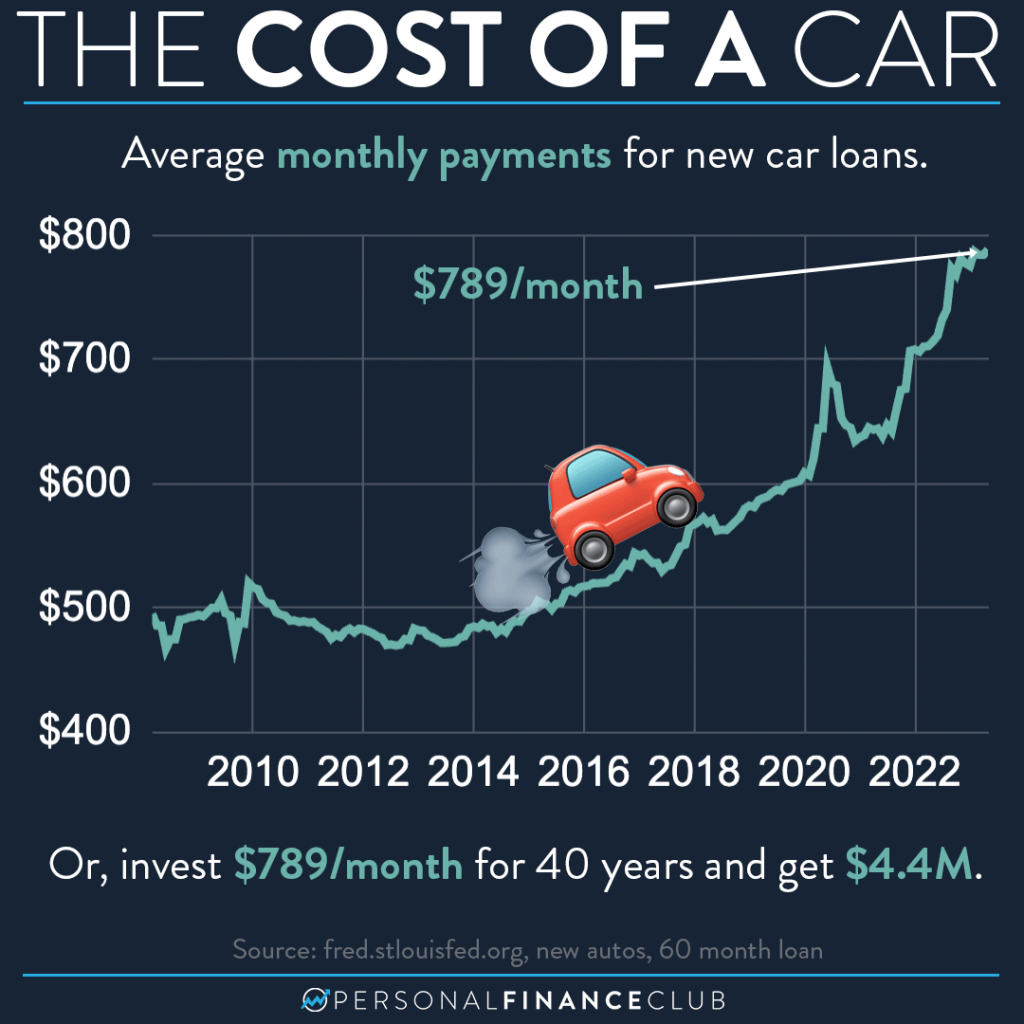
Insurance is a non-negotiable expense. The type of car, your driving record, age, location, and coverage limits all affect your premiums. Get insurance quotes for specific models you’re considering before committing to a purchase. A sporty car or one with a high theft rate will likely cost more to insure than a more practical sedan or SUV.
Fuel Consumption
The cost of gasoline can be a significant recurring expense, especially with fluctuating prices and long commutes. Research the car’s fuel efficiency (miles per gallon or MPG) and estimate your monthly fuel costs based on your typical driving habits. Electric vehicles, while potentially having higher upfront costs, can offer substantial savings on “fuel” (electricity) and maintenance.
Maintenance and Repairs
All cars require regular maintenance (oil changes, tire rotations, brake checks). Newer cars typically come with a warranty covering major issues, but as cars age, repair costs tend to increase. Certain brands or models are known for higher maintenance costs or requiring specialized parts. Factor in an average monthly amount for these inevitable expenses. An emergency car repair fund is also a smart financial move.
Registration, Taxes, and Fees
Don’t forget the upfront and recurring costs associated with vehicle registration, sales tax (which can be substantial), and various dealership fees. These can add thousands to the total purchase price or recur annually.
Strategies for a Manageable Car Payment
Once you understand the factors involved, you can employ various strategies to ensure your car payment remains manageable.
Buying Used: Maximizing Value
One of the most effective ways to lower your car payment and total ownership costs is to buy a used car. Let someone else absorb the initial, steepest depreciation hit. A car that is 2-3 years old can offer significant savings while still providing reliability and modern features. Certified Pre-Owned (CPO) programs from manufacturers offer added peace of mind with extended warranties and rigorous inspections.
Negotiating the Price and Loan Terms
Don’t accept the first price or interest rate offered. Research the car’s market value, get pre-approved for a loan from your bank or credit union before visiting a dealership, and be prepared to negotiate both the vehicle price and the loan terms. Having pre-approval gives you leverage and a benchmark against which to compare dealership financing offers.
Boosting Your Credit Score
If your credit score isn’t in top shape, take time to improve it before applying for a car loan. Pay bills on time, reduce existing debt, and dispute any errors on your credit report. Even a slight improvement can lead to a lower interest rate, saving you hundreds or thousands of dollars.
Considering a Lease vs. Buy
For some, leasing might appear to offer lower monthly payments for a new car. However, leasing is essentially a long-term rental; you never own the vehicle and have mileage restrictions and potential wear-and-tear charges. While it can be suitable for those who always want a new car and drive predictable miles, buying is generally a better financial decision for long-term ownership and building equity. Carefully evaluate the pros and cons based on your lifestyle and financial goals.
Refinancing an Existing Loan
If you already have a car loan with a high interest rate, perhaps due to a lower credit score at the time of purchase, consider refinancing. If your credit score has improved or interest rates have dropped, you might qualify for a lower rate, which can significantly reduce your monthly payment or the total interest paid over the remaining term.
Making an Informed Decision for Your Financial Future
Ultimately, the question of “how much should a car payment be” boils down to a personal decision rooted in sound financial planning. It’s about finding a balance between your desire for a reliable or desirable vehicle and your broader financial well-being.
Balancing Desire and Reality
It’s easy to get caught up in the excitement of a new car. However, it’s crucial to distinguish between what you want and what you can comfortably afford. A car is a tool, and while comfort and features are important, they shouldn’t come at the cost of your financial stability. Be realistic about your budget and resist the temptation to overspend based on perceived monthly affordability rather than total cost and long-term impact.
The Opportunity Cost of a High Payment
Every dollar committed to a car payment is a dollar that cannot be used for other purposes – saving for a home, investing for retirement, paying off student loans, or building an emergency fund. A higher car payment means a higher opportunity cost. Prioritize your long-term financial goals over short-term gratification.

Reviewing Your Budget Periodically
Your financial situation can change. It’s a good practice to review your budget periodically, especially before taking on new debt like a car loan. Ensure that the proposed car payment aligns with your current income, expenses, and financial objectives.
By taking a diligent, data-driven approach to budgeting and understanding all the factors that influence car ownership costs, you can make an informed decision that secures both a reliable mode of transportation and a healthy financial future. Remember, financial freedom often means making smart, sometimes conservative, choices today for greater peace of mind tomorrow.
aViewFromTheCave is a participant in the Amazon Services LLC Associates Program, an affiliate advertising program designed to provide a means for sites to earn advertising fees by advertising and linking to Amazon.com. Amazon, the Amazon logo, AmazonSupply, and the AmazonSupply logo are trademarks of Amazon.com, Inc. or its affiliates. As an Amazon Associate we earn affiliate commissions from qualifying purchases.