
Determining the ideal portion of your income to allocate to savings is a fundamental question in personal finance, one that lacks a singular, universal answer. While general guidelines exist, the optimal savings rate is highly individual, influenced by a multitude of factors including age, income level, debt obligations, financial goals, and personal risk tolerance. The journey to financial security and independence is paved by consistent saving, but understanding the nuances of how much and where to save is critical for long-term success.
The Foundational Principles of Saving
Establishing a strong savings habit begins with understanding core principles that serve as a launchpad for your financial strategy. These principles provide a framework, even if your personal circumstances require adjustments.
The 50/30/20 Rule
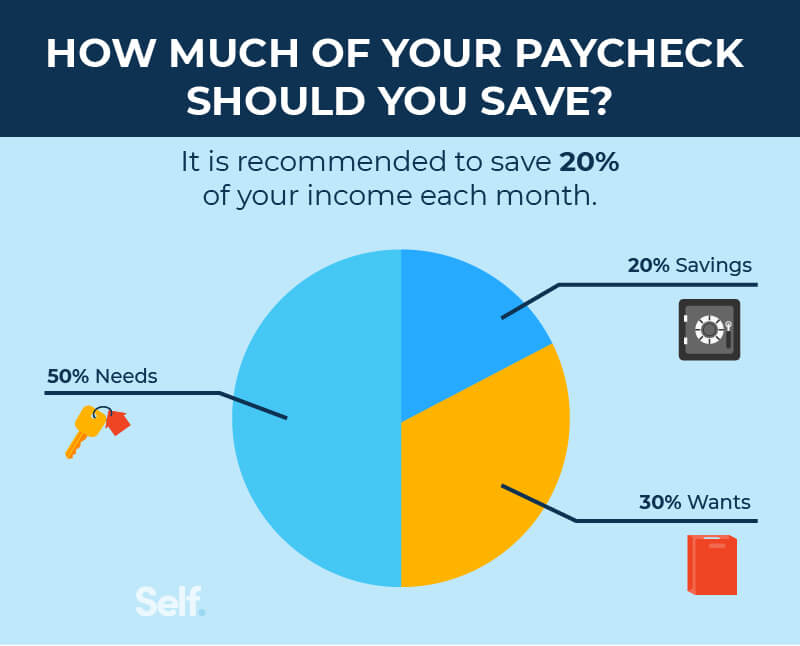
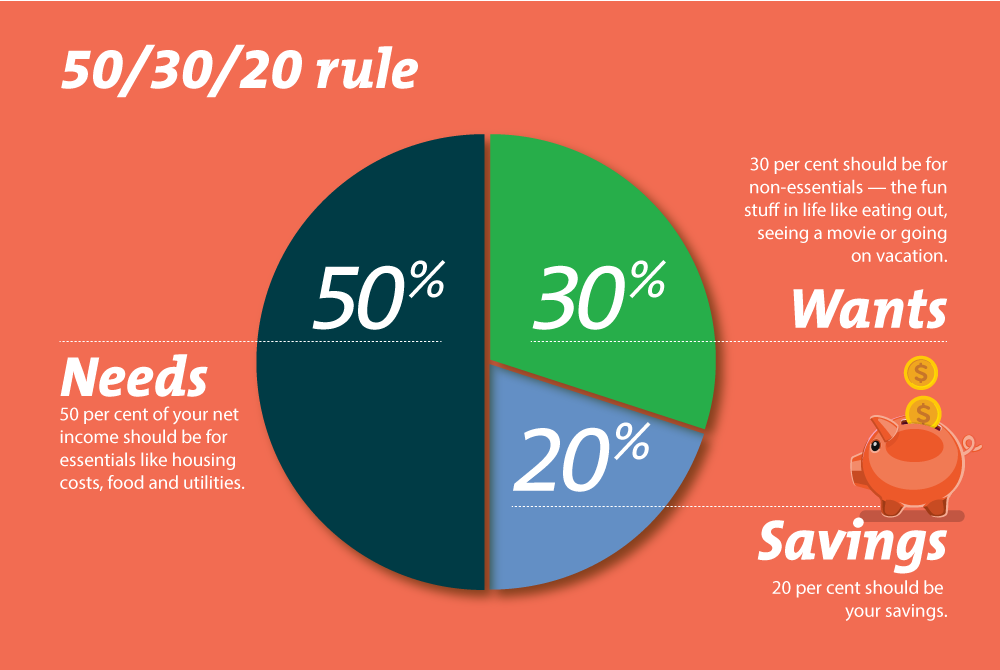
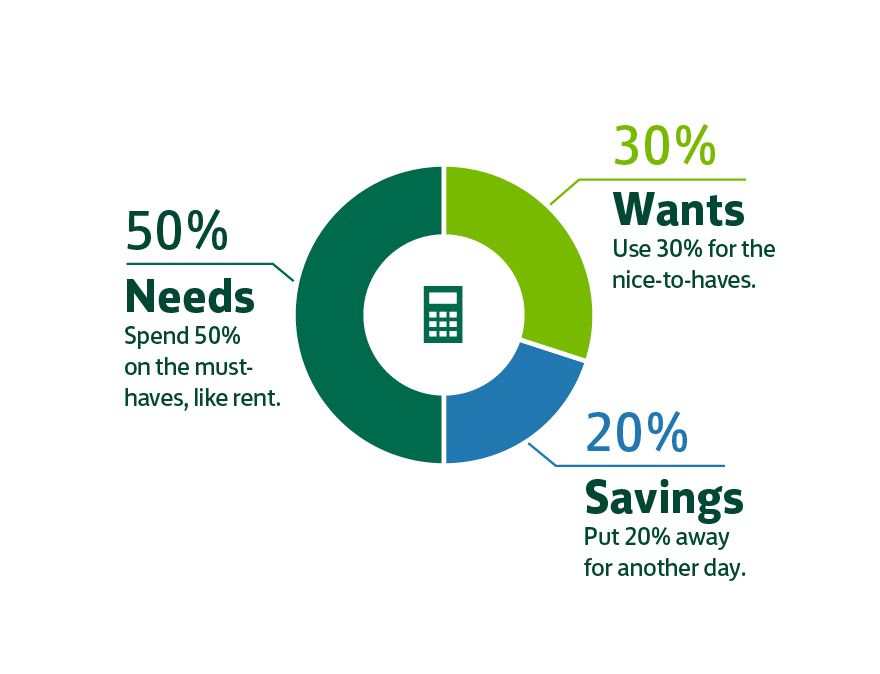
One of the most widely cited and practical budgeting guidelines is the 50/30/20 rule. This framework suggests dividing your after-tax income into three main categories:
- 50% for Needs: This category includes essential expenses like housing (rent or mortgage), utilities, groceries, transportation, insurance, and minimum loan payments. These are costs you cannot reasonably avoid.
- 30% for Wants: This covers discretionary spending that enhances your quality of life but isn’t strictly necessary for survival. Examples include dining out, entertainment, hobbies, travel, new gadgets, and premium streaming services.
- 20% for Savings and Debt Repayment: This crucial portion is dedicated to building your financial future. It encompasses contributions to an emergency fund, retirement accounts (401(k), IRA), investment accounts, and any extra payments towards high-interest debt (like credit cards or personal loans) beyond the minimums.
The 50/30/20 rule offers a clear, actionable starting point. For many, hitting the 20% savings target is an ambitious but achievable goal that can significantly accelerate wealth accumulation and debt reduction.
Prioritizing Emergency Funds
Before channeling significant amounts into long-term investments, securing an emergency fund is paramount. This liquid savings cushion is designed to cover unexpected expenses or periods of job loss without resorting to high-interest debt. Financial experts generally recommend having at least three to six months’ worth of essential living expenses saved in an accessible, interest-bearing account, such as a high-yield savings account. For individuals with dependents, uncertain job security, or fluctuating income, a larger emergency fund, perhaps nine to twelve months, might be more appropriate. This fund acts as a crucial safety net, providing peace of mind and preventing financial derailment during unforeseen circumstances.
Setting Financial Goals
Saving without a purpose can feel aimless. Defining clear, measurable financial goals provides direction and motivation. These goals can be short-term (e.g., saving for a down payment on a car, a vacation, or a new appliance), medium-term (e.g., a home down payment, higher education for children), or long-term (e.g., retirement, financial independence). Each goal should have a specific target amount and a timeline. By understanding what you’re saving for, you can better allocate your 20% (or more) savings bucket. For instance, retirement savings might go into a 401(k) or IRA, while a down payment fund might reside in a high-yield savings account or a conservative brokerage account for shorter horizons.
Factors Influencing Your Savings Rate
While the 50/30/20 rule provides a good benchmark, individual circumstances often necessitate a more personalized approach. Several key factors can and should influence how much of your income you realistically commit to savings.
Income Level and Debt Burden
Your income level directly impacts your capacity to save. Lower-income earners may find it challenging to meet the 20% savings target after covering essential needs, as a larger portion of their income is consumed by fixed costs. In such cases, even saving 5% or 10% consistently is a commendable achievement and a vital step towards building financial momentum. Conversely, higher-income earners often have more disposable income and can realistically aim for a higher savings rate, perhaps 30% or more, to accelerate their financial goals.
Debt, particularly high-interest debt like credit card balances, can significantly hinder savings efforts. Prioritizing the repayment of these debts can be a more financially sound strategy than saving for investments, as the interest saved often outweighs potential investment returns. Once high-interest debt is eliminated, the funds previously allocated to payments can be redirected entirely into savings and investments, drastically increasing your capacity to build wealth.
Life Stage and Responsibilities
Your stage of life plays a crucial role in shaping your savings priorities.
- Early Career: Young professionals often face student loan debt but also have the advantage of time for compound interest to work its magic. Starting early, even with small amounts, is immensely powerful. The focus might be on establishing an emergency fund and beginning retirement contributions.
- Mid-Career/Family Building: This stage often brings increased responsibilities—mortgages, childcare costs, education savings, and potentially caring for aging parents. Savings may need to be diversified across various goals, and the savings rate might fluctuate depending on family needs.
- Late Career/Pre-Retirement: The urgency to maximize retirement savings becomes paramount here. Many aim to “catch up” by increasing contributions significantly, leveraging strategies like catch-up contributions to 401(k)s and IRAs if eligible.
- Retirement: While the primary saving phase concludes, managing withdrawals and ensuring the longevity of your nest egg becomes the new financial focus.
Each life stage presents unique financial demands and opportunities, requiring flexibility in your savings strategy.
Risk Tolerance and Future Aspirations
Your personal comfort level with financial risk and your long-term aspirations also dictate your savings approach. Individuals with a higher risk tolerance might be comfortable investing a larger portion of their savings in equities, aiming for higher returns, while those with lower tolerance might prefer a more conservative mix of bonds and cash. Your aspirations—whether it’s early retirement, starting a business, or extensive travel—will also determine how aggressively you need to save. An ambitious goal like early financial independence often requires a savings rate significantly higher than the standard 20%, sometimes pushing into the 50% to 70% range. Understanding your desired future state helps define the urgency and magnitude of your saving efforts.
Beyond the Basic Rules: Tailoring Your Approach
While guidelines provide a structure, true financial mastery comes from tailoring these principles to fit your unique circumstances and optimizing your savings process.
Automating Your Savings
One of the most effective strategies for consistent saving is automation. By setting up automatic transfers from your checking account to your savings, emergency fund, and investment accounts immediately after you get paid, you remove the temptation to spend the money. This “pay yourself first” approach ensures that saving becomes a non-negotiable expense, much like a bill, rather than an afterthought. Even small, regular automated contributions add up significantly over time thanks to the power of compounding. Review these automatic transfers periodically to ensure they align with your current financial goals and capacity.
Increasing Your Savings Rate Over Time
As your income grows or your expenses decrease (e.g., paying off student loans or a car), make a conscious effort to increase your savings rate. This practice, often called “saving your raise” or “lifestyle deflection,” prevents lifestyle creep, where increased income is immediately absorbed by increased spending. Instead, commit a portion or even all of a pay raise, bonus, or unexpected windfall directly to your savings and investments. Even a marginal increase each year can dramatically impact your long-term financial health, propelling you towards your goals faster.
Optimizing Where Your Savings Go
Not all savings vehicles are created equal. The “best” place for your savings depends on your financial goals and timeline.
- Emergency Fund: High-yield savings accounts are ideal, offering liquidity and better returns than traditional savings accounts.
- Short-Term Goals (1-3 years): High-yield savings accounts or short-term Certificates of Deposit (CDs) offer security.
- Medium-Term Goals (3-10 years): A diversified portfolio of low-cost index funds or ETFs in a taxable brokerage account might be suitable, balanced with some fixed-income assets.
- Long-Term Goals (10+ years, primarily retirement): Tax-advantaged retirement accounts like 401(k)s, 403(b)s, and IRAs (Traditional or Roth) are generally the most efficient due to their tax benefits and potential for significant growth through equity investments. Maxing out these accounts should be a primary objective for long-term wealth building. Consider employer match programs as “free money” and always contribute enough to capture them.
The Psychological Impact of Consistent Saving
Beyond the numerical benefits, consistent saving profoundly impacts one’s psychological well-being. It fosters a sense of control and resilience that permeates other areas of life.
Building Financial Resilience
A robust savings habit builds a strong foundation of financial resilience. Knowing you have an emergency fund provides a buffer against unexpected life events, reducing stress and anxiety during difficult times. This resilience allows you to weather economic downturns, job losses, or significant personal expenses without derailing your financial progress or incurring burdensome debt. It empowers you to make decisions based on your best interests rather than out of financial desperation.
Achieving Financial Freedom
Ultimately, consistent saving is the pathway to financial freedom—the ability to make life choices without being constrained by money. Whether that means retiring early, pursuing a passion project, starting a business, or simply having the flexibility to work less, financial freedom offers unparalleled peace of mind. Every dollar saved and invested contributes to this ultimate goal, moving you closer to a future where your time and choices are truly your own.
Common Pitfalls and How to Avoid Them
Even with the best intentions, several common pitfalls can sabotage savings efforts. Awareness is the first step toward avoidance.
Lifestyle Creep
Lifestyle creep, also known as lifestyle inflation, occurs when an increase in income leads to a proportionate increase in spending on non-essential items, leaving little or no additional room for savings. As you earn more, it’s easy to upgrade your car, move to a larger home, eat out more frequently, or indulge in more expensive hobbies. To combat this, consciously decide to save or invest a significant portion of any income raise or bonus before you get used to having that extra money available for spending. Automating these additional savings is highly effective in preventing lifestyle creep.
Procrastination and Lack of Clarity
Putting off saving, especially for long-term goals like retirement, is a costly mistake. The power of compound interest means that every year delayed represents a substantial loss of potential growth. Starting early, even with small amounts, far outweighs starting later with larger contributions. Additionally, a lack of clear, specific financial goals can lead to aimless saving, making it harder to stay motivated. Define what you’re saving for, how much you need, and by when. This clarity transforms saving from a vague chore into an exciting pursuit of tangible goals. Regularly reviewing your progress and adjusting your plan helps maintain focus and enthusiasm.
aViewFromTheCave is a participant in the Amazon Services LLC Associates Program, an affiliate advertising program designed to provide a means for sites to earn advertising fees by advertising and linking to Amazon.com. Amazon, the Amazon logo, AmazonSupply, and the AmazonSupply logo are trademarks of Amazon.com, Inc. or its affiliates. As an Amazon Associate we earn affiliate commissions from qualifying purchases.