
Determining how much of a home loan you can qualify for is the most critical first step in the home-buying journey. It transforms a vague dream into a concrete financial strategy. While it is tempting to start browsing real estate listings immediately, understanding the mathematics behind mortgage lending ensures that you remain grounded in reality and avoid the heartbreak of falling in love with a property that is financially out of reach.
Lenders do not just look at your bank balance; they evaluate a complex matrix of risk factors, including your income stability, existing debt obligations, and credit history. This guide explores the nuances of mortgage qualification, providing you with the tools to calculate your potential loan amount and strategies to improve your standing in the eyes of financial institutions.
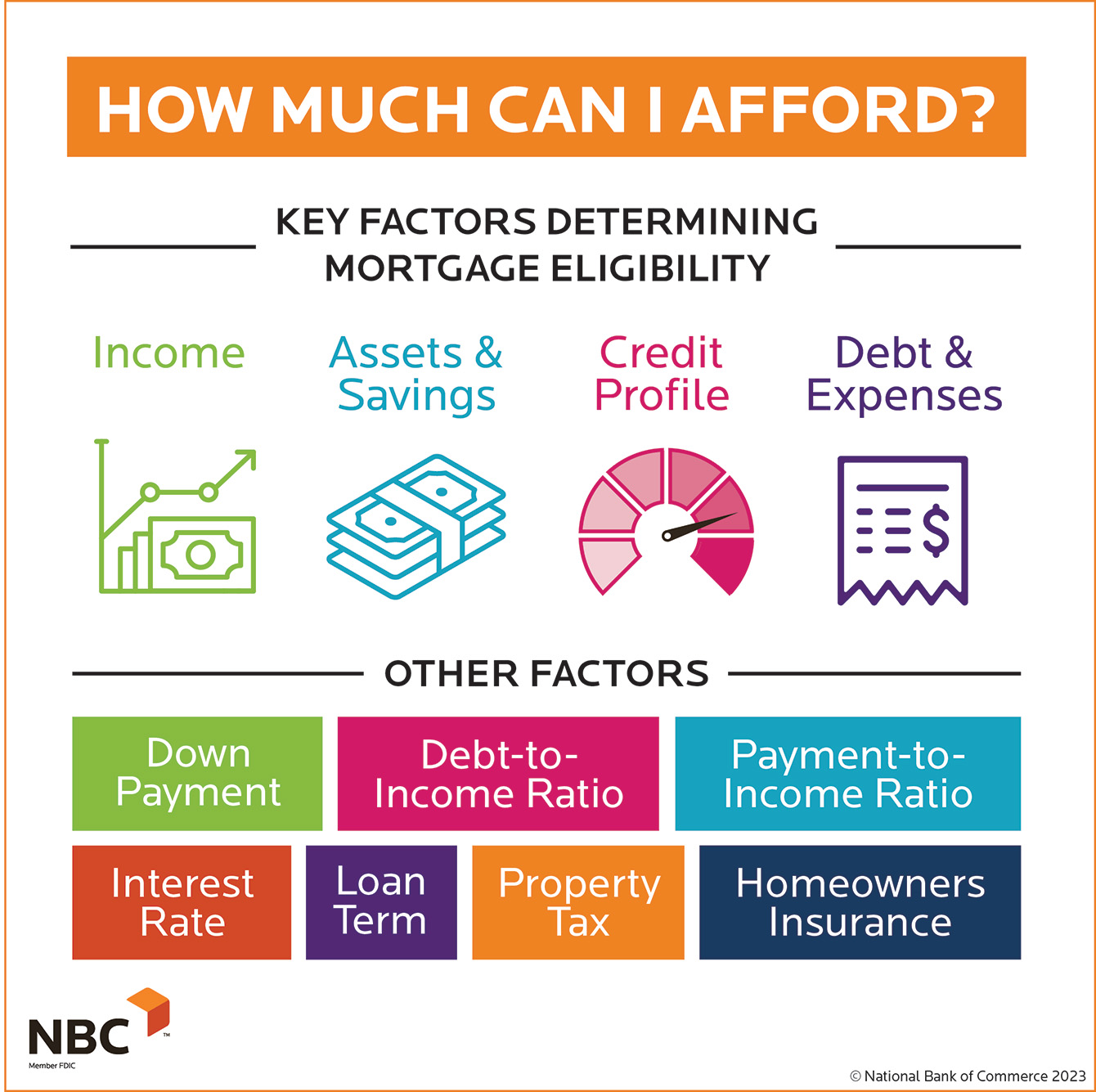
Understanding the Core Pillars of Mortgage Qualification
Before a lender hands over hundreds of thousands of dollars, they must be confident in your ability to repay the debt over 15 to 30 years. This assessment generally rests on three foundational pillars: your income, your debt-to-income ratio, and your credit profile.
Gross Monthly Income and Employment Stability
The starting point for any mortgage calculation is your gross monthly income—your earnings before taxes and other deductions. Lenders prefer “stable and predictable” income. For salaried employees, this is straightforward. However, if you are self-employed, an independent contractor, or rely heavily on bonuses and commissions, lenders typically require a two-year history of consistent earnings to verify that your income is reliable.
They aren’t just looking at the number; they are looking at the trajectory. A steady upward or flat trend is viewed favorably, whereas significant fluctuations can be a red flag.
The Debt-to-Income (DTI) Ratio
Perhaps the most significant metric in the “Money” niche of real estate is the Debt-to-Income (DTI) ratio. This is the percentage of your gross monthly income that goes toward paying debts. There are two types:
- Front-End Ratio: The percentage of income going strictly toward housing costs (principal, interest, taxes, and insurance).
- Back-End Ratio: The percentage of income going toward all monthly debt payments, including credit cards, auto loans, student loans, and the proposed mortgage.
Most conventional lenders prefer a back-end DTI of 36% or lower, though some programs allow for up to 43% or even 50% in specific circumstances.
Credit Score and Financial Character
Your credit score is a numerical representation of your reliability as a borrower. It dictates not only whether you qualify but also the interest rate you will receive. A higher credit score reduces the lender’s risk, which translates to a lower interest rate. Because interest is a major component of your monthly payment, a better credit score effectively increases the total loan amount you can qualify for because more of your payment goes toward the principal rather than the bank’s profit.
The Financial Ratios and Rules Lenders Use
To standardize the lending process, the financial industry uses specific benchmarks to determine the maximum monthly payment a borrower can handle. Understanding these rules allows you to “pre-calculate” your own limits.
The 28/36 Rule Explained
A classic gold standard in personal finance is the 28/36 rule. This guideline suggests that a household should spend no more than 28% of its gross monthly income on housing expenses and no more than 36% on total debt obligations.
For example, if your household earns $10,000 per month:
- Housing Limit (28%): $2,800.
- Total Debt Limit (36%): $3,600.
If your existing monthly debts (car loans, credit cards) total $1,000, you would subtract that from the $3,600 total debt limit, leaving you with $2,600 for a mortgage. Since $2,600 is lower than the $2,800 housing limit, the lender would likely cap your monthly mortgage payment at $2,600.

Factoring in PITI
When calculating how much you qualify for, you cannot just look at the loan’s principal and interest. Lenders use the acronym PITI: Principal, Interest, Taxes, and Insurance.
- Taxes: Property taxes vary significantly by location and can add hundreds of dollars to a monthly payment.
- Insurance: Homeowners insurance is mandatory. Additionally, if you put down less than 20%, you may be required to pay Private Mortgage Insurance (PMI), which further reduces the amount of “loan” you can afford by increasing the “cost” of the payment.
The Impact of Interest Rates on Buying Power
Interest rates have an inverse relationship with your qualification limit. When rates rise, the cost of borrowing increases, which makes the monthly payment on the same loan amount more expensive. As a rule of thumb, a 1% increase in interest rates can reduce your total buying power by approximately 10%. This is why monitoring market trends is essential for anyone looking to maximize their loan potential.
The Role of Down Payment and Loan Types
The amount of money you bring to the table upfront significantly influences the total loan amount a lender will approve. This is where the concepts of equity and risk management intersect.
Loan-to-Value (LTV) and Your Limit
The Loan-to-Value ratio is the amount of the loan compared to the appraised value of the property. If you buy a $500,000 home and provide a $100,000 down payment, your loan is $400,000, resulting in an LTV of 80%. Lenders are generally more comfortable with lower LTVs. A larger down payment reduces the lender’s risk, which can sometimes lead to more flexible DTI requirements or better interest rates, effectively allowing you to qualify for a more expensive home.
Conventional vs. Government-Backed Loans
Different loan “products” have different qualification barriers:
- Conventional Loans: Typically require higher credit scores (620+) and stricter DTI ratios. They often follow the conforming loan limits set by Fannie Mae and Freddie Mac.
- FHA Loans: Insured by the Federal Housing Administration, these are designed for borrowers with lower credit scores or smaller down payments. They often allow for a higher DTI (up to 43-50%), meaning you might qualify for a higher loan amount relative to your income than you would with a conventional loan.
- VA Loans: For veterans and active-duty service members, these often require $0 down and have very generous qualification ratios, providing the highest level of buying power for those who qualify.
Market-Specific Limits (Jumbo Loans)
If you are looking for a high-value property that exceeds the standard conforming loan limits (which vary by county), you will need a “Jumbo Loan.” Qualification for these is much more rigorous, often requiring a higher credit score (700-720+), significant cash reserves (6-12 months of PITI in the bank), and a lower DTI.
Strategies to Maximize Your Qualification Amount
If your initial calculations show that you cannot qualify for the amount you need, there are several strategic financial moves you can make to shift the numbers in your favor.
Lowering Existing Debt (The DTI Push)
Since the back-end DTI is often the “choke point” for loan approval, paying off a high-interest credit card or a small remaining balance on an auto loan can have a disproportionate impact. By eliminating a $300 monthly car payment, you effectively free up $300 in your monthly budget that the lender can now apply toward a mortgage. In a 7% interest rate environment, that $300 could translate to roughly $45,000 more in total loan capacity.
Improving Your Credit Mix and Score
In the months leading up to a mortgage application, avoid opening new lines of credit. New inquiries can dip your score, and new debt increases your DTI. Focus on “credit seasoning”—keeping accounts open and maintaining a utilization rate below 10%. A jump from a 680 to a 740 credit score can save you tens of thousands of dollars over the life of the loan and significantly increase the amount a lender is willing to let you borrow today.
Pre-Approval vs. Pre-Qualification
While “pre-qualification” gives you a ballpark estimate based on unverified data, a “pre-approval” is a formal commitment from a lender after they have reviewed your tax returns, pay stubs, and credit report. In a competitive market, a pre-approval is your strongest tool. It tells the seller—and yourself—exactly what the bank is willing to lend, backed by verified financial data.

Conclusion: Borrowing Within Your Means
Qualifying for a certain amount and affording that amount are two different things. While a lender might tell you that you qualify for a $500,000 loan, their calculations do not include your lifestyle expenses—travel, hobbies, or emergency savings.
When asking “how much of a home loan can I qualify for,” use the lender’s numbers as a maximum ceiling, not a target. By understanding your DTI, optimizing your credit, and choosing the right loan product, you can secure a mortgage that fits both your dreams and your long-term financial health. The goal of personal finance is not just to own a home, but to own a home that allows you to continue building wealth in other areas of your life.
aViewFromTheCave is a participant in the Amazon Services LLC Associates Program, an affiliate advertising program designed to provide a means for sites to earn advertising fees by advertising and linking to Amazon.com. Amazon, the Amazon logo, AmazonSupply, and the AmazonSupply logo are trademarks of Amazon.com, Inc. or its affiliates. As an Amazon Associate we earn affiliate commissions from qualifying purchases.