
The decision of how much to put down on a car is one of the most critical financial choices you’ll make when purchasing a vehicle. Far more than just an initial outlay, your down payment significantly impacts your loan terms, monthly payments, total interest paid, and even the long-term health of your personal finances. It’s a strategic move that can save you thousands over the life of your car loan and provide a solid foundation for your investment.
In a world where car prices are consistently on the rise and interest rates fluctuate, understanding the nuances of a down payment is more important than ever. While conventional wisdom often suggests a minimum percentage, the ideal amount is highly individualized, depending on a confluence of factors including your credit score, the vehicle’s cost, your budget, and broader economic conditions. This comprehensive guide will delve into the strategic importance of a down payment, explore the various factors that should influence your decision, provide practical guidelines, and offer actionable steps to help you make the most financially sound choice for your next car purchase.

The Strategic Importance of a Car Down Payment
A down payment isn’t merely a prerequisite for securing a loan; it’s a powerful financial tool that can significantly mitigate risks and optimize your borrowing experience. Its strategic importance extends across several key areas, directly affecting your immediate financial burden and your long-term fiscal health.
Reducing Your Loan Principal and Monthly Payments
At its core, a down payment directly reduces the amount of money you need to borrow. The smaller your loan principal, the lower your monthly payments will be, assuming the same interest rate and loan term. This immediate reduction in your monthly financial obligation can free up cash flow for other essential expenses, savings, or investments, providing greater flexibility in your personal budget. For many, managing monthly payments is the primary concern, and a substantial down payment is one of the most effective ways to achieve affordability.
Lowering Interest Costs Over Time
One of the most compelling reasons to make a larger down payment is to minimize the total interest you pay over the life of the loan. Since interest is calculated on the principal balance, borrowing less means less interest accrues. Over a typical 5- or 6-year car loan, even a few percentage points difference in the down payment can translate into hundreds or even thousands of dollars saved in interest. This is pure savings that stays in your pocket, making your car purchase more efficient and less expensive in the long run.
Building Immediate Equity and Avoiding Negative Equity
Equity in a car refers to the difference between its market value and the amount you still owe on the loan. When you make a down payment, you are essentially pre-paying a portion of the car’s value, thereby building immediate equity. This is particularly crucial given that new cars begin to depreciate the moment they leave the dealership lot. Without a sufficient down payment, you risk entering a state of “negative equity,” or being “upside down” on your loan, where you owe more on the car than it’s actually worth. Negative equity can create significant financial headaches if you need to sell the car or if it’s totaled in an accident, as your insurance payout might not cover the remaining loan balance. A healthy down payment creates a buffer against rapid depreciation, helping you maintain positive equity from day one.
Improving Your Loan Approval Chances and Interest Rates
Lenders view a substantial down payment as a sign of financial responsibility and commitment. It reduces their risk, as you have a vested interest in the vehicle and a lower amount borrowed relative to its value. Consequently, a larger down payment can make you a more attractive borrower, increasing your chances of loan approval, especially if your credit score is less than stellar. Furthermore, reduced risk for the lender often translates into better loan terms for you, including lower interest rates. Even a marginal reduction in the interest rate can lead to significant savings over the loan term, further reinforcing the financial prudence of a strong down payment.
Factors Influencing Your Ideal Down Payment Amount
While the benefits of a large down payment are clear, the “ideal” amount isn’t a one-size-fits-all figure. It’s a dynamic calculation influenced by a variety of personal and market factors. Understanding these elements will help you tailor your down payment strategy to your unique circumstances.
Your Credit Score and Financial Health
Your credit score is arguably the most significant determinant of your loan terms. Borrowers with excellent credit scores (typically 750+) might qualify for very low-interest rates even with a smaller down payment, as lenders perceive them as low risk. In such cases, the incremental savings from a larger down payment on interest might be less pronounced, leading some to opt for a smaller down payment to retain cash liquidity. Conversely, if you have a lower credit score, a substantial down payment becomes even more critical. It can serve as a compensatory factor, demonstrating your commitment and reducing the lender’s exposure, potentially helping you qualify for a loan you might otherwise be denied, or secure a more reasonable interest rate than offered without it. Your overall financial health, including your debt-to-income ratio and emergency savings, should also play a role in how much cash you’re comfortable tying up in a down payment.
The Cost and Type of Vehicle
The purchase price of the car itself directly influences the required down payment. A 10% down payment on a $20,000 car is $2,000, but on a $50,000 luxury vehicle, it’s $5,000. Higher-priced vehicles naturally demand larger absolute down payments to achieve the same percentage. Additionally, the type of vehicle matters. New cars depreciate rapidly, making a larger down payment more advisable to combat negative equity. Used cars, while generally slower to depreciate from their initial purchase price, might still benefit from a solid down payment, especially older models that could require more maintenance down the line. Exotic or collectible cars might have different financing requirements altogether.
Loan Term and Interest Rate Expectations
The length of your loan term directly correlates with total interest paid. Longer terms (e.g., 72 or 84 months) often come with higher interest rates and mean you’ll be paying interest for a longer period, making a substantial down payment even more beneficial to offset these increased costs. Conversely, a shorter loan term (e.g., 36 or 48 months) might allow for a smaller down payment, provided you can comfortably manage the higher monthly payments, as you’ll pay off the principal faster and accrue less interest overall. Your expectation of prevailing interest rates also plays a role; in a high-interest rate environment, a larger down payment offers more significant savings.
Your Personal Budget and Financial Goals
Ultimately, the best down payment is one that aligns with your personal financial comfort zone and broader goals. Do you have a robust emergency fund? Are you saving for other significant milestones like a house down payment or retirement? Tying up too much cash in a car down payment might compromise other essential financial objectives. Conversely, if you have ample savings and want to minimize your monthly car expenses and total interest paid, a larger down payment might be the optimal strategy. It’s crucial to balance the benefits of a large down payment with the importance of maintaining sufficient liquidity for other financial priorities and unexpected expenses.
General Down Payment Guidelines and Recommendations
While the “ideal” down payment is personal, there are widely accepted guidelines and benchmarks that can serve as excellent starting points for your decision-making process. These recommendations are based on industry standards and sound financial principles.
The 10% to 20% Rule of Thumb

A common recommendation is to aim for a down payment of at least 10% to 20% of the car’s purchase price.
- 10% for Used Cars: For used vehicles, 10% is often considered a reasonable minimum. Used cars have already experienced their steepest depreciation, so you might have less risk of immediate negative equity compared to a new car. However, aiming for 15-20% is still preferable if feasible.
- 20% for New Cars: For new cars, 20% is the frequently cited benchmark. This higher percentage is particularly important to counteract the rapid depreciation new cars experience in their first few years. A 20% down payment helps you establish immediate positive equity, reducing the likelihood of going “upside down” on your loan. It also generally secures better interest rates and reduces your monthly payments significantly.
Special Considerations for New vs. Used Cars
As alluded to, the type of car significantly impacts down payment recommendations.
- New Cars: Due to their steep initial depreciation, a larger down payment (20% or more) is highly recommended. This buffer is critical to prevent owing more than the car is worth, especially if you plan to trade it in within a few years or if it gets totaled.
- Used Cars: While 10% can be an acceptable minimum, consider the age and expected reliability of the used car. If it’s an older model or one with a potentially higher risk of mechanical issues, a larger down payment might be wise to keep monthly payments low, freeing up funds for potential repairs.
When a Larger Down Payment Makes Sense
There are specific scenarios where exceeding the 20% benchmark is highly advisable:
- Poor Credit Score: If your credit score is less than ideal, a larger down payment acts as a significant mitigating factor for lenders, potentially qualifying you for better terms than you’d otherwise receive.
- Longer Loan Terms: If you opt for a longer loan term (e.g., 72 or 84 months) to lower monthly payments, a larger down payment is crucial to offset the increased total interest paid over the extended period.
- Expensive Vehicles: For high-value cars, even a 20% down payment can still leave a substantial principal. A larger percentage can make a significant difference in monthly payments and overall interest.
- Budgetary Comfort: If you have the savings and prioritize low monthly payments and minimal interest, a larger down payment provides peace of mind and substantial long-term savings.
- Rapid Depreciation Models: Some car models are known for depreciating faster than average. A larger down payment can help you stay ahead of this depreciation curve.
When a Smaller (or No) Down Payment Might Be Considered
While generally not recommended, there are specific, limited circumstances where a smaller or even no down payment might be considered:
- Exceptional Credit and Low-Interest Rates: If you have an immaculate credit score and qualify for promotional 0% APR financing, making a minimal down payment (or none) might allow you to keep your cash for other investments that yield a higher return. However, carefully read the fine print, as these offers often require specific terms or short loan durations.
- High-Yield Investments: If you have immediate access to funds that you can invest with a guaranteed return significantly higher than your car loan’s interest rate, it might make mathematical sense to invest rather than put down a large sum. This is a rare scenario and comes with inherent risks.
- Emergency Fund Protection: In very specific cases where your emergency fund is thin, and an immediate car purchase is unavoidable, prioritizing your emergency fund over a large down payment might be a short-term necessity. However, this should be followed by aggressive repayment and rebuilding of savings.
Practical Steps to Fund Your Car Down Payment
Once you’ve determined your target down payment, the next step is to strategize how to accumulate the necessary funds. This often involves a combination of disciplined saving and leveraging existing assets.
Saving Strategically: Budgeting and Dedicated Accounts
The most straightforward way to fund a down payment is through dedicated savings. Start by creating a detailed budget to identify areas where you can cut back expenses and reallocate funds towards your car savings goal. Set up a separate, high-yield savings account specifically for your down payment. Automate transfers from your checking account to this savings account each payday to ensure consistent progress. Treating this transfer as a non-negotiable bill can significantly accelerate your savings. Setting a clear timeline and a specific savings goal will keep you motivated.
Leveraging Trade-In Value
If you currently own a car, its trade-in value can be a significant contributor to your new car’s down payment. Get multiple quotes from dealerships and online car buying services (like Carvana or Vroom) to understand your car’s true market value. Negotiate the trade-in separately from the new car’s price to ensure you’re getting a fair deal on both. Any equity you have in your current vehicle directly reduces the cash you need to put down out-of-pocket, making it a very efficient way to fund a down payment.
Utilizing Windfalls and Bonuses
Unexpected injections of cash, such as work bonuses, tax refunds, or inheritance, can be excellent sources for a down payment. Instead of spending these windfalls, direct them towards your car savings. This can significantly reduce the time it takes to reach your down payment goal or allow you to put down an even larger sum, maximizing your financial benefits.
Avoiding Debt to Fund Your Down Payment
It is almost universally ill-advised to take on additional debt (e.g., credit card debt, personal loans) to fund a car down payment. The interest rates on such forms of debt are typically much higher than car loan interest rates, meaning you would be paying interest on interest, effectively eroding any benefits of the down payment. The purpose of a down payment is to reduce your borrowing costs, not to inflate them. Always prioritize using cash from savings or trade-in equity.
The Long-Term Financial Impact of Your Down Payment Choice
The choice you make regarding your car down payment resonates far beyond the initial transaction, influencing your overall financial landscape for years to come. Understanding these long-term implications can solidify your commitment to making a financially savvy decision.
Total Cost of Ownership
A substantial down payment contributes to a lower total cost of ownership for your vehicle. By reducing the principal and, consequently, the total interest paid, you’re effectively paying less for the car over its lifespan. This saved money can then be redirected towards other aspects of car ownership, such as insurance, maintenance, or fuel, making these expenses feel less burdensome. Or, even better, it can be saved or invested, contributing to your wealth accumulation.
Financial Flexibility and Future Planning
Lower monthly payments, a direct result of a larger down payment, provide greater financial flexibility. This extra breathing room in your budget can be crucial for managing unexpected expenses, building your emergency fund, saving for a home, or investing for retirement. It means your car loan is less likely to hinder your progress towards other significant financial goals. Furthermore, faster equity build-up provides more options if your financial situation changes and you need to sell the car or refinance the loan.
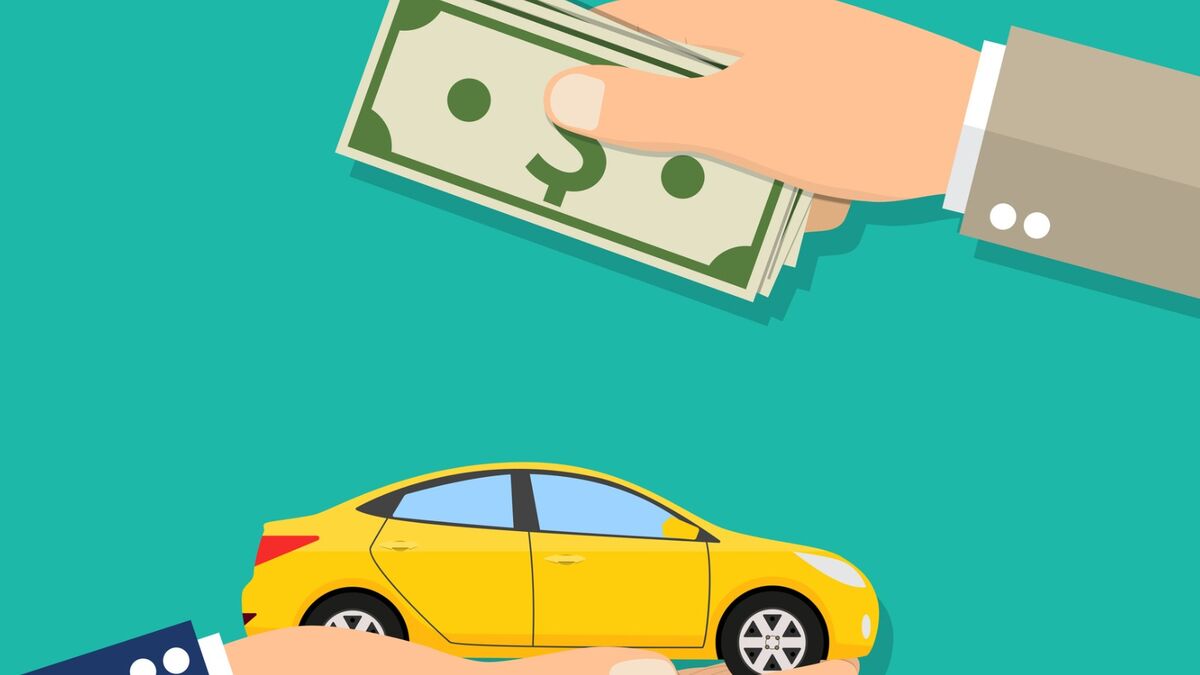
Protecting Your Investment
Your car is a significant investment, and a strong down payment helps protect that investment from day one. By minimizing the risk of negative equity, you safeguard yourself against financial loss in scenarios like an accident where the car is totaled, or if you need to sell it sooner than anticipated. This financial cushion provides peace of mind and reduces stress related to a depreciating asset.
In conclusion, deciding how much to put down on a car is a nuanced process that demands careful consideration of your personal finances, market conditions, and long-term goals. While there are general guidelines, the “right” amount is ultimately the one that provides the most financial stability and peace of mind for your specific situation. By strategically planning and committing to a thoughtful down payment, you can transform a necessary purchase into a powerful step towards greater financial security.
aViewFromTheCave is a participant in the Amazon Services LLC Associates Program, an affiliate advertising program designed to provide a means for sites to earn advertising fees by advertising and linking to Amazon.com. Amazon, the Amazon logo, AmazonSupply, and the AmazonSupply logo are trademarks of Amazon.com, Inc. or its affiliates. As an Amazon Associate we earn affiliate commissions from qualifying purchases.