
The meteoric rise of NVIDIA (NVDA) has transformed it from a niche semiconductor manufacturer into the central nervous system of the global artificial intelligence revolution. For modern investors, the question is no longer whether NVIDIA is a viable company, but rather “how much” exposure is appropriate for a well-balanced portfolio. Navigating this decision requires a deep dive into valuation metrics, risk management principles, and an understanding of the broader macroeconomic environment.
Determining the right amount of NVIDIA stock to hold involves balancing the potential for exponential growth against the inherent volatility of the technology sector. As the company continues to shatter earnings expectations and redefine market caps, investors must look beyond the hype to determine a position size that aligns with their personal financial goals and risk tolerance.
Understanding NVIDIA’s Valuation in the Age of AI
To decide how much capital to commit to NVIDIA, one must first understand what they are buying. NVIDIA is no longer just a “chip maker” for video games; it is a full-stack computing company that provides the hardware and software necessary for generative AI, data centers, and autonomous systems.
The Fundamentals Behind the Growth
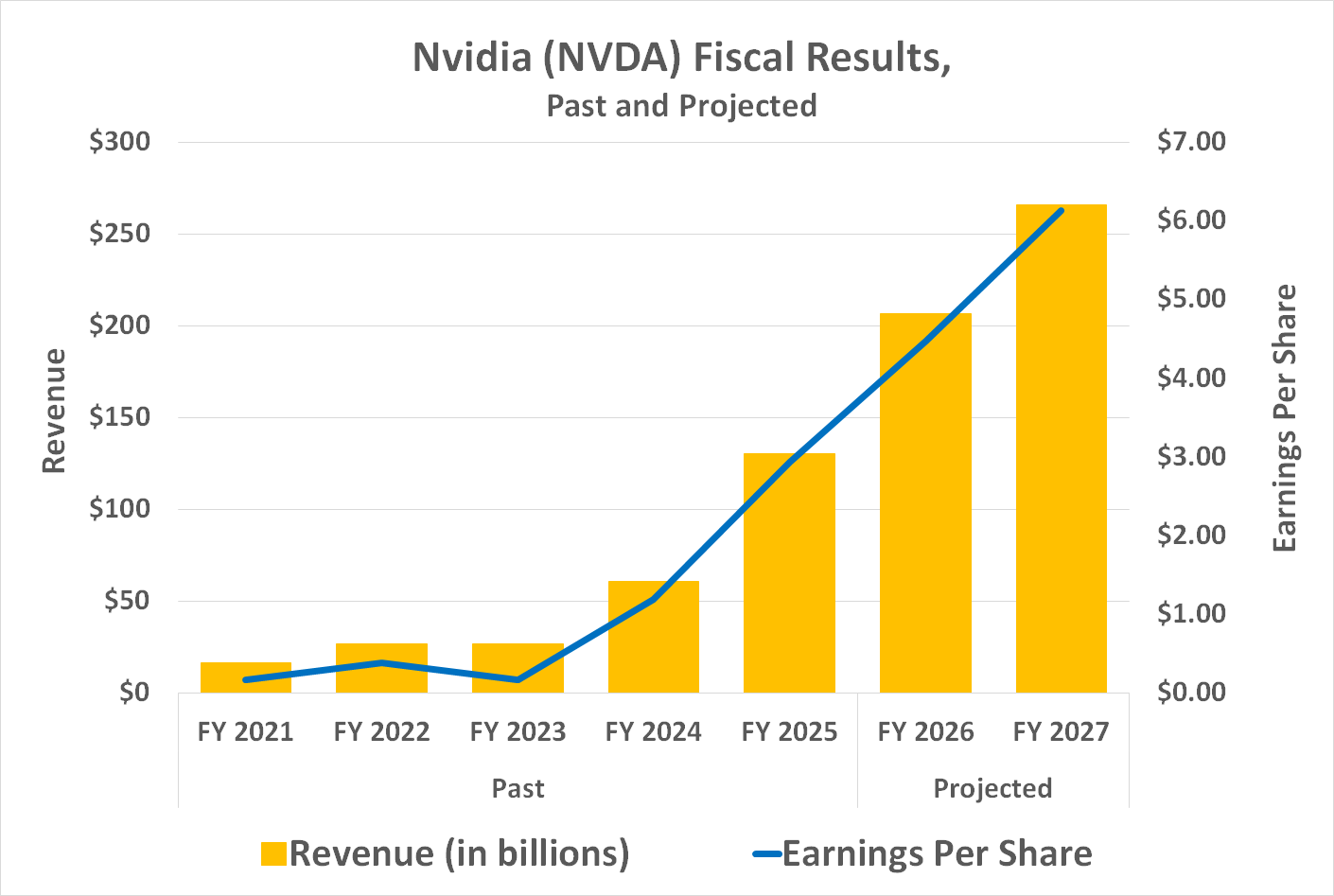
NVIDIA’s primary engine of growth is its Data Center segment. With the global demand for Large Language Models (LLMs) like GPT-4, the need for high-performance computing has skyrocketed. The company’s H100 and H200 GPUs have become the gold standard for AI training and inference. When assessing how much stock to hold, investors must analyze the sustainability of these revenue streams.
The company’s margins are exceptionally high for a hardware manufacturer, often exceeding 70% in gross margin. This indicates significant pricing power and a competitive moat built on the CUDA software platform, which makes it difficult for developers to switch to rival hardware. If you believe this moat is impenetrable, a larger position might be justified.
Price-to-Earnings vs. Growth (PEG) Ratio
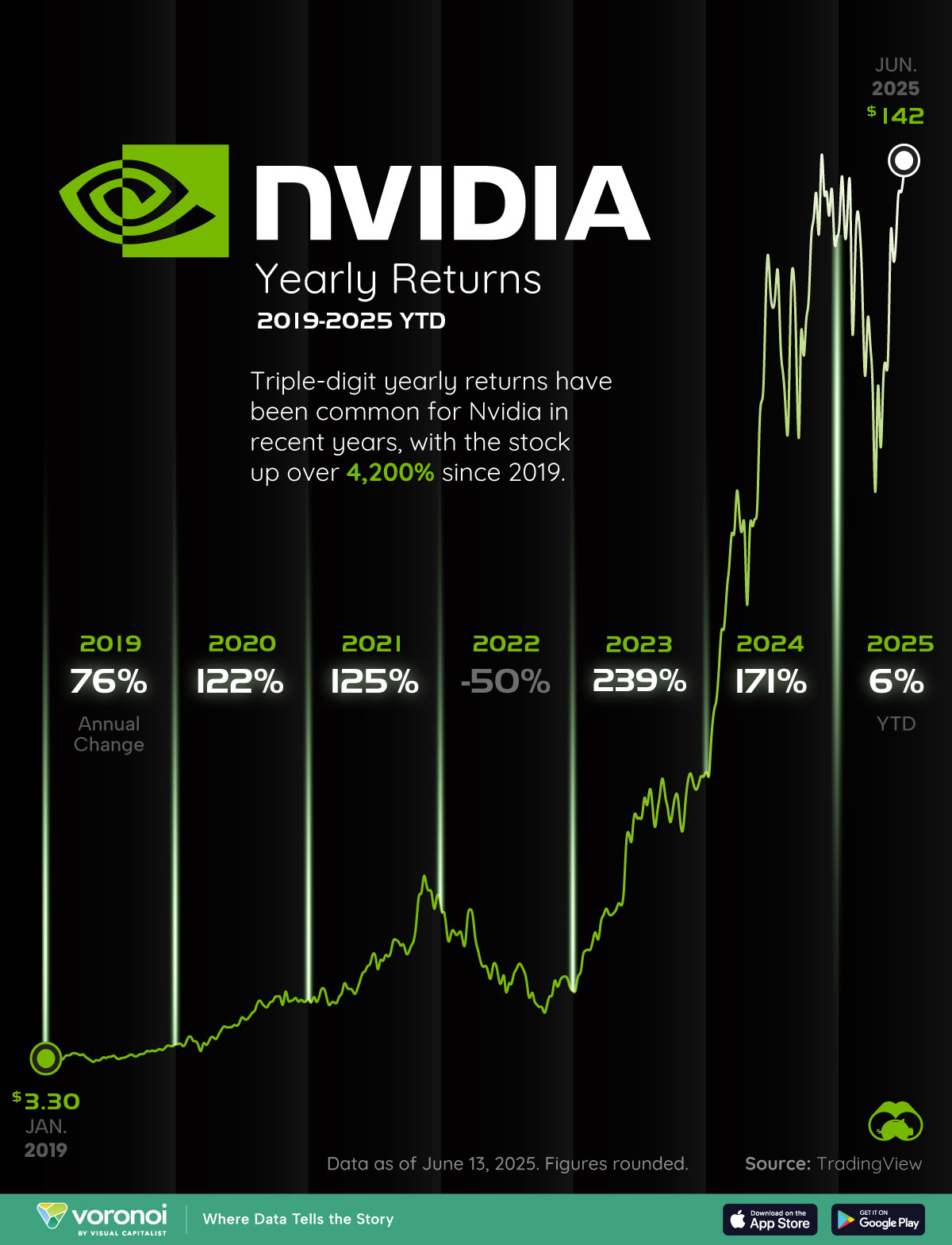
One of the most common arguments against holding a large amount of NVIDIA stock is its high Price-to-Earnings (P/E) ratio. Traditionally, a P/E ratio in the high double or triple digits would signal an overvalued asset. However, savvy investors look at the PEG ratio—which accounts for earnings growth. Because NVIDIA has consistently grown its earnings by triple digits year-over-year, its forward-looking valuation often looks more reasonable than the trailing data suggests. Understanding this nuance is key to deciding if the current price offers a “fair” entry point for your specific dollar amount.
Determining the Ideal Allocation for Your Portfolio
Asset allocation is the most important driver of long-term investment returns. Deciding how much NVIDIA stock to own is a matter of position sizing, which should be dictated by your overarching financial strategy.
Risk Tolerance and Diversification
A standard rule of thumb in personal finance is to avoid having more than 5% to 10% of your total portfolio in any single individual stock. This “5% rule” protects you from “idiosyncratic risk”—the risk that something specific goes wrong with one company.
If NVIDIA makes up 20% or 30% of your portfolio due to recent price appreciation, you are effectively betting your financial future on a single entity. While this can lead to massive gains during a bull run, it exposes you to catastrophic losses if the AI sector faces a downturn. Rebalancing—selling some shares to bring the position back down to a manageable percentage—is often a wise move for those who are nearing retirement or have a low tolerance for volatility.
The Role of Tech in a Balanced Portfolio
For younger investors with a multi-decade horizon, a “growth-heavy” approach may allow for a larger NVIDIA position. In this context, NVIDIA serves as the cornerstone of the technology sleeve of a portfolio. However, it is essential to remember that many popular ETFs, such as the Invesco QQQ or the SPDR S&P 500 (SPY), already hold significant weightings in NVIDIA.
Before buying more individual shares, calculate your “hidden” exposure. If 5% of your S&P 500 index fund is NVIDIA and you also hold a 5% individual position, your total exposure is 10%. Understanding this cumulative total is vital to ensuring you aren’t unintentionally over-concentrated in one name.
Market Sentiment and Institutional Ownership
The “how much” question is also influenced by what the “smart money” is doing. Institutional investors, including hedge funds and pension funds, have been the primary drivers of NVIDIA’s liquidity and price stability.
Why Hedge Funds are Doubling Down
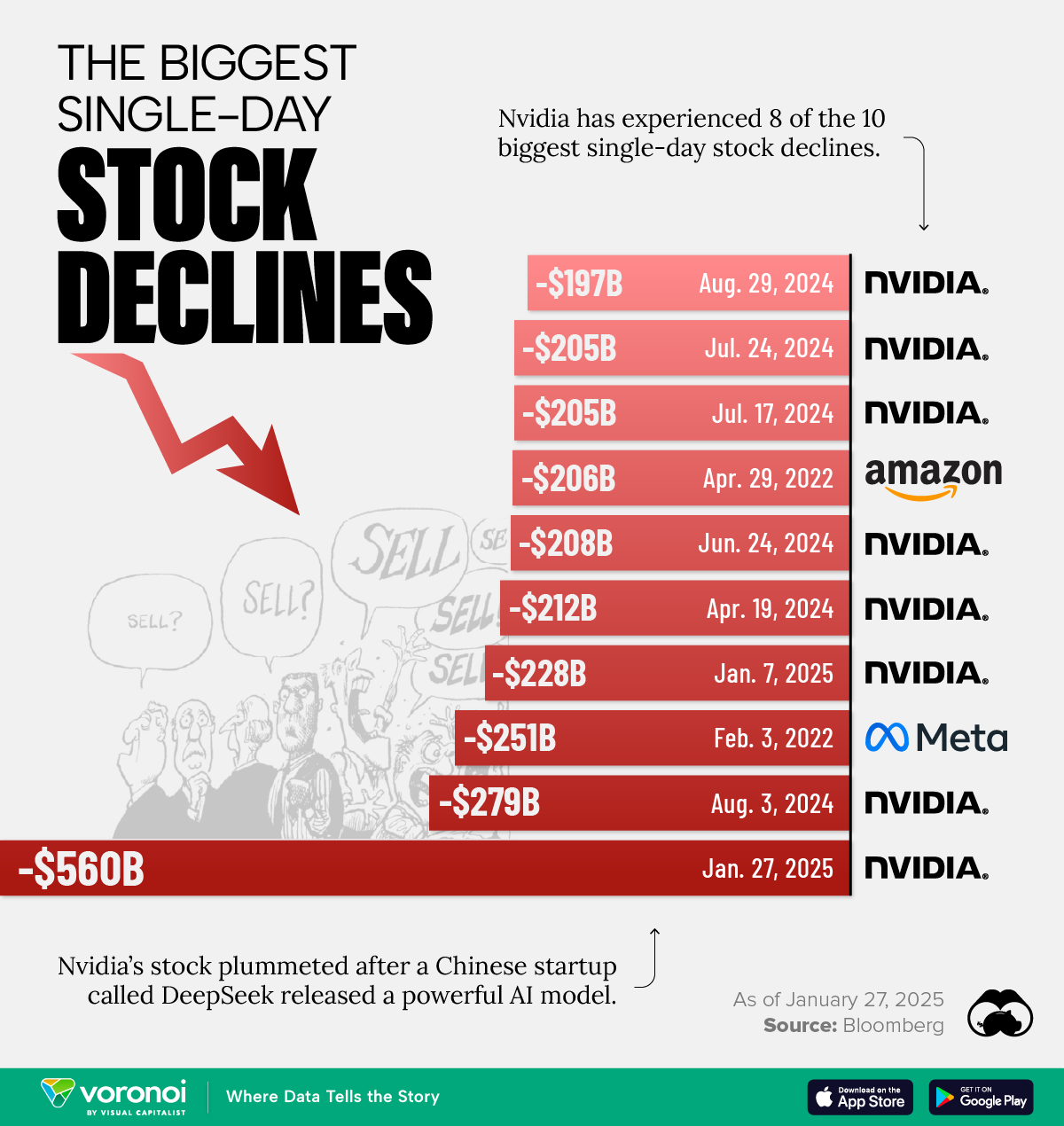
Major institutional players often treat NVIDIA as a “must-own” asset. Because NVIDIA is a top constituent in major indices, fund managers who do not own it risk underperforming their benchmarks. This institutional demand creates a floor for the stock price but also means that any “miss” in earnings can lead to massive institutional sell-offs. For an individual investor, keeping an eye on institutional ownership levels can provide a signal of whether the stock is currently “crowded” or if there is still room for professional accumulation.
The Impact of Stock Splits and Liquidity
NVIDIA’s history of stock splits has made it more accessible to retail investors. A lower share price (in nominal terms) allows for more granular control over your position size. Instead of being forced to buy one expensive share, you can use fractional shares or post-split pricing to precisely target a specific dollar amount. This liquidity makes it easier to “trim” your position or “add on the dips” without significantly altering your cash balance.
The Risks of Overconcentration
While the upside of NVIDIA is clear, no investment is without risk. Overconcentration can turn a successful investment into a source of significant stress if the market turns.
Cyclical Nature of the Semiconductor Industry
Historically, the semiconductor industry is highly cyclical. We see periods of massive demand followed by oversupply and price crashes. While the current AI boom feels different because of the fundamental shift in computing, history suggests that demand will eventually normalize. If you own too much NVIDIA stock when the cycle peaks, you could see your portfolio value drop significantly in a short period. Diversifying into other sectors—such as healthcare, consumer staples, or energy—can hedge against a “semi-winter.”
Regulatory Hurdles and Geopolitical Tensions
NVIDIA faces unique risks regarding international trade, particularly with China. The U.S. government has imposed various export restrictions on high-end AI chips to maintain a technological edge. Since a significant portion of NVIDIA’s revenue comes from international markets, any escalation in trade wars could result in a sudden drop in projected earnings.
Furthermore, the concentration of chip manufacturing in Taiwan (via TSMC) presents a geopolitical risk. If supply chains are disrupted, NVIDIA’s ability to deliver products would be severely hampered. Investors should factor these “black swan” possibilities into their decision on how much stock to hold.
Long-Term Outlook: Is it Too Late to Buy?
Many investors wonder if they have already “missed the boat.” With the stock at all-time highs, the fear of buying the top is real. However, the decision of how much to buy should be based on your time horizon.
Dollar-Cost Averaging as an Entry Strategy
If you want to build a position in NVIDIA but are worried about the current price, Dollar-Cost Averaging (DCA) is a superior strategy to a lump-sum investment. By investing a fixed amount of money at regular intervals—say, $500 every month—you buy more shares when the price is low and fewer when the price is high. This reduces the risk of entering at a local peak and allows you to gradually build toward your target allocation.
Investing in the Ecosystem
Instead of putting all your “AI capital” into NVIDIA, consider a “basket” approach. You might decide that 50% of your AI allocation goes to NVIDIA, while the other 50% is spread across competitors like AMD, or companies that benefit from AI adoption, such as Microsoft or Alphabet. This “pick and shovel” strategy ensures that you profit from the trend even if NVIDIA’s specific market share is eventually challenged.
The answer to “how much NVIDIA stock” is not a static number. It is a dynamic target that should evolve with your age, your net worth, and the company’s performance. For most disciplined investors, maintaining a core position that captures the growth of AI while protecting against the volatility of a single-sector bet remains the most prudent path to long-term wealth. Monitoring your exposure quarterly and rebalancing when necessary will allow you to participate in the AI revolution without jeopardizing your overall financial security.
aViewFromTheCave is a participant in the Amazon Services LLC Associates Program, an affiliate advertising program designed to provide a means for sites to earn advertising fees by advertising and linking to Amazon.com. Amazon, the Amazon logo, AmazonSupply, and the AmazonSupply logo are trademarks of Amazon.com, Inc. or its affiliates. As an Amazon Associate we earn affiliate commissions from qualifying purchases.