
Determining how much mortgage you will be approved for is perhaps the most critical step in the home-buying process. While many prospective homeowners begin their journey by browsing online listings and visiting open houses, the financial foundation of the transaction rests entirely on a lender’s assessment of risk and capacity. A mortgage approval is not a random figure; it is a calculated determination based on your income, existing debts, creditworthiness, and the current economic climate. Understanding these metrics allows you to move from a position of uncertainty to one of strategic planning, ensuring that when you finally find the right property, your financing is secure.
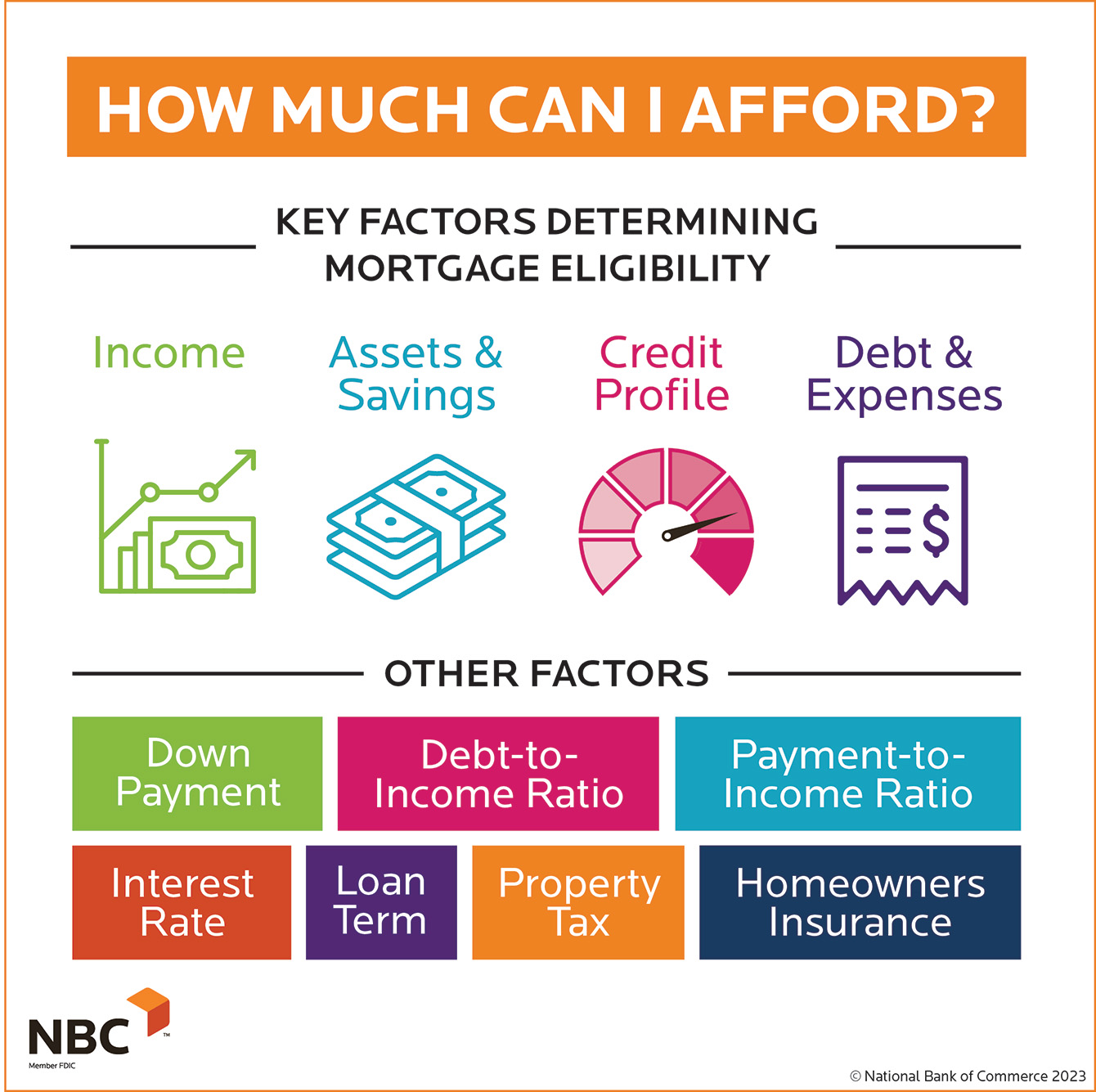
The Core Metrics Lenders Use to Evaluate Your Application
The process of mortgage approval is primarily an exercise in risk management. Lenders want to ensure that the likelihood of default is minimal. To do this, they rely on a set of standardized financial metrics that provide a snapshot of your current financial health and your long-term ability to repay a substantial loan.
Gross Monthly Income
The first figure a lender examines is your gross monthly income. Unlike your take-home pay, which is what remains after taxes and deductions, lenders use your pre-tax income to determine your maximum borrowing capacity. This includes base salary, consistent overtime, bonuses, commissions, and secondary income sources such as dividends or rental income. For those with traditional employment, this is usually verified via W-2s and recent pay stubs. However, for self-employed individuals, the process is more rigorous, typically requiring two years of tax returns to establish a reliable average of “taxable” income, which often includes deductions that can inadvertently lower your borrowing power.
Debt-to-Income (DTI) Ratio
The Debt-to-Income (DTI) ratio is arguably the most significant factor in determining your loan amount. This ratio compares your total monthly debt obligations to your gross monthly income. Lenders generally look at two types of DTI:
- Front-End Ratio: This represents the percentage of your gross income that will go toward housing expenses, including the principal, interest, property taxes, and homeowners insurance (PITI). Most lenders prefer this to stay below 28%.
- Back-End Ratio: This includes your housing expenses plus all other recurring monthly debts, such as car loans, student loans, credit card minimums, and personal loans. A standard benchmark for conventional loans is 36%, though many programs, such as FHA loans, may allow a back-end DTI as high as 43% to 50% depending on other compensating factors like a high credit score or significant cash reserves.
Credit Score and History
Your credit score is the lender’s primary tool for assessing your reliability as a borrower. It dictates not only the interest rate you will receive but also the maximum loan-to-value (LTV) ratio a lender is willing to accept. A higher credit score (typically 740 and above) signals to the lender that you are a low-risk borrower, often resulting in higher approval limits and lower interest rates. Conversely, a lower score may result in a lower approval amount to offset the perceived risk, or it may require a larger down payment to “buy down” that risk.
The Impact of Down Payments and Interest Rates
While your income and debts set the ceiling for what you can afford, the specifics of the loan terms—specifically your down payment and the prevailing interest rates—dictate how much of that “affordability” translates into a loan amount.
How Loan-to-Value (LTV) Ratios Affect Approval
The relationship between the loan amount and the value of the property is known as the Loan-to-Value (LTV) ratio. If you put down 20%, your LTV is 80%. Lenders are generally more comfortable with lower LTVs because the borrower has more “skin in the game,” and the lender has a larger equity cushion if the market fluctuates. A larger down payment can often bridge the gap if your DTI is slightly higher than preferred, as it reduces the total loan amount and, consequently, the monthly interest payment. Furthermore, a down payment of 20% or more eliminates the need for Private Mortgage Insurance (PMI), which reduces your monthly obligation and increases the amount you can put toward the principal and interest.
Interest Rates and the “Stress Test”
Interest rates have a direct, inverse relationship with your mortgage approval amount. When interest rates rise, the cost of borrowing increases, which elevates your monthly payment. Since your DTI ratio is based on that monthly payment, higher rates naturally lower the total amount of money a lender will give you. For every 1% increase in interest rates, your purchasing power can drop by approximately 10%. In some markets, lenders also apply a “stress test,” evaluating whether you could still afford the payments if interest rates were to rise significantly higher than the current market rate, ensuring long-term stability for the financial institution.
Qualifying Factors Beyond the Numbers

Beyond the raw data of income and credit scores, lenders look for qualitative stability in your financial life. These factors may not show up on a simple calculator, but they are vital during the underwriting process.
Employment Stability
Lenders favor predictability. A consistent two-year history in the same field or with the same employer is the gold standard. If you have recently switched jobs, lenders will look to see if the new role is in a similar industry and if it offers a stable salary versus a commission-heavy structure. Frequent “job-hopping” or long gaps in employment can be seen as a red flag, potentially leading to a lower approval amount or a requirement for more documentation to prove income stability.
Cash Reserves and Liquidity
Having enough money for a down payment and closing costs is the bare minimum. Lenders also like to see “reserves”—liquid assets that remain in your bank account after the deal is closed. These reserves are usually measured in months of PITI (Principal, Interest, Taxes, and Insurance) payments. If you have six months of payments in a liquid savings account, a lender may be more willing to approve a higher loan amount because you have a safety net in the event of temporary income loss.
Property Type and Appraisal
The specific property you intend to buy also influences the final approval. Lenders will not loan more than what the property is worth, regardless of your personal financial strength. This is where the appraisal comes in. If a house is under contract for $500,000 but appraises for $480,000, the lender will only base the loan on the $480,000 figure. Additionally, different property types (single-family homes vs. condos vs. multi-unit properties) have different risk profiles and may come with additional costs like Homeowners Association (HOA) fees, which are factored into your DTI.
Strategies to Increase Your Maximum Mortgage Approval
If your initial assessment suggests you won’t be approved for the amount you need, there are several strategic moves you can make to improve your financial profile in the eyes of a lender.
Improving Your Credit Profile
Even a 20-point increase in your credit score can move you into a different pricing tier, lowering your interest rate and increasing your approval limit. You can achieve this by paying down credit card balances to reduce your credit utilization ratio (ideally below 10%) and ensuring there are no errors on your credit report. Avoid opening new credit lines or making large purchases on credit in the months leading up to a mortgage application, as this can temporarily dip your score and increase your DTI.
Consolidating and Reducing Debt
Since the DTI ratio is a pivot point for approval, reducing your monthly recurring debt is the fastest way to increase your borrowing power. If you have a car loan with only ten months of payments remaining, some lenders may exclude that debt from your DTI. Alternatively, paying off a high-interest credit card or personal loan can free up hundreds of dollars in monthly “capacity,” allowing that money to be redirected toward a larger mortgage payment.
Considering a Co-signer or Joint Application
For those whose individual income isn’t sufficient for the desired loan amount, adding a co-borrower can significantly boost approval. By combining incomes, the total DTI is recalculated. However, it is important to remember that the lender will also consider the co-borrower’s debts and will typically use the lower of the two credit scores to determine the interest rate.
Calculating Your Realistic Budget vs. Maximum Approval
There is often a significant difference between what a lender says you can borrow and what you should borrow. A lender’s approval is based on gross income and doesn’t account for your specific lifestyle costs, such as childcare, travel, or savings goals.
The Hidden Costs of Homeownership
When calculating your realistic budget, you must look beyond the PITI. New homeowners are often surprised by the “hidden” costs of maintaining a property. Utility bills for a larger home, regular maintenance (often estimated at 1% of the home’s value per year), and the potential for emergency repairs can strain a budget that is already stretched to the maximum DTI allowed by a lender.

Maintaining Financial Flexibility
The goal of homeownership is to build equity and stability, not to become “house poor.” Being house poor occurs when such a large percentage of your monthly income goes toward housing that you are unable to save for retirement, handle emergencies, or enjoy discretionary spending. Smart financial planning involves looking at your net income—what actually hits your bank account—and ensuring that your total housing cost allows for a comfortable margin of error. By aiming for a loan amount that is slightly below your maximum approval, you ensure long-term financial resilience and the ability to weather future economic shifts.
aViewFromTheCave is a participant in the Amazon Services LLC Associates Program, an affiliate advertising program designed to provide a means for sites to earn advertising fees by advertising and linking to Amazon.com. Amazon, the Amazon logo, AmazonSupply, and the AmazonSupply logo are trademarks of Amazon.com, Inc. or its affiliates. As an Amazon Associate we earn affiliate commissions from qualifying purchases.