
The question “How much money will I have?” is one that resonates deeply with virtually everyone. It’s not merely a query about numerical figures; it’s a profound exploration into security, freedom, aspirations, and the tangible results of our financial choices over time. For some, it evokes images of a comfortable retirement; for others, it’s about funding a child’s education, buying a dream home, or achieving financial independence to pursue passions. Regardless of the underlying motivation, projecting one’s future financial standing is a critical exercise in personal finance. It transforms abstract hopes into concrete plans, revealing the potential trajectory of your wealth and empowering you to make informed decisions today that will shape your tomorrow. This article delves into the various facets of this complex question, offering insights and strategies to help you navigate your financial future with greater clarity and confidence.

The Pillars of Financial Projection: Understanding Your Starting Point
To accurately forecast your future wealth, you must first establish a robust understanding of your current financial landscape. This isn’t just about knowing your bank balance; it’s about a comprehensive assessment of your entire financial ecosystem. Without a clear picture of where you stand, any projection, no matter how sophisticated, will be built on shaky ground.
Assessing Your Current Financial Snapshot
Begin by creating a detailed net worth statement. This involves listing all your assets—what you own—such as cash, savings accounts, investment portfolios (stocks, bonds, mutual funds), real estate, retirement accounts (401k, IRA), and even valuable personal property. Alongside this, list all your liabilities—what you owe—including mortgages, car loans, student loans, credit card debt, and any other outstanding obligations. Your net worth is simply your total assets minus your total liabilities. This single figure provides a powerful, quantifiable measure of your current financial health. Beyond net worth, meticulously track your income sources and monthly expenses. Understand where your money comes from and, more importantly, where it goes. This cash flow analysis is foundational for identifying areas for savings and understanding your capacity to invest. Many find digital budgeting tools or simple spreadsheets invaluable for this initial data gathering. The more precise your current financial data, the more accurate your future projections can be.
Defining Your Financial Goals and Time Horizons
Forecasting your future wealth is meaningless without a destination in mind. What are you saving and investing for? Retirement? A down payment on a house? Your children’s education? A significant purchase? Each goal will have a different time horizon and require a distinct strategic approach. Short-term goals (under 5 years) might prioritize liquidity and lower risk, while long-term goals (10+ years) can leverage the power of compound interest and tolerate greater market volatility. Clearly define each goal, assign a specific monetary target to it, and establish a realistic timeline for achievement. For instance, “I want to retire by age 65 with an income of $80,000 per year” is far more actionable than “I want to have a lot of money when I retire.” Specific, measurable, achievable, relevant, and time-bound (SMART) goals are the bedrock of effective financial planning and will guide your projections.
Key Drivers of Future Wealth: The Variables at Play
Once you have a firm grasp of your current financial situation and clear goals, the next step is to understand the primary factors that will dictate how much money you accumulate over time. These variables interact dynamically, and optimizing them is central to maximizing your future wealth.
Income, Savings Rate, and Expense Management
Your income is the fuel for your financial engine. Naturally, higher income provides greater capacity for saving and investing. However, income alone isn’t enough; your savings rate—the percentage of your income you save—is arguably more critical. A high income with an equally high expense level leaves little for wealth building. Conversely, a modest income coupled with diligent saving can lead to substantial accumulation over time. Effective expense management is the key to increasing your savings rate. This involves distinguishing between needs and wants, cutting unnecessary spending, and consciously directing a portion of every paycheck towards savings and investments. Automation, such as setting up automatic transfers to savings or investment accounts, can significantly boost your savings rate without requiring constant conscious effort. Remember, every dollar saved and invested today has the potential to grow exponentially.
Investment Strategies and Expected Returns
How you invest your savings profoundly impacts your future wealth. Simply letting money sit in a low-interest savings account will barely keep pace with inflation. Investing in assets like stocks, bonds, mutual funds, and real estate offers the potential for higher returns. The choice of investment strategy depends heavily on your risk tolerance, time horizon, and financial goals. A younger investor with a long time horizon might adopt a more aggressive, equity-heavy portfolio, while someone nearing retirement might opt for a more conservative, income-generating approach. Understanding the historical average returns of different asset classes is essential, but it’s crucial to acknowledge that past performance is not indicative of future results. Financial models often use conservative average annual returns (e.g., 6-8% for a diversified portfolio) for long-term projections to account for market fluctuations. Diversification across different asset classes and geographies is a cornerstone of prudent investment strategy, mitigating risk while pursuing growth.
The Impact of Inflation and Time Value of Money
While projecting future monetary figures, it’s vital to consider the impact of inflation. Inflation erodes the purchasing power of money over time, meaning that a dollar today will be worth less in the future. A substantial sum in 30 years might seem impressive, but its real value (what it can actually buy) could be significantly less than today’s equivalent. Therefore, projections should ideally be made in “real” terms, adjusted for an average inflation rate (e.g., 2-3% annually), or at least the projected nominal values should be understood in the context of reduced future purchasing power. Closely related is the time value of money—the concept that a sum of money is worth more now than the same sum will be at a future date due to its potential earning capacity. This principle underlies the power of compound interest, where your initial investment earns returns, and those returns then earn their own returns, creating an accelerating growth effect. The earlier you start investing, the more powerfully the time value of money works in your favor.
Practical Tools and Methodologies for Wealth Forecasting

Predicting the future is impossible, but effective financial planning uses a range of tools and methodologies to create educated projections. These resources allow you to visualize different scenarios and understand the likely outcomes of various financial decisions.
Budgeting and Cash Flow Analysis for Future Planning
While previously mentioned for assessing your current state, budgeting and cash flow analysis are equally crucial for future planning. By projecting your future income and expenses, you can determine how much you can realistically save and invest each month or year. This involves forecasting salary increases, potential bonuses, and anticipated changes in living expenses (e.g., higher housing costs, new dependents, or reduced expenses in retirement). A detailed future budget helps you identify potential shortfalls or surpluses, allowing for proactive adjustments to your spending habits or income generation strategies. This forward-looking budget serves as a foundational input for any long-term wealth projection model, demonstrating the direct link between your daily financial habits and your long-term financial health.
Utilizing Retirement Calculators and Financial Planning Software
For long-term goals like retirement, specialized calculators and financial planning software are invaluable. These tools allow you to input your current age, desired retirement age, current savings, annual contributions, and expected rate of return, then project your future wealth. Many advanced platforms can also factor in inflation, taxes, Social Security benefits, and anticipated expenses in retirement. They often provide Monte Carlo simulations, which run thousands of different market scenarios to give you a probability range of achieving your goals, rather than a single fixed number. While free online calculators offer quick estimates, more comprehensive paid software or consulting with a financial advisor provides a deeper, personalized analysis, incorporating your unique circumstances and complex variables. These tools help demystify the future, illustrating the impact of small changes in savings or investment returns over decades.
Harnessing the Power of Compound Interest
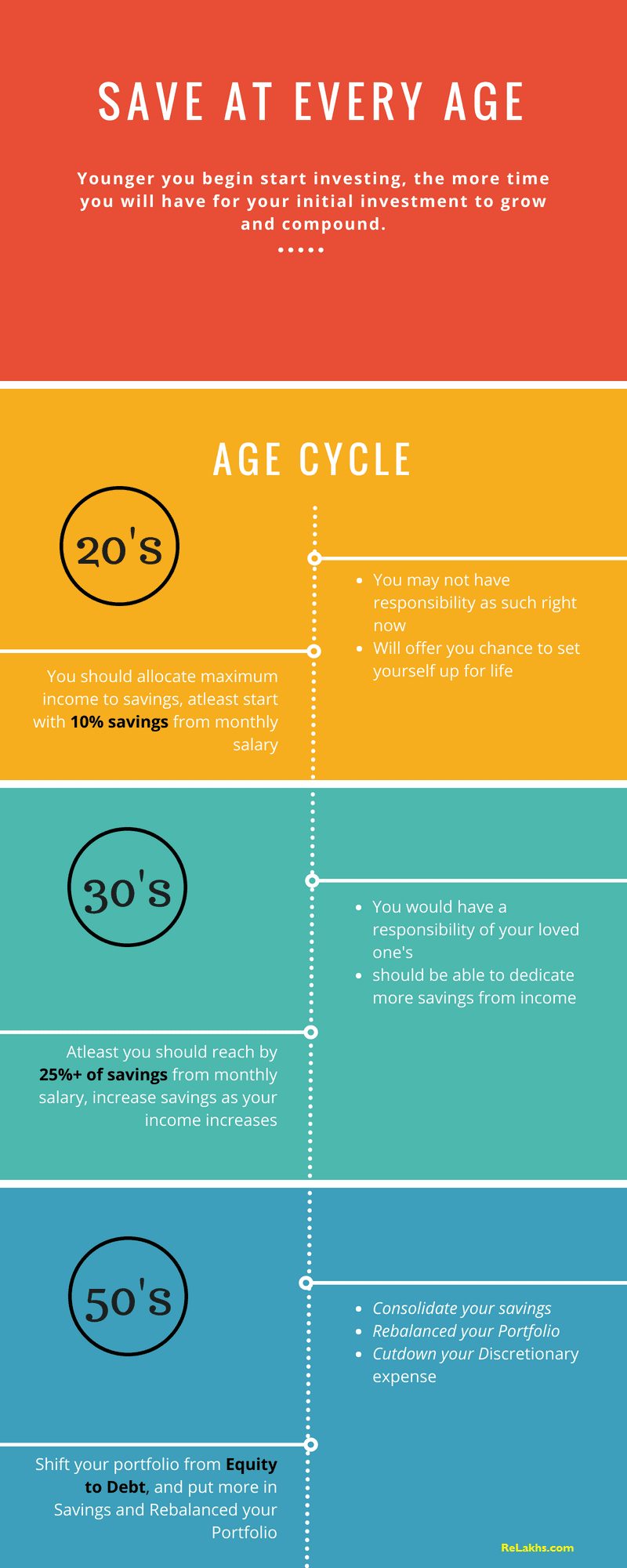
At the heart of almost every successful long-term financial projection lies the principle of compound interest. This is the phenomenon where your investment earnings themselves start earning returns, creating an exponential growth curve. Albert Einstein reportedly called it the “eighth wonder of the world.” Understanding and harnessing compound interest means starting early, investing consistently, and allowing your money sufficient time to grow. Even modest, regular contributions can accumulate into substantial wealth over 20, 30, or 40 years. For example, consistently investing $500 per month from age 25 to 65 at an average 7% annual return could yield well over $1.2 million, largely thanks to compounding. Projections that factor in compound interest vividly demonstrate the immense value of patience and discipline in investing.
Adapting Your Path: Mitigating Risks and Revising Your Strategy
Financial planning isn’t a one-time event; it’s an ongoing process. Life is unpredictable, and your financial trajectory will inevitably face unforeseen challenges and opportunities. Regularly reviewing and adapting your plan is crucial for staying on course.
Building Emergency Funds and Considering Insurance
Before significant investing, building a robust emergency fund is paramount. This typically involves saving 3-6 months’ worth of living expenses in an easily accessible, liquid account. An emergency fund acts as a financial buffer against unexpected job loss, medical emergencies, or large unforeseen expenses, preventing you from having to derail your long-term investment plans or incur high-interest debt. Beyond emergencies, appropriate insurance coverage (health, life, disability, home, auto) is essential for protecting your assets and future income from catastrophic events. These protections are not investments that generate returns, but they safeguard your existing wealth and your ability to continue earning and saving, thereby protecting your long-term financial projections. Without these safety nets, a single adverse event could severely compromise your financial future.
Regular Reviews and Adjustments to Your Financial Plan
Your financial plan should not be set in stone. Life events such as marriage, children, career changes, divorce, or unexpected inheritances will necessitate adjustments. Economic conditions, market performance, and even changes in tax laws can also impact your projections. It’s wise to schedule annual or semi-annual financial reviews where you reassess your net worth, cash flow, investment performance, and progress towards your goals. Are you on track? Do your goals need updating? Does your risk tolerance remain the same? These reviews provide opportunities to course-correct, rebalance your portfolio, adjust your savings rate, or explore new investment opportunities. Flexibility and adaptability are hallmarks of successful long-term financial planning.
Seeking Professional Financial Guidance
While many aspects of personal finance can be managed independently, complex situations, significant assets, or a desire for specialized expertise often warrant seeking advice from a qualified financial advisor. A fee-only fiduciary advisor can provide unbiased guidance, help you create a comprehensive financial plan, optimize your investment strategy, manage tax implications, and navigate complex financial decisions like estate planning or business succession. They can also provide a valuable objective perspective and hold you accountable to your financial goals. For many, the peace of mind and enhanced potential for reaching their financial objectives that professional guidance offers makes the investment worthwhile, particularly as their financial life becomes more intricate.
Conclusion
The question “How much money will I have?” is a powerful catalyst for financial introspection and action. While no one possesses a crystal ball, a methodical approach involving a clear understanding of your current financial state, well-defined goals, intelligent savings and investment strategies, and consistent monitoring can provide a remarkably accurate roadmap to your future wealth. Embrace the power of compound interest, prioritize disciplined saving, manage your expenses wisely, and protect yourself against unforeseen risks. By actively engaging with your finances today, you are not just asking about the future; you are actively shaping it, building a foundation for the security, freedom, and prosperity you envision. Your financial future is not a matter of fate, but a consequence of conscious choices and diligent effort.
aViewFromTheCave is a participant in the Amazon Services LLC Associates Program, an affiliate advertising program designed to provide a means for sites to earn advertising fees by advertising and linking to Amazon.com. Amazon, the Amazon logo, AmazonSupply, and the AmazonSupply logo are trademarks of Amazon.com, Inc. or its affiliates. As an Amazon Associate we earn affiliate commissions from qualifying purchases.