
It’s a question that silently (or sometimes loudly) echoes in the minds of professionals across every industry and career stage: “How much money should I be making?” This isn’t just about curiosity; it’s a fundamental query tied to financial security, career validation, lifestyle aspirations, and future planning. In an increasingly competitive and dynamic economic landscape, understanding your true earning potential and aligning it with your personal and professional goals is more crucial than ever. This article delves into the multifaceted factors that determine your income, provides strategies for evaluating your worth, and offers practical advice on how to navigate your financial journey with clarity and confidence. It’s not simply about a number; it’s about understanding value, market forces, and personal ambition.
Understanding Your Current Financial Landscape
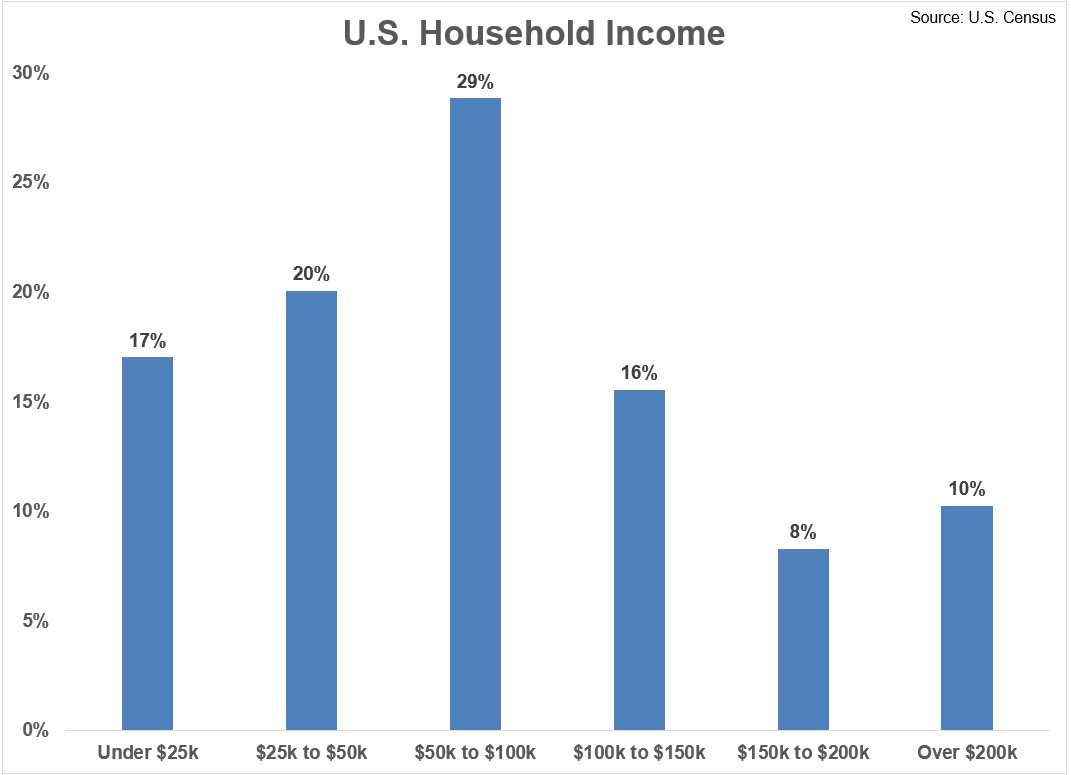
Before you can determine what you should be making, you must first understand where you currently stand. This foundational step involves a thorough assessment of your existing financial situation, which acts as the compass for your income goals. Without a clear picture of your inputs and outputs, any target income figure is merely a shot in the dark.
Assessing Your Expenses and Lifestyle Needs
The very first step is to meticulously track and categorize your current expenses. This includes everything from fixed costs like rent/mortgage, loan payments, and insurance premiums, to variable costs such as groceries, utilities, transportation, entertainment, and discretionary spending. Beyond the raw numbers, consider the lifestyle you currently maintain and the one you aspire to. Do you enjoy dining out frequently, traveling, or pursuing expensive hobbies? Your desired lifestyle directly dictates the baseline income required to sustain it comfortably. A detailed budget isn’t just a restriction; it’s a revelation of where your money truly goes and how much you need to cover your necessities and desires. This exercise often highlights areas where you might be overspending, or, conversely, areas where your income is stretched thin, signaling a need for an increase.
Calculating Your Net Worth and Financial Obligations
A holistic financial assessment extends beyond monthly cash flow to your broader financial health. Calculating your net worth (assets minus liabilities) provides a snapshot of your financial standing at a given moment. Assets include savings accounts, investments, real estate, and other valuables, while liabilities encompass credit card debt, student loans, car loans, and mortgages. Understanding your net worth helps you gauge your progress toward long-term financial goals and highlights any significant financial obligations that demand a certain level of income to manage effectively. High debt burdens, for instance, might necessitate a higher income target not just for lifestyle, but for responsible debt management and accelerated repayment. This calculation provides crucial context for how much disposable income you genuinely have or need.
Defining Your Short-Term and Long-Term Financial Goals
Income isn’t just for immediate needs; it’s a tool for future fulfillment. Clearly defining your financial goals—both short-term (e.g., building an emergency fund, saving for a down payment, paying off specific debt) and long-term (e.g., retirement planning, funding education, achieving financial independence)—is paramount. Each goal comes with an implicit price tag and a timeline. For instance, if you aim to retire by 50 or purchase a home within five years, your required annual savings rate will significantly influence the income level you need to achieve today. These goals transform abstract income desires into concrete, measurable targets, providing powerful motivation and a clear benchmark for what “enough” money truly means for you.
Benchmarking Your Value in the Market
Once you understand your personal financial needs, the next critical step is to look outwards and evaluate your market value. In a competitive job market, your income isn’t solely determined by your personal needs; it’s heavily influenced by what similar roles command and what employers are willing to pay for specific skill sets.
Researching Industry and Role-Specific Salary Data
The digital age has democratized salary transparency to a significant extent. Numerous online resources and platforms—such as Glassdoor, LinkedIn Salary, Salary.com, PayScale, and the Bureau of Labor Statistics (BLS)—offer comprehensive data on salary ranges for specific job titles, industries, and experience levels. When conducting this research, be as specific as possible. Don’t just look up “engineer”; specify “Senior Software Engineer, specializing in AI/ML, in the FinTech industry.” This level of detail ensures the benchmarks are relevant to your unique professional profile. Pay attention to not just base salary but also bonuses, equity, and other forms of compensation, which can significantly impact overall earnings.
Considering Geographic and Economic Factors
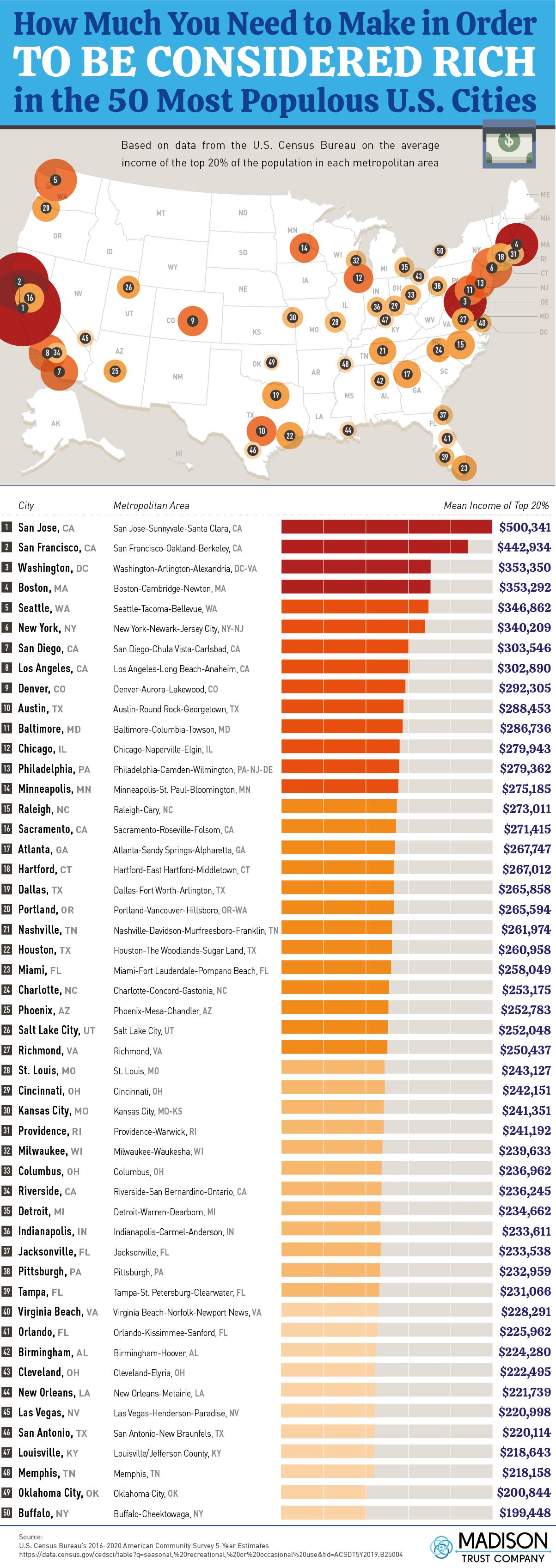
Location plays a profound role in compensation. Salaries for the same role can vary drastically between cities with different costs of living, labor market demands, and prevailing economic conditions. A software engineer in San Francisco will likely earn substantially more than one in a smaller, lower-cost city, even with similar experience, primarily due to the higher cost of living and intense competition for talent in major tech hubs. Moreover, broader economic factors, such as inflation rates, industry growth trends, and recessionary pressures, can influence overall compensation levels. Understanding these external variables allows you to contextualize salary data and set realistic expectations for your earning potential within your specific geographic and economic environment.
Valuing Your Skills, Experience, and Education
Your unique combination of skills, professional experience, and educational background forms the core of your market value. In-demand technical skills (e.g., data science, cybersecurity, cloud computing), specialized certifications, advanced degrees (Master’s, PhD, MBA), and extensive experience in leadership or niche areas significantly boost earning potential. Employers are willing to pay a premium for individuals who bring unique expertise, a proven track record of success, and the ability to immediately contribute to their bottom line. Regularly assessing which skills are most valued in your industry and investing in continuous learning to acquire or refine them is crucial. Furthermore, quantifying your accomplishments (e.g., “Increased sales by 20%,” “Reduced operational costs by 15%”) in terms of their business impact can powerfully articulate your value during salary negotiations.
Factors Influencing Your Earning Potential
While market benchmarks provide a general range, individual earning potential is sculpted by a confluence of specific personal and professional attributes. Understanding these drivers allows for strategic career planning and targeted development.
The Impact of Education and Continuous Learning
Beyond foundational degrees, continuous learning is a major differentiator. Specialized certifications, advanced degrees (Master’s, PhD, MBAs), and even robust online courses that lead to demonstrable skills can significantly enhance your market value. Fields like technology, healthcare, and finance place a high premium on up-to-date knowledge and specialized expertise. Employers often reward employees who proactively invest in their professional development, as it translates directly into higher productivity, innovation, and problem-solving capabilities. Neglecting ongoing education, in contrast, can lead to skill obsolescence and stagnant wages, particularly in rapidly evolving industries.
Specialization vs. Generalization
The debate between being a specialist (“T-shaped” professional) versus a generalist has implications for earning potential. Deep specialists in high-demand, niche areas (e.g., quantum computing engineer, regulatory compliance expert in specific financial instruments) often command higher salaries due to their unique and irreplaceable expertise. Their pool of potential employers might be smaller, but their value to those employers is immense. Generalists, on the other hand, possess a broad range of skills and can adapt to various roles and challenges, offering versatility. While they might not reach the peak income of a niche specialist, their adaptability can provide career resilience across different economic cycles. The optimal path often depends on your industry and personal career aspirations, with many professionals aiming for a “T-shaped” profile: broad knowledge with deep expertise in one or two areas.
Negotiation Skills and Career Advancement Strategies
One of the most underestimated factors is your ability to negotiate effectively. Many individuals leave substantial money on the table simply by not negotiating their initial salary offer or subsequent raises. Strong negotiation skills, backed by solid market research and a clear articulation of your value, can significantly impact your lifetime earnings. Furthermore, strategic career advancement, which includes seeking out promotions, taking on leadership roles, and proactively managing your career trajectory, is crucial. This might involve lateral moves to gain new skills, volunteering for high-visibility projects, or even changing companies when internal growth opportunities are limited. A passive approach to career progression often leads to stagnant income.
The Role of Industry, Company Size, and Location
As touched upon previously, these external factors are critical. Certain industries inherently offer higher compensation due to profit margins, demand for specialized skills, or regulatory environments (e.g., technology, investment banking, pharmaceuticals). Within an industry, larger companies often have more robust compensation structures, including higher base salaries and comprehensive benefits, compared to startups or small businesses, though startups might offer equity with higher potential upside. Location, with its varying cost of living and talent pool dynamics, remains a constant variable. A thoughtful analysis of these contextual elements is essential when assessing your true earning potential and making career decisions.
Aligning Income with Lifestyle and Aspirations
Ultimately, the question of “how much money should I be making” isn’t purely about hitting a high number; it’s about making enough to live the life you desire, achieve your financial goals, and find a sustainable balance. This brings us back to personal fulfillment beyond the paycheck.
The Concept of “Financial Independence”
For many, a key aspiration is financial independence (FI), which is the state of having sufficient passive income to cover your living expenses without needing to work a traditional job. Achieving FI often requires a higher-than-average savings rate, necessitating an income level that allows for significant contributions to investment portfolios. The amount of money you “should” be making then becomes directly tied to your FI number—the total amount you need invested to generate your desired passive income. This goal re-frames income from merely covering bills to building a robust financial future that offers choice and freedom. It compels a more strategic approach to both earning and saving.
Balancing Income with Work-Life Harmony
Earning potential often comes with trade-offs. High-paying roles can sometimes demand long hours, intense pressure, and significant travel, potentially eroding work-life balance. Conversely, a role with a slightly lower salary might offer greater flexibility, less stress, or more time for personal pursuits and family. The “right” income level is therefore a deeply personal decision that integrates financial reward with quality of life. It asks you to weigh monetary gains against the non-monetary benefits of your work and lifestyle. For some, the ideal income is one that supports a comfortable life without requiring sacrifices that diminish overall well-being.
Beyond Salary: The Value of Benefits and Perks
A comprehensive understanding of your compensation extends far beyond the base salary. Benefits packages, which often include health insurance, retirement contributions (e.g., 401k match), paid time off, professional development allowances, and even fringe benefits like gym memberships or tuition reimbursement, can add significant monetary value to your total compensation. A lower base salary might be more than compensated by a superior benefits package that saves you thousands in out-of-pocket expenses. When evaluating job offers or considering your current compensation, always factor in the full suite of benefits, as they contribute directly to your financial security and overall quality of life.
Strategies for Increasing Your Income
Having assessed your current situation, benchmarked your value, and considered all influencing factors, the final step is to formulate actionable strategies to bridge the gap between what you are making and what you should be making.
Upskilling and Reskilling for Higher-Paying Roles
The most direct route to higher income is often through enhancing your value. Identify in-demand skills within your industry or a target industry and commit to acquiring them. This could involve formal education, certifications, online courses, or even self-directed learning. For example, a marketing professional might upskill in data analytics or AI-powered marketing tools. A software developer might reskill in a new programming language or cloud platform. Investing in your human capital through continuous learning positions you for roles with greater complexity, responsibility, and, consequently, higher compensation.
Effective Salary Negotiation
Never underestimate the power of negotiation. When receiving a job offer or discussing a raise, be prepared to articulate your market value with confidence. Research typical compensation ranges, highlight your specific accomplishments and contributions, and be ready to justify your desired salary. Practice your pitch, anticipate objections, and maintain a professional yet assertive demeanor. Remember, negotiation isn’t adversarial; it’s a discussion about fair market value for your unique skills and contributions. Successfully negotiating even a modest percentage increase can have a compounding effect on your lifetime earnings.
Exploring Side Hustles and Passive Income Streams
If your primary job doesn’t meet your income goals, or if you’re seeking additional financial security, exploring side hustles and passive income streams can be an excellent strategy. Side hustles (e.g., freelance consulting, gig economy work, tutoring, creative pursuits) leverage your existing skills or develop new ones, providing supplemental income. Passive income streams (e.g., rental properties, dividend stocks, royalties from intellectual property, creating digital products) require upfront effort but can generate ongoing income with minimal active management, accelerating your path to financial independence. These avenues diversify your income sources and can significantly boost your overall earnings.
Strategic Career Planning and Networking
Don’t leave your career trajectory to chance. Develop a strategic career plan that outlines your short-term and long-term professional goals, identifying the steps needed to reach them. This might involve targeting specific companies, seeking mentorship, or pursuing leadership opportunities. Networking is also invaluable; building relationships with peers, mentors, and industry leaders can open doors to new opportunities, provide valuable insights, and offer sponsorship for career advancement. A well-connected professional is often better positioned for high-paying roles and significant career growth. Actively managing your career, rather than passively letting it happen, is key to maximizing your earning potential.
In conclusion, the question of “how much money should I be making” is deeply personal, multifaceted, and evolving. It demands self-reflection, diligent research, and proactive strategies. By understanding your financial needs, benchmarking your market value, appreciating the various factors that influence income, aligning your earnings with your lifestyle aspirations, and actively pursuing growth opportunities, you can take control of your financial destiny and move closer to achieving the monetary goals that support your ideal life.
aViewFromTheCave is a participant in the Amazon Services LLC Associates Program, an affiliate advertising program designed to provide a means for sites to earn advertising fees by advertising and linking to Amazon.com. Amazon, the Amazon logo, AmazonSupply, and the AmazonSupply logo are trademarks of Amazon.com, Inc. or its affiliates. As an Amazon Associate we earn affiliate commissions from qualifying purchases.