
The quest for financial comfort is a universal aspiration, yet its definition remains uniquely personal. While the concept of “living comfortably” might conjure images of lavish lifestyles for some, for others it simply means freedom from financial stress, the ability to meet essential needs without worry, and the capacity to pursue personal interests. This article delves into the intricate factors that shape this elusive number, guiding you through a comprehensive exploration of what it truly means to achieve financial comfort in your own life. Far from a simple calculation, it’s an evolving journey influenced by location, lifestyle, responsibilities, and long-term aspirations.

Defining “Comfortably”: Beyond Basic Needs
The first step in determining how much money you need is to clarify what “comfortably” means to you. This isn’t just about covering your basic survival needs; it’s about the quality of life you envision and the financial security that underpins it.
The Subjectivity of Comfort
Comfort is a deeply personal construct, shaped by individual values, life experiences, and cultural backgrounds. For one person, comfort might mean owning a modest home, driving a reliable car, and having enough left over for occasional dining out and a yearly vacation. For another, it might involve living in a prime urban location, funding private education for children, regularly investing in luxury experiences, or contributing significantly to philanthropic causes. There’s no universal benchmark because what brings peace of mind and satisfaction varies immensely from person to person. It’s crucial to look inward and honestly assess your own desires and priorities rather than comparing your situation to others. Your comfort number is a reflection of your ideal life, not someone else’s.
Needs vs. Wants: The Comfort Spectrum
To live comfortably, you must first cover your fundamental needs: shelter, food, clothing, transportation, and healthcare. These are non-negotiable expenses that form the base layer of any budget. However, living comfortably extends beyond mere subsistence. It involves fulfilling your “wants” – those discretionary expenditures that enhance your quality of life, reduce stress, and provide enjoyment. This spectrum ranges from having a reliable internet connection and access to entertainment subscriptions to indulging in hobbies, traveling, saving for your children’s college education, or making significant contributions to a retirement fund. The gap between merely existing and truly thriving is often defined by the extent to which one can comfortably afford these “wants” without compromising future financial stability. Understanding this distinction is vital for accurately assessing your personal comfort threshold.
Key Factors Influencing Your Comfort Number
Your ideal financial comfort figure is not static; it’s a dynamic sum heavily influenced by external and internal factors. Understanding these variables is critical for an accurate assessment.
Geographic Location: The Cost of Living Index
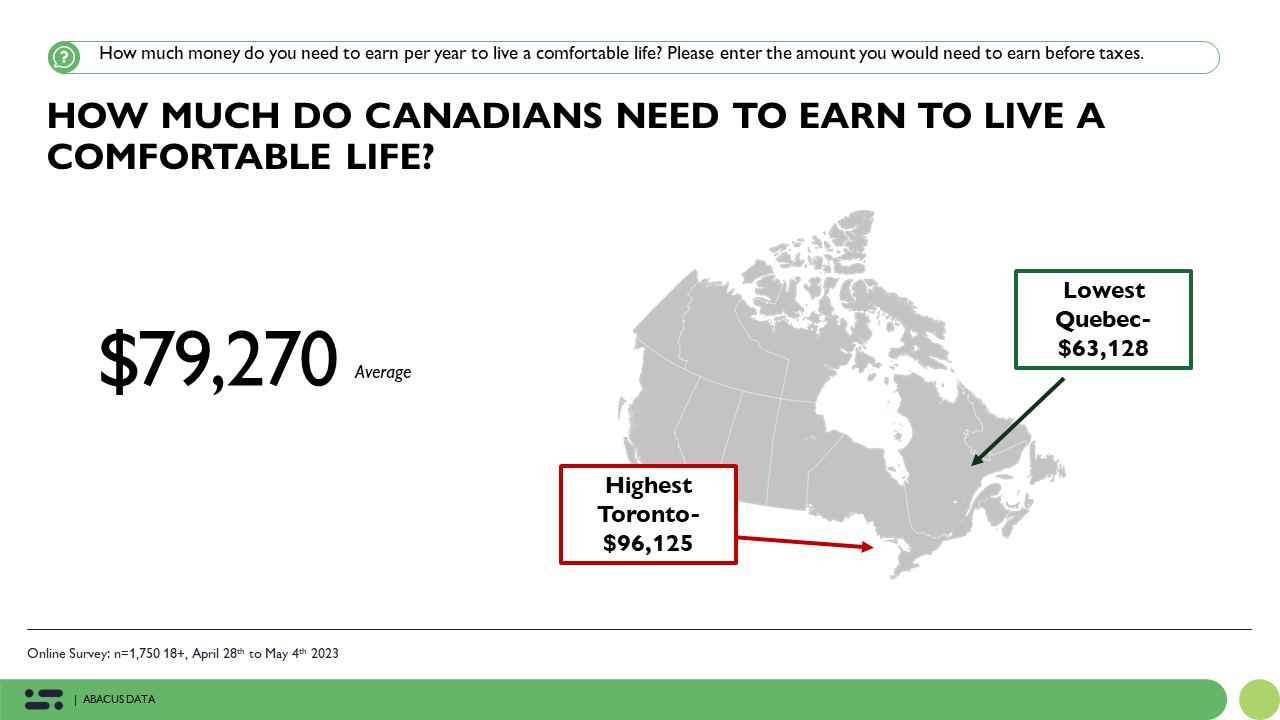
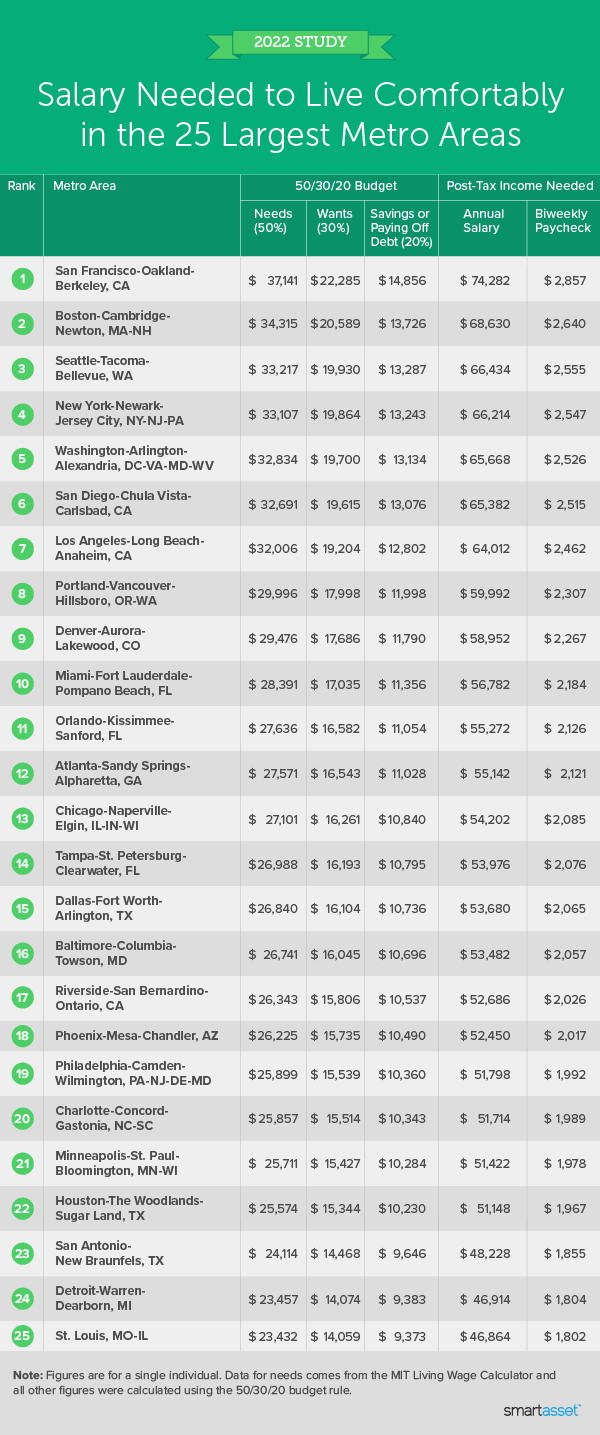
Perhaps the most significant external factor dictating your comfort number is where you choose to live. The cost of living varies dramatically from one city, state, or country to another. Housing, which often represents the largest portion of a household budget, can be astronomically higher in metropolitan hubs like New York City, London, or San Francisco compared to smaller towns or rural areas. Beyond rent or mortgage payments, local taxes, utility costs, groceries, transportation, and even the price of services like childcare or entertainment are all impacted by geographic location. A salary that affords a comfortable lifestyle in Omaha, Nebraska, might barely cover basic expenses in Manhattan. Therefore, your “comfort” budget must be meticulously tailored to the specific economic realities of your chosen locale. Regularly checking cost-of-living indices for your area can provide valuable insights into these financial variances.
Lifestyle Choices and Personal Preferences
Your personal preferences and the lifestyle you aspire to directly impact your financial needs. Do you prefer dining out frequently or cooking at home? Do you drive a luxury car or rely on public transport? Are you content with budget travel, or do you expect international first-class flights and five-star accommodations? Do you value owning the latest gadgets, or are you more minimalist? These choices profoundly shape your monthly expenditures. For instance, someone who enjoys frequent international travel, subscribes to multiple premium services, and regularly purchases designer clothing will naturally require a significantly higher income to feel “comfortable” than someone with simpler tastes and fewer discretionary spending habits. It’s about aligning your income with the life you genuinely want to live, not necessarily the most extravagant one.
Household Composition and Responsibilities
The size and structure of your household play a crucial role in determining your financial needs. A single individual living alone will have different financial requirements than a couple with two children, or someone supporting elderly parents. Each dependent adds to essential expenses such as food, clothing, healthcare, education, and entertainment. Childcare costs, in particular, can be a monumental expense for young families. Similarly, caring for elderly relatives might involve medical expenses, home modifications, or assisted living costs. The presence of multiple income earners in a household can mitigate some of these costs, but the overall financial burden still increases with each additional person you are responsible for. Planning for these responsibilities is integral to achieving a truly comfortable financial state.
Deconstructing Your Comfort Budget: Essential Categories
To accurately calculate your comfort number, it’s imperative to itemize your expenses across various categories. This granular approach reveals where your money goes and helps you identify areas for optimization.
Housing: The Foundation of Comfort
Housing typically consumes the largest portion of any budget, whether it’s rent or a mortgage payment. But beyond the principal, interest, and property taxes, comfortable housing includes utilities (electricity, gas, water, internet), homeowner’s insurance, and ongoing maintenance. For renters, this might also include renter’s insurance. To live comfortably, you want to ensure your housing is safe, secure, adequately spacious for your needs, and ideally situated in a neighborhood that offers convenience and amenities important to you. Overspending on housing can severely limit your comfort in other areas, making it essential to strike a balance that aligns with your overall financial picture.
Food and Nutrition: Quality vs. Quantity
Food is another non-negotiable expense, but the definition of “comfortable” here varies widely. Does it mean organic groceries from high-end stores, or are you content with budget-friendly supermarket options? Do you factor in dining out frequently, or is that an occasional treat? Your comfort budget should account for not just the quantity of food but also its quality and variety, allowing for healthy choices and the occasional indulgence without guilt. This category also includes expenses like coffee shop visits or meal delivery services, which can significantly add up if not managed mindfully.
Transportation: Mobility and Accessibility
Getting around is a critical component of modern living. This category includes car payments, fuel, insurance, maintenance, and registration fees if you own a vehicle. Alternatively, it encompasses public transportation passes, ride-sharing services, or even bicycle maintenance. For true comfort, your transportation method should be reliable, safe, and allow you to commute to work, run errands, and enjoy leisure activities without undue stress or excessive time commitment. The ideal scenario is having transport options that suit your lifestyle without becoming a major financial burden.
Healthcare and Insurance: Preparing for the Unexpected
A comfortable life means having peace of mind regarding your health. This category includes health insurance premiums, deductibles, co-pays, prescription costs, and potentially dental and vision insurance. Beyond immediate medical needs, it also accounts for preventative care and the ability to access specialists when necessary. Ignoring or underfunding healthcare can lead to significant financial distress in the face of unexpected illness or injury, making robust insurance coverage and a healthcare savings plan essential for long-term comfort.
Debt Management: Liberating Your Income
Living comfortably often means living without the oppressive weight of high-interest debt. This section of your budget allocates funds to systematically pay down student loans, credit card balances, personal loans, and any other liabilities. While some debt (like a mortgage) can be part of a comfortable life, excessive or high-interest debt actively diminishes your comfort by siphoning off income that could otherwise be used for savings, investments, or discretionary spending. A comfortable financial state involves having a clear plan for debt reduction and minimization.
Personal Care, Entertainment, and Discretionary Spending
These are the expenses that truly define the “comfort” aspect of your budget. This includes clothing, personal grooming products and services, hobbies, subscriptions (streaming, gym, apps), travel, social activities, and gifts. While these might seem less essential than housing or food, they contribute significantly to mental well-being, life satisfaction, and your overall sense of comfort. A comfortable budget allows for these indulgences and experiences without creating financial strain or guilt.
Building Your Financial Blueprint for Comfort
Once you understand the factors and categories, the next step is to construct a practical financial plan that brings your vision of comfort to life.
Calculating Your Current “Comfort” Spend
The first practical step is to track your current spending for at least a few months. Use budgeting apps, spreadsheets, or simply a notebook to record every dollar spent in each category. This exercise will reveal where your money is actually going versus where you think it’s going. Once you have a clear picture of your current expenses, you can then adjust them to reflect your “comfort” aspirations. For instance, if you want to travel more, you might need to reallocate funds from dining out. This baseline calculation is the foundation upon which you build your future financial comfort.
The Power of Savings and Investments
True financial comfort is inseparable from robust savings and strategic investments. This includes building an emergency fund (3-6 months of living expenses), contributing to retirement accounts (401k, IRA), and saving for specific goals like a down payment on a home, a child’s education, or a significant future purchase. Investing allows your money to grow over time, outpacing inflation and building wealth, which is crucial for long-term comfort and financial security. The earlier you start, the more you benefit from the power of compounding.
Income Generation and Optimization
Sometimes, achieving your comfort number isn’t just about cutting expenses; it’s about increasing your income. This could involve negotiating a raise, seeking a higher-paying job, developing new skills, starting a side hustle, or exploring passive income streams. Regularly reviewing your earning potential and actively seeking opportunities to optimize your income is a proactive approach to enhancing your financial comfort and accelerating your progress towards your goals.
Future-Proofing Your Comfort: Inflation and Life Changes
Your comfort number isn’t a fixed target; it’s a moving one. Inflation constantly erodes purchasing power, meaning what’s comfortable today might not be sufficient in a decade. Life events such as marriage, children, career changes, healthcare needs, or even economic downturns will necessitate adjustments to your financial plan. Therefore, a comfortable financial blueprint incorporates regular reviews, anticipates future costs, and builds in flexibility to adapt to unforeseen circumstances, ensuring your comfort is sustained over the long term.
Beyond the Numbers: The Philosophy of Financial Well-being
While the numbers are crucial, true financial comfort extends beyond mere income and expense calculations. It encompasses a broader sense of well-being and security.
Financial Security vs. Financial Freedom
Financial security means having enough money to cover your current expenses and unexpected emergencies without stress. It’s the peace of mind that comes from knowing you can weather a job loss or a medical bill. Financial freedom, however, is a higher echelon of comfort. It means having enough assets and passive income that working becomes optional, allowing you to pursue passions, travel extensively, or retire early without worrying about a paycheck. While financial security is the minimum for comfort, financial freedom represents the ultimate level of control over your time and resources, offering unparalleled comfort and choice.
The Pursuit of Value, Not Just Volume
It’s a common misconception that more money automatically equates to more comfort or happiness. Often, the quality of spending and the values behind it contribute more significantly to comfort than the sheer volume of money spent. Mindful consumption, investing in experiences over material possessions, and aligning your spending with your core values can lead to a deeper sense of comfort and satisfaction, even on a more modest budget. It’s about optimizing your resources to create the most fulfilling life, rather than simply accumulating more.
Regular Review and Adaptation
Your journey to financial comfort is ongoing. Your needs, wants, and external circumstances will evolve. What felt comfortable in your twenties will likely differ from your thirties, forties, and beyond. Therefore, it is essential to regularly review your budget, reassess your goals, and adapt your financial plan. This iterative process ensures that your definition of comfort remains relevant and achievable throughout every stage of your life, allowing you to maintain a proactive stance in managing your financial well-being.
In conclusion, determining “how much money you need to live comfortably” is a deeply personal and dynamic endeavor. It requires introspection, meticulous planning, and ongoing adaptation. By defining your unique vision of comfort, dissecting your expenses, building robust financial habits, and embracing a philosophy of value-driven spending, you can craft a personalized financial blueprint that not only meets your present needs but also secures your future well-being, leading to a life lived truly and comfortably on your own terms.
aViewFromTheCave is a participant in the Amazon Services LLC Associates Program, an affiliate advertising program designed to provide a means for sites to earn advertising fees by advertising and linking to Amazon.com. Amazon, the Amazon logo, AmazonSupply, and the AmazonSupply logo are trademarks of Amazon.com, Inc. or its affiliates. As an Amazon Associate we earn affiliate commissions from qualifying purchases.