
Navigating the labyrinthine world of medical insurance can feel like an insurmountable challenge for many. Between the acronyms, the varying plan types, and the seemingly endless list of factors influencing costs and coverage, determining “how much medical insurance” one truly needs is far from straightforward. Yet, in an era where healthcare costs continue to climb, adequate medical insurance is not merely a luxury; it is a fundamental pillar of financial security and overall well-being. Without it, a single unexpected illness or accident can trigger a cascade of medical bills capable of derailing even the most carefully constructed financial plans, leading to significant debt or even bankruptcy.
This guide aims to demystify the process, providing a professional, insightful, and engaging exploration of the crucial factors that dictate your medical insurance needs. We’ll delve into the mechanics of insurance costs, dissect personal and family considerations, explore various plan types, and equip you with strategies to optimize your coverage without breaking the bank. Our goal is to empower you to make informed decisions, ensuring you strike the right balance between comprehensive protection and affordable premiums, ultimately safeguarding your financial future against the unpredictability of health events.
Understanding the Fundamentals of Medical Insurance Costs
Before you can effectively determine how much medical insurance you need, it’s essential to grasp the core components that dictate both the cost of your policy and the out-of-pocket expenses you might incur. These elements are interconnected and play a pivotal role in the overall financial impact of your healthcare.
Key Factors Influencing Premiums
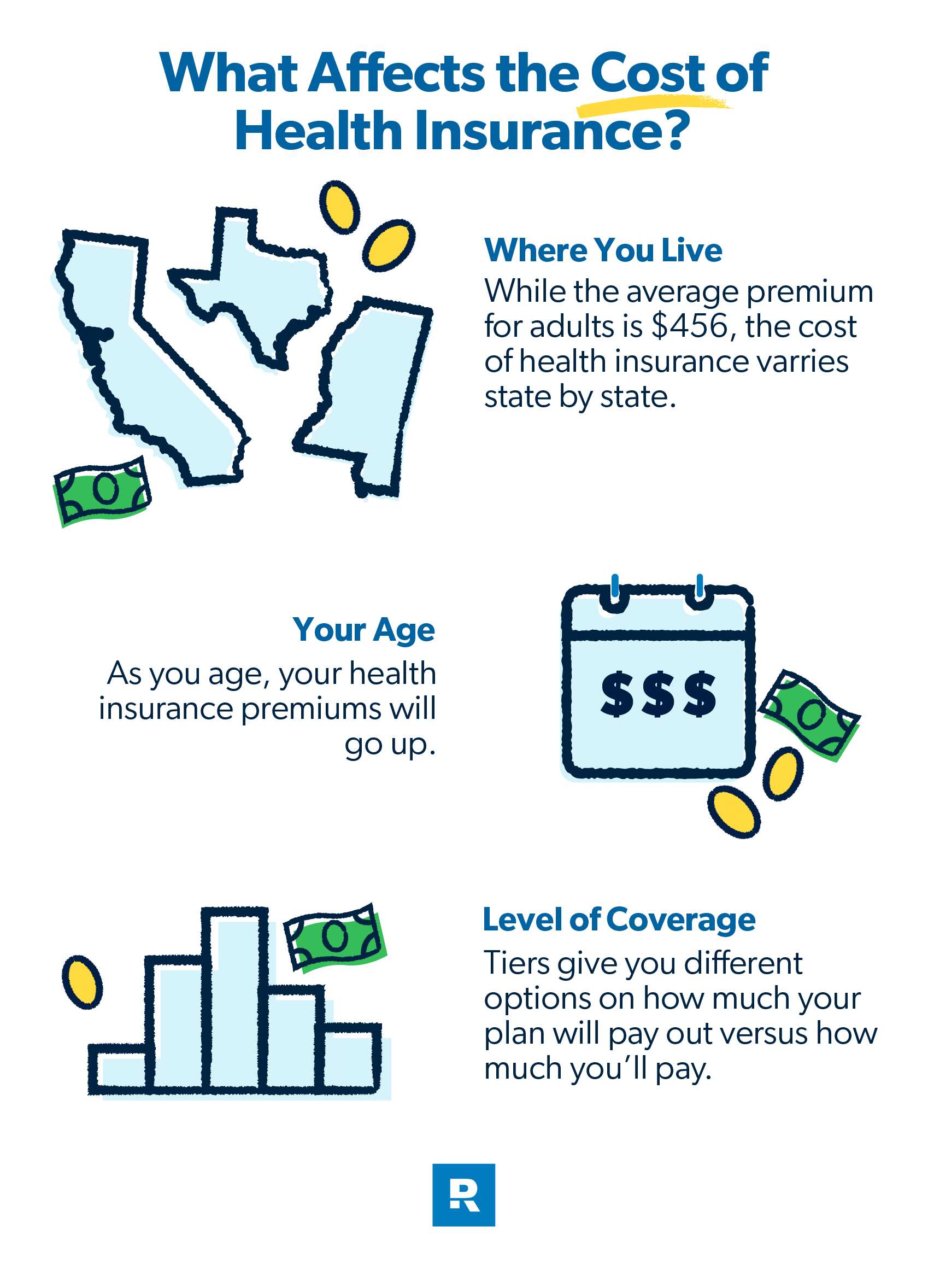
Your monthly premium – the amount you pay regularly to maintain your insurance coverage – is a function of several variables. Age is a significant factor, with premiums typically increasing as individuals get older due to higher anticipated healthcare needs. Geographic location also plays a role; healthcare costs and availability of providers vary significantly by region, which influences local insurance rates. The type of plan you select (e.g., HMO, PPO, HDHP) will directly impact your premium, as will the level of coverage (e.g., bronze, silver, gold, platinum tiers on the marketplace). Tobacco use often results in higher premiums, as does the number of individuals covered under the policy. While your health status (pre-existing conditions) cannot be used to deny coverage or charge more in many countries, it can still influence your choice of plan if you anticipate high healthcare usage.
Deciphering Deductibles, Copayments, and Coinsurance
These three terms represent the out-of-pocket costs you’re responsible for before your insurance begins to cover the full extent of your medical bills.
- Deductible: This is a fixed amount you must pay for covered healthcare services before your health insurance starts to pay. For example, if you have a $3,000 deductible, you’ll pay the first $3,000 of covered medical expenses yourself. Once met, your insurance begins to pay. Plans with lower monthly premiums often come with higher deductibles, requiring a careful assessment of your risk tolerance and financial capacity.
- Copayment (Copay): A copay is a fixed amount you pay for a covered healthcare service after you’ve paid your deductible (though some plans offer copays that count towards the deductible or are paid before the deductible is met for certain services like doctor visits). For instance, you might have a $30 copay for a doctor’s visit or a $10 copay for a prescription. Copays are typically much lower than the actual cost of the service.
- Coinsurance: This is your share of the cost of a covered healthcare service, calculated as a percentage (e.g., 20%) of the allowed amount for the service after you’ve met your deductible. If your plan pays 80% of costs after the deductible, your coinsurance is 20%. So, if a medical procedure costs $1,000 and you’ve met your deductible, you would pay $200 (20%) and your insurance would pay $800 (80%).
Out-of-Pocket Maximums: Your Financial Safety Net
The out-of-pocket maximum (or limit) is perhaps one of the most critical features of any health insurance policy, representing your ultimate financial safeguard. This is the most you’ll have to pay for covered services in a policy period (usually a year) before your health insurance plan begins to pay 100% of the allowed amount for covered benefits. This limit includes deductibles, copayments, and coinsurance payments. Understanding this figure is paramount because it sets a ceiling on your potential financial exposure, providing peace of mind that even in the event of a catastrophic illness or injury, your out-of-pocket costs are capped. When comparing plans, a lower out-of-pocket maximum often indicates better protection against high costs, though it may come with a higher premium.
Assessing Your Personal and Family Needs
The “right” amount of medical insurance is deeply personal, tailored to your unique circumstances and those of your family. A one-size-fits-all approach is ineffective, as individual health profiles, financial capacities, and risk tolerances vary widely.
Health Status and Medical History
Your current health and medical history are primary determinants of your insurance needs. If you have chronic conditions requiring regular medication, specialist visits, or ongoing therapies, a plan with lower deductibles and copayments, even if it carries a higher premium, might be more cost-effective in the long run. Conversely, if you are generally healthy and rarely visit the doctor, a high-deductible health plan (HDHP) with a lower premium might be suitable, provided you have sufficient savings to cover the deductible if an unexpected health issue arises. Consider past health trends – frequent colds, annual physicals, or specific family medical histories that might indicate future risks.
Age and Number of Dependents
Age is a significant factor in healthcare utilization. Younger individuals typically have fewer medical needs, while healthcare costs generally increase with age. If you are planning to start a family or already have dependents, your insurance needs shift dramatically. Maternity care, pediatric visits, immunizations, and potential emergency care for children all factor into the equation. Family plans often involve higher premiums but provide comprehensive coverage for multiple individuals. Ensure the plan offers robust benefits for children, including well-child visits and specialty care if needed. The health needs and ages of all family members should be considered collectively to determine the most appropriate level of coverage.
Lifestyle and Risk Factors
Your lifestyle choices and occupation can also influence your healthcare needs and, consequently, your insurance requirements. Do you engage in high-risk sports or hobbies like rock climbing or extreme skiing? Do you have a physically demanding or hazardous job? These factors can increase your likelihood of injury, making comprehensive coverage with a lower deductible more appealing. Even less obvious lifestyle elements, such as dietary habits or stress levels, can impact long-term health and should be considered when estimating potential healthcare utilization. A proactive approach involves anticipating potential needs based on your daily life.
Financial Situation and Budget
Ultimately, the best insurance plan is one you can afford that still provides adequate protection. Your income, savings, and overall financial stability will dictate how much you can comfortably pay in monthly premiums, deductibles, and other out-of-pocket expenses. It’s crucial to strike a balance between comprehensive coverage and affordability. Over-insuring can strain your budget unnecessarily, while under-insuring can expose you to catastrophic financial risk. Analyze your monthly budget to determine a realistic amount you can allocate to premiums. Also, assess your emergency fund – ideally, you should have enough saved to cover your plan’s out-of-pocket maximum in case of a serious health event. Financial tools can help you model different scenarios and understand the impact of various deductibles and premiums on your personal finances.
Navigating Different Types of Health Plans
The landscape of health insurance plans is diverse, each with its own structure, benefits, and limitations regarding provider networks and cost-sharing. Understanding the fundamental differences is key to selecting a plan that aligns with your needs.
HMOs, PPOs, EPOs, and POS Plans

These are the most common types of managed care plans:
- HMO (Health Maintenance Organization): Typically offers lower premiums but requires you to choose a primary care physician (PCP) within the network who then refers you to specialists. Out-of-network care is generally not covered, except in emergencies.
- PPO (Preferred Provider Organization): Offers more flexibility than an HMO. You don’t usually need a referral to see a specialist and can see out-of-network providers, though you’ll pay more for doing so. Premiums are generally higher than HMOs.
- EPO (Exclusive Provider Organization): Similar to a PPO in that you don’t need a referral, but like an HMO, it generally won’t cover out-of-network care unless it’s an emergency.
- POS (Point of Service): A hybrid of HMO and PPO. You may need a PCP referral for specialist care but can choose between in-network and out-of-network providers, with higher costs for out-of-network care.
Your choice should depend on how much flexibility you need in choosing doctors and specialists, and how much you’re willing to pay for that flexibility.
High-Deductible Health Plans (HDHPs) and HSAs
High-Deductible Health Plans (HDHPs) are characterized by lower monthly premiums and higher deductibles compared to traditional plans. While the higher deductible means you pay more out-of-pocket before your insurance kicks in, these plans are often compatible with a Health Savings Account (HSA). An HSA is a tax-advantaged savings account that can be used for qualified medical expenses. Contributions are tax-deductible, the money grows tax-free, and withdrawals for medical expenses are tax-free. For healthy individuals or those who can afford to save and cover the deductible, an HDHP paired with an HSA can be a powerful financial tool, offering triple tax advantages and the ability to save for future healthcare costs.
Government Subsidies and Marketplaces
Many countries have government-sponsored health insurance marketplaces (e.g., the Affordable Care Act (ACA) marketplace in the U.S.) where individuals and families can compare and purchase plans. Based on income and household size, many people qualify for premium tax credits (subsidies) that can significantly reduce the cost of monthly premiums, making comprehensive coverage more accessible. Some may also qualify for cost-sharing reductions, which lower deductibles, copayments, and out-of-pocket maximums. Exploring these marketplaces and understanding potential subsidies is crucial for finding affordable coverage, especially if you don’t have access to employer-sponsored insurance.
Strategies for Optimizing Your Coverage and Costs
Once you understand the fundamentals and your personal needs, the next step is to strategically navigate the options available to you to optimize your coverage and manage costs effectively.
Comparing Plans Effectively
Don’t just look at the monthly premium. A truly effective comparison involves analyzing the total potential cost, including deductibles, copayments, coinsurance, and the out-of-pocket maximum. Use online comparison tools provided by insurance marketplaces or brokers, and create a spreadsheet to compare different plans side-by-side. Consider the breadth of the provider network – are your preferred doctors and hospitals in-network? Estimate your expected healthcare usage for the year (e.g., number of doctor visits, prescription costs) and calculate the total cost under different plans. A plan with a slightly higher premium but lower out-of-pocket costs might be cheaper overall if you anticipate significant healthcare needs.
Utilizing Employer-Sponsored vs. Individual Plans
If your employer offers health insurance, it’s typically a good option, as employers often subsidize a significant portion of the premiums. Employer plans often come with a wider range of benefits and lower costs compared to individual plans purchased on the open market. However, it’s not always the best fit. If your employer’s plan is expensive, has a limited network, or doesn’t meet your specific needs, compare it with individual plans on the marketplace, especially if you qualify for subsidies. Sometimes, a marketplace plan with subsidies can be more affordable and offer better coverage than an employer’s option, though this is less common.
The Role of Health Savings Accounts (HSAs) and Flexible Spending Accounts (FSAs)
Beyond their direct impact on plan choice, HSAs (discussed earlier) and Flexible Spending Accounts (FSAs) are powerful financial tools for managing healthcare costs. FSAs are employer-sponsored accounts that allow you to set aside pre-tax money for qualified medical expenses. The key difference from an HSA is that FSA funds are generally “use it or lose it” within the plan year (though some allow a small carryover or grace period). Both HSAs and FSAs offer tax advantages that can significantly reduce your effective healthcare spending. Maximize contributions to these accounts if you’re eligible, as they allow you to pay for deductibles, copayments, prescriptions, and other medical expenses with tax-free dollars.
Regularly Reviewing and Adjusting Your Policy
Medical insurance needs are not static; they evolve with your life. Major life events such as marriage, divorce, birth of a child, job loss, or a significant change in income are considered “qualifying life events” that allow you to change your insurance plan outside of the regular open enrollment period. Even without such events, it’s crucial to review your policy annually during open enrollment. Your health status might have changed, new plans might be available, or your financial situation could have shifted. Compare your current plan to new offerings and ensure it still provides the best value and coverage for your current and anticipated needs. Proactive annual reviews can save you substantial amounts of money and ensure continuous adequate protection.
Beyond the Basics: Long-Term Considerations
While immediate needs are important, a comprehensive approach to medical insurance also requires foresight and planning for the long term, particularly as life stages change.
Planning for Retirement Healthcare Costs
Healthcare costs are often one of the biggest financial burdens in retirement. Medicare (in the U.S.) provides significant coverage for seniors, but it doesn’t cover everything. Retirees often need supplemental insurance (Medigap), Medicare Advantage plans, and prescription drug plans (Part D). Long-term care is also a major concern, as it’s typically not covered by Medicare. As you approach retirement, begin researching these options and factoring potential out-of-pocket healthcare expenses into your retirement savings plan. Financial advisors specializing in retirement planning can provide invaluable guidance in this complex area, helping you understand how much to set aside for future medical needs.
Understanding Ancillary Insurance (Dental, Vision, Disability)
While often overlooked, ancillary insurance products play a crucial role in holistic health and financial protection. Dental and vision insurance plans cover routine check-ups, cleanings, glasses, contacts, and necessary procedures, which are typically not included in standard medical insurance. Disability insurance, both short-term and long-term, provides income replacement if you become unable to work due to illness or injury. This can be a critical financial safety net, preventing medical emergencies from leading to a complete loss of income. Assessing your need for these additional coverages is essential for comprehensive financial planning, ensuring you’re protected from a broader spectrum of health-related financial risks.

The Value of Peace of Mind
Ultimately, the true value of medical insurance extends beyond mere financial calculations; it also encompasses the invaluable peace of mind it provides. Knowing that you and your loved ones are protected against the potentially devastating costs of illness or injury allows you to focus on your health and recovery, rather than being overwhelmed by financial anxieties. This intangible benefit is often overlooked but is a profound component of “how much medical insurance” you truly need. It’s an investment in your well-being, your family’s future, and your overall financial stability.
By thoroughly assessing your current health, financial situation, lifestyle, and future projections, you can move beyond the simple question of “how much” and make a truly informed decision about the medical insurance that best serves your individual and family needs. It’s a proactive step towards building a resilient financial future, one that can withstand the inevitable health challenges life may present.
aViewFromTheCave is a participant in the Amazon Services LLC Associates Program, an affiliate advertising program designed to provide a means for sites to earn advertising fees by advertising and linking to Amazon.com. Amazon, the Amazon logo, AmazonSupply, and the AmazonSupply logo are trademarks of Amazon.com, Inc. or its affiliates. As an Amazon Associate we earn affiliate commissions from qualifying purchases.