
Navigating the world of loans can feel like deciphering a complex financial puzzle. Whether you’re dreaming of a new home, planning to finance an education, looking to consolidate debt, or seeking capital for a business venture, a fundamental question looms: “How much loan can I get approved for?” The answer isn’t a simple figure but rather a dynamic calculation influenced by a multitude of factors unique to each applicant and lender. Understanding these variables is not just about satisfying a curiosity; it’s about empowering yourself to approach the lending process strategically, optimize your financial profile, and secure the financing you need on the most favorable terms. This comprehensive guide will demystify the loan approval process, breaking down the critical elements lenders scrutinize and offering actionable insights to help you estimate your borrowing potential.
Understanding Key Factors That Influence Loan Approval
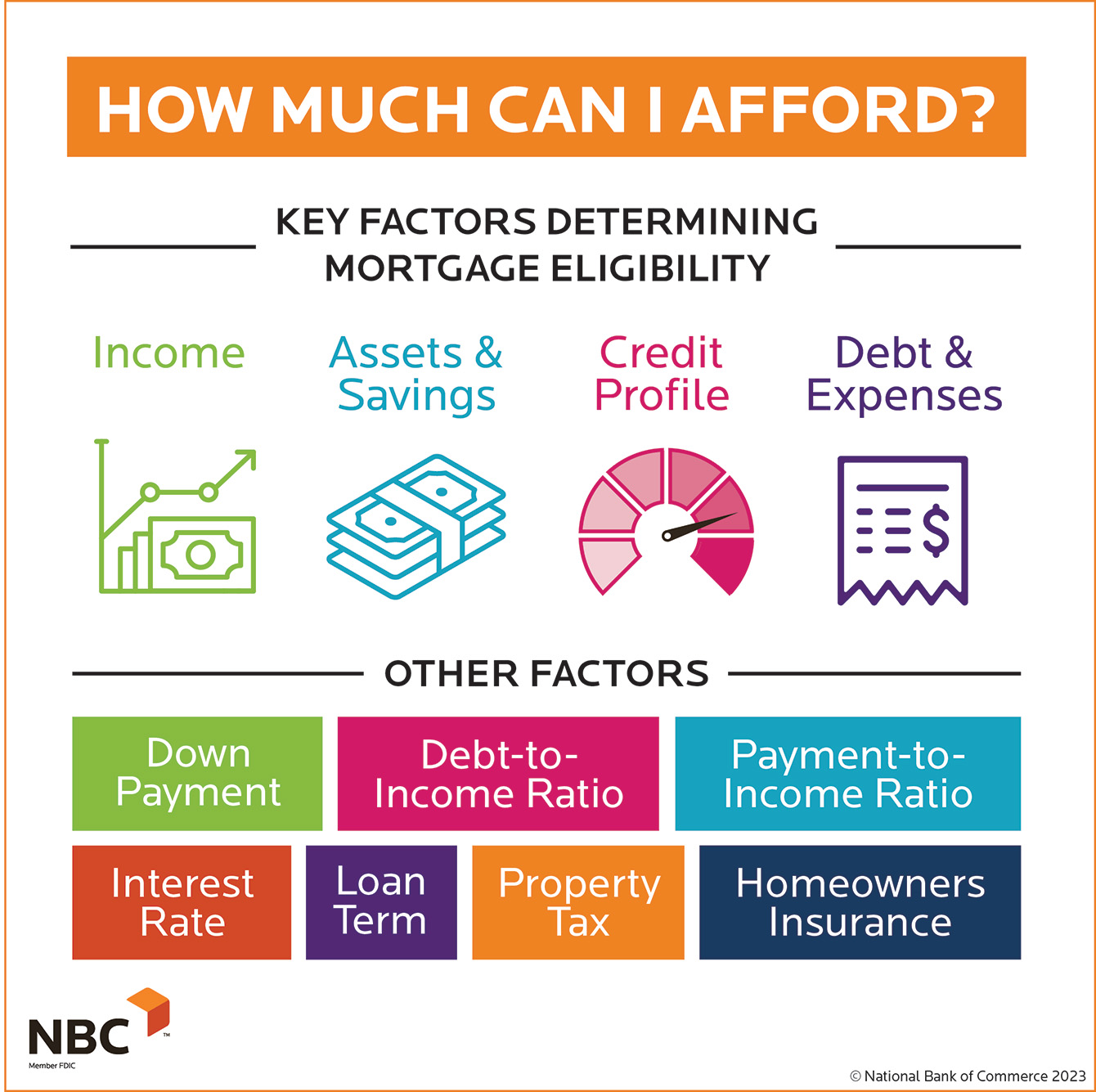
Lenders assess risk. Their primary objective is to determine your likelihood of repaying the loan. To do this, they analyze several key financial indicators, creating a holistic picture of your creditworthiness and financial stability.
Credit Score and Credit History
Your credit score is arguably the most significant single factor in a lender’s decision-making process. It’s a three-digit number, typically ranging from 300 to 850, that summarizes your creditworthiness based on your credit history. A higher score signifies lower risk to lenders. Lenders often have minimum credit score requirements, which vary depending on the type of loan and the lender’s risk appetite. Beyond the score, lenders delve into your credit history, examining payment regularity, the types of credit you’ve used (credit cards, mortgages, auto loans), the length of your credit history, your credit utilization ratio (how much credit you’re using versus how much is available), and any negative marks like bankruptcies or foreclosures. A history of consistent, on-time payments across various credit types over a significant period demonstrates reliability and financial responsibility. Conversely, a history marred by late payments, defaults, or high credit card balances can severely limit your borrowing capacity and lead to higher interest rates, even if you are approved. Improving your credit score often involves paying bills on time, reducing outstanding debt, and avoiding opening too many new credit accounts simultaneously.
Debt-to-Income (DTI) Ratio
The Debt-to-Income (DTI) ratio is a crucial metric that reveals how much of your gross monthly income goes towards servicing your debts. Lenders calculate your DTI by dividing your total monthly debt payments (including the prospective loan payment) by your gross monthly income. For instance, if your monthly debt payments (car loan, credit card minimums, student loan, and the proposed mortgage payment) total $2,000, and your gross monthly income is $5,000, your DTI would be 40% ($2,000 / $5,000). A lower DTI ratio indicates you have more disposable income available to manage additional debt, making you a less risky borrower. Most lenders prefer a DTI ratio below 36%, though some may approve loans for applicants with a DTI up to 43% or even 50%, especially for government-backed mortgages like FHA loans. A high DTI suggests that a significant portion of your income is already committed to existing obligations, leaving less room for a new loan payment and increasing the risk of default in the lender’s eyes.
Income Stability and Employment History
Lenders want assurance that you have a consistent and reliable source of income to repay the loan. They scrutinize your employment history to gauge stability. This typically means looking for at least two years of consistent employment with the same employer or within the same industry. While job changes within the same field or promotions are generally viewed favorably, frequent job hopping or significant gaps in employment can raise red flags. Lenders will verify your income through pay stubs, W-2 forms, tax returns, and potentially bank statements. Self-employed individuals often face a more rigorous income verification process, usually requiring two or more years of tax returns to demonstrate stable and sufficient income. The type of income also matters; predictable salaries are often preferred over commissions, bonuses, or fluctuating freelance income, which might be averaged over time or discounted by a certain percentage.
Collateral and Down Payment (for secured loans)
For secured loans, such as mortgages or auto loans, collateral plays a pivotal role in the approval process and can significantly impact the loan amount. Collateral is an asset you pledge to the lender as security for the loan. If you default, the lender has the right to seize and sell the collateral to recover their losses. Examples include the home for a mortgage, the car for an auto loan, or business assets for a business loan. The value and liquidity of the collateral directly influence how much a lender is willing to lend and on what terms. A substantial down payment, which is a portion of the purchase price paid upfront by the borrower, also reduces the lender’s risk. A larger down payment means the lender finances a smaller percentage of the asset’s value, lessening their exposure to potential losses if the asset’s value depreciates or if the borrower defaults. For unsecured loans, where no collateral is provided (like most personal loans or credit cards), the decision hinges almost entirely on your credit score, DTI, and income stability.
Types of Loans and Their Approval Criteria
The specific requirements and typical loan amounts can vary significantly depending on the type of loan you are seeking. Each loan product is designed for a particular purpose and carries its own set of risk assessments.
Personal Loans
Personal loans are typically unsecured loans used for a variety of purposes, such as debt consolidation, home improvements, medical expenses, or large purchases. Approval for personal loans heavily relies on your credit score, DTI ratio, and income stability. Lenders will also consider your payment history and existing debt load. Excellent credit (700+) can often qualify you for lower interest rates and higher loan amounts, sometimes up to $100,000, depending on the lender and your income. Those with fair to good credit may still qualify but might be offered smaller amounts and higher interest rates. Since there’s no collateral, the lender’s risk is higher, making strong personal financial metrics paramount.
Mortgages
Mortgages are secured loans used to purchase real estate and are arguably the most complex and scrutinized loans. Lenders assess a wide array of factors, including your credit score (typically needing at least 620-680 for conventional loans), DTI ratio (often a front-end ratio, which is housing expense only, and a back-end ratio, which is all debts), income stability, employment history, and savings for a down payment and closing costs. The property itself undergoes an appraisal to ensure its value supports the loan amount. Mortgage pre-approval is a crucial step that gives you an estimate of how much you can borrow, streamlining the home-buying process. Government-backed loans like FHA (lower credit and down payment requirements) and VA loans (for veterans, often no down payment) have different criteria but still emphasize DTI and income stability.
Auto Loans
Auto loans are secured by the vehicle you intend to purchase. Lenders consider your credit score, DTI ratio, and income, but also the value and age of the car. A higher credit score translates to better interest rates and can potentially allow for a larger loan amount. Newer cars with lower mileage typically qualify for better terms as they retain their value longer, offering more reliable collateral. Lenders often cap the loan amount at a certain percentage of the vehicle’s market value, known as the Loan-to-Value (LTV) ratio. A down payment can help reduce the LTV, making the loan more attractive to lenders and potentially securing a lower interest rate.
Small Business Loans
For entrepreneurs, obtaining a small business loan involves a different set of criteria. Lenders look not only at the business owner’s personal credit history but also at the business’s financial health. This includes revenue, profitability, cash flow, a solid business plan, and collateral (which could be real estate, equipment, or inventory). Startups often face greater challenges as they lack a track record, sometimes requiring a personal guarantee from the owner or seeking alternative financing like SBA-backed loans, which mitigate lender risk. Established businesses with consistent revenue and a history of positive cash flow have a much higher chance of securing larger loan amounts and more favorable terms.
Student Loans
Student loans can be categorized into federal and private loans. Federal student loans are often based on financial need and enrollment status rather than credit history, especially for undergraduate students. Private student loans, however, are offered by banks and credit unions and are credit-based. For these, a strong credit score is essential, and many students require a co-signer with good credit to get approved and secure a reasonable interest rate, as students often have limited income and credit history. The loan amount is usually tied to the cost of attendance set by the educational institution.
Preparing Your Application for Maximum Approval Potential

Approaching the loan application process unprepared can lead to disappointment or less favorable terms. A systematic approach can significantly enhance your chances of approval.
Reviewing Your Credit Report
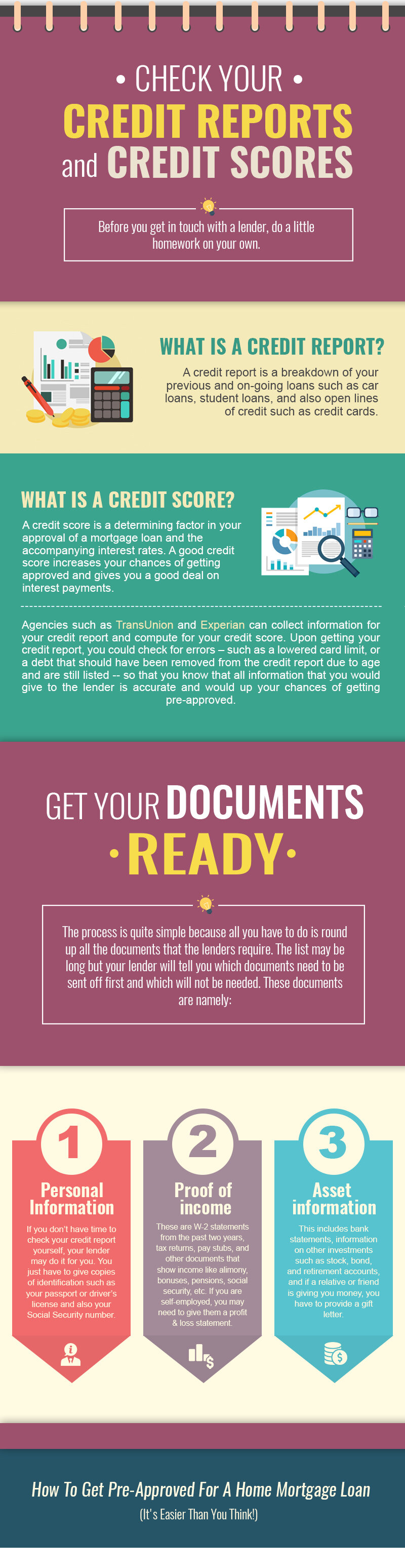
Before even thinking about applying for a loan, obtain a copy of your credit report from all three major credit bureaus (Experian, Equifax, and TransUnion). You are entitled to a free report from each once every 12 months via AnnualCreditReport.com. Scrutinize these reports for any errors or inaccuracies, such as incorrect accounts, wrong payment statuses, or identity theft. Disputing and correcting these errors can quickly boost your credit score and improve your loan eligibility. Understanding what’s on your report also allows you to identify areas for improvement before a lender sees them.
Gathering Essential Documentation
Lenders will require various documents to verify your identity, income, assets, and debts. Having these readily available can expedite the application process. Common documents include:
- Proof of Identity: Government-issued ID (driver’s license, passport).
- Proof of Income: Pay stubs (last 2-3 months), W-2 forms (last 2 years), tax returns (last 2 years, especially for self-employed individuals), bank statements showing direct deposits.
- Proof of Assets: Bank statements (checking, savings), investment account statements.
- Proof of Debts: Statements for existing loans (mortgage, auto, student), credit card statements.
- Other: For mortgages, property details, purchase agreement; for business loans, business plan, financial statements.
Organizing these documents beforehand demonstrates preparedness and professionalism.
Calculating Your Affordability
Before applying for the maximum amount a lender might offer, objectively assess what you can comfortably afford to repay each month. Use a personal budget to understand your regular income and expenses. A loan calculator can help you estimate monthly payments based on different loan amounts, interest rates, and terms. Over-borrowing can lead to financial strain, missed payments, and damage to your credit score. Lenders will perform their own calculations, but knowing your own limits provides a critical safeguard against future financial stress. Aim for a monthly payment that fits comfortably within your budget, leaving room for unexpected expenses.
Comparing Lenders and Loan Products
Not all lenders are created equal, and loan products can vary significantly in terms of interest rates, fees, repayment schedules, and eligibility requirements. Shop around and compare offers from multiple banks, credit unions, and online lenders. Online comparison tools can be very helpful in this regard. Pay close attention to the Annual Percentage Rate (APR), which includes both interest and fees, to get a true picture of the loan’s cost. Consider the loan term, prepayment penalties, and any hidden fees. A slight difference in interest rate can save you thousands of dollars over the life of a loan. Some lenders specialize in certain types of loans or cater to specific credit profiles, so finding the right match can improve your approval odds and secure better terms.
Strategies to Increase Your Loan Approval Odds
If your current financial profile isn’t quite strong enough for the loan amount you desire, there are proactive steps you can take to strengthen your application.
Improving Your Credit Score
A higher credit score is your ticket to more favorable loan terms and potentially larger amounts. Start by paying all your bills on time, every time. Payment history accounts for 35% of your FICO score. Reduce your credit utilization ratio by paying down credit card balances; ideally, keep them below 30% of your available credit. Avoid opening new credit accounts unnecessarily, as this can temporarily lower your score. Keep older accounts open, as the length of your credit history also plays a role. Regularly review your credit report for errors and dispute any inaccuracies.
Lowering Your Debt-to-Income Ratio
To make your DTI more appealing to lenders, focus on either reducing your monthly debt payments or increasing your gross monthly income. Pay off smaller debts aggressively to eliminate monthly payments. Consider debt consolidation for high-interest credit cards, which might reduce your overall monthly outflow. If feasible, exploring ways to increase your income through a raise, a second job, or a side hustle can also improve your DTI, as it raises the denominator in the DTI calculation. Remember, even a small improvement in your DTI can make a significant difference in a lender’s assessment.
Considering a Co-signer or Co-borrower
If your credit history is thin, your score is low, or your income is insufficient, adding a co-signer or co-borrower with excellent credit and stable income can significantly improve your chances of approval. A co-signer agrees to take full legal responsibility for the loan if you default, providing an extra layer of security for the lender. A co-borrower, often a spouse or partner, shares equal responsibility for the loan from the outset. While this can be an effective strategy, it’s crucial to understand the implications for both parties. The loan will appear on the co-signer’s credit report, impacting their DTI and potentially their ability to secure future credit.
Securing the Loan with Collateral
For those with less-than-perfect credit or limited income, offering collateral can transform an otherwise unapprovable loan into a viable option. For personal loans, this might mean pledging a savings account, certificate of deposit (CD), or even an investment account as security. Collateral-backed loans, known as secured personal loans, reduce the risk for lenders, making them more willing to approve the loan and often at more competitive interest rates than unsecured options for the same credit profile. Be aware, however, that failing to repay a secured loan means you risk losing the asset you pledged.
What to Do If Your Loan Application Is Denied
A loan denial can be disheartening, but it’s not the end of your financial journey. It’s an opportunity to understand what went wrong and build a stronger financial future.
Understanding the Reasons for Denial
By law, lenders are required to send you an Adverse Action Notice if your application is denied. This notice will explain the specific reasons for the denial. Common reasons include a low credit score, high DTI ratio, insufficient income, too much existing debt, or a short credit history. This notice is invaluable as it pinpoints the exact areas you need to address. Without this information, improving your financial standing would be a shot in the dark. Don’t hesitate to contact the lender if the notice is unclear or if you need further clarification.
Taking Corrective Action
Once you understand the reasons for denial, you can create a targeted action plan. If your credit score was too low, focus on the strategies mentioned earlier: pay bills on time, reduce utilization, and dispute errors. If your DTI was too high, concentrate on paying down existing debts or finding ways to increase your income. If income stability was an issue, work on maintaining consistent employment and building a longer job history. This process might take time, ranging from a few months to over a year, but systematically addressing these issues will not only improve your chances for future loan approval but also bolster your overall financial health.
Exploring Alternative Financing Options
While you work on improving your creditworthiness, there might be alternative financing solutions to consider for immediate needs. These could include:
- Credit Unions: Often have more flexible lending criteria and better rates for members, especially for smaller loans.
- Peer-to-Peer (P2P) Lending Platforms: Connect borrowers directly with individual investors, sometimes offering more lenient terms than traditional banks.
- Secured Credit Cards or Credit Builder Loans: These are designed to help you build or rebuild credit and can be a stepping stone to larger loans in the future.
- Local Community Development Financial Institutions (CDFIs): Offer financial services and loans to underserved communities.
- Family and Friends: While not a formal loan, a structured agreement with a trusted individual can be an option for smaller, short-term needs.
Always exercise caution and thoroughly research any alternative lending option to ensure it’s reputable and the terms are fair.
In conclusion, determining “how much loan you can get approved for” is a multi-faceted inquiry that requires a thorough self-assessment of your financial health and a clear understanding of lender expectations. By meticulously managing your credit, optimizing your DTI, demonstrating income stability, and strategically preparing your application, you significantly enhance your borrowing power. Remember, knowledge is power in the financial world. Arm yourself with it, and you’ll be well-positioned to unlock the financing you need to achieve your personal and professional goals.
aViewFromTheCave is a participant in the Amazon Services LLC Associates Program, an affiliate advertising program designed to provide a means for sites to earn advertising fees by advertising and linking to Amazon.com. Amazon, the Amazon logo, AmazonSupply, and the AmazonSupply logo are trademarks of Amazon.com, Inc. or its affiliates. As an Amazon Associate we earn affiliate commissions from qualifying purchases.