
In the modern landscape of personal finance, the tools we choose to manage our capital can be just as important as the income we generate. Among the sea of financial applications, “You Need A Budget” (YNAB) has cultivated a reputation as more than just a software platform; it is a philosophy of money management. However, for those looking to tighten their belts and take control of their cash flow, the first question is often the most practical one: how much does it cost, and more importantly, is it worth the investment?
The cost of a subscription is a line item in your budget itself. To understand whether YNAB fits into your financial plan, one must look beyond the sticker price and examine the methodology, the features, and the long-term financial health it aims to produce.
Understanding the YNAB Pricing Model
YNAB operates on a subscription-based software-as-a-service (SaaS) model. Unlike the early days of personal finance software where users purchased a perpetual license for a single version, the modern YNAB environment ensures that users always have access to the latest updates, bank sync features, and cross-device functionality.
Subscription Tiers and Billing Cycles
As of the current market standard, YNAB offers two primary paths for subscription: a monthly plan and an annual plan.
-
The Monthly Plan: For those who prefer flexibility or wish to test the waters beyond the initial trial period, the monthly subscription is typically priced at approximately $14.99. This allows for a low barrier to entry, though it is the more expensive route over the course of a year.
-
The Annual Plan: For dedicated users, the annual subscription is the most cost-effective choice, priced at $99 per year. When broken down, this brings the monthly cost to roughly $8.25, offering significant savings for those committed to the YNAB method.
While these prices are subject to periodic adjustments based on inflation and feature development, the core value proposition remains centered on the idea that the software should save you more money than it costs.
The Free Trial and Student Discounts
YNAB provides one of the most generous trial periods in the financial tool industry. New users can access the full suite of features for 34 days without providing credit card information upfront. This specific timeframe is intentional; it allows a user to experience a full month-end transition, which is often the most critical time for any budgeter.
Furthermore, YNAB maintains a strong commitment to financial education for the younger generation. College students are eligible for one year of YNAB for free. By providing proof of enrollment, students can build a solid financial foundation during their most formative years, potentially avoiding the debt traps that plague many recent graduates.
The Philosophy Behind the Price Tag: Zero-Based Budgeting
To understand why a user would pay nearly $100 a year for a budgeting app when free alternatives exist, one must understand the “Zero-Based Budgeting” system that YNAB enforces. Many financial tools are “trackers”—they tell you where your money went after you have already spent it. YNAB, conversely, is a proactive planning tool.
The Four Rules of YNAB
The cost of the software covers the development of a system built around four specific rules designed to change your relationship with money:
-
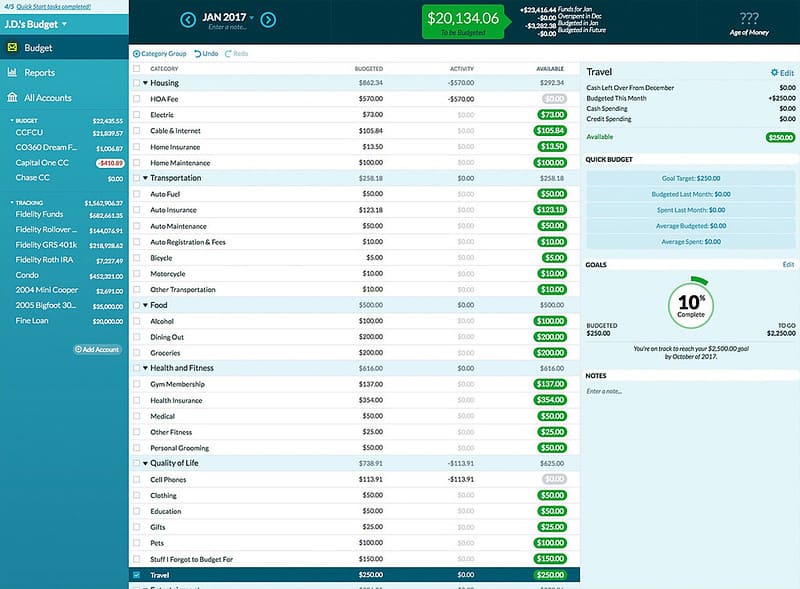
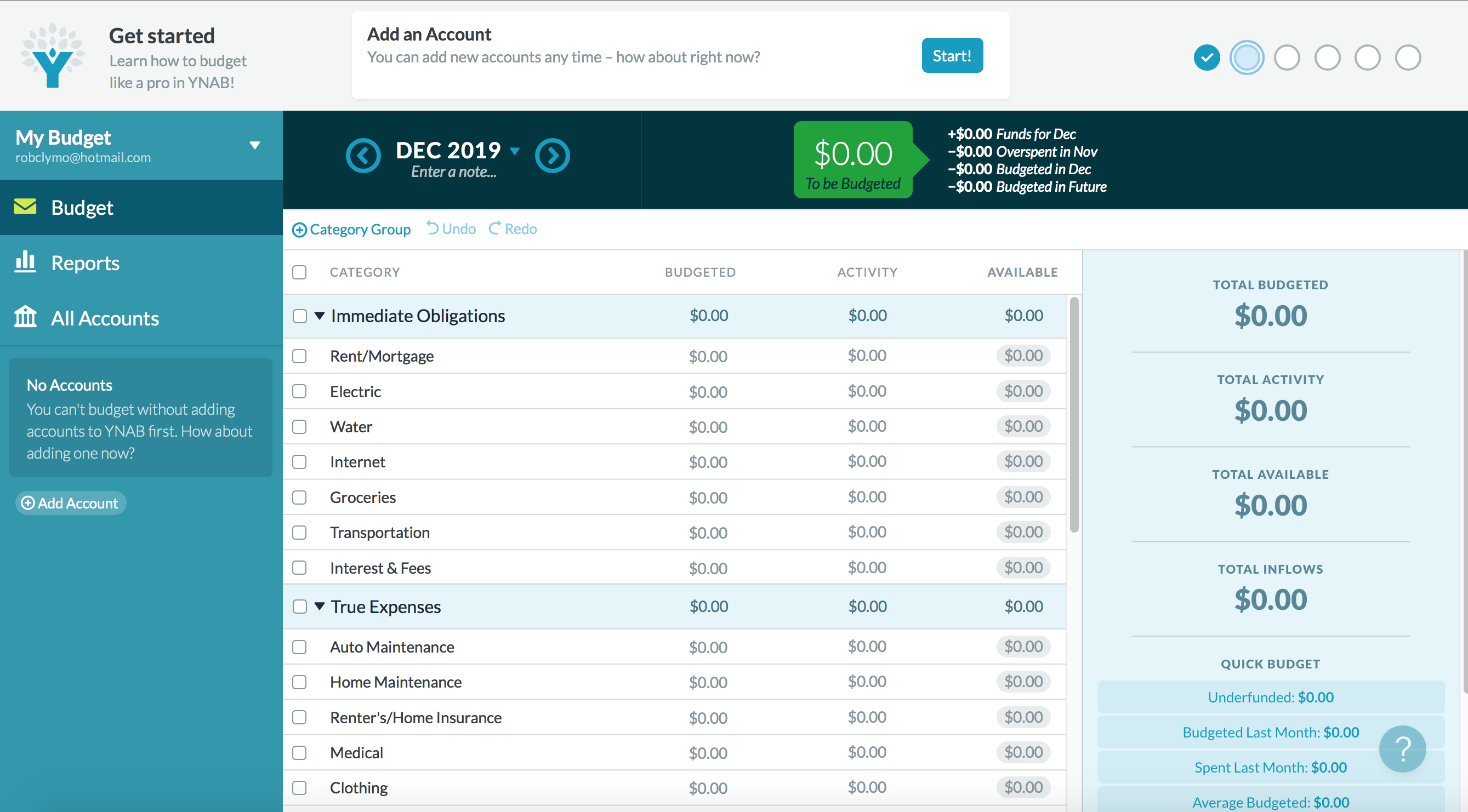
Rule 1: Give Every Dollar a Job. This is the essence of zero-based budgeting. You do not look at your total bank balance; you look at the “jobs” you have assigned to your money (rent, groceries, vacation, car repair). When you receive a paycheck, you allocate every cent until your “To Be Budgeted” amount is zero.
-
Rule 2: Embrace Your True Expenses. This rule focuses on breaking down large, infrequent expenses into manageable monthly “sinking funds.” Instead of being surprised by a $600 annual car insurance premium, YNAB encourages you to treat it as a $50 monthly expense.
-
Rule 3: Roll with the Punches. Financial rigidity is the enemy of a successful budget. If you overspend in the “Dining Out” category, YNAB makes it easy to move money from “Clothing” to cover it. This prevents the feeling of failure that often leads people to abandon their budgets.
-
Rule 4: Age Your Money. The ultimate goal is to get to a point where you are spending money you earned at least 30 days ago. This breaks the “paycheck-to-paycheck” cycle and creates a significant financial buffer.

Shifting from Tracking to Planning
The value in the YNAB price tag lies in this shift of perspective. When you use a free tracker, you are a passive observer of your financial decline or stagnation. When you pay for a system that requires active participation, you become the CFO of your own life. The interface is designed to force decision-making. Every time you spend, you must reconcile that spend against your goals, which naturally inhibits impulsive behavior.
Comparing the Cost to Other Financial Management Tools
In the ecosystem of personal finance, there are various tools ranging from free spreadsheets to premium investment platforms. Positioning YNAB’s cost against these competitors helps clarify its market value.
Paid vs. Free Financial Apps
For years, Mint was the standard for free budgeting. However, as the industry shifted, many free tools began to prioritize advertising and credit card referrals over user experience. When a product is free, you are often the product. YNAB’s paid model ensures that their only incentive is to make the software better for the user, rather than finding ways to sell your data to lenders.
Other paid competitors like EveryDollar or Quicken Simplifi offer similar features, but often at different price points or with different philosophical slants. EveryDollar, for instance, also utilizes zero-based budgeting but has a different user interface and pricing structure that may be more expensive for the premium version that includes bank syncing.
Manual Spreadsheets vs. Automation
Many “frugal” enthusiasts argue that a spreadsheet is free and just as effective. While true for a specific subset of the population, the $99 annual fee for YNAB buys you automation and accessibility. The ability to sync bank transactions in real-time, use a mobile app at the point of sale, and generate instant reports on spending trends saves hours of manual data entry. For most professionals, the time saved is worth far more than the $8.25 monthly cost.
The Return on Investment: Why the Cost Pays for Itself
The most compelling argument for the YNAB price tag is the reported return on investment. According to YNAB’s internal data, the average new user saves $600 in their first two months and more than $6,000 in their first year.
Reducing Impulse Spending
Because YNAB requires you to check your category balance before you spend, it creates a “friction point” for impulse purchases. When you see that buying a new gadget will directly take money away from your “Summer Vacation” fund, the psychological cost of the gadget increases. This behavioral change is where the majority of the $6,000 in annual savings originates.
Building an Emergency Fund and Aging Your Money
By following Rule 4 (Age Your Money), users naturally build a “buffer.” This buffer acts as a primary defense against high-interest debt. When an unexpected medical bill or car repair arises, a YNAB user typically has the funds allocated already. The cost of a YNAB subscription is negligible compared to the interest rates on a credit card balance or a personal loan that one might otherwise use to cover an emergency.
Debt Downshift
YNAB features specific tools for debt management, particularly for credit cards. It treats credit card spending differently than other apps by moving money from your spending categories to your “Credit Card Payment” category automatically. This ensures that you always have the cash on hand to pay off your balance, preventing the accumulation of interest and helping users claw their way out of existing debt faster.
Making the Decision: Is YNAB the Right Financial Tool for You?
The question of “how much” is ultimately a question of value. If you are someone who feels that money slips through your fingers, or if you make a decent income but have no idea where it goes, the $99 annual investment is a small price to pay for financial clarity.
However, YNAB is not a “set it and forget it” tool. It requires a commitment to the methodology. If you are not willing to engage with your budget at least a few times a week, any price—even a free one—is too much because the tool will not be utilized effectively.
For those ready to take a proactive stance on their wealth-building journey, YNAB offers a robust, transparent, and highly effective framework. It transforms the “cost” of a subscription into an “investment” in financial peace of mind. In the world of personal finance, the best tool is the one you will actually use, and for millions of users, the structure and discipline provided by YNAB have proven to be worth every cent.
aViewFromTheCave is a participant in the Amazon Services LLC Associates Program, an affiliate advertising program designed to provide a means for sites to earn advertising fees by advertising and linking to Amazon.com. Amazon, the Amazon logo, AmazonSupply, and the AmazonSupply logo are trademarks of Amazon.com, Inc. or its affiliates. As an Amazon Associate we earn affiliate commissions from qualifying purchases.