
The question “How much is XRP today?” is a frequent query among cryptocurrency enthusiasts, investors, and those new to the digital asset space. XRP, the native digital asset on the XRP Ledger, is inextricably linked to Ripple, a blockchain-based payments company that aims to revolutionize global financial transactions. Understanding its current market value requires not just a glance at a real-time price chart, but a deeper comprehension of the underlying technology, market dynamics, regulatory environment, and its unique position within the broader cryptocurrency ecosystem. Like any financial asset, XRP’s price is a dynamic reflection of supply and demand, sentiment, and external factors, making today’s value a snapshot in a constantly evolving narrative. For anyone considering an investment or simply tracking its performance, a comprehensive understanding goes far beyond a simple numerical value.
Understanding XRP’s Market Value
To truly grasp “how much is XRP today,” one must first understand what XRP is, its purpose, and where to reliably find its real-time market data. This foundation is crucial for making informed decisions and interpreting price movements.
What is XRP and Ripple?
XRP is an independent digital asset that runs on the XRP Ledger, an open-source, permissionless, and decentralized blockchain technology. It was created to be a fast, cost-effective, and scalable solution for cross-border payments. Unlike many other cryptocurrencies, XRP is not mined; instead, all 100 billion XRP tokens were pre-minted.
Ripple is the company that champions the use of XRP and the XRP Ledger. While often conflated, Ripple (the company) and XRP (the digital asset) are distinct entities. Ripple develops blockchain-based solutions for financial institutions, primarily focusing on international payments. Its flagship product, On-Demand Liquidity (ODL), utilizes XRP to facilitate instant, low-cost cross-border transactions, effectively eliminating the need for pre-funded nostro/vostro accounts in traditional banking. Financial institutions can use ODL to source liquidity on demand in various fiat currencies, with XRP acting as a bridge currency. This unique utility positions XRP as a tool for practical financial applications rather than just a store of value, differentiating it from many other digital assets. Ripple also owns a significant portion of the total XRP supply, which it releases into circulation in a managed way, often through sales to institutions or for ecosystem development.
Where to Find Live XRP Price Data
Given the 24/7 nature of cryptocurrency markets, XRP’s price is in constant flux. Relying on outdated information can lead to poor financial decisions. Fortunately, numerous reputable platforms provide real-time XRP price data, typically updated every few seconds.
The most popular and reliable sources include:
- Cryptocurrency Data Aggregators: Websites like CoinMarketCap, CoinGecko, and CryptoRank provide comprehensive overviews of XRP’s current price, 24-hour trading volume, market capitalization, circulating supply, and historical data. These platforms consolidate information from various exchanges, offering an average price that reflects the broader market.
- Major Cryptocurrency Exchanges: Platforms where XRP is traded, such as Binance, Coinbase (where available), Kraken, Uphold, and Bitstamp, offer live pricing directly on their trading interfaces. These prices reflect the specific exchange’s order book, so there might be slight variations between exchanges, though arbitrage usually quickly corrects significant discrepancies.
- Financial News Outlets and Platforms: Reputable financial news sites (e.g., Bloomberg, Reuters, Wall Street Journal) and dedicated crypto news sites often feature live price trackers for major cryptocurrencies, including XRP. Many also integrate live charts directly into their financial data sections.
When checking the price, it’s important to look beyond just the current dollar value. Pay attention to:
- 24-hour percentage change: Indicates recent volatility and trend.
- Market capitalization: Total value of all circulating XRP, signifying its size and dominance relative to other cryptocurrencies.
- 24-hour trading volume: The total amount of XRP traded over the last day, indicating liquidity and investor interest.
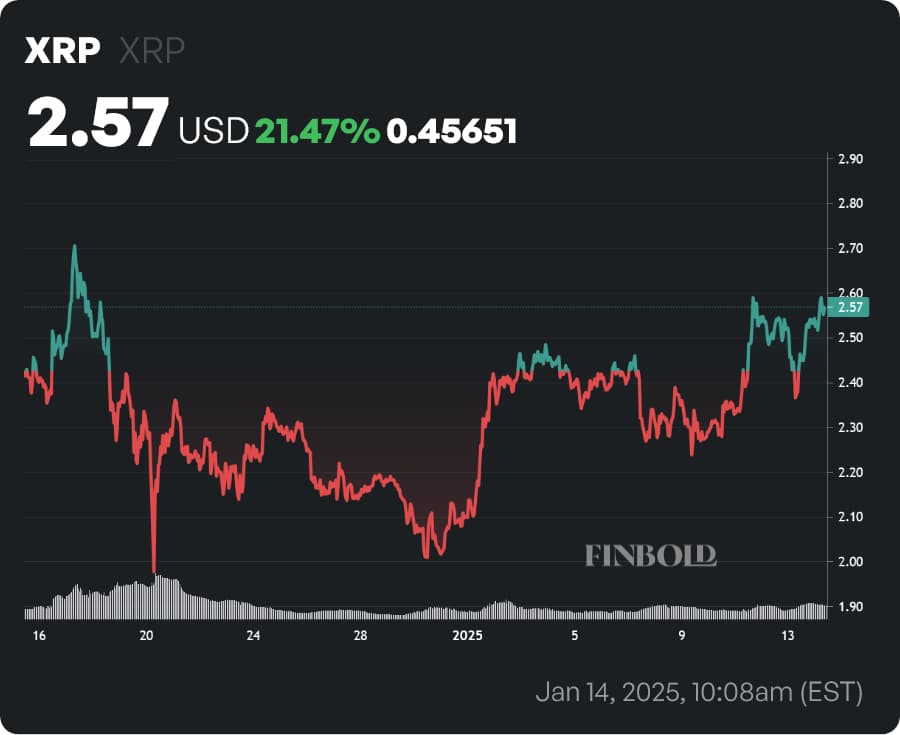
- Price charts: Enable users to visualize historical trends, identify patterns, and apply technical analysis.
Always cross-reference data from multiple sources to ensure accuracy, especially before making any trading decisions.
Key Factors Influencing XRP’s Price
XRP’s price, like any asset in the financial markets, is a complex interplay of various factors. For those asking “how much is XRP today,” understanding these underlying influences is critical for anticipating future movements and assessing risk.
Market Sentiment and Adoption
The broader cryptocurrency market sentiment significantly impacts XRP. When Bitcoin, the leading cryptocurrency, experiences a bull run, altcoins often follow suit, and vice-versa. Macroeconomic conditions, global liquidity, and investor risk appetite also play a role. Beyond general market trends, XRP’s price is heavily influenced by its specific adoption trajectory. News of new partnerships with financial institutions for Ripple’s ODL product, government bodies exploring the XRP Ledger for central bank digital currencies (CBDCs), or developers building innovative applications on the network can lead to positive price movements. Conversely, a lack of significant adoption news or a perceived slowdown in utility growth can depress prices. Public perception, often fueled by social media trends and influential figures, also contributes to sentiment. A wave of positive news or endorsements can create a “fear of missing out” (FOMO), driving demand, while negative sentiment can trigger sell-offs.
Regulatory Landscape (SEC Lawsuit)
Perhaps the most impactful factor on XRP’s price over the past few years has been its ongoing legal battle with the U.S. Securities and Exchange Commission (SEC). In December 2020, the SEC filed a lawsuit against Ripple, alleging that XRP was an unregistered security and that Ripple had conducted an illegal securities offering. This lawsuit cast a long shadow over XRP, causing many U.S. exchanges to delist or suspend trading of the asset, significantly limiting its accessibility for U.S. investors.
The legal proceedings have been a primary driver of XRP’s volatility. Positive developments for Ripple in court (e.g., favorable rulings, denied SEC motions) have historically led to significant price surges, reflecting renewed investor confidence and the prospect of regulatory clarity. Conversely, setbacks for Ripple have often caused price drops. The ultimate resolution of this lawsuit is widely considered a pivotal event for XRP. A favorable outcome could lead to a re-listing on major U.S. exchanges, increased institutional adoption, and a clear regulatory pathway, potentially unleashing significant latent demand. An unfavorable outcome, however, could pose substantial challenges to XRP’s future in the U.S. market and set a precedent for other cryptocurrencies. The uncertainty surrounding this case makes XRP a higher-risk, higher-reward asset for many investors.
Supply and Demand Dynamics
At its core, any asset’s price is determined by the balance between supply and demand. For XRP, this dynamic is unique due to Ripple’s role.
- Supply: All 100 billion XRP were pre-mined. Ripple holds a significant portion of this total supply in escrow, releasing a maximum of 1 billion XRP per month back into circulation. Unused XRP from the monthly release is typically returned to escrow. This controlled release mechanism is designed to create predictability and prevent sudden market floods, though Ripple’s large holdings are sometimes a point of debate regarding centralization. The actual “circulating supply” refers to the XRP available for public trading, which is a key metric for calculating market capitalization.
- Demand: Demand for XRP comes from various sources. Financial institutions using ODL are a primary driver, as they require XRP to facilitate cross-border payments. Retail investors and speculators also create demand, buying XRP in anticipation of price appreciation. Additionally, developers building applications on the XRP Ledger might require XRP for transaction fees or smart contract interactions. Increased utility and adoption naturally lead to higher demand.
Changes in Ripple’s escrow release schedule, major institutional purchases or sales, or significant shifts in retail investor interest can all impact the supply-demand equilibrium and, consequently, XRP’s price. High trading volume indicates strong market interest and liquidity, making it easier for investors to buy and sell without significantly impacting the price.
XRP as an Investment: Opportunities and Risks
For investors pondering “how much is XRP today” with an eye towards tomorrow, it’s essential to weigh both the potential upsides and the inherent risks associated with this digital asset. XRP presents a unique investment profile due to its specific utility and regulatory challenges.
Potential Upsides
Investing in XRP offers several compelling potential advantages, primarily rooted in its foundational technology and strategic partnerships:
- Real-World Utility and Adoption: Unlike many speculative cryptocurrencies, XRP has a clear, established use case: facilitating fast, low-cost cross-border payments for financial institutions. Ripple’s On-Demand Liquidity (ODL) product directly leverages XRP, and the company has secured partnerships with hundreds of financial institutions globally. As more banks and payment providers adopt ODL, the demand for XRP as a bridge currency could significantly increase, driving its value.
- Speed and Efficiency: The XRP Ledger is designed for enterprise-grade performance, capable of processing transactions in 3-5 seconds with extremely low fees (fractions of a cent). This efficiency significantly surpasses traditional banking systems and even many other blockchain networks, making it an attractive solution for high-volume transactions.
- Potential for Regulatory Clarity (Post-SEC Resolution): The ongoing SEC lawsuit has undoubtedly suppressed XRP’s price and limited its market access, particularly in the U.S. A favorable resolution or a clear regulatory framework could unlock significant pent-up demand. Such a ruling would likely lead to XRP being re-listed on major U.S. exchanges, increased institutional investment, and greater clarity for businesses looking to integrate Ripple’s solutions, potentially triggering a substantial price rally.
- Established Network and Ecosystem: Ripple has been a significant player in the crypto space for over a decade, building a robust network of partners, developers, and validators. The XRP Ledger is mature, secure, and continuously being developed, fostering a growing ecosystem for various financial applications beyond just payments.
- Liquidity: XRP is one of the most liquid cryptocurrencies, consistently ranking among the top digital assets by market capitalization and daily trading volume. This high liquidity ensures that investors can typically buy and sell XRP relatively easily without drastic price slippage, even for large orders.
Inherent Risks
Despite its potential, XRP comes with a distinct set of risks that investors must carefully consider:
- Regulatory Uncertainty: This is arguably the most significant risk. While a favorable outcome in the SEC lawsuit could be a catalyst, an unfavorable one could severely impact XRP’s viability in the crucial U.S. market. Beyond the SEC case, the global regulatory landscape for cryptocurrencies remains fragmented and uncertain, with different jurisdictions adopting varying stances, which could affect Ripple’s global operations.
- Market Volatility: Like all cryptocurrencies, XRP is subject to extreme price volatility. Its value can swing dramatically within short periods due to market sentiment, news events, macroeconomic factors, or “whale” movements. Investors must be prepared for the possibility of significant unrealized losses.
- Concentration Risk (Ripple’s Holdings): Ripple Labs owns a substantial portion of the total XRP supply (held in escrow). While managed, this concentration raises concerns about potential market manipulation if Ripple were to suddenly sell large amounts of XRP, or if its actions are perceived as overly centralized.
- Competition: The payment solutions market is highly competitive. XRP faces competition not only from traditional payment giants like SWIFT but also from other blockchain-based solutions (e.g., Stellar Lumens, stablecoins) and evolving fintech innovations. Its long-term success depends on its ability to maintain and expand its competitive edge.
- Dependence on Ripple’s Success: While XRP is an independent asset, its primary utility and value proposition are closely tied to Ripple’s success in onboarding financial institutions and expanding the adoption of its ODL product. If Ripple’s business falters or fails to gain broader traction, XRP’s value could suffer.
- Security Vulnerabilities: While the XRP Ledger is robust, any digital asset held on exchanges or in software wallets is susceptible to hacking, phishing scams, or other cyber threats if proper security measures are not taken by the user.
Prospective investors should conduct thorough due diligence, understand these risks, and never invest more than they can afford to lose.
How to Invest in XRP (and Financial Prudence)
For those who have assessed the opportunities and risks and decided to invest in XRP, understanding the practical steps and adhering to principles of financial prudence are paramount. Knowing “how much is XRP today” is only the first step; knowing how to act on that information responsibly is crucial.
Choosing a Cryptocurrency Exchange
The first step to acquiring XRP is to open an account with a reputable cryptocurrency exchange that supports XRP trading. The choice of exchange is critical and should be based on several factors:
- Availability: Due to the SEC lawsuit, XRP trading may be restricted or unavailable on some U.S.-based exchanges. Investors in the U.S. might need to use exchanges that have continued to support XRP or international platforms. Always check the exchange’s supported cryptocurrencies for your region.
- Security: Prioritize exchanges with a strong track record of security, offering features like two-factor authentication (2FA), cold storage for a significant portion of assets, and insurance policies.
- Fees: Compare trading fees, deposit fees, and withdrawal fees across different platforms. These can vary significantly and impact your overall returns.
- User Interface and Experience: Especially for beginners, an intuitive and easy-to-navigate platform can make the trading process smoother.
- Liquidity and Volume: Choose exchanges with high trading volumes for XRP to ensure you can buy and sell easily at fair market prices without significant slippage.
- Customer Support: Accessible and responsive customer support can be invaluable, particularly when dealing with account issues or technical problems.
Examples of exchanges that have historically supported XRP include Binance, Kraken, Uphold, Bitstamp, and Gate.io, though availability can change and varies by region. Always confirm the current status before proceeding.
Wallets and Security
Once you’ve purchased XRP, it’s crucial to consider how you will store it. Leaving significant amounts of cryptocurrency on an exchange, while convenient for trading, carries inherent risks as exchanges can be targets for hacks.
- Hot Wallets: These are online wallets (web wallets, mobile apps, desktop clients) connected to the internet. They offer convenience for active trading but are generally less secure for large holdings. Many exchanges provide built-in hot wallets.
- Cold Wallets (Hardware Wallets): These are physical devices that store your private keys offline, making them immune to online hacks. Ledger and Trezor are popular examples. Cold wallets are considered the most secure option for long-term storage of significant amounts of XRP.
Regardless of the wallet type, always adhere to best security practices:
- Enable 2FA: Use 2FA on your exchange account and any software wallets.
- Strong, Unique Passwords: Use complex, unique passwords for all crypto-related accounts.
- Seed Phrase Management: If using a non-custodial wallet, securely back up your seed phrase (recovery phrase) offline and never share it with anyone. This is the master key to your funds.
- Beware of Phishing: Be extremely cautious of suspicious emails, links, or messages attempting to solicit your private information.
Developing an Investment Strategy
Investing in XRP, or any cryptocurrency, requires a well-thought-out strategy to manage risk and pursue long-term goals.
- Do Your Own Research (DYOR): Never invest based solely on hype or someone else’s recommendation. Thoroughly research XRP, the Ripple company, the XRP Ledger, market trends, and regulatory developments. Understand the technology and its value proposition.
- Dollar-Cost Averaging (DCA): Instead of investing a lump sum, consider investing a fixed amount of money at regular intervals (e.g., weekly, monthly), regardless of the price. DCA helps mitigate the impact of market volatility by averaging out your purchase price over time.
- Risk Management: Only invest capital you can comfortably afford to lose. Cryptocurrency markets are highly speculative and volatile. Diversify your portfolio across different asset classes, not just cryptocurrencies.
- Long-Term vs. Short-Term: Define your investment horizon. XRP’s long-term potential might be tied to the resolution of its legal challenges and the wider adoption of Ripple’s solutions, while short-term movements are often driven by news and sentiment.
- Stay Informed: The crypto landscape changes rapidly. Continuously educate yourself about market developments, regulatory updates, and technological advancements related to XRP and the broader industry.
- Consider Professional Advice: For significant investments, consulting a qualified financial advisor who understands digital assets can provide tailored guidance aligned with your personal financial situation and goals.
Conclusion: Navigating the XRP Market
The question “how much is XRP today?” yields a simple numerical answer, yet its true meaning is far more complex, encompassing a rich tapestry of technological innovation, market forces, and regulatory challenges. XRP stands out in the crowded crypto space due to its unique utility in facilitating rapid, low-cost cross-border payments for financial institutions via Ripple’s On-Demand Liquidity. Its price is a dynamic reflection of broader cryptocurrency market sentiment, the intricate dance of supply and demand, and, most notably, the ongoing legal proceedings with the U.S. SEC, which continue to exert a powerful influence over its trajectory.
For prospective investors, XRP presents both significant opportunities, driven by its real-world application and established network, and considerable risks, primarily stemming from its inherent volatility and the lingering regulatory uncertainty. Understanding these dual facets is not merely advisable but essential for any sound financial decision. Acquiring XRP involves selecting a secure exchange and understanding proper wallet management, while a successful investment strategy hinges on diligent research, prudent risk management techniques like dollar-cost averaging, and a commitment to staying informed in a rapidly evolving market. Ultimately, navigating the XRP market, like any investment landscape, demands a professional, insightful, and engaged approach, acknowledging that today’s price is but one data point in a much larger, ongoing financial narrative.
aViewFromTheCave is a participant in the Amazon Services LLC Associates Program, an affiliate advertising program designed to provide a means for sites to earn advertising fees by advertising and linking to Amazon.com. Amazon, the Amazon logo, AmazonSupply, and the AmazonSupply logo are trademarks of Amazon.com, Inc. or its affiliates. As an Amazon Associate we earn affiliate commissions from qualifying purchases.