
Navigating the landscape of personal finance often culminates in the annual ritual of tax preparation. For millions of taxpayers, TurboTax Online represents the gold standard of digital filing, offering a blend of user-friendly interfaces and robust calculations. However, for those managing a strict household budget or a growing business, the primary question remains: how much does TurboTax Online actually cost? Because the platform employs a dynamic pricing model that fluctuates based on the complexity of your return and the time of year you file, understanding the financial commitment is essential for making an informed decision.

Understanding the Tiered Pricing Structure of TurboTax Online
TurboTax Online operates on a tiered system designed to match the specific needs of different tax profiles. From simple W-2 employees to complex investors and small business owners, each level of service comes with a corresponding price point. It is important to note that these prices frequently change during the tax season, with early filers often receiving “early bird” discounts and late filers facing the highest rates.
The Free Edition: For Simple Returns Only
The TurboTax Free Edition is marketed specifically to those with the most straightforward financial lives. To qualify, a taxpayer must generally only have W-2 income, limited interest or dividend income reported on a 1099-INT or 1099-DIV, and claim the standard deduction. It covers the Earned Income Tax Credit (EITC) and child tax credits. However, the definition of a “simple return” is narrow. If you need to itemize deductions, report unemployment income (in some years), or file a Schedule C for a side hustle, you will be prompted to upgrade to a paid version.
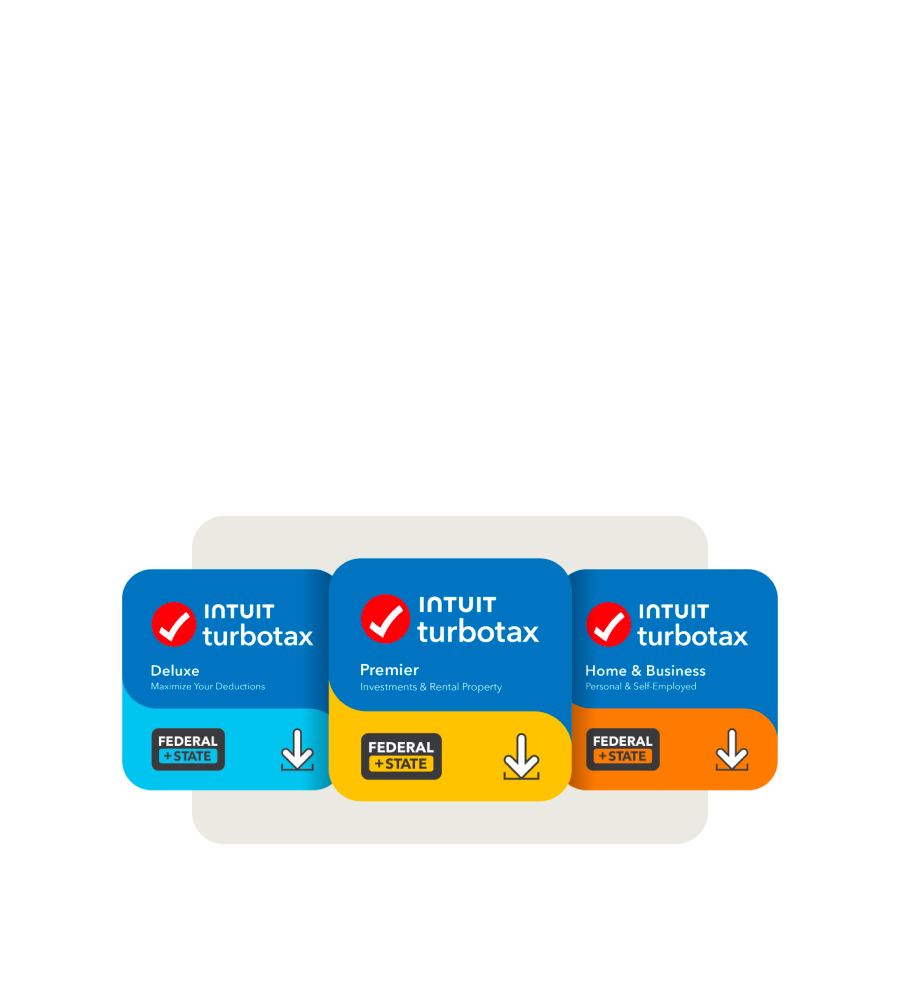
TurboTax Deluxe: Maximizing Deductions and Credits
As the most popular version, TurboTax Deluxe is designed for homeowners and those with significant charitable donations or medical expenses. Historically priced between $60 and $70 (excluding state filing fees), this tier is built for those who want to move beyond the standard deduction to lower their overall tax liability. The platform searches over 350 tax deductions and credits to ensure that the user is keeping as much of their income as possible. For many middle-class families, the cost of Deluxe is often offset by the additional deductions the software identifies.
TurboTax Premier: Investments and Rental Property
For individuals with more complex financial portfolios, TurboTax Premier is the required standard. This tier is essential for anyone reporting sales of stocks, bonds, or mutual funds, as well as those involved in cryptocurrency trading. Additionally, if you own rental real estate and need to report rental income and expenses, Premier provides the necessary forms and guidance. Prices for Premier typically range from $90 to $105. From a financial planning perspective, the cost of this software is a small fraction of the potential penalties incurred by incorrectly reporting capital gains or depreciation on investment properties.
TurboTax Self-Employed: Freelancers and Small Businesses
The Self-Employed tier is the most expensive of the standard online products, often priced around $120 to $130. It is tailored specifically for independent contractors, freelancers, and small business owners who file a Schedule C. This version offers specialized features like the “Expense Finder,” which scans bank and credit card transactions to identify deductible business expenses. For those managing a side hustle or a full-time freelance career, the ability to accurately track home office deductions and vehicle expenses can lead to tax savings that far exceed the software’s purchase price.
Hidden Costs and Add-on Services: Budgeting for the Extras
When calculating the total cost of using TurboTax Online, the base price of the software is rarely the final number. To accurately budget for tax season, users must account for several add-on costs that can significantly inflate the final bill.
State Filing Fees
While the federal filing fee is included in the advertised price of the paid tiers, filing a state return is almost always an additional expense. For most paid versions, the cost to file in a single state is approximately $50 to $60. If you lived or worked in multiple states during the year, you will be required to pay this fee for each state return filed. For individuals in high-tax states or those with cross-border income, this can easily add $100 or more to the total cost.
Refund Processing Services
One of the most common financial pitfalls for TurboTax users is the “Refund Processing Service.” This allows users to pay their TurboTax fees directly from their federal refund rather than paying upfront with a credit card. While this appears convenient, Intuit (the maker of TurboTax) typically charges a fee of around $40 for this service. From a financial literacy standpoint, it is almost always more cost-effective to pay the software fees upfront to avoid this high-interest-equivalent charge.

Audit Defense and Identity Protection
TurboTax offers an optional “Max” bundle or “Audit Defense” package. These services provide professional representation in the event of an IRS audit and offer identity theft monitoring and restoration services. These packages usually cost between $50 and $60. For taxpayers with high-risk returns—such as those with very high business expenses or complex international assets—this may provide valuable peace of mind, but for the average W-2 employee, it is often an unnecessary expense.
Live Assistance vs. Full Service: The Value of Expert Oversight
In recent years, TurboTax has pivoted toward a service-based model, offering varying levels of human interaction for those who are uncomfortable filing on their own. These services represent a significant jump in price but offer a different kind of financial value: the reduction of error and the assurance of a professional review.
TurboTax Live Assisted
This middle-ground service allows you to prepare your own taxes while having unlimited access to a tax professional (CPA or Enrolled Agent) who can answer questions via one-way video. Once you finish your return, a pro will conduct a final review before you file. This service generally costs between $90 and $200 depending on the complexity of your return. This is an excellent option for someone whose financial situation has changed—for example, someone who bought a home or started an IRA—and wants to ensure they aren’t missing new opportunities for savings.
TurboTax Live Full Service
For those who want to outsource their taxes entirely without visiting a local CPA’s office, Full Service allows you to upload your documents and have a tax professional do the rest. The pricing for this starts significantly higher, often beginning at $200 and reaching well over $400 for complex self-employed returns. When evaluating the cost of Full Service, you must compare it to the cost of a local accountant. In many urban markets, $400 is competitive with what a private CPA might charge for a complex return involving multiple schedules and investment portfolios.
Strategic Timing: How Early Bird Pricing Impacts Your Bottom Line
One of the most overlooked aspects of “how much” TurboTax costs is when you choose to pay. Intuit uses a seasonal pricing strategy. In December and January, prices are at their lowest as the company seeks to capture early filers. As the April deadline approaches, prices typically increase in increments.
A user who signs up in January for the Deluxe version might pay $59, while that same user logging in on April 10th might find the price has risen to $79 or more. Furthermore, Intuit frequently runs promotional discounts through financial institutions and banks. Many users can find discounts of $10 to $20 by clicking through links provided by their credit card issuer or investment platform. Integrating tax preparation into your early-year financial planning can result in a 20% to 30% reduction in software costs alone.
Cost-Benefit Analysis: Is TurboTax Online the Right Financial Move?
To determine if TurboTax is a sound financial investment, one must weigh the cost of the software against the potential for professional error and the value of one’s own time.
Comparing Costs with Professional CPAs
A simple tax return filed by a professional CPA can cost anywhere from $250 to $500, while more complex business returns can easily exceed $1,000. In this context, even the most expensive TurboTax Online tier ($130 + $60 for state) is a significant bargain. However, a CPA provides something software cannot: year-round strategic tax planning. If your financial goal is merely to file a compliant return and receive a refund, TurboTax is the more economical choice. If your goal is long-term wealth management and tax mitigation strategies, the higher cost of a human professional may provide a better return on investment.
Efficiency vs. Expense
For the modern professional, time is a currency. The primary value proposition of TurboTax Online is its ability to import data directly from employers, banks, and investment firms. This automation reduces the hours spent manually entering data, which lowers the “opportunity cost” of filing taxes. If the software saves you five hours of labor and ensures you don’t miss a $500 credit, the $100 price tag is easily justified.
Ultimately, the cost of TurboTax Online is not a fixed number but a variable expense that depends on your financial complexity, your need for professional assurance, and your ability to file early. By understanding the tiers, avoiding unnecessary add-ons, and leveraging early-season pricing, you can manage this annual financial requirement with both efficiency and fiscal discipline.
aViewFromTheCave is a participant in the Amazon Services LLC Associates Program, an affiliate advertising program designed to provide a means for sites to earn advertising fees by advertising and linking to Amazon.com. Amazon, the Amazon logo, AmazonSupply, and the AmazonSupply logo are trademarks of Amazon.com, Inc. or its affiliates. As an Amazon Associate we earn affiliate commissions from qualifying purchases.