
Navigating the landscape of tax preparation software often feels like a journey through a shifting financial labyrinth. For millions of taxpayers, TurboTax stands as the gold standard for digital filing, offering a user-friendly interface that simplifies the often-daunting Internal Revenue Service (IRS) requirements. Among its various tiers, “TurboTax Basic” occupies a unique position. It is designed for those with straightforward financial lives who still want the reassurance of a premium brand. Understanding the true cost of TurboTax Basic—and whether it offers the best return on investment for your personal finances—requires looking beyond the sticker price and into the nuances of filing fees, state requirements, and alternative financial tools.
Understanding the Pricing Structure of TurboTax Basic
The most common question regarding TurboTax Basic is a simple one: “What will it cost me?” However, in the world of financial software, the answer is rarely a single number. The price of TurboTax Basic typically fluctuates depending on when you purchase it, where you buy it, and whether you are filing both federal and state returns.
The Core Costs: Federal vs. State Returns
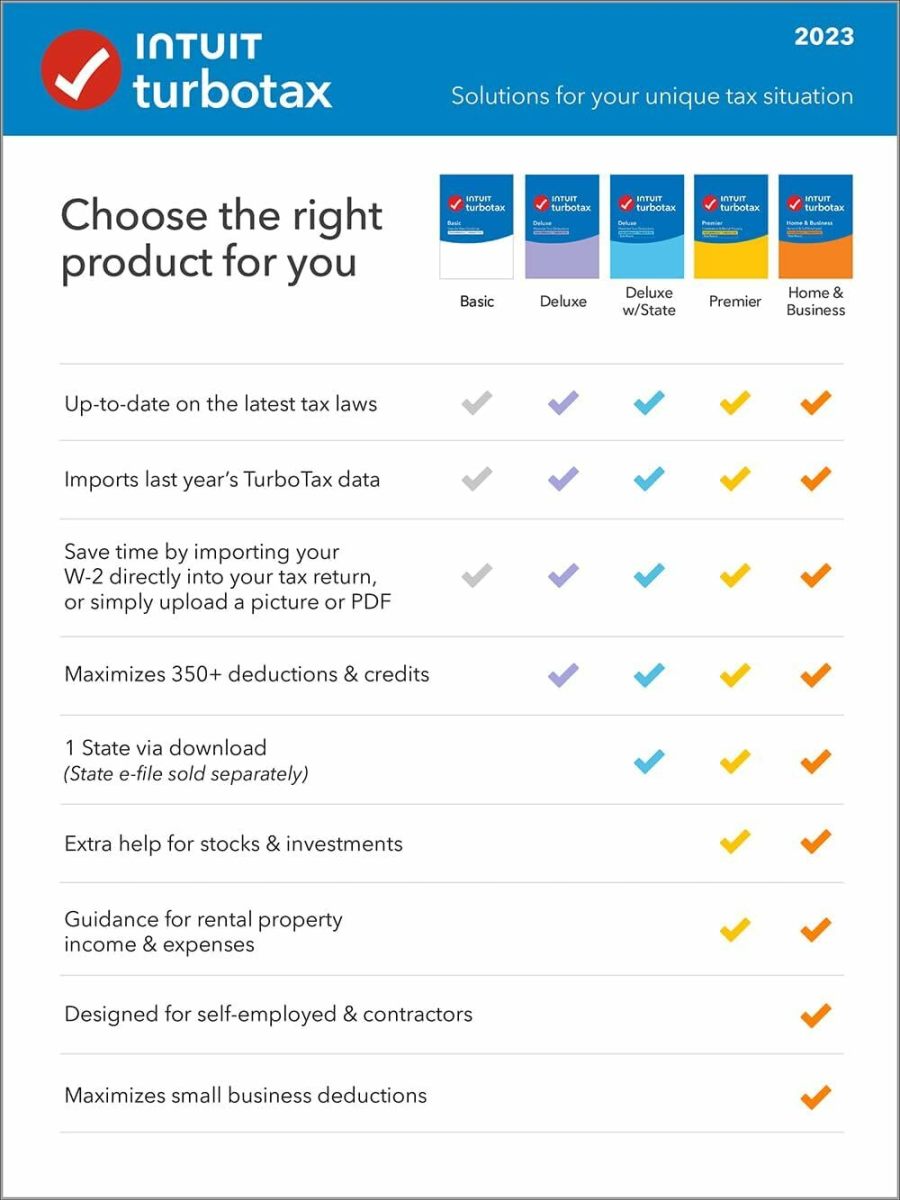
In most tax years, the retail price for TurboTax Basic (the downloadable or CD version) ranges between $40 and $60. It is important to note that this specific tier is distinct from the “TurboTax Free Edition,” which is designed for very simple 1040 forms with no additional schedules. TurboTax Basic is essentially the first paid step up, offering more guidance and the ability to import data from previous years.
While the federal filing is included in the base price of the software, the state return is often a separate financial consideration. For those using the Basic version, adding a state tax module can cost an additional $40 to $55. Furthermore, even if the software allows you to prepare the state return, there is frequently an additional “e-file fee” for the state return, usually hovering around $20 to $25. When you aggregate these costs—the software, the state module, and the state e-file fee—a “Basic” user can easily spend upwards of $100 to $120 to complete their annual tax obligations.
Hidden Costs and Potential Add-ons
The financial industry thrives on “upselling,” and tax software is no exception. While using TurboTax Basic, users are often prompted to purchase additional services. One of the most common is “MAX Rewards,” a bundle that includes audit defense, identity restoration, and priority tech support. This can add another $40 to $60 to your total bill.
Another cost to watch for is the “Refund Processing Service.” If you choose to have your TurboTax fees deducted from your federal refund rather than paying upfront with a credit card, the company typically charges a convenience fee of approximately $40. From a personal finance perspective, this is often a poor allocation of capital, as it represents a high percentage of the overall software cost just for a payment convenience.
Who Should Use TurboTax Basic? Assessing Your Financial Complexity
Determining whether the Basic tier is the right financial move depends entirely on the complexity of your income streams and your comfort level with tax law. Within the “Money” niche, efficiency and cost-benefit analysis are paramount. Paying for features you don’t need is a drain on your net worth, while failing to pay for features that could save you money in deductions is a strategic error.
Ideal Candidates for the Basic Tier
TurboTax Basic is specifically engineered for individuals who do not itemize their deductions and do not have complex investment portfolios. If your income is derived solely from a standard W-2, and you plan to take the Standard Deduction, Basic provides the necessary framework without the bloat of more expensive versions.
It is particularly useful for:
-
W-2 Employees: Individuals with straightforward salary income and no side hustles.
-
Simple Interest and Dividends: Those who receive a small amount of interest from savings accounts (1099-INT) or dividends (1099-DIV) that don’t require complex capital gains calculations.
-
Previous TurboTax Users: One of the primary value propositions of the Basic tier is the ability to import data from the previous year. This saves significant time and reduces the risk of manual data entry errors, which is a major benefit for those who value their time at a high hourly rate.
When Basic Isn’t Enough: Moving to Deluxe or Premier
Many taxpayers start with Basic only to realize their financial situation requires an upgrade. This “bracket creep” in software tiers is essential to understand for budget planning. If you own a home and wish to deduct mortgage interest or property taxes (itemized deductions), TurboTax Basic will likely prompt you to upgrade to the Deluxe version.
Similarly, if you are active in the markets—selling stocks, bonds, or cryptocurrency—the Basic version lacks the robust reporting tools needed for Schedule D. In these cases, moving to the Premier version is often necessary to ensure accurate reporting of cost basis and capital gains. For the self-employed or small business owners, the “Self-Employed” or “Home & Business” tiers are mandatory to handle Schedule C and depreciation. From a financial management standpoint, it is better to identify these needs early in the tax season to avoid the “sunk cost” of starting a return in Basic only to pay for a mid-stream upgrade.

Maximizing Your Return with Basic: Financial Strategies
Even when using the most entry-level paid version of software, there are ways to leverage its tools to improve your overall financial position. Tax preparation should not just be a retrospective look at the previous year; it should be an informative process for future wealth building.
Navigating Standard Deductions
Since the passage of the Tax Cuts and Jobs Act, the standard deduction has increased significantly, making itemization less common for the average taxpayer. TurboTax Basic is optimized for this reality. However, a savvy user will still use the software to track potential deductions to see how close they come to the threshold. If you find you are only a few thousand dollars away from itemizing, it may influence your financial behavior for the following year—perhaps by “bunching” charitable contributions or accelerating medical expenses.
Capitalizing on Simple Tax Credits
One area where TurboTax Basic adds value is in its “Life Events” guidance. It helps identify credits that taxpayers might otherwise overlook, such as the Earned Income Tax Credit (EITC) or the Child Tax Credit. For a low-to-moderate-income filer, these credits can result in thousands of dollars in refunds. The “cost” of the software ($60-$100) is easily justified if the guided interview process helps secure a $2,000 credit that a manual paper filing might have missed.
Comparing TurboTax Basic to Alternative Financial Tools
In the broader context of personal finance, every dollar spent on administrative tasks is a dollar not invested in the market. Therefore, comparing TurboTax Basic to its competitors is a necessary exercise in fiscal responsibility.
Free vs. Paid: The True Cost of Convenience
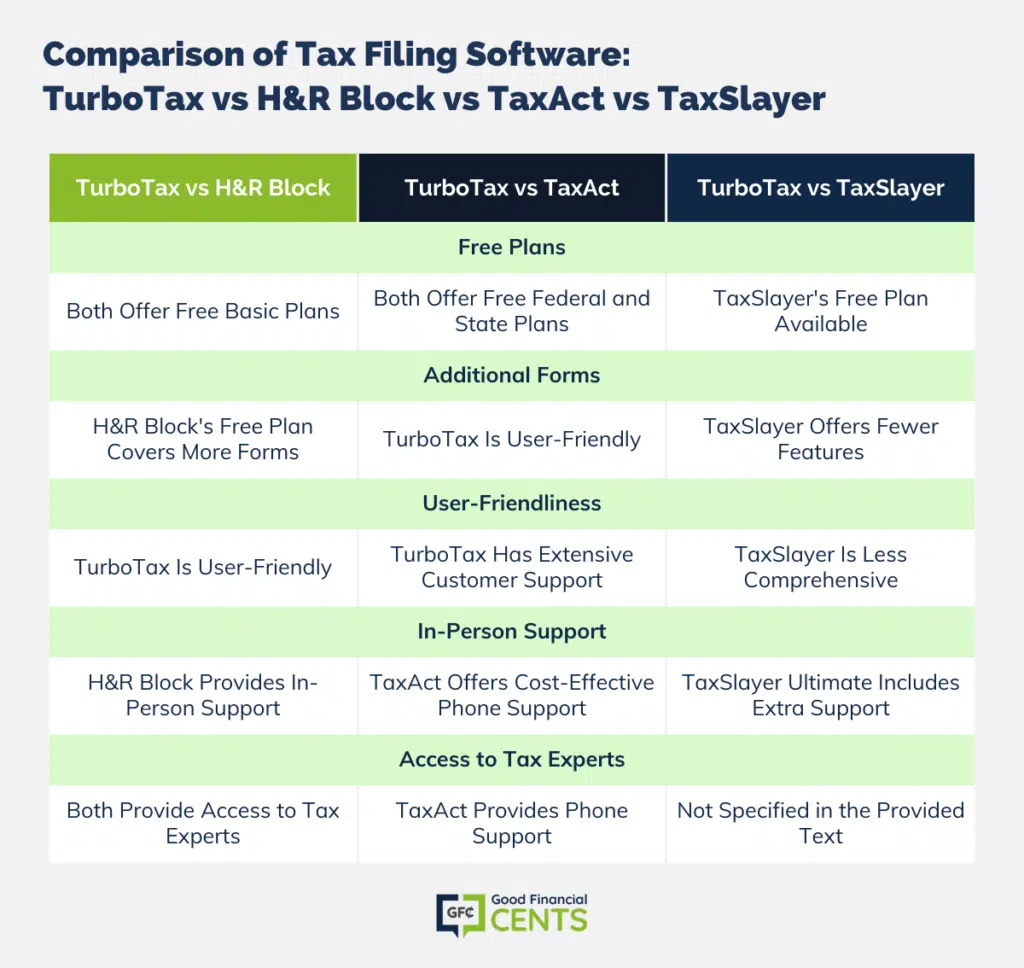
There are several “truly free” alternatives, such as FreeTaxUSA or the IRS Free File program. These services often provide the same filing capabilities as TurboTax Basic but without the high price tag for state returns.
The trade-off is often in the user experience (UX). TurboTax invests heavily in psychological design and simplified language, which reduces “tax anxiety.” For some, the $100 spent on TurboTax is a “peace of mind” tax. For those who are more financially literate and comfortable with tax forms, using a lower-cost competitor and redirecting that $100 into an index fund or a High-Yield Savings Account (HYSA) is the objectively superior wealth-building move. Over 30 years, that $100 annual saving, invested at a 7% return, grows to over $10,000.
Integration with Personal Finance Management
A significant advantage of the TurboTax ecosystem is its integration with other financial tools like Mint (now part of Credit Karma) and QuickBooks. For individuals who track their net worth and expenses meticulously, the ability to port data directly into the tax software minimizes the “friction” of tax season. This integration is a key component of a modern financial workflow, allowing for a more holistic view of one’s tax liability throughout the year rather than a frantic scramble in April.
Long-term Wealth Management and Tax Preparation
The choice of tax software, even at the “Basic” level, reflects a broader philosophy toward money management. Are you a passive participant in your finances, or are you an active manager?
The Impact of Software Choice on Financial Literacy
Using TurboTax Basic can be a double-edged sword. Its “black box” approach—where you enter numbers and it spits out a result—can sometimes hinder financial literacy. To truly build wealth, it is important to understand why you owe what you owe. Users should take the time to review the generated Form 1040 before filing. Seeing how your adjusted gross income (AGI) is calculated and how credits are applied is an education that pays dividends in future tax planning.
Planning for Future Tax Brackets
As your income grows and your financial life becomes more complex, you will eventually outgrow TurboTax Basic. This transition is a hallmark of financial success. Whether it’s moving to a higher software tier or hiring a Certified Public Accountant (CPA), the goal is always the same: tax optimization.
In conclusion, TurboTax Basic is a tool designed for a specific demographic—the “simple” filer who values time and ease of use over the absolute lowest cost. While the headline price might seem low, the cumulative costs of state filing and add-ons can make it a significant expense. By understanding these costs and evaluating them against your personal financial goals, you can make an informed decision that protects your wallet while ensuring your obligations to the IRS are met with precision. Tax season is not just a hurdle to be cleared; it is an annual audit of your financial health, and choosing the right tool is the first step in that audit process.
aViewFromTheCave is a participant in the Amazon Services LLC Associates Program, an affiliate advertising program designed to provide a means for sites to earn advertising fees by advertising and linking to Amazon.com. Amazon, the Amazon logo, AmazonSupply, and the AmazonSupply logo are trademarks of Amazon.com, Inc. or its affiliates. As an Amazon Associate we earn affiliate commissions from qualifying purchases.