
In the modern landscape of personal finance, discretionary spending on entertainment has become a scrutinized line item for many households. As streaming services have proliferated, the traditional “night at the movies” has shifted from a casual outing to a deliberate financial choice. For those looking to frequent the world’s largest cinema chain, the question of “how much is a ticket at AMC” is rarely answered with a single figure. Instead, it is a complex calculation involving geography, technology, and membership loyalty.
Understanding the financial structure of AMC Theater tickets is essential for consumers who wish to balance a love for the silver screen with a disciplined budget. This guide breaks down the costs, the underlying economic drivers, and the strategies for maximizing value in the current cinema market.
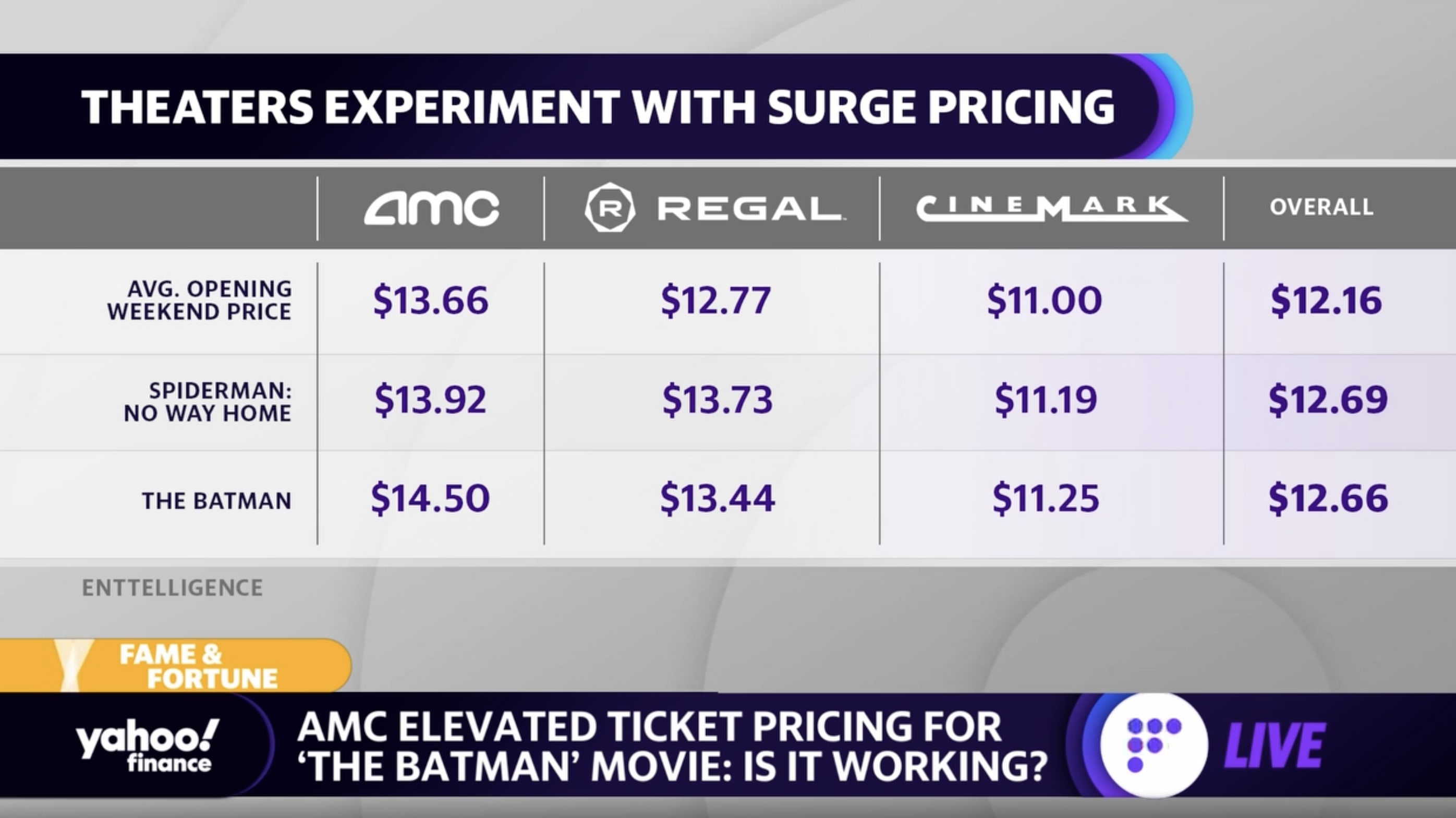
Understanding AMC’s Multi-Tiered Pricing Structure
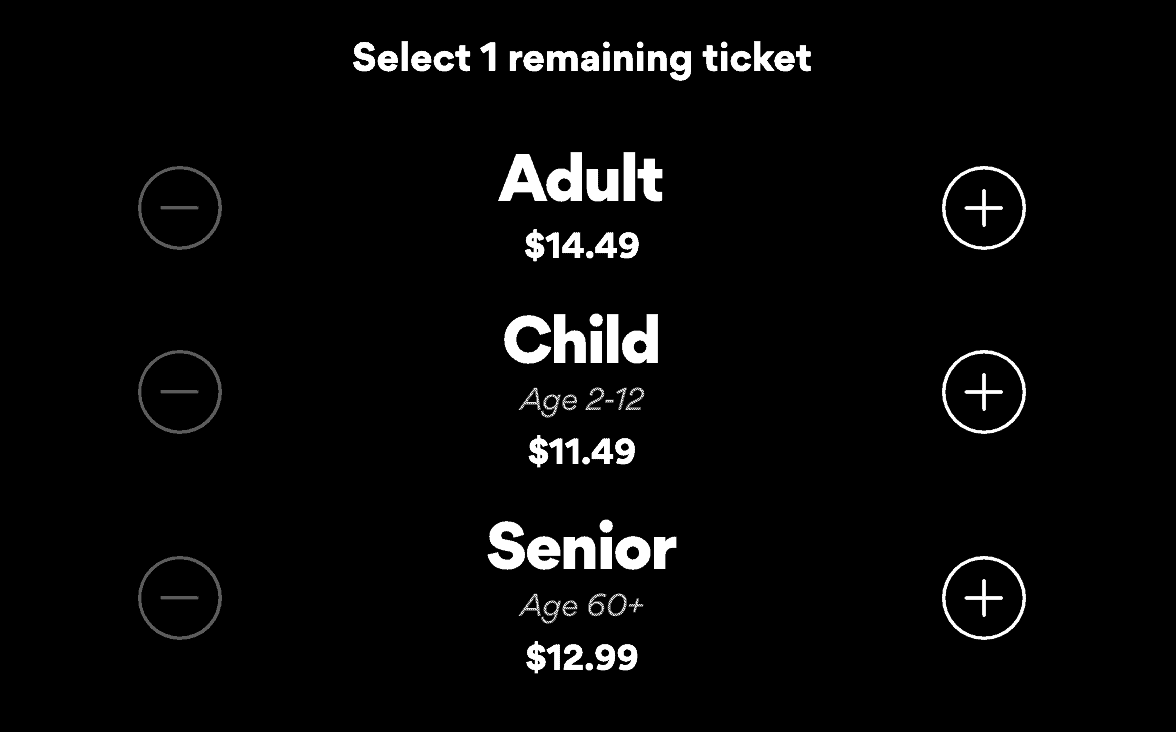
Unlike a standard retail product with a fixed price tag, AMC utilizes a dynamic and tiered pricing model. This means the cost of entry is fluid, dictated by several variables that determine the “value” of the specific screening.
Geographic and Market Variance
The most significant factor in ticket pricing is the location of the theater itself. A ticket at an AMC in Times Square, Manhattan, carries a significantly higher price point than one in a suburban location in the Midwest. This is a direct reflection of real estate costs, local labor markets, and the cost of living in various metropolitan areas. From a personal finance perspective, theater-goers must recognize that “base prices” are localized; what costs $12 in one city may cost $19 in another for the exact same film.
Format Premiums: IMAX, Dolby Cinema, and RealD 3D
AMC has heavily invested in premium large-format (PLF) experiences to differentiate the theater experience from home viewing. However, these technological upgrades come at a financial premium.
- IMAX and Dolby Cinema: These tickets often carry a surcharge ranging from $5 to $10 above the standard digital ticket price. While these formats offer superior sound and visual fidelity, they represent a “luxury” tier of spending.
- RealD 3D: While the popularity of 3D has fluctuated, these screenings still typically require a small additional fee to cover the cost of the technology and the polarized glasses provided to the viewer.
Time-Based Pricing: Matinees vs. Peak Hours
One of the most effective ways to manage an entertainment budget at AMC is to understand the temporal pricing model. AMC typically offers “Matinee” pricing for shows before 4:00 PM, which can be 20% to 30% cheaper than evening tickets. On the extreme end, “Early Bird” screenings (the first showtime of the day) often feature the lowest possible prices. Conversely, weekend evenings represent peak demand and carry the highest price tags, illustrating the basic economic principle of supply and demand.
The Economics of the Cinema: Why Tickets Cost What They Do
To understand why a movie ticket costs upwards of $15 to $20 in many markets, one must look at the business finance behind the theater industry. The box office is a high-volume, low-margin business for the exhibitor.
Film Rental Fees and Studio Splits
A common misconception is that the theater keeps the majority of the ticket price. In reality, a significant portion of every ticket sold goes back to the film studios (like Disney, Warner Bros., or Universal) in the form of “film rental” fees. During the opening weeks of a major blockbuster, the studio may take 60% or even 70% of the ticket revenue. This leaves the theater with a slim margin to cover its overhead, which is why ancillary revenue—such as concessions—is so vital to the theater’s financial health.
Operational Overhead and the “Experience Economy”
Running a modern theater is an expensive endeavor. The costs include high-fidelity projection maintenance, climate control for massive auditoriums, and a large front-of-house staff. Furthermore, as consumers demand more comfortable amenities—such as heated power recliners—the capital expenditure (CapEx) for theater renovations has risen. These costs are ultimately reflected in the ticket price as AMC attempts to recoup investments made in the “experience economy.”
Inflation and the Rising Cost of Labor
Like any other service industry, movie theaters are not immune to inflation. Rising minimum wages and the increased cost of utilities and maintenance supplies have contributed to a steady upward trend in ticket prices over the last decade. For the consumer, this means that the “cost per hour” of entertainment in a theater has risen faster than many other forms of digital media.
Maximizing Your ROI: The AMC Stubs Loyalty Program
For the frequent moviegoer, the most effective way to lower the “unit cost” of a movie ticket is to participate in AMC’s loyalty ecosystem. This is where strategic financial planning can significantly reduce annual entertainment expenditures.
AMC Stubs Insider vs. Premiere
The Stubs program is divided into tiers. The Insider tier is free and offers basic perks like waived online ticketing fees for certain purchases and a “Discount Tuesday” benefit. The Premiere tier, for an annual fee, provides a better return on investment (ROI) for those who go to the movies at least once a month. It waives all online booking fees and offers accelerated points for every dollar spent, which can then be converted into $5 rewards. From a “Money” perspective, if you visit the theater five times a year, the Premiere membership often pays for itself through waived fees alone.
AMC Stubs A-List: The Subscription Model Analysis
The most disruptive financial tool AMC has introduced is A-List. For a monthly subscription fee (which varies by state), members can see up to three movies per week in any format (IMAX and Dolby included).
- The Break-Even Point: In high-cost markets like Los Angeles or New York, the monthly A-List fee is often less than the price of two IMAX tickets. If a consumer attends more than two movies a month, the “cost per ticket” drops dramatically, sometimes to as low as $2 or $3 per movie.
- Predictable Budgeting: For households, A-List transforms a variable entertainment expense into a fixed monthly cost, which is much easier to manage within a long-term financial plan.
The Value of Discount Tuesdays
For those who are not ready to commit to a subscription, AMC’s “Discount Tuesdays” offer the best straight-cash value. Members of any Stubs tier can purchase tickets at a significantly reduced rate (often $5 to $7 depending on the location). For a family of four, attending on a Tuesday versus a Saturday can result in savings of over $40, a significant win for any personal finance strategy.
Strategic Spending: Tips for Lowering Your Entertainment Costs
Beyond loyalty programs, there are several savvy financial moves consumers can make to ensure they are getting the best deal at the box office.
Utilizing Third-Party Discounts and Gift Cards
Many financial institutions and employers offer discounted movie tickets through “perks” programs. Additionally, warehouse clubs like Costco often sell bundles of AMC gift cards at a discount (e.g., $100 worth of gift cards for $85). Using these discounted gift cards to pay for already-discounted matinee tickets is a technique known as “discount stacking,” which can bring the price of a movie down to its historical lows.
Avoiding Convenience Fees
Booking online through third-party sites often incurs a convenience fee of $1.50 to $2.50 per ticket. For a group, this adds an unnecessary 10-15% “tax” to the total cost. By joining the AMC Stubs program or purchasing tickets directly at the theater kiosk, consumers can eliminate these fees entirely, keeping more money in their pockets for the actual experience.
Evaluating the Concession Trap
While the focus is often on the ticket price, the real financial “hit” at AMC usually happens at the concession stand. Popcorn and soda have some of the highest markups in the retail world. From a budgeting standpoint, it is often more prudent to eat before the movie. If you must have snacks, utilizing the Stubs rewards ($5 credits) to pay for concessions is a smarter way to handle the expense than paying out-of-pocket.
The Future of Entertainment Budgeting: Trends in Pricing
As we look toward the future of the cinema industry, ticket pricing is likely to become even more granular.
Dynamic and Demand-Based Pricing
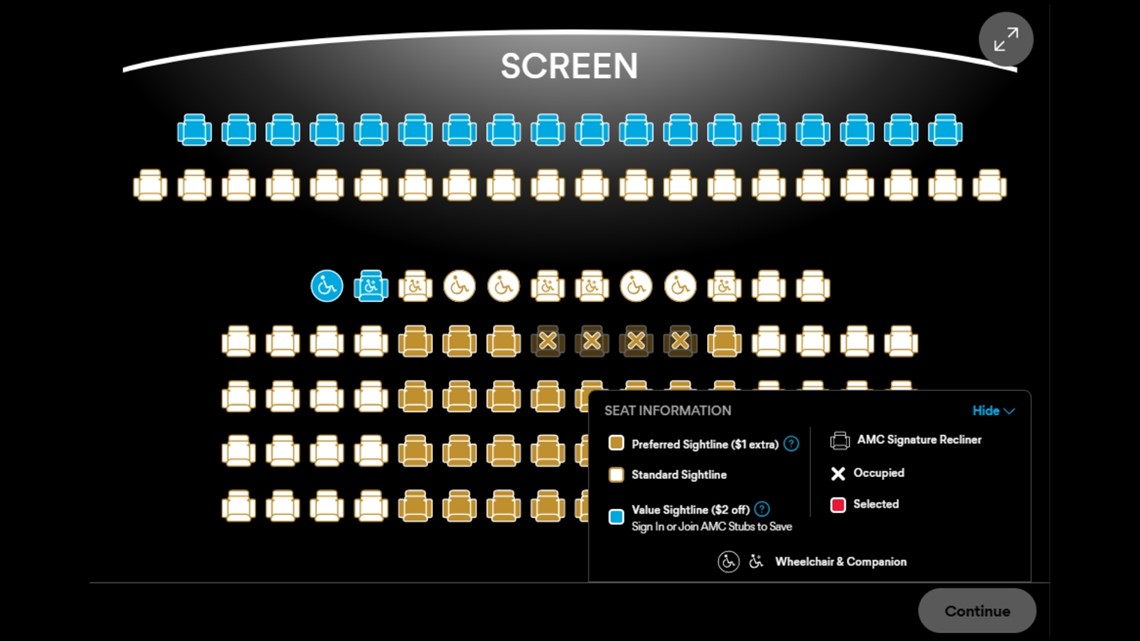
AMC has experimented with “Sightline” pricing (charging more for premium middle-row seats) and increased prices for high-demand opening weekends of massive franchises. While some of these initiatives have seen pushback, the trend in the industry is toward “dynamic pricing”—similar to how airlines and hotels operate. Consumers will need to become more flexible with their viewing times and seat selections to maintain a low entertainment budget.
The Shift Toward the Subscription Economy
The success of A-List suggests that the “Money” aspect of movie-going is moving away from individual transactions and toward the subscription model. For AMC, this provides a predictable cash flow; for the consumer, it provides a “buffet” style value proposition. As inflation continues to impact discretionary income, these subscription models will likely become the primary way the middle class accesses premium cinema.
In conclusion, while the question of “how much is a ticket at AMC” varies wildly based on several factors, the tools to control those costs are readily available. By understanding the tiered pricing model, leveraging loyalty programs like A-List, and timing visits to coincide with matinees or Discount Tuesdays, moviegoers can enjoy the premium theater experience without compromising their broader financial goals. Strategic cinema-going is not just about seeing a movie; it is about mastering the “Money” side of the entertainment industry.
aViewFromTheCave is a participant in the Amazon Services LLC Associates Program, an affiliate advertising program designed to provide a means for sites to earn advertising fees by advertising and linking to Amazon.com. Amazon, the Amazon logo, AmazonSupply, and the AmazonSupply logo are trademarks of Amazon.com, Inc. or its affiliates. As an Amazon Associate we earn affiliate commissions from qualifying purchases.