
The question “how much is the United States dollar worth” might seem deceptively simple, often met with a quick glance at an exchange rate or an inflation report. Yet, the true value of the dollar is a complex, multifaceted concept, extending far beyond a mere numerical quotation. It’s a dynamic measure influenced by an intricate web of economic indicators, global market forces, and monetary policy decisions that collectively determine its purchasing power, its standing in international commerce, and its impact on personal and business finance. Understanding the dollar’s worth requires delving into its intrinsic capabilities, its relative strength against other currencies, and the broader economic landscape it navigates.

Deconstructing the Dollar’s Value: More Than Just a Number
To truly grasp the dollar’s worth, one must look beyond its face value and consider its real economic power.
Nominal vs. Real Value
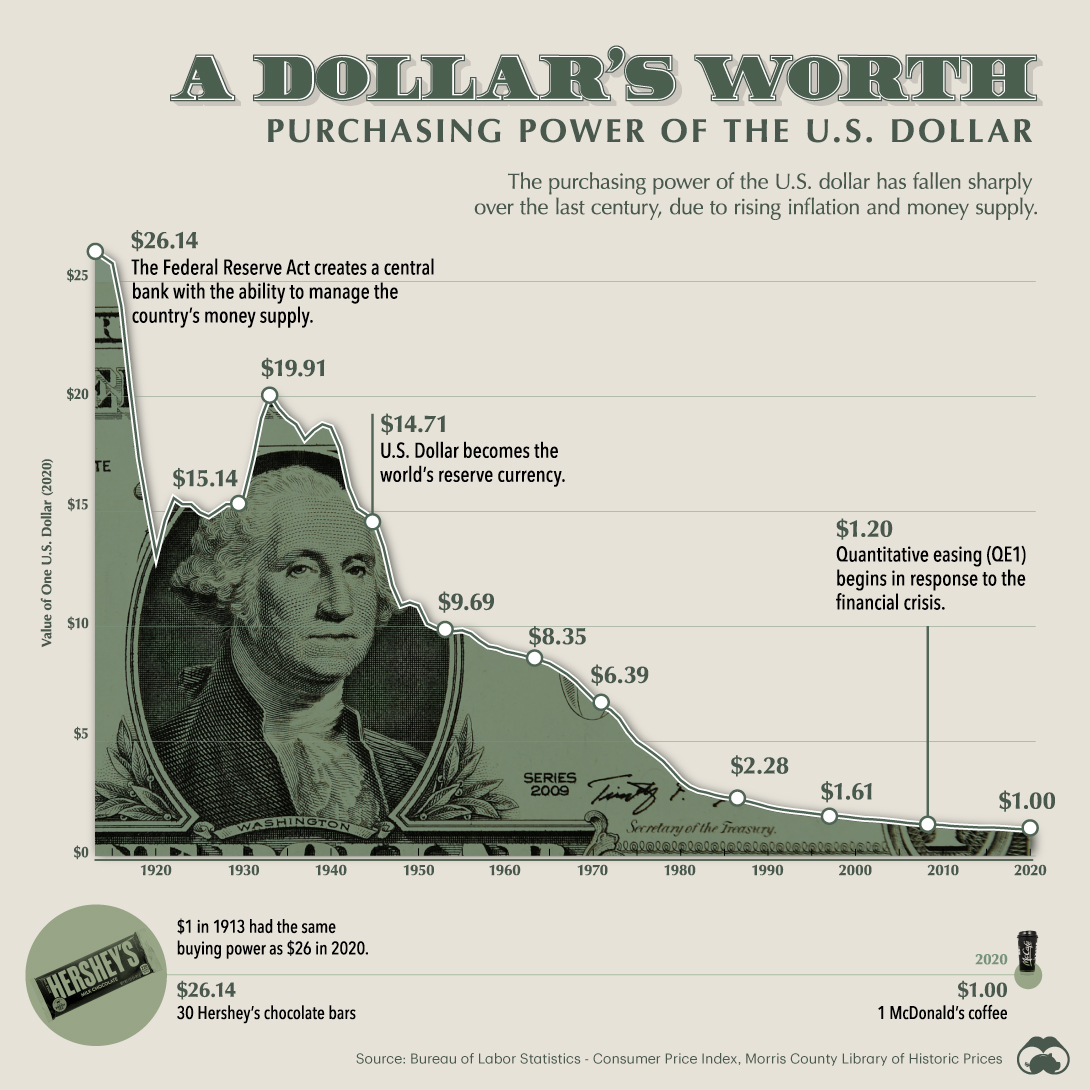
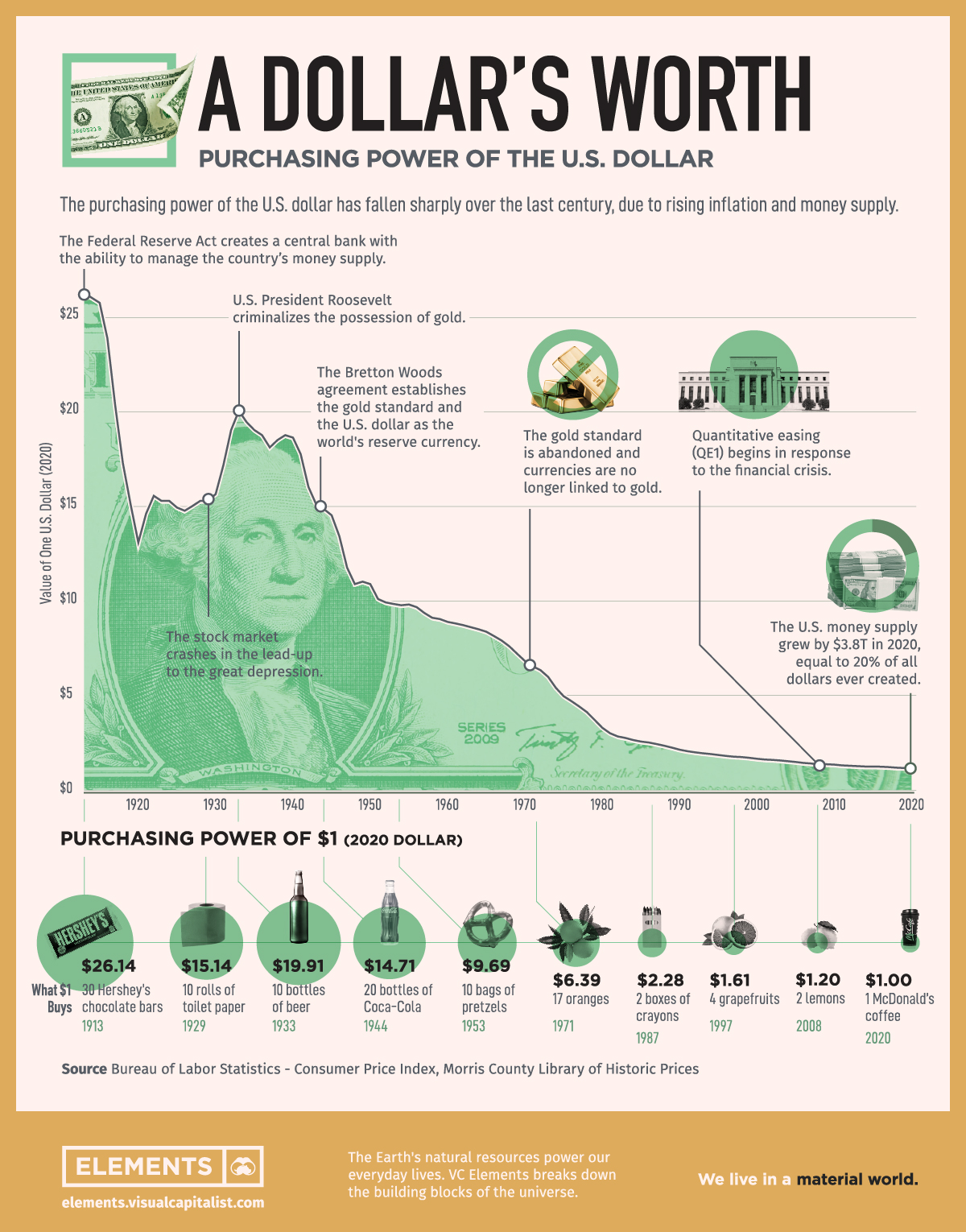
At a superficial level, a dollar is always a dollar – its nominal value remains constant. One U.S. dollar bill will always read “$1.” However, the real value of that dollar fluctuates constantly. Real value refers to what that dollar can actually purchase in goods and services. This is where inflation, a sustained increase in the general price level of goods and services, plays a critical role. If prices rise, the real value, or purchasing power, of each dollar diminishes because it can buy less than it could previously. Conversely, in periods of deflation, the dollar’s purchasing power increases.
Purchasing Power: What It Can Buy
The most tangible measure of the dollar’s worth for the average person is its purchasing power. This is the quantity of goods and services that a unit of currency can buy. When you compare the cost of a basket of goods today versus a decade ago, you’re observing changes in the dollar’s purchasing power. Everything from groceries and gasoline to housing and healthcare is affected by the dollar’s real value. For international travelers, purchasing power is evident in how far their dollars stretch when converted into local currency abroad. A strong dollar means your money buys more foreign goods and services, while a weak dollar has the opposite effect.
The Economic Levers Driving Dollar Worth
The dollar’s value is not arbitrary; it’s a reflection of underlying economic conditions and policies. Several key factors constantly pull and push its valuation.
Inflation and Deflation: Erosion and Enhancement of Value
Inflation is arguably the most direct threat to the dollar’s purchasing power. When inflation is high, the cost of living rises, and a dollar buys less. Central banks, like the U.S. Federal Reserve, typically aim for a modest level of inflation (around 2% annually) to encourage economic activity. However, runaway inflation can rapidly devalue currency. Deflation, while sounding appealing, can also be problematic, signaling a contraction in economic activity and discouraging spending as consumers delay purchases anticipating lower prices.
Interest Rates and Monetary Policy: The Federal Reserve’s Influence
Interest rates are a powerful tool in the Federal Reserve’s arsenal to manage the dollar’s value. When the Fed raises interest rates, it generally makes dollar-denominated assets (like U.S. Treasury bonds) more attractive to foreign investors seeking higher returns. This increased demand for dollar assets translates into increased demand for the dollar itself, strengthening its value relative to other currencies. Conversely, lower interest rates can reduce the dollar’s appeal, potentially leading to its depreciation. The Fed’s forward guidance and actual policy decisions on the federal funds rate thus exert a significant influence on global currency markets.
Economic Growth and Stability: A Global Safe Haven
The overall health and stability of the U.S. economy play a crucial role in determining the dollar’s worth. A robust economy, characterized by strong GDP growth, low unemployment, and a stable political environment, typically makes the dollar a more attractive investment. In times of global uncertainty or crisis, the U.S. dollar often acts as a “safe haven” currency. Investors flock to dollar-denominated assets, perceiving them as secure, which drives up the dollar’s value. This flight to safety underscores the dollar’s status as the world’s primary reserve currency.
Geopolitical Events and Market Sentiment
Beyond fundamental economic data, geopolitical developments and shifts in market sentiment can trigger rapid fluctuations in the dollar’s value. Major international conflicts, trade wars, significant political events, or even broad shifts in investor confidence can lead to substantial currency movements. The dollar’s strength or weakness can be a reflection of how global investors perceive risk and opportunity in the world.
Quantifying the Dollar: Metrics and Markets
Various tools and markets exist to measure and express the dollar’s worth in real time.
The U.S. Dollar Index (DXY): A Benchmark of Strength
The U.S. Dollar Index (DXY) is a widely recognized benchmark that measures the value of the dollar relative to a basket of six major world currencies: the Euro (EUR), Japanese Yen (JPY), British Pound (GBP), Canadian Dollar (CAD), Swedish Krona (SEK), and Swiss Franc (CHF). A higher DXY value indicates a stronger dollar against this basket, while a lower value suggests weakness. It provides a generalized snapshot of the dollar’s international purchasing power.
Foreign Exchange Rates: Bilateral Comparisons
Perhaps the most common way people encounter the dollar’s worth is through foreign exchange (forex) rates. These rates express the value of one currency in terms of another. For example, if the EUR/USD exchange rate is 1.08, it means that 1 Euro is worth 1.08 U.S. dollars. These rates are determined by supply and demand in the global forex market, which operates 24 hours a day, five days a week, processing trillions of dollars in transactions daily. Factors like interest rate differentials, economic performance, and political stability between two countries directly influence their bilateral exchange rate.
Commodity Prices: An Inverse Relationship
Commodities, particularly oil and gold, often exhibit an inverse relationship with the U.S. dollar. Since many commodities, especially crude oil, are priced in U.S. dollars on international markets, a stronger dollar makes these commodities more expensive for buyers using other currencies, potentially dampening demand and pushing prices down. Conversely, a weaker dollar makes dollar-denominated commodities cheaper for foreign buyers, potentially stimulating demand and pushing prices up. Gold, often viewed as a hedge against inflation and a safe haven, frequently rises in value when the dollar weakens, as investors seek alternative stores of value.
Implications for Personal and Business Finance
The fluctuating worth of the U.S. dollar has profound and far-reaching implications for individuals, investors, and businesses alike.
For Consumers: Cost of Living and Imports
A stronger dollar can be a boon for consumers, particularly those who purchase imported goods. When the dollar is strong, imports become cheaper, as it takes fewer dollars to buy foreign products. This can lead to lower prices for everything from electronics and apparel to automobiles and certain food items. Conversely, a weak dollar makes imports more expensive, contributing to higher domestic prices and potentially fueling inflation. For Americans traveling abroad, a strong dollar means more purchasing power in foreign countries, making international travel more affordable.
For Investors: Portfolio Performance and International Opportunities
For investors, the dollar’s value is a critical consideration. A strong dollar can erode the returns on foreign investments when those returns are converted back into U.S. dollars. For instance, if you invest in a European company and the Euro depreciates against the dollar, your dollar-denominated returns will be lower, even if the company’s stock performed well in Euro terms. Conversely, a weak dollar can boost returns on foreign investments. Additionally, the dollar’s strength influences the attractiveness of U.S. assets for foreign investors and vice-versa. U.S. investors looking to diversify internationally must consider currency risk as an integral part of their strategy.
For Businesses: Trade, Profit Margins, and Global Competitiveness
Businesses engaged in international trade are particularly sensitive to dollar fluctuations. U.S. exporters generally prefer a weaker dollar because it makes their products and services cheaper and more competitive in foreign markets, potentially boosting sales and revenues. A strong dollar, however, can make U.S. exports more expensive, potentially hurting sales abroad. Conversely, U.S. importers benefit from a strong dollar, as it reduces the cost of goods purchased from overseas, which can improve profit margins. Multinational corporations with operations and revenues in various currencies also face significant translation risk, where the value of their foreign earnings changes when converted back into U.S. dollars for financial reporting.
Strategizing in a Volatile Dollar Environment
Given the dollar’s constant fluctuations, individuals and businesses must adopt informed strategies to mitigate risks and capitalize on opportunities.
Hedging Against Currency Risk
Businesses and sophisticated investors often employ hedging strategies to protect themselves from adverse currency movements. This can involve using financial instruments such as forward contracts or options to lock in an exchange rate for a future transaction. While hedging incurs costs, it provides certainty and stability for international transactions, protecting profit margins or investment returns from unexpected currency shifts.
Diversification Across Assets and Currencies
For individual investors, diversification is a fundamental principle. This extends not only to different asset classes (stocks, bonds, real estate) but also to geographic regions and currencies. Holding a portion of one’s portfolio in international assets denominated in different currencies can help cushion the impact of a significant decline in the dollar’s value. Diversification reduces concentration risk and positions investors to benefit from growth in various global economies.
Informed Decision-Making in Spending and Investing
Staying informed about economic trends, monetary policy signals, and geopolitical developments is crucial for making sound financial decisions. For consumers, understanding the dollar’s purchasing power can influence choices about purchasing imported goods, making international travel plans, or even timing major purchases. For investors and businesses, a deep understanding of currency dynamics is essential for strategic planning, risk management, and identifying opportunities in global markets. The worth of the United States dollar is a dynamic indicator of economic health and global influence, demanding continuous attention and strategic adaptation.
aViewFromTheCave is a participant in the Amazon Services LLC Associates Program, an affiliate advertising program designed to provide a means for sites to earn advertising fees by advertising and linking to Amazon.com. Amazon, the Amazon logo, AmazonSupply, and the AmazonSupply logo are trademarks of Amazon.com, Inc. or its affiliates. As an Amazon Associate we earn affiliate commissions from qualifying purchases.