
The allure of the silver screen remains a powerful draw, offering an escape into fantastical worlds, gripping dramas, and heartwarming comedies. Yet, for many, the question “how much are movie tickets?” has become increasingly complex, moving beyond a simple price query to encompass a sophisticated financial ecosystem. What once seemed like a straightforward purchase now involves a myriad of factors, from the type of screen and time of day to geographic location and a host of ancillary expenses. Understanding these dynamics is crucial for any cinephile aiming to manage their personal finance and maximize their entertainment budget in an ever-evolving market.
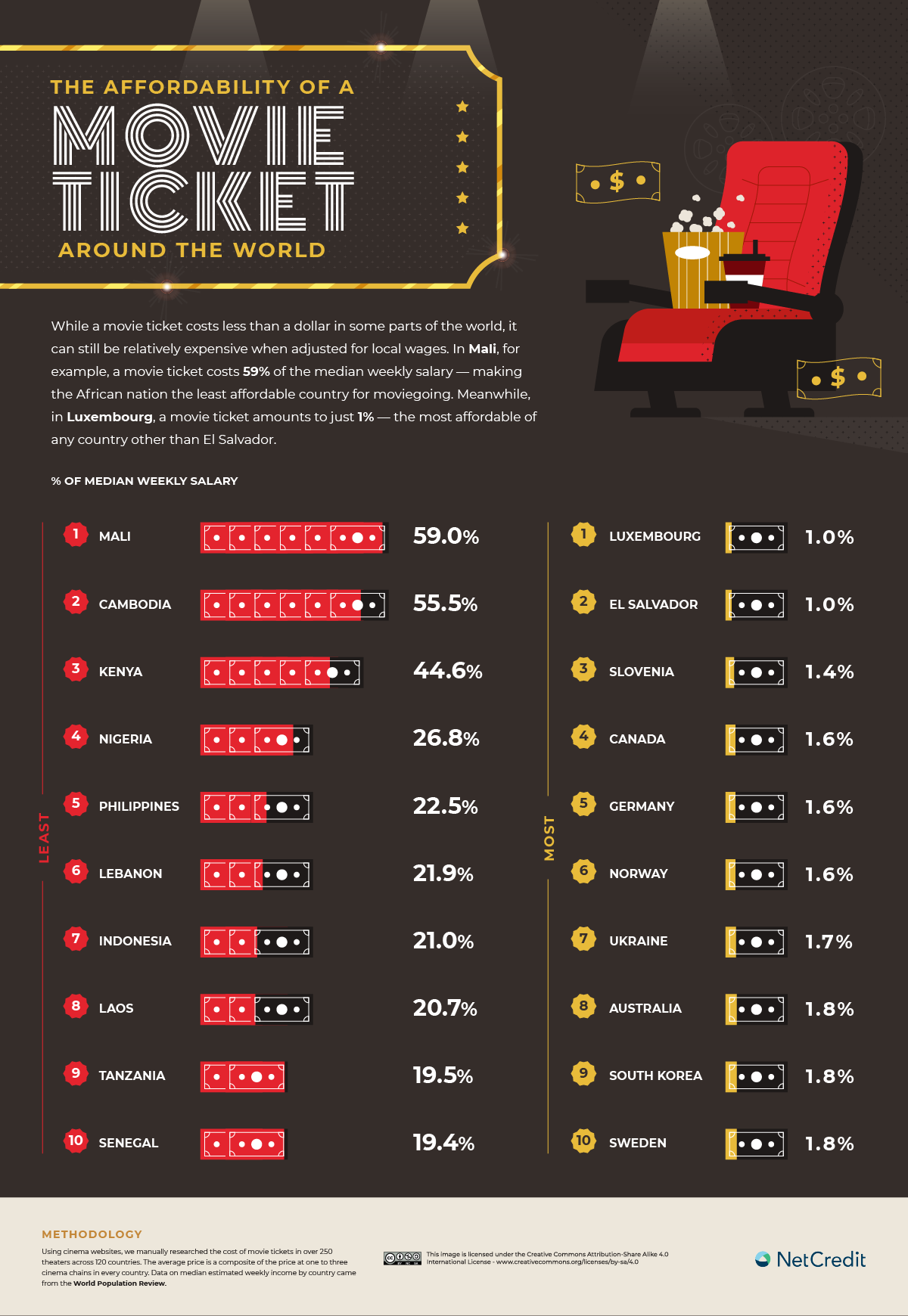
This article delves into the multi-faceted financial landscape of moviegoing, dissecting the various components that contribute to the final cost of a ticket and the overall cinematic experience. We’ll explore the economic pressures on theaters and studios, illuminate the hidden costs often overlooked, and provide practical strategies for consumers to navigate these complexities wisely.
Understanding the Core Components of Ticket Pricing
At its heart, a movie ticket is a gateway to entertainment, but its price is a carefully calculated figure influenced by numerous variables. It’s rarely a static number, fluctuating based on an intricate interplay of consumer demand, technological advancements, and operational necessities.
The Base Price: Influencers and Averages
The foundation of a movie ticket’s cost is its base price, which can vary significantly across different markets. In major metropolitan areas like New York or Los Angeles, adult tickets often range from $15 to $20, reflecting higher operational costs such as rent, labor, and utilities. Conversely, in smaller towns or suburban locales, the same ticket might cost $10 to $12. This geographical disparity is a primary driver of pricing, directly correlating with the local cost of doing business and consumer purchasing power. Furthermore, factors such as peak times (evenings and weekends) command higher prices than off-peak showings (matinees and weekdays), where theaters aim to entice viewers with reduced rates during traditionally slower periods. The age of the moviegoer also plays a role, with student, senior, and child discounts frequently available, acknowledging differing income levels and encouraging broader accessibility.
The Premium Experience Tax: IMAX, 3D, Dolby Atmos
Beyond the standard viewing experience, modern cinema offers an array of premium formats designed to immerse audiences more deeply. Technologies like IMAX, 3D, Dolby Cinema, and 4DX come with a significant price premium, typically adding an extra $3 to $10 to the base ticket cost. This “experience tax” reflects the substantial investment theaters make in specialized projection equipment, advanced sound systems, and unique seating arrangements. While these formats offer enhanced visuals, superior audio, and sometimes even environmental effects (like wind or scent), the financial justification often lies in the perceived value and unique spectacle they deliver. For consumers, the decision to opt for a premium format becomes a personal financial trade-off: is the augmented sensory experience worth the additional expenditure, especially when considering the rising cost of entertainment options?
Beyond the Screen: Hidden Costs and Ancillary Spending
The sticker price of a movie ticket is often just the initial outlay. A comprehensive financial assessment of a trip to the cinema must account for a range of additional expenses, many of which are strategically designed revenue streams for theater chains.
The Concession Conundrum: Markups and Financial Impact
For most movie theaters, concession sales represent a vital, often dominant, revenue stream, far surpassing the profit margins on ticket sales themselves. Items like popcorn, soda, and candy are typically marked up by 400% to 1000% compared to their wholesale cost. While a large popcorn and soda combo might cost $15-$20, its actual production cost is mere dollars. This substantial markup helps theaters cover their high operational expenses and allows them to absorb the relatively small percentage of ticket sales they retain after splitting revenue with film distributors. For consumers, this means that a family of four could easily spend more on snacks and drinks than on their tickets, effectively doubling their entertainment budget without realizing the extent of the concession profit margin. Understanding this dynamic is key to making informed spending choices at the cinema.
Digital Convenience Fees: The Price of Booking Online
In an age of digital convenience, purchasing tickets online has become the norm. However, this ease often comes with an additional cost: the dreaded “convenience fee” or “service charge.” These fees, typically ranging from $1 to $3 per ticket, are levied by online ticketing platforms (and sometimes the theaters themselves) for the privilege of booking seats in advance, avoiding queues, and selecting preferred seating. While seemingly small individually, these charges can quickly accumulate, particularly for group bookings, adding a noticeable percentage to the total cost. For financially savvy consumers, weighing the benefit of guaranteed seating against the added expense is essential, especially when direct box office purchases remain an option without these surcharges.
External Costs: Parking, Transportation, and Pre/Post-Movie Meals
The financial footprint of a movie outing extends beyond the theater’s walls. Commuting to and from the venue incurs costs, whether it’s fuel and parking fees for drivers, or fares for public transportation users. Parking, especially in urban centers, can easily add another $5 to $20 to the total expenditure. Furthermore, many moviegoers integrate their cinematic experience with dining, opting for a pre-movie dinner or post-film dessert. While not directly linked to the movie ticket, these associated activities become part of the overall entertainment budget. Recognizing these external costs is crucial for a holistic view of moviegoing expenses and for accurate personal finance planning.
Economic Undercurrents Shaping Ticket Prices
Movie ticket prices are not set in a vacuum; they are a direct reflection of complex economic forces influencing both film production and exhibition. Understanding these pressures helps explain why prices are structured the way they are and why they continue to evolve.
Production Demands and Studio Revenue Splits
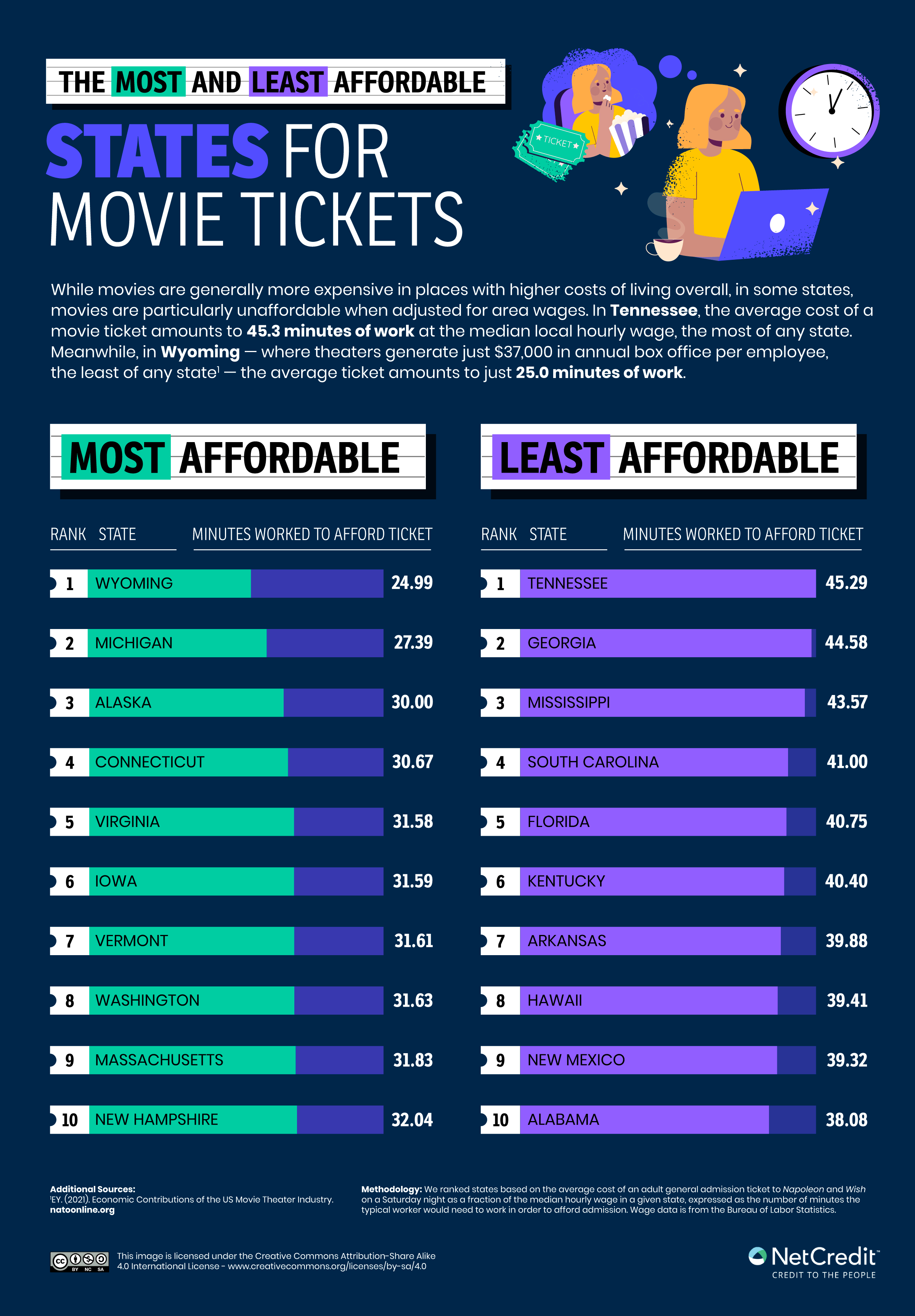
The creation of a blockbuster film involves monumental budgets, often running into hundreds of millions of dollars for production, marketing, and distribution. Studios recoup these investments primarily through box office revenue, from which they take a significant share. Typically, studios negotiate a revenue split with theaters, often taking 50-70% of ticket sales in the opening weeks of a major release, with the percentage gradually decreasing over the film’s run. This high demand from studios puts immense pressure on theaters to price tickets accordingly, ensuring they can cover their own operating costs while still delivering a substantial portion of sales back to the distributors. The more expensive and highly anticipated a film, the less leverage theaters have to lower prices.
Theater Operational Overheads: Lease, Staff, Technology, Marketing
Operating a movie theater is an expensive endeavor. Major overheads include hefty lease payments or mortgage costs for prime real estate, salaries and benefits for staff (ticket takers, concession workers, cleaners, projectionists), utility bills, and continuous investment in new technologies like digital projectors, sound systems, and comfortable seating. Marketing and advertising expenses are also substantial as theaters compete for dwindling audience numbers in some markets. These fixed and variable costs must be covered by revenue, making ticket sales and concession markups critical for a theater’s financial viability. Any increase in these operational costs inevitably translates to upward pressure on ticket prices.
The Streaming Challenge: Competition and Pricing Strategies
The rise of streaming services (Netflix, Disney+, Max, etc.) has fundamentally altered the entertainment landscape, posing a significant competitive threat to traditional cinemas. With an ever-expanding library of content available on-demand and in the comfort of home, streaming offers unparalleled convenience and often a lower per-viewing cost, especially for families. This competition forces theaters to innovate and justify their premium pricing. Some strategies include emphasizing the unique communal experience, investing in premium formats, or experimenting with shorter theatrical windows before films move to streaming. However, the omnipresence of streaming undoubtedly places a ceiling on how high movie ticket prices can realistically go before a significant portion of the audience opts for home viewing instead.
Strategies for the Frugal Film Enthusiast
For those who love movies but also want to be financially responsible, there are numerous strategies to enjoy the cinematic experience without breaking the bank. Smart planning and awareness of available options can significantly reduce the cost of a movie outing.
Timing is Everything: Matinees, Discount Days, and Off-Peak Viewings
One of the simplest ways to save money on movie tickets is to adjust your viewing schedule. Matinee showings, typically before 5 PM, are almost universally cheaper than evening screenings. Many theaters also designate specific “discount days” (often Tuesdays or Wednesdays) where all tickets are offered at a reduced rate. Opting for weekday viewings instead of prime-time weekend slots can also yield savings. These off-peak times are designed to fill seats during periods of lower demand, providing a win-win for both theaters and budget-conscious moviegoers. A little flexibility in your schedule can translate to substantial savings over time.
Membership Perks: Loyalty Programs, Subscription Services, and Bundles
Most major cinema chains offer loyalty programs that reward frequent visitors with points for purchases, which can then be redeemed for discounts on tickets or concessions. Some theaters go further with subscription services (e.g., AMC Stubs A-List, Regal Unlimited) that allow members to see multiple movies per month for a fixed monthly fee. These subscriptions can offer incredible value for avid moviegoers, quickly paying for themselves after just a couple of visits. Additionally, look out for bundled deals that combine tickets with concessions at a reduced price, or package offers for specific events or film festivals. Investing in such programs, if you plan to visit regularly, can lead to significant long-term savings.
Special Discounts: Leveraging Student, Senior, and Group Rates
Never underestimate the power of asking for a discount. Most theaters offer reduced prices for specific demographics, including students (with a valid ID), seniors, and military personnel. These discounts are often substantial, ranging from 10% to 30% off the regular adult price. For larger groups, some theaters provide group rates, particularly for school outings or corporate events, though these typically require advance booking. Always inquire about available special rates at the box office or when purchasing online; a few seconds of asking can save you a noticeable amount on your movie ticket.
The Future Financial Landscape of Moviegoing
The intersection of technology, consumer habits, and economic pressures continues to reshape how movies are consumed and priced. The financial models of the past are constantly adapting, hinting at a future that may offer more flexibility, but also new complexities, for the moviegoer’s wallet.
Dynamic Pricing: Real-time Adjustments and AI
Just as airlines and ride-sharing services use dynamic pricing, where prices fluctuate based on demand, time, and other factors, cinemas are beginning to explore similar models. This could mean higher prices for blockbuster opening nights, prime seating, or popular showtimes, and lower prices for less popular films, off-peak hours, or less desirable seats. AI and data analytics play a crucial role in predicting demand and optimizing prices in real-time. While potentially maximizing theater revenue, dynamic pricing could also create more opportunities for budget-conscious consumers to find cheaper tickets during periods of low demand, further emphasizing the importance of timing and flexibility.

Hybrid Models: Theatrical Window vs. PVOD and Subscription Services
The traditional “theatrical window” – the exclusive period a film plays in cinemas before home release – has significantly shortened, partly due to the pandemic and the rise of streaming. Hybrid release models, where films are simultaneously released in theaters and on Premium Video-on-Demand (PVOD) platforms (often at a premium rental price), or even directly to streaming subscription services, are becoming more common. This introduces a new financial calculus for consumers: paying a higher one-time fee to watch a new release at home versus the theatrical ticket price plus associated costs. The interplay between these models will continue to influence how theaters price their tickets, potentially leading to more tiered pricing based on release strategy and access.
The question of “how much are movie tickets?” is far more nuanced than a simple number. It encompasses a rich tapestry of economic factors, business strategies, and consumer choices. From the fluctuating base price driven by geography and time, to the significant impact of premium formats and high-margin concessions, every aspect contributes to the overall cost of a cinematic adventure. As streaming services continue to challenge traditional exhibition, theaters are innovating with membership programs and potentially dynamic pricing, forcing consumers to become savvier in their financial decisions. By understanding these underlying economic currents and employing strategic approaches to ticket purchasing and ancillary spending, moviegoers can continue to enjoy the magic of the big screen without unnecessarily stretching their personal finance. The future of moviegoing will likely involve a blended financial model, offering diverse options for every budget, and empowering audiences to choose the cinematic experience that best fits their financial comfort zone.
aViewFromTheCave is a participant in the Amazon Services LLC Associates Program, an affiliate advertising program designed to provide a means for sites to earn advertising fees by advertising and linking to Amazon.com. Amazon, the Amazon logo, AmazonSupply, and the AmazonSupply logo are trademarks of Amazon.com, Inc. or its affiliates. As an Amazon Associate we earn affiliate commissions from qualifying purchases.