
In today’s digital economy, subscriptions have become a ubiquitous part of our financial landscape, and few are as prominent as Amazon Prime. Millions worldwide weigh the benefits against the cost, often asking the fundamental question: “How much is the membership for Amazon Prime?” This isn’t merely a query about a price tag; it’s an inquiry into a significant household expense that demands a thorough financial evaluation. Understanding the various pricing tiers, the true economic value of its myriad benefits, and how it aligns with your personal budgeting is crucial for making an informed financial decision. This guide delves into the monetary aspects of Amazon Prime, providing an insightful perspective for consumers navigating the complexities of subscription services.
Understanding Amazon Prime Membership Costs
The initial step in evaluating any financial commitment is to ascertain its direct cost. Amazon Prime offers a tiered pricing structure designed to cater to different consumer segments, though the primary distinction lies between annual and monthly payment plans. Beyond these standard rates, Amazon also provides significantly discounted options for specific eligible groups, acknowledging diverse financial circumstances.
Standard Annual and Monthly Rates
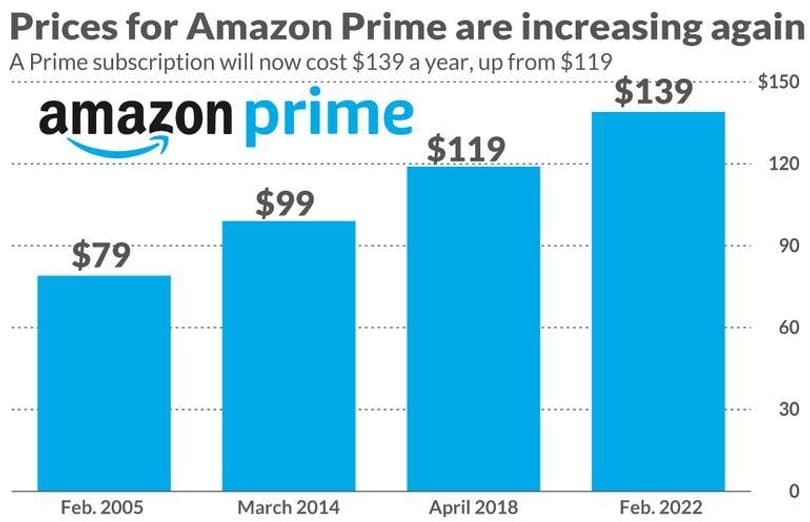
For most subscribers, Amazon Prime presents two main payment options: an annual lump sum or a recurring monthly fee. Currently, the standard annual membership costs $139. This upfront payment typically offers a slight discount compared to paying month-to-month over a year, making it the more cost-effective choice for long-term users. For those who prefer flexibility or are hesitant about a year-long commitment, the monthly option is available at $14.99. Over a 12-month period, this totals $179.88, representing a premium of approximately $40.88 compared to the annual plan. The choice between these two largely depends on personal cash flow management and the perceived stability of one’s need for Prime services. Opting for the annual plan requires a larger immediate outlay but rewards with lower overall expenditure, while the monthly plan offers budgetary flexibility at a higher cumulative cost.
Discounted Membership Options
Amazon acknowledges that not all consumers have the same financial capacity, and as such, offers reduced rates for eligible groups, making the service more accessible. These discounts are not just a gesture of goodwill; they represent strategic market segmentation designed to broaden Prime’s reach and inclusion.
One prominent discounted option is for students. Eligible college students can sign up for Prime Student, which offers a significantly reduced rate of $7.49 per month or $69 per year. This discount is a clear financial incentive, understanding that students often operate on tighter budgets while still benefiting immensely from features like free shipping for textbooks and access to entertainment. Verification of student status, typically through a university email address, is required.
Another vital discount pathway is for recipients of certain government assistance programs, specifically those with a valid EBT or Medicaid card. These individuals can access Prime for just $6.99 per month. This substantial reduction underscores Amazon’s commitment to providing affordable access to its services for lower-income households, recognizing that free shipping and digital access can be particularly impactful for those with limited resources and mobility.
Regional Price Variations and Tax Implications
While the aforementioned prices are generally consistent across the contiguous United States, it’s crucial for consumers to be aware of potential nuances. Firstly, state and local sales taxes may apply to Amazon Prime membership fees, just as they do to other taxable services. The exact amount will vary based on your billing address, adding a few extra dollars to the advertised price. For instance, a $139 annual membership might cost closer to $150 or more in some high-tax regions.
Secondly, for international consumers, Amazon Prime’s pricing structure varies significantly by country. For example, Prime in Canada, the UK, Germany, or Japan has its own distinct pricing in local currency, reflecting local market conditions, operational costs, and the specific bundle of benefits offered in those regions. Therefore, this guide’s pricing focus is primarily on the U.S. market, and international users should consult their local Amazon site for precise figures. From a financial planning perspective, understanding these tax implications and regional differences is key to accurately budgeting for the service.
Decoding the Value Proposition: Prime’s Financial Benefits
Determining “how much” Amazon Prime costs is only half the equation; the other, equally critical half is understanding “how much value” it delivers. For a membership to be a financially sound decision, its benefits must demonstrably outweigh its cost. Amazon Prime isn’t just a shipping service; it’s a bundle of dozens of services, each with its own potential monetary value, that, when aggregated, can justify the annual or monthly outlay.
Shipping Savings: The Core Economic Advantage
The most widely recognized and perhaps the most financially tangible benefit of Amazon Prime is its expedited, free shipping. For a significant portion of subscribers, this alone forms the primary justification for the membership fee. Standard shipping costs for non-Prime members on Amazon can add up quickly, especially for frequent shoppers. A typical 2-day shipping charge for a non-Prime member might range from $5 to $10 or more per order, depending on the item and speed. If you place, for example, 15-20 orders a year that would otherwise incur shipping fees, Prime’s free shipping can easily offset the annual membership cost.
Beyond the baseline “free two-day shipping,” Prime also offers free one-day shipping on millions of items in many areas, and even same-day delivery in select cities, often for orders over a certain threshold. The ability to avoid these premium shipping charges, especially when needing items quickly, represents a direct monetary saving. For businesses or individuals who frequently purchase supplies or goods online, the efficiency and cost-avoidance from Prime shipping can be substantial, eliminating numerous individual transaction costs and ensuring timely delivery.
Entertainment & Digital Perks: More Than Just Shipping
Amazon Prime has evolved far beyond an e-commerce perk, bundling in a robust suite of digital entertainment services that, if purchased separately, would accrue significant monthly expenses. From a financial perspective, these included services offer direct savings by potentially replacing other paid subscriptions.
Prime Video is arguably the most valuable of these, offering an extensive library of movies, TV shows, and exclusive Amazon Originals. The standalone cost for a competing streaming service like Netflix (Standard plan) is currently around $15.49/month, while Hulu (ad-supported) is $7.99/month. If Prime Video satisfies a portion or all of your streaming needs, it directly contributes to financial savings by negating the need for one or more separate subscriptions.
Similarly, Amazon Music Prime provides ad-free access to millions of songs. While it’s a more limited catalog than the full Amazon Music Unlimited or Spotify Premium, which cost around $10.99/month, it can be sufficient for casual listeners, again offering a potential saving. Prime Reading and Amazon First Reads offer a rotating selection of free ebooks and early access to new releases, which can reduce spending on digital books. The financial benefit here is direct: by utilizing these included services, members can avoid paying for similar standalone offerings, thus enhancing the overall financial value of their Prime membership.
Exclusive Deals and Shopping Advantages
Beyond consistent shipping savings and digital content, Amazon Prime unlocks a variety of exclusive shopping benefits that can translate into significant financial advantages, especially for savvy shoppers.
The most prominent example is Prime Day, an annual sales event exclusively for Prime members, offering deep discounts across virtually every product category. For individuals who time their larger purchases, electronics upgrades, or holiday shopping to align with Prime Day, the savings can easily reach hundreds of dollars, more than recouping the annual membership fee. However, careful budgeting and avoiding impulse buys are crucial to ensure these deals truly represent savings rather than increased expenditure.
Furthermore, Prime members often receive early access to Lightning Deals and other promotions throughout the year. For popular, fast-selling items, this early access can mean the difference between securing a desired product at a discount and missing out entirely.
For groceries, Whole Foods Market discounts are a tangible financial benefit. Prime members receive an extra 10% off hundreds of sale items and exclusive weekly discounts at Whole Foods. For regular shoppers at Whole Foods, these savings can add up substantially over a year, potentially offsetting a significant portion of the Prime membership cost. The value here is directly proportional to how frequently and heavily a member shops at Whole Foods.
Other Tangible Financial Inclusions
The expansive nature of Prime’s benefits extends to several other areas, each offering specific financial advantages that contribute to the overall value proposition.
Amazon Pharmacy allows Prime members to save money on prescription medications, offering specific discounts and free two-day delivery on eligible orders. For individuals with ongoing prescription needs, these savings can be quite significant, comparable to or even exceeding what some discount prescription cards offer.

Prime Photos provides unlimited full-resolution photo storage, a valuable service that can replace standalone cloud storage subscriptions (e.g., Google Drive or Dropbox plans) which can cost anywhere from $1.99 to $9.99 per month for equivalent storage. This is a direct saving for anyone needing secure, ample photo backup.
Additionally, Prime offers Twitch Prime (now Prime Gaming), which includes free games, in-game content, and a free channel subscription every month. For avid gamers, this can represent a saving on new game purchases or in-game content, enhancing their entertainment budget. These seemingly minor benefits, when considered holistically, contribute to a compelling financial argument for Prime, transforming it from a simple shipping service into a multi-faceted savings tool.
Is Amazon Prime Worth the Investment? A Cost-Benefit Analysis
The question of whether Amazon Prime is “worth it” is fundamentally a personal financial decision, requiring a careful cost-benefit analysis tailored to individual spending habits and needs. It’s not just about the absolute cost, but about the net financial gain or utility derived after considering all benefits.
Calculating Your Personal ROI
To truly assess the financial viability of Amazon Prime, individuals must perform a personalized Return on Investment (ROI) calculation. This involves itemizing how frequently you use each Prime benefit and assigning an approximate monetary value to that usage.
Consider your past year’s online shopping habits. How many Amazon orders did you place that would have incurred shipping charges if you weren’t a Prime member? Multiply that number by an average shipping cost (e.g., $7 per order). Add the estimated value of streaming services you would have paid for if Prime Video wasn’t available. Factor in potential savings from Prime Day purchases, Whole Foods discounts, or even the value of free photo storage.
For example:
- 20 non-Prime-eligible orders x $7 shipping = $140
- Prime Video replacing a $10/month streaming service = $120
- Prime Day savings on a specific purchase = $50
- Whole Foods discounts over a year = $30
- Value of cloud photo storage = $24
Total estimated value = $364.
Comparing this to the $139 annual fee, the personal ROI is significantly positive, suggesting a strong financial justification for the membership. Conversely, if your calculated value is less than the membership fee, it might indicate that Prime is not a financially optimal choice for you.
Comparing Prime to Standalone Services
One of the most effective ways to evaluate Prime’s financial worth is by comparing its bundled services to their standalone counterparts. If you regularly use several of Prime’s features, the aggregate cost of subscribing to these services individually would almost certainly exceed the Prime membership fee.
Let’s break down a hypothetical scenario:
- Expedited Shipping (equivalent to a service like FedEx or UPS for frequent individual shipments): $100-$200+ annually
- Streaming Video (e.g., Netflix Basic): $15.49/month = $185.88 annually
- Music Streaming (e.g., Spotify Premium): $10.99/month = $131.88 annually
- Cloud Photo Storage (e.g., Google One 100GB): $1.99/month = $23.88 annually
- Book/Magazine access (e.g., Scribd): $11.99/month = $143.88 annually
If you were to subscribe to standalone versions of even just a few of these, the annual cost would easily exceed $500. When viewed through this lens, Prime’s $139 (or $69 for students, $83.88 for EBT/Medicaid) annual fee represents a substantial financial economy for users who genuinely leverage its diverse offerings. The bundle becomes financially compelling by offering a discount across multiple services that, individually, would be more expensive.
Recognizing Hidden Savings and Potential Overspending
While Prime offers clear financial benefits, it’s also crucial to acknowledge potential pitfalls that can lead to unintended overspending. The ease of “1-Click” ordering and the allure of “free shipping” can sometimes encourage impulse purchases that wouldn’t have been made if a shipping cost acted as a deterrent. These small, unnecessary expenditures can cumulatively negate the savings on shipping or other benefits.
Hidden savings often come from the convenience factor, such as not having to drive to a store, saving on gas and time (which has a monetary value). The ability to quickly order a forgotten item rather than making a special trip can be a real, if indirect, financial advantage. Moreover, using Prime Video or Music can keep entertainment costs down, especially if it prevents costly cinema trips or purchasing individual digital music tracks.
However, the potential for overspending is a critical consideration. The psychological effect of having “paid for” shipping can lead to a feeling of needing to “get your money’s worth” by ordering more, potentially leading to purchases of items you don’t truly need. A disciplined approach to online shopping, focusing on necessities and pre-planned purchases, is essential to ensure Prime remains a net financial gain rather than a facilitator of excessive consumption. Ultimately, the financial worth of Prime is not just in its explicit features, but in how prudently a member uses them within their overall budget.
Managing Your Amazon Prime Subscription Economically
Once you’ve determined that Amazon Prime aligns with your financial goals, the next step is to manage your subscription in a way that maximizes its economic value. This involves strategic utilization of benefits, understanding the flexibility of the subscription, and being aware of alternatives.
Strategies for Maximizing Value
To ensure you’re getting the most out of your Prime membership financially, proactive engagement with its services is key. Start by conducting an audit of all the benefits included. Many subscribers are only aware of free shipping and Prime Video, overlooking valuable features like Prime Reading, Amazon Photos, or specific shopping deals.
- Utilize Digital Services: Regularly stream content on Prime Video, listen to music on Amazon Music Prime, and check Prime Reading for new titles. If you’re paying for separate services that overlap with Prime’s offerings, consider canceling the redundant ones.
- Leverage Shopping Discounts: Be aware of Prime Day and other member-exclusive sales. If you have significant purchases planned, try to align them with these events. Regularly check Whole Foods for Prime member discounts if you shop there.
- Consider Pharmacy Benefits: If you or your family have regular prescriptions, explore Amazon Pharmacy for potential savings and free delivery.
- Share Benefits (Where Allowed): Amazon Household allows two adults to share Prime benefits, including free shipping, Prime Video, and Kindle library access, at no additional cost. This effectively halves the per-person cost for couples or roommates, significantly enhancing the ROI.
By actively engaging with a broader range of Prime’s features, you transform it from a mere shipping perk into a comprehensive lifestyle and entertainment package that can reduce expenses across multiple categories.
Cancelling or Pausing Your Membership
Amazon offers straightforward processes for managing your subscription, which is a crucial financial consideration. If your needs change, or if your personal cost-benefit analysis indicates that Prime is no longer delivering sufficient value, cancelling is simple. You can cancel your membership at any time through your Amazon account settings.
Crucially, Amazon has a customer-friendly policy regarding unused benefits. If you cancel an annual membership and haven’t used any Prime benefits (like free shipping or streaming) since your last renewal, you are generally eligible for a full refund of the membership fee. If you’ve used some benefits, you might be eligible for a partial refund based on the remaining period or the extent of benefit usage. For monthly memberships, cancellation typically prevents the next month’s charge, allowing you to use benefits until the end of the current billing cycle.
In certain situations, a temporary pause might be preferable to outright cancellation. While Amazon doesn’t have a formal “pause” button in the traditional sense, opting for a monthly plan provides flexibility. You can cancel after a month or two of heavy usage (e.g., around the holidays or for specific streaming content) and then re-subscribe later when needed, avoiding year-long commitments when demand is intermittent. Understanding these cancellation and refund policies empowers consumers to manage their subscriptions dynamically and ensure they are only paying for the service when it provides tangible financial benefit.

Exploring Alternatives and Budget-Friendly Options
While Amazon Prime offers a compelling bundle, it’s not the only pathway to online savings and convenience. For some, exploring alternatives might yield a more budget-friendly solution, especially if only one or two Prime benefits are truly utilized.
- Free Shipping Thresholds: Many online retailers, including Amazon for non-Prime members, offer free standard shipping once a certain order value is met (e.g., $25, $35). For infrequent shoppers, consolidating purchases to meet these thresholds can eliminate shipping costs without a membership fee.
- Competitor Memberships: Other retailers like Walmart and Target offer their own paid membership programs (e.g., Walmart+), which provide free shipping, grocery delivery, and other benefits that might better suit your shopping habits if you predominantly shop at those stores.
- Library Services: For entertainment, public libraries offer a wealth of free resources, including physical books, e-books, audiobooks, movies, and music, often through digital apps like Libby or Hoopla. This can be a completely free alternative to some of Prime’s digital offerings.
- Subscription Management Tools: Utilize personal finance apps or subscription management tools to regularly review all your recurring charges, including Prime, to ensure each one is still providing sufficient value for its cost.
Ultimately, the decision to subscribe to Amazon Prime, and how to manage that subscription, boils down to a personalized financial calculation. By understanding the diverse costs, carefully evaluating the true monetary value of its benefits, and proactively managing your account, you can ensure that your Amazon Prime membership remains a financially astute choice that genuinely enhances your personal bottom line.
aViewFromTheCave is a participant in the Amazon Services LLC Associates Program, an affiliate advertising program designed to provide a means for sites to earn advertising fees by advertising and linking to Amazon.com. Amazon, the Amazon logo, AmazonSupply, and the AmazonSupply logo are trademarks of Amazon.com, Inc. or its affiliates. As an Amazon Associate we earn affiliate commissions from qualifying purchases.