
The question “how much is the Google stock?” seems straightforward, yet its answer is far from a simple number. It’s a snapshot of a dynamic valuation, reflecting market sentiment, corporate performance, global economic trends, and an intricate interplay of investor expectations. For anyone eyeing a stake in one of the world’s most influential technology companies, understanding Alphabet Inc.’s (Google’s parent company) stock goes far beyond checking a real-time quote. It involves delving into its unique share structure, its underlying business strengths, the forces that drive its price, and what it means to be an investor in such a colossal enterprise. This article will demystify Google’s stock, offering insights crucial for both nascent and seasoned investors navigating the complex world of finance.
Decoding Alphabet’s Stock Price: A Dynamic Valuation
When people refer to “Google stock,” they are typically talking about shares of Alphabet Inc., the diversified technology conglomerate that encompasses Google Search, Android, YouTube, Chrome, Google Cloud, Waymo, and numerous other ventures. Understanding its stock begins with recognizing its dual-class share structure and the ever-fluctuating nature of its market price.
The Dual Share Class: GOOGL vs. GOOG
One of the first nuances investors encounter with Alphabet is its two primary publicly traded share classes:
- Class A (GOOGL): These shares carry voting rights, meaning shareholders have a say in company matters, albeit often diluted by institutional holdings and insider control. This is the more traditional type of stock.
- Class C (GOOG): These shares do not carry voting rights. They were created to allow founders to retain control while issuing more equity for compensation and acquisitions without diluting their voting power.
Historically, the prices of GOOGL and GOOG have traded very closely, often differing by only a few dollars. While GOOGL sometimes commands a slight premium due to its voting rights, this difference is generally minor for most retail investors. The existence of these two classes is a strategic decision by Alphabet’s founders to ensure long-term vision and stability, protecting the company from short-term activist pressures often associated with publicly traded companies. For the vast majority of investors, the choice between GOOGL and GOOG comes down to a marginal price difference and whether having voting rights is a critical personal preference. Functionally, both provide exposure to Alphabet’s financial performance.
Understanding the Current Price Point
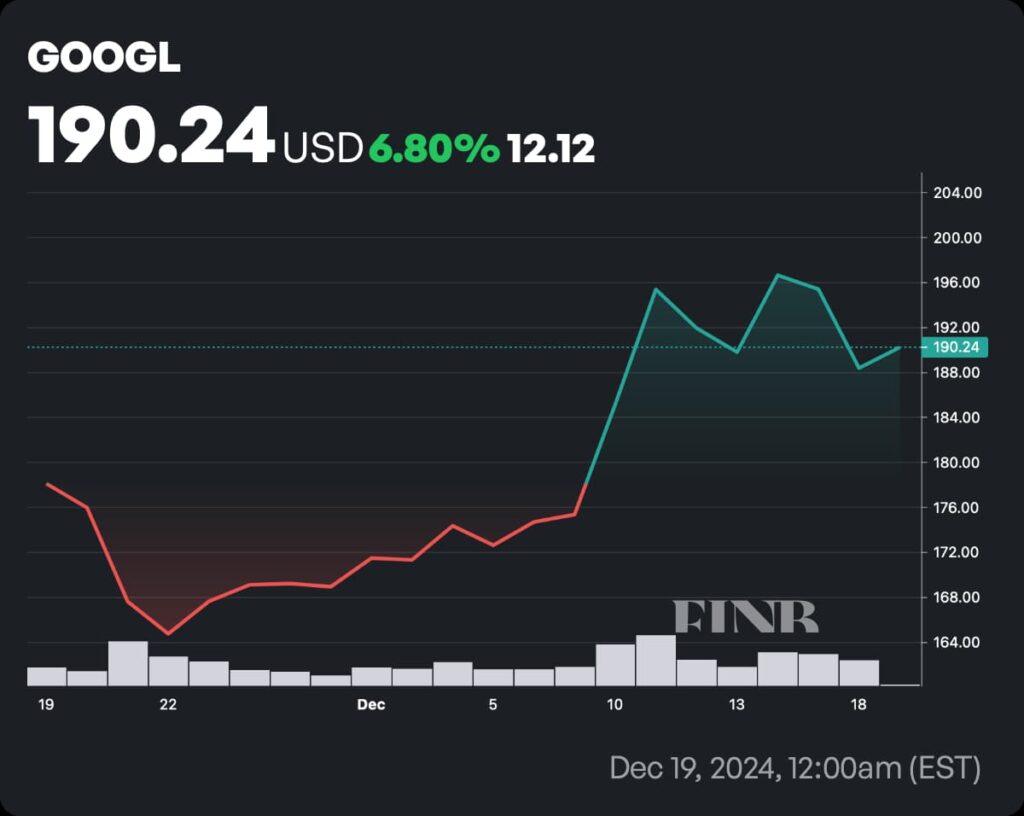
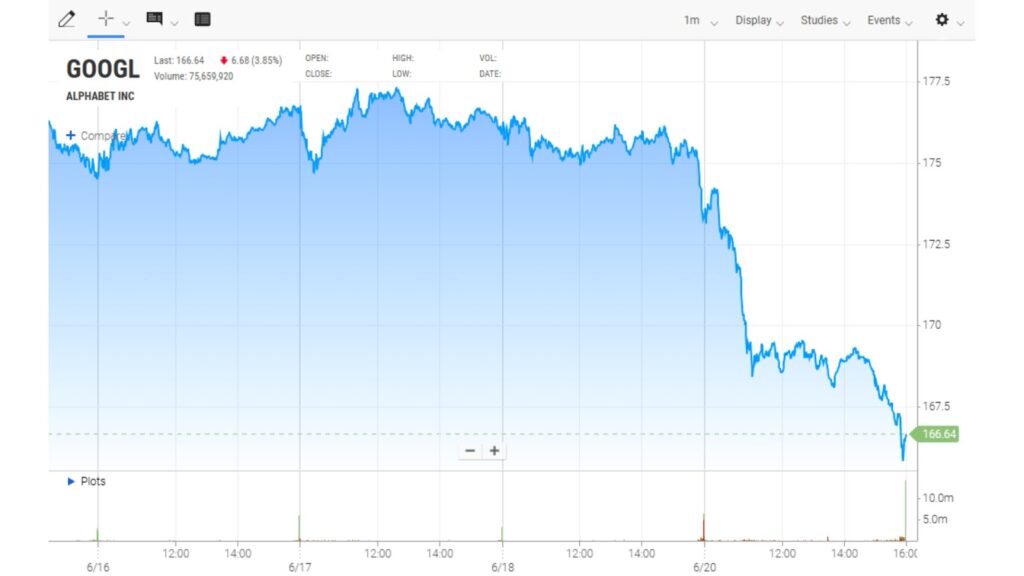
The exact price of Alphabet stock (either GOOGL or GOOG) is a constantly moving target, updating milliseconds during market hours. It’s determined by the collective buying and selling activity on stock exchanges. You can find real-time quotes on major financial news websites (like Google Finance, Yahoo Finance, Bloomberg), brokerage platforms, or through dedicated stock market apps. It’s crucial to remember that yesterday’s closing price or even the price from an hour ago is not necessarily today’s price. The stock market is a live auction, reacting instantaneously to news, economic data, company announcements, and investor sentiment. Therefore, “how much is the Google stock” always requires a timestamp.
Market Capitalization and Its Significance
While the per-share price is what most people focus on, a more comprehensive measure of a company’s size and value is its market capitalization (market cap). This is calculated by multiplying the current share price by the total number of outstanding shares. Alphabet’s market cap typically hovers in the multi-trillion-dollar range, making it one of the largest companies globally. A high market cap indicates a substantial, well-established company, often with significant influence over its industry. It signifies investor confidence in its long-term viability and growth prospects, though it also means the stock is unlikely to experience the explosive percentage growth seen in smaller, emerging companies. For Alphabet, its enormous market cap underscores its dominant position in search, advertising, cloud computing, and numerous other tech frontiers.
Key Drivers Behind Alphabet’s Stock Performance
Alphabet’s stock price is not arbitrary; it’s a complex reflection of its fundamental business health, strategic initiatives, the broader economic climate, and various external factors. Understanding these drivers is essential for any investor.
Financial Health and Earnings Reports
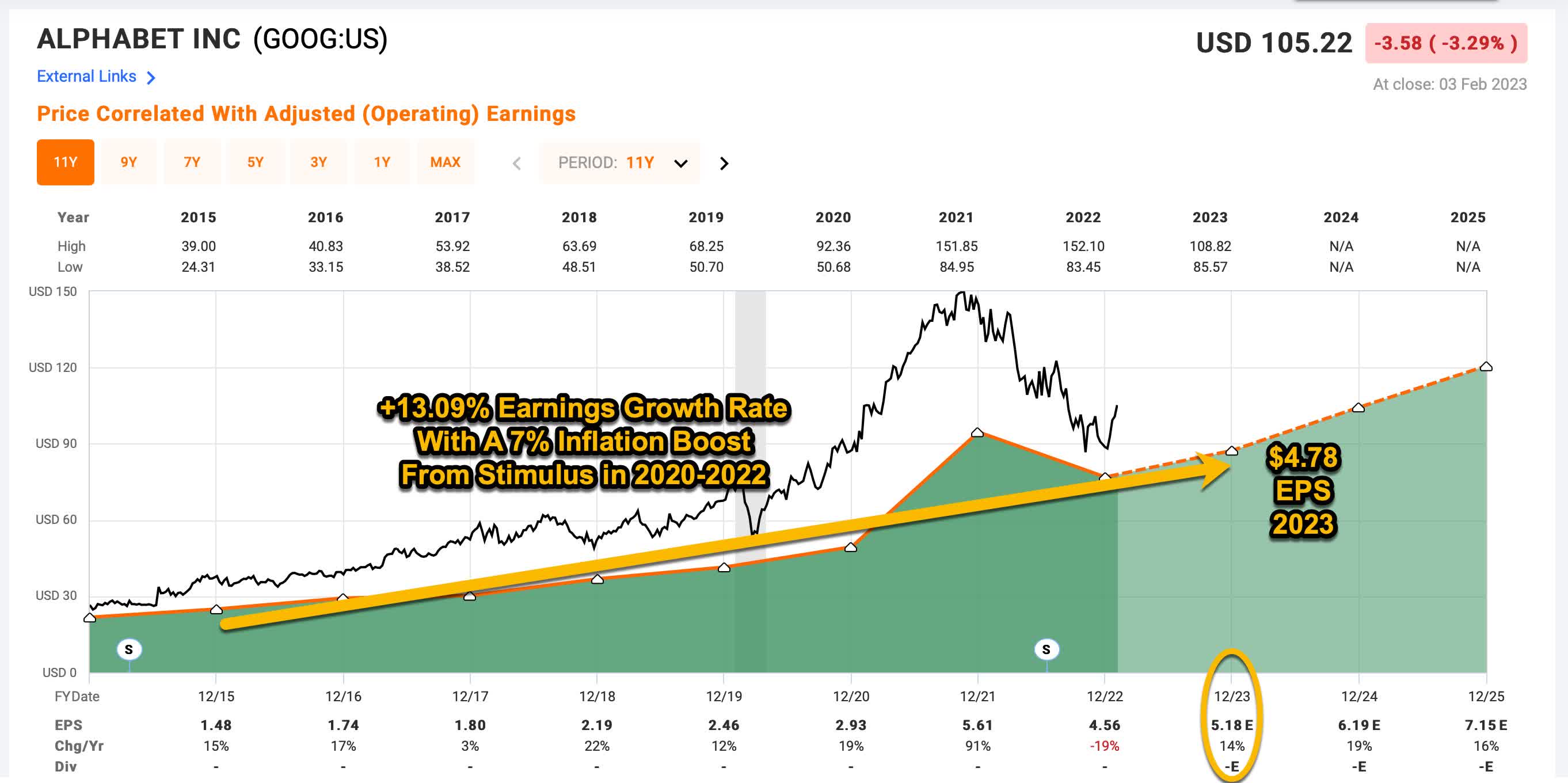
At the core of any stock’s valuation is the underlying company’s financial performance. Alphabet, as a publicly traded entity, releases quarterly earnings reports that detail its revenue, profits, and performance across its various segments.
- Advertising Dominance: Google Search and YouTube advertising continue to be Alphabet’s primary revenue engines. Growth or contraction in these segments, driven by digital advertising trends, advertiser spending, and user engagement, directly impacts profitability.
- Google Cloud Expansion: Google Cloud Platform (GCP) is a crucial growth vector, competing fiercely with Amazon Web Services (AWS) and Microsoft Azure. Its revenue growth, market share gains, and path to profitability are closely watched by investors.
- “Other Bets” Innovation: Alphabet’s “Other Bets” segment, while often unprofitable in the short term, houses innovative ventures like Waymo (autonomous driving) and Verily (life sciences). Their progress, breakthroughs, or strategic shifts can influence long-term growth expectations.
- Profitability and Margins: Beyond top-line revenue, investors scrutinize net income, operating margins, and free cash flow. Efficient cost management and healthy profit margins signal a robust business model.
Positive surprises in earnings, strong guidance for future quarters, or significant progress in high-growth segments typically send the stock price upward, while disappointments can lead to a decline.
Innovation and Future Growth Vectors
Alphabet’s commitment to innovation is a fundamental driver of its long-term value. The company consistently invests heavily in research and development, particularly in areas poised to redefine technology and human interaction.
- Artificial Intelligence (AI): Alphabet is at the forefront of AI development, integrating it across its products from search algorithms to Google Cloud services and Bard/Gemini. Its leadership and advancements in AI are seen as critical for future growth and competitive advantage.
- Quantum Computing: While still nascent, Alphabet’s efforts in quantum computing represent a potential paradigm shift in computational power, holding immense long-term promise.
- Hardware and Ecosystem Expansion: Products like Pixel phones, Nest smart home devices, and Fitbit wearables expand Google’s ecosystem and create new revenue streams, strengthening its hold on consumer data and engagement.
- New Market Penetration: Continued efforts to expand into emerging markets and develop new products and services tailored for diverse global audiences are key to sustaining growth.
Investor enthusiasm for these future-oriented projects often translates into a higher valuation, as the market prices in anticipated future earnings.
Macroeconomic Factors and Market Sentiment
No stock operates in a vacuum, and Alphabet is particularly susceptible to broader macroeconomic trends and overall market sentiment.
- Interest Rates: Higher interest rates can make future earnings less valuable in present terms (discounting), often putting downward pressure on growth stocks like Alphabet. They also increase borrowing costs for businesses.
- Inflation: Persistent inflation can increase operating costs for Alphabet, potentially eroding profit margins, though strong pricing power can mitigate this.
- Economic Growth: A robust global economy generally leads to increased digital advertising spending and cloud adoption, benefiting Alphabet. Conversely, economic slowdowns or recessions can curb these expenditures.
- Market Sentiment and Risk Appetite: Periods of high investor confidence and “risk-on” sentiment often see tech stocks perform well. During “risk-off” periods, when investors flock to safer assets, even fundamentally strong companies like Alphabet can see their share prices decline. Broader market downturns, such as those impacting the S&P 500 or Nasdaq, almost inevitably pull Alphabet’s stock with them.
Regulatory Scrutiny and Competitive Landscape
As a dominant player across multiple industries, Alphabet faces continuous scrutiny from regulators worldwide.
- Antitrust Concerns: Investigations and lawsuits related to anti-competitive practices in search, advertising technology, and app stores can result in substantial fines, forced business model changes, or even divestitures, creating uncertainty for investors.
- Data Privacy Regulations: Evolving data privacy laws (like GDPR and CCPA) require significant operational adjustments and can impact advertising revenue or data collection practices.
- Competitive Landscape: While dominant, Alphabet faces formidable competition from rivals like Microsoft (Azure, Bing), Amazon (AWS, advertising), Apple (iOS ecosystem), and Meta (social advertising). Any perceived loss of competitive edge or market share can affect investor confidence.
Negative regulatory outcomes or increased competitive pressures can introduce significant headwinds for Alphabet’s stock performance.
Navigating the Investment Landscape for Alphabet Shares
Deciding to invest in Alphabet is just the first step. Understanding how to execute that decision and integrate it into a broader financial strategy is equally important.
Steps to Purchasing GOOGL or GOOG
Investing in Alphabet stock is relatively straightforward for most individuals:
- Open a Brokerage Account: You’ll need an investment account with a reputable brokerage firm (e.g., Fidelity, Charles Schwab, E*TRADE, Vanguard, Robinhood). These platforms allow you to buy and sell stocks, ETFs, mutual funds, and other securities.
- Fund Your Account: Transfer money into your brokerage account from your bank account.
- Place an Order: Search for the ticker symbol (GOOGL or GOOG). You can choose between:
- Market Order: Buys or sells at the best available current price. This is quick but the price might fluctuate slightly from what you see.
- Limit Order: Specifies the maximum price you’re willing to pay to buy or the minimum price you’re willing to accept to sell. This gives you more control over the price but your order might not be filled immediately if the market doesn’t reach your specified price.
- Fractional Shares: Some brokerages allow you to buy fractional shares, meaning you can invest a specific dollar amount (e.g., $100) rather than having to buy a full share, which can be expensive for high-priced stocks like Alphabet.
Long-Term vs. Short-Term Investment Perspectives
Alphabet stock is generally viewed as a long-term growth investment.
- Long-Term: Investors typically buy Alphabet shares with the expectation of holding them for several years, benefiting from the company’s continued innovation, market leadership, and compounding growth. This approach focuses on the company’s fundamentals and rides out short-term market volatility.
- Short-Term: While day trading or short-term speculation on Alphabet stock is possible, its large size and relative stability (compared to micro-cap stocks) make it less attractive for quick, dramatic gains for most retail traders. Short-term trading carries significantly higher risk and often relies on technical analysis and timing the market, which is notoriously difficult.
For most individual investors, a long-term, buy-and-hold strategy aligns better with Alphabet’s profile as a stable, growing technology giant.
Diversification and Portfolio Strategy
While Alphabet is a compelling investment, it’s crucial to integrate it into a diversified investment portfolio.
- Avoid Concentration Risk: Putting all your investment capital into a single stock, no matter how strong, exposes you to significant concentration risk. If Alphabet were to face an unexpected setback, your entire portfolio would suffer.
- Balance Across Sectors: A well-diversified portfolio includes investments across different industries (e.g., tech, healthcare, finance, consumer goods, energy) and asset classes (stocks, bonds, real estate).
- Risk Tolerance: Your investment in Alphabet should align with your overall financial goals and risk tolerance. While it’s a blue-chip stock, all stock investments carry inherent risk.
Alphabet can be a cornerstone of a growth-oriented portfolio, but it should ideally be one component among many, ensuring a balanced approach to managing risk and maximizing long-term returns.
Assessing Alphabet’s Long-Term Investment Potential
Beyond its current price, investors must consider Alphabet’s potential for future growth, its financial resilience, and the inherent risks that accompany any investment.
Historical Performance and Growth Trajectory
Alphabet has a remarkable track record of growth since its IPO in 2004. Its stock has undergone multiple splits, making it accessible to a broader base of investors over time and reflecting its tremendous value appreciation. Analyzing its historical performance reveals a consistent ability to innovate, adapt, and expand its dominance across various digital landscapes. Past performance is not indicative of future results, but Alphabet’s history provides a strong foundation for understanding its growth potential. It shows a company that has successfully navigated technological shifts and economic cycles, consistently delivering shareholder value.
Analyst Ratings and Expert Outlooks
Institutional analysts from major investment banks and financial research firms constantly monitor Alphabet. They issue ratings (e.g., “Buy,” “Hold,” “Sell”), price targets, and detailed research reports based on their financial models, industry insights, and conversations with company management. While these ratings are not infallible, they can offer valuable perspectives and a summary of expert sentiment regarding the stock’s future prospects. A consensus “Buy” rating from a broad range of analysts often signals strong confidence in the company’s outlook. However, independent research and understanding the underlying rationale behind analyst ratings are crucial.
Understanding Valuation Metrics (P/E, PEG)
Looking solely at the share price provides an incomplete picture. Investors use various valuation metrics to determine if a stock is fairly valued, overvalued, or undervalued.
- Price-to-Earnings (P/E) Ratio: This divides the current share price by the company’s earnings per share. A high P/E ratio suggests investors expect high future growth, while a low P/E might indicate a mature company or one facing challenges. Comparing Alphabet’s P/E to its historical average and industry peers provides context.
- Price/Earnings to Growth (PEG) Ratio: This ratio takes the P/E ratio and divides it by the expected earnings growth rate. A PEG ratio around 1 typically suggests a stock is fairly valued given its growth. A PEG ratio significantly below 1 might indicate undervaluation, while one significantly above could suggest overvaluation.
- Free Cash Flow (FCF): This measures the cash a company generates after accounting for cash outflows to support operations and maintain its capital assets. Strong, consistent free cash flow indicates financial health and the ability to fund growth, pay down debt, or potentially return capital to shareholders.
These metrics offer a deeper insight into Alphabet’s financial health and its appeal relative to its price, helping investors make more informed decisions than just relying on the raw stock price.
Potential Risks and Challenges
No investment is without risk, and Alphabet faces several potential headwinds:
- Regulatory Clampdowns: Ongoing antitrust pressures globally remain a significant risk, potentially leading to fines or forced changes to its business model.
- Intense Competition: While dominant, competition in cloud, AI, and digital advertising is fierce, requiring continuous innovation and investment.
- Economic Downturns: As a major advertising platform, Alphabet’s revenue can be sensitive to economic slowdowns, which typically lead to reduced marketing budgets.
- Technological Disruption: The rapid pace of technological change means Alphabet must constantly innovate to avoid being disrupted itself. Emerging technologies or shifts in user behavior could pose challenges.
- Talent Acquisition and Retention: The battle for top tech talent is intense, and attracting and retaining the best engineers and researchers is crucial for Alphabet’s innovation pipeline.
Investors must weigh these risks against Alphabet’s strengths and growth prospects to make an informed decision that aligns with their personal investment philosophy and risk tolerance.
In conclusion, “how much is the Google stock” is a question that opens the door to a rich discussion about market dynamics, corporate strategy, and the intricacies of investing in one of the world’s leading technology companies. It’s not merely a numerical quote but a reflection of a powerful, innovative enterprise constantly shaping the digital future, while simultaneously navigating economic forces and regulatory complexities. For savvy investors, understanding these layers is paramount to making a sound financial decision.
aViewFromTheCave is a participant in the Amazon Services LLC Associates Program, an affiliate advertising program designed to provide a means for sites to earn advertising fees by advertising and linking to Amazon.com. Amazon, the Amazon logo, AmazonSupply, and the AmazonSupply logo are trademarks of Amazon.com, Inc. or its affiliates. As an Amazon Associate we earn affiliate commissions from qualifying purchases.