
When a consumer asks, “How much is a Build-A-Bear?”, the answer is rarely a single, static figure. From a personal finance and business perspective, Build-A-Bear Workshop represents a fascinating case study in experiential retail and tiered pricing strategies. What begins as a simple quest for a plush toy often evolves into a multi-layered financial transaction that combines product sales with service-based “edutainment.” Understanding the cost of a Build-A-Bear requires looking beyond the price tag on the “unstuffed” shell and examining the total cost of ownership, the psychological triggers of the upsell, and the long-term value of the investment.
Understanding the Base Cost: Beyond the Fur
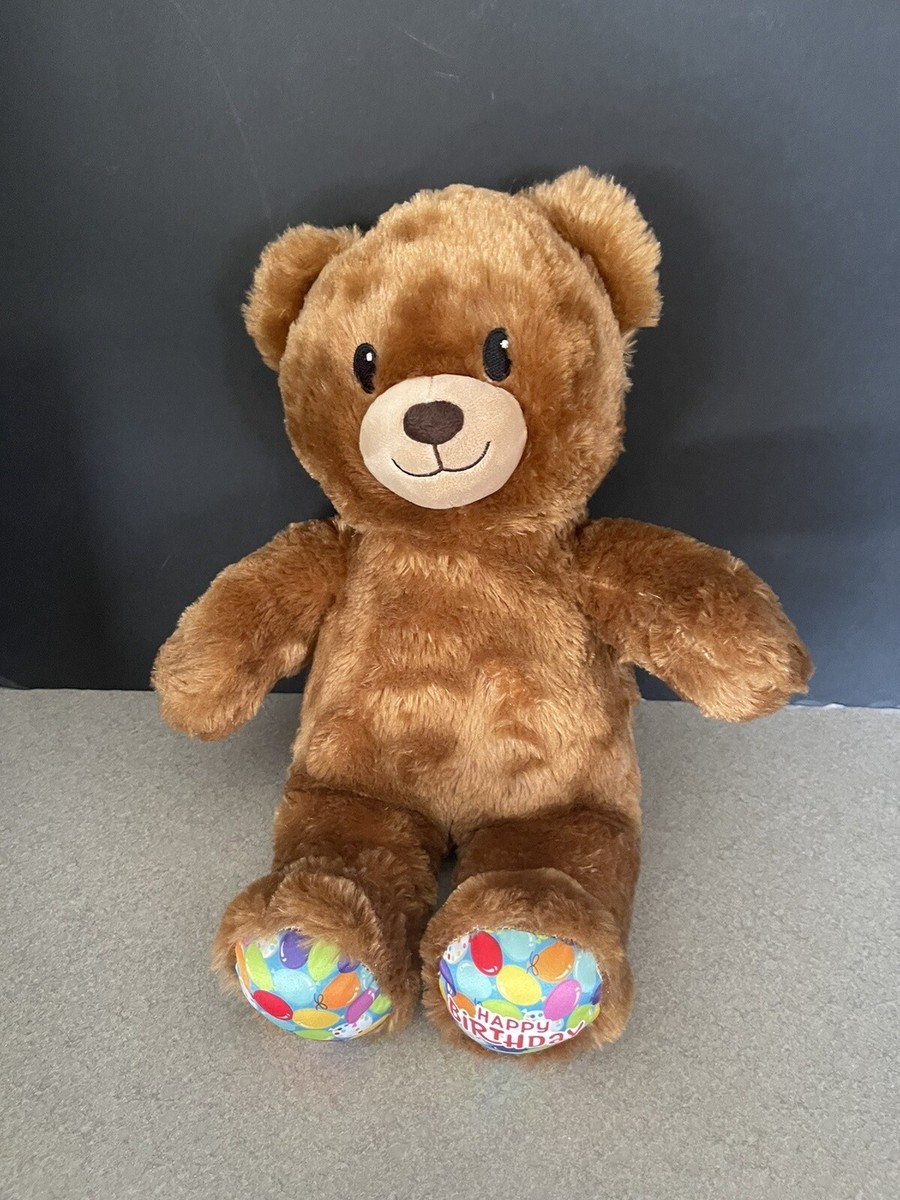
The primary factor in the total cost of a Build-A-Bear experience is the initial selection of the plush “skin” or shell. The company utilizes a tiered pricing strategy designed to capture various market segments, from the budget-conscious parent to the high-end collector.
Entry-Level Pricing vs. Premium Collections
At the lowest end of the spectrum, standard teddy bears and classic plush animals typically start between $14 and $20. These are often generic designs that serve as “entry-point” products, ensuring the brand remains accessible to a wider demographic. However, the price escalates significantly when moving into “Licensed Collections.”
Build-A-Bear has mastered the art of corporate partnerships, securing licenses for massive franchises like Disney, Star Wars, Marvel, and Pokémon. Because of the licensing fees associated with these brands, a “Pikachu” or a “Grogu” plush often starts at a base price of $30 to $40. For the consumer, this means a 50% to 100% premium is paid simply for the brand equity of the character before any customization even begins.
Regional Price Variations and Inflationary Impacts
Like any global retailer, Build-A-Bear is subject to geographical economic shifts. Prices in high-rent urban flagship stores (such as those in New York City or London) may be slightly higher than those in suburban shopping malls. Furthermore, in the post-pandemic economy, supply chain constraints and the rising cost of raw materials—specifically polyester and plush fabrics—have led to incremental price increases across the board.
From a personal finance perspective, it is important to note that the “base price” advertised is often the “unstuffed” price. While the stuffing process itself is included in the base cost, the reality is that the base price is merely the foundation of a much larger financial commitment.
The Upsell Economy: Decoding the Build-A-Bear Business Model
Build-A-Bear Workshop is a masterclass in the “add-on” business model. In retail psychology, this is known as the “Endowment Effect.” Because the customer—often a child—participates in the creation of the product, they develop a higher perceived value and emotional attachment to it, making them (and their parents) more susceptible to purchasing accessories.
The Psychology of Customization and “Add-on” Expenses
The “Build-A-Bear Experience” is meticulously designed to offer multiple decision points, each of which carries a financial implication. Once a bear is chosen and stuffed, the consumer is presented with “extras”:
- Scent Chips: For an additional $4 to $6, a scent disc can be placed inside the bear.
- Sound Modules: Pre-recorded sounds or custom “Build-A-Sound” recordings add $5 to $10 to the total.
- Heart Beats: A vibrating “heart” insert adds approximately $6.
While these individual costs seem negligible, they can easily increase the base price of the bear by 50% before the customer even leaves the stuffing station. From a business finance standpoint, these add-ons carry significantly higher profit margins than the plush shells themselves, serving as the primary drivers of the company’s bottom-line growth.
Outfitting Costs: Clothing and Accessories Pricing
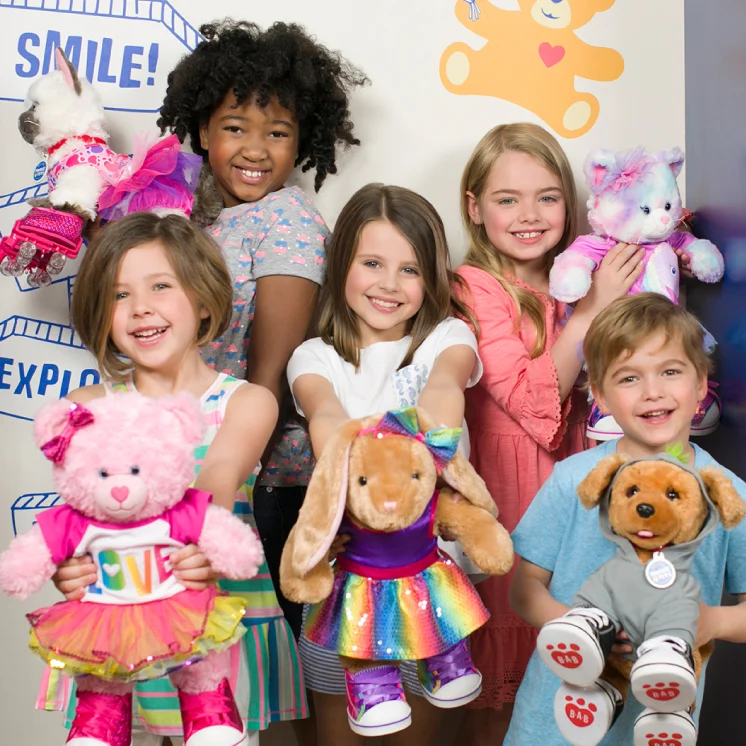
The most significant “hidden” cost of a Build-A-Bear is the clothing. The brand operates on a model similar to the “razor and blade” strategy—once you own the bear (the razor), you are compelled to buy the outfits (the blades). A standard outfit—consisting of a shirt and pants—typically costs between $12 and $18. Specialty costumes, such as a full Cinderella gown or a Jedi robe, can exceed $25.
When you add footwear ($8–$10), glasses ($5), or handheld accessories ($5–$8), the total cost of a fully outfitted bear often reaches $70 to $100. For a family with multiple children, a single trip to the workshop can quickly become a $200+ line item in the monthly budget.
Strategic Spending: Promotions, Membership, and the “Pay Your Age” Phenomenon
For the savvy consumer, there are ways to navigate the Build-A-Bear ecosystem without overextending a personal budget. The company utilizes several promotional tools that, if used correctly, provide significant financial relief.
Maximizing Value through the Bonus Club and Rewards
Build-A-Bear’s “Bonus Club” is a loyalty program that functions as a critical tool for repeat business. For every $1 spent, members earn points that eventually convert into $10 rewards certificates. From a financial planning perspective, joining such a program is essential for anyone who anticipates visiting the store more than once a year. Additionally, members often receive “early access” to sales and birthday rewards, which can slash the cost of a premium bear by 30% or more.
The Impact of Loss-Leader Events on Brand Revenue
One of the most famous (and at times controversial) marketing moves in retail history was the “Pay Your Age” day. On this day, a child could receive a bear for the price of their age in dollars. While this appeared to be a massive financial loss for the company, it served as a “loss-leader.”
The goal was customer acquisition and data collection. Thousands of families who had never stepped foot in a Build-A-Bear joined the loyalty program to qualify for the deal. Even though the company lost money on the base bear, the sheer volume of “add-on” sales (outfits and sounds) and the long-term value of the customer data collected made it a strategic financial success. For the consumer, these events represent the absolute lowest price point possible, provided they are willing to trade their time (waiting in lines) for financial savings.
Is it a Sound Financial Choice? Evaluating Long-Term Value and Resale Markets
When analyzing the “cost” of a Build-A-Bear, one must also consider the residual value. Is a $75 custom plush toy a wasting asset, or does it hold value in the secondary market?
Collectibility and the Secondary Market (eBay and Beyond)
Most standard Build-A-Bears do not appreciate in value; in fact, they typically lose 70% to 90% of their retail value once they leave the store. However, certain “Vaulted” or limited-edition collaborations can become legitimate financial assets. For example, early collaborations with brands like Hello Kitty or limited-run Star Wars characters have been known to sell on platforms like eBay or Mercari for double or triple their original retail price.
Investors in “plush assets” look for “New With Tags” (NWT) status and bears that were part of a short production run. For the average family, however, the “value” remains purely sentimental, and the purchase should be viewed as discretionary entertainment spending rather than an investment.
Comparing Costs: DIY Plush vs. Pre-made Alternatives
From a comparative finance perspective, how does Build-A-Bear stack up against competitors? A high-quality pre-made plush from a brand like Gund or Jellycat might cost $25 to $40. While the physical product is comparable in quality, Build-A-Bear’s premium price is justified by the “experience.”
If you view the purchase through the lens of a “service + product” bundle, the $60–$80 price tag is comparable to taking a child to a movie theater with snacks or a minor-league baseball game. The financial “value” is found in the duration of the experience and the longevity of the physical memento, which often lasts years longer than a digital entertainment experience.

Conclusion: Budgeting for the Experience
So, how much is a Build-A-Bear? Economically speaking, the “floor” is roughly $15, but the “ceiling” can easily exceed $120 for a single character with all the bells and whistles. For a household managing a strict budget, the key is to set a “Total Cost of Trip” limit before entering the store.
By understanding that the base price is only the beginning of a sophisticated sales funnel, consumers can make informed decisions. Whether viewed as a high-margin retail success story or a cherished childhood milestone, Build-A-Bear remains a unique intersection of brand loyalty, psychological marketing, and tiered consumer spending. To get the most financial value, one should lean into loyalty programs, avoid the high-markup “sound and scent” add-ons, and focus on the core experience of creation—which, for many, is the only part of the price tag that truly pays dividends in the form of lasting memories.
aViewFromTheCave is a participant in the Amazon Services LLC Associates Program, an affiliate advertising program designed to provide a means for sites to earn advertising fees by advertising and linking to Amazon.com. Amazon, the Amazon logo, AmazonSupply, and the AmazonSupply logo are trademarks of Amazon.com, Inc. or its affiliates. As an Amazon Associate we earn affiliate commissions from qualifying purchases.