
Navigating the landscape of medical insurance costs can feel like deciphering a complex financial puzzle. The concept of an “average” medical insurance premium is multifaceted, influenced by a myriad of personal, geographical, and policy-specific factors. Understanding these variables is crucial for making informed financial decisions about your healthcare coverage. This article delves into the various components that contribute to the overall cost of medical insurance, helping individuals and families get a clearer picture of what they can expect to pay and how to manage these expenses effectively.
Understanding the Landscape of Medical Insurance Costs
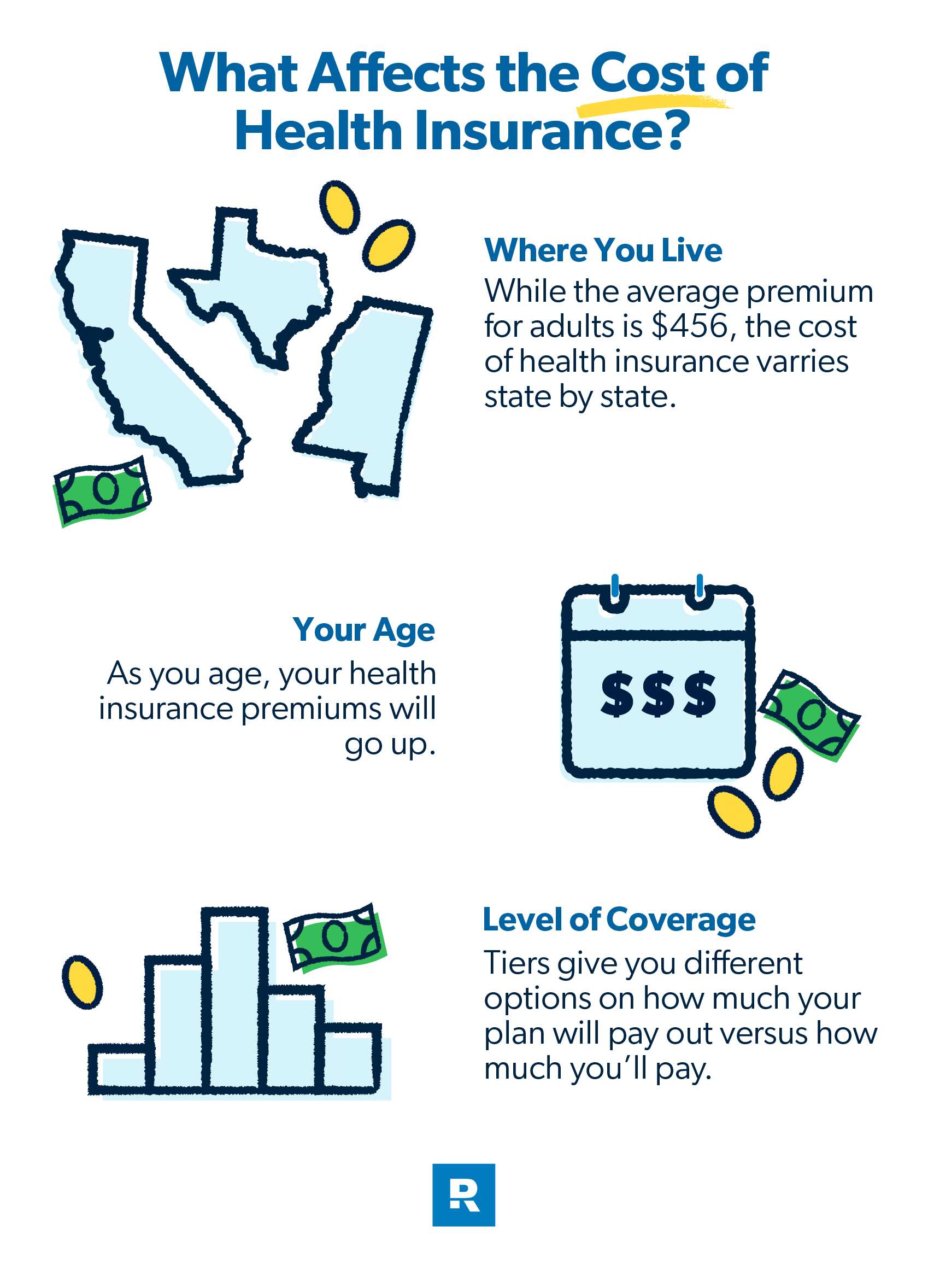
The “average” cost of medical insurance is not a static figure; it’s a dynamic benchmark that fluctuates based on numerous parameters. At its core, medical insurance is a financial product designed to protect you from the potentially catastrophic costs of healthcare. In exchange for regular premium payments, the insurer covers a portion of your medical expenses, ranging from routine check-ups to major surgeries and hospital stays. However, the exact premium you pay depends heavily on factors such as your age, geographic location, chosen plan type, the level of coverage, and whether the plan is for an individual or a family.
Different types of insurance plans offer varying levels of flexibility and cost structures. Health Maintenance Organizations (HMOs) typically have lower premiums but restrict choice to a network of providers, often requiring a primary care physician referral for specialists. Preferred Provider Organizations (PPOs) offer more flexibility, allowing members to see out-of-network providers for a higher cost, and usually come with higher premiums. Exclusive Provider Organizations (EPOs) are similar to PPOs but do not cover out-of-network care except in emergencies. Point of Service (POS) plans blend features of HMOs and PPOs. High Deductible Health Plans (HDHPs) typically have the lowest premiums but require you to pay a significant amount out-of-pocket before coverage kicks in, often making them suitable for those who are healthy and can afford the high deductible. Each of these plan types has a unique impact on both your monthly premium and your total out-of-pocket expenses.
Deconstructing the “Average” Cost: What the Numbers Really Mean
When discussing the average cost of medical insurance, it’s essential to break down the aggregate numbers into their contributing elements. The national average can be misleading without considering the specific context of individual and family plans, employer-sponsored versus marketplace options, and the structural differences between plan tiers.
Individual vs. Family Plans
One of the most significant differentiators in insurance cost is whether the plan covers an individual or an entire family. Individual plans, as the name suggests, cover a single person. Family plans, which cover a policyholder and at least one other family member (spouse, child, or both), are substantially more expensive. The cost increase for adding family members is not always linear; adding a second person might not double the premium, but each additional dependent typically increases the overall cost. For example, a single adult might pay one average premium, while a family of four could pay two to three times that amount, depending on the ages of the dependents.
Employer-Sponsored vs. Marketplace Plans
The source of your insurance coverage also plays a critical role in your out-of-pocket premium. Employer-sponsored plans, offered through workplaces, are often more affordable because employers typically subsidize a significant portion of the premium. This employer contribution can reduce the employee’s premium share by 70% or more, making these plans highly attractive.
Conversely, plans purchased through the Affordable Care Act (ACA) marketplace (also known as exchanges) often require individuals to pay the full premium themselves, unless they qualify for subsidies. The ACA marketplace offers financial assistance in the form of Premium Tax Credits and Cost-Sharing Reductions. Premium Tax Credits lower your monthly premium, while Cost-Sharing Reductions reduce your out-of-pocket costs like deductibles, copayments, and coinsurance. Eligibility for these subsidies is based on household income and family size, with those earning between 100% and 400% of the federal poverty level typically qualifying for assistance. For many individuals and families, these subsidies are crucial in making marketplace plans affordable.
Metal Tiers (Bronze, Silver, Gold, Platinum)
ACA marketplace plans are categorized into “metal tiers” (Bronze, Silver, Gold, and Platinum), which signify the actuarial value of the plan—the average percentage of healthcare costs the plan is expected to cover. This directly impacts the premium and your out-of-pocket costs:
- Bronze plans have the lowest monthly premiums but the highest deductibles and out-of-pocket maximums. They cover approximately 60% of healthcare costs, making them suitable for those who anticipate needing minimal medical care or want protection against catastrophic events.
- Silver plans have moderate premiums and moderate deductibles. They cover about 70% of healthcare costs. Silver plans are particularly notable because they are the only plans eligible for Cost-Sharing Reductions, making them a popular choice for lower-income individuals.
- Gold plans have higher monthly premiums but lower deductibles and out-of-pocket maximums, covering around 80% of costs. These are ideal for those who expect to use a fair amount of medical services.
- Platinum plans have the highest monthly premiums but the lowest deductibles and out-of-pocket costs, covering approximately 90% of expenses. They are best for individuals who anticipate significant healthcare needs and want predictable costs.
The average premium for each tier varies significantly, reflecting the trade-off between upfront monthly payments and potential out-of-pocket expenses.
Geographic Variations
Medical insurance costs are also heavily influenced by where you live. State-specific regulations, the competitiveness of the local insurance market, the general health of the population, and the cost of healthcare services in a particular region all contribute to varying premium rates. Urban areas might have more competition and provider options, potentially leading to different pricing structures than rural areas.
Age and Health Status
While the ACA limits how much insurers can vary premiums based on health status (they cannot deny coverage or charge more for pre-existing conditions), age is still a significant factor. Older individuals generally pay higher premiums than younger individuals, with rates potentially being three times higher for older adults compared to younger ones, as permitted by federal law. Lifestyle choices and health status indirectly impact costs through the choice of plan (e.g., someone with chronic conditions might opt for a Gold or Platinum plan to minimize out-of-pocket costs, despite higher premiums).
Key Components of Your Insurance Bill Beyond the Premium
Understanding the “average” medical insurance cost extends beyond just the monthly premium. Several other financial components contribute to your total healthcare spending throughout the year. Ignoring these can lead to an incomplete and potentially misleading picture of your financial responsibility.
Deductibles
A deductible is the amount you must pay out-of-pocket for covered medical services before your insurance plan starts to pay. For example, if your plan has a $5,000 deductible, you are responsible for the first $5,000 of covered medical expenses each year. Once you meet your deductible, your insurance begins to cover a portion of subsequent costs, though you might still pay copayments or coinsurance. Plans with lower monthly premiums often come with higher deductibles, and vice versa. It’s crucial to consider whether you can afford to pay your deductible if an unexpected medical event occurs.

Copayments and Coinsurance
Even after your deductible is met, you’ll typically share the cost of care with your insurer through copayments or coinsurance:
- Copayment (Copay): A fixed amount you pay for a covered healthcare service, often at the time of service. For example, you might pay a $30 copay for a doctor’s visit or a $15 copay for a prescription drug, regardless of the total cost. Copays usually do not count towards your deductible but do count towards your out-of-pocket maximum.
- Coinsurance: A percentage of the cost of a covered healthcare service you pay after you’ve met your deductible. For instance, if your plan has an 80/20 coinsurance, it means your plan pays 80% of the cost, and you pay the remaining 20%. If an MRI costs $1,000 after your deductible is met, and you have 20% coinsurance, you’d pay $200.
These cost-sharing mechanisms mean that even with insurance, you are responsible for a portion of your medical bills until you hit your out-of-pocket maximum.
Out-of-Pocket Maximums
The out-of-pocket maximum (or out-of-pocket limit) is a critical financial protection. It is the most you will have to pay for covered medical expenses in a policy year. Once you reach this limit, your insurance plan pays 100% of the cost of covered benefits for the remainder of the year. This maximum includes your deductible, copayments, and coinsurance payments. It does not typically include your monthly premiums, or costs for services not covered by your plan. This cap provides a ceiling on your financial exposure, preventing potentially ruinous medical bills in the event of severe illness or injury.
Beyond these core components, it’s also important to factor in potential costs for services often not fully integrated into standard medical plans, such as dental care, vision care, and certain mental health services, which might require separate supplemental insurance or come with specific limits. Prescription drug coverage also varies widely between plans, impacting your overall healthcare budget.
Strategies for Managing and Reducing Medical Insurance Expenses
Given the complexities and varying costs of medical insurance, proactive financial planning is essential. Several strategies can help individuals and families manage and potentially reduce their healthcare expenditures.
Comparing Plans Effectively
The first step in managing costs is to thoroughly compare available plans. Don’t just look at the premium; consider the entire cost structure, including deductibles, copayments, coinsurance, and out-of-pocket maximums. Estimate your annual healthcare usage:
- Do you have chronic conditions requiring frequent doctor visits or specialized care? A plan with a higher premium but lower out-of-pocket costs (like Gold or Platinum) might save you money in the long run.
- Are you generally healthy and rarely visit the doctor? A Bronze or HDHP plan with lower premiums might be more economical, provided you have emergency savings to cover the high deductible if needed.
Use online comparison tools, often provided by insurance marketplaces or brokers, to model different scenarios based on your anticipated needs.
Leveraging Employer Contributions
If your employer offers health insurance, take full advantage of their contributions. Employer-sponsored plans typically offer the most cost-effective coverage due to the employer paying a significant portion of the premium. Many employers also offer a choice of plans (e.g., HMO, PPO, HDHP), allowing you to select the best fit for your financial situation and healthcare needs.
Exploring Subsidies and Tax Credits
For those purchasing insurance through the ACA marketplace, checking eligibility for Premium Tax Credits and Cost-Sharing Reductions is paramount. These subsidies can significantly reduce your monthly premium and lower your out-of-pocket expenses. Income limits and eligibility criteria are updated annually, so it’s always worth verifying your qualification during the open enrollment period or if your income changes.
Health Savings Accounts (HSAs) and Flexible Spending Accounts (FSAs)
For individuals enrolled in an HDHP, a Health Savings Account (HSA) is an invaluable financial tool. HSAs offer a triple tax advantage: contributions are tax-deductible, earnings grow tax-free, and withdrawals for qualified medical expenses are tax-free. Funds in an HSA roll over year to year and are portable if you change jobs, making them excellent long-term savings vehicles for healthcare costs.
Flexible Spending Accounts (FSAs) are offered through employers and allow you to set aside pre-tax money for healthcare expenses. While FSA funds typically have a “use-it-or-lose-it” rule (though some plans offer a grace period or allow a limited rollover), they can provide significant tax savings for predictable medical costs like copays, deductibles, and prescription drugs.
Negotiating Medical Bills
Even with insurance, you may encounter large medical bills. Don’t hesitate to negotiate. Hospitals and providers are often willing to offer discounts for prompt payment, cash payments, or if you can demonstrate financial hardship. Review your bills carefully for errors and challenge any charges you don’t understand or believe are incorrect.
Preventive Care and Wellness Programs
Investing in preventive care, such as annual check-ups, screenings, and vaccinations, is crucial for long-term health and can prevent more costly medical issues down the line. Many insurance plans cover preventive services at 100% with no copay or deductible. Additionally, many employers and insurance providers offer wellness programs that may provide incentives, discounts, or resources to help you maintain a healthy lifestyle, which can indirectly reduce future healthcare costs.

Future Outlook and the Evolving Cost Landscape
The cost of medical insurance is not static; it’s continuously influenced by broader economic factors, technological advancements in medicine, and shifts in healthcare policy. Inflation, rising pharmaceutical costs, and the increasing demand for specialized care all contribute to upward pressure on premiums. Legislative changes, whether at the federal or state level, can introduce new mandates or alter subsidy structures, directly impacting affordability and accessibility. As healthcare evolves, so too will the financial models underpinning insurance. Staying informed about these trends and regularly reviewing your coverage options is crucial for maintaining financial health in the face of ever-changing healthcare expenses. Proactive financial planning, combined with a clear understanding of your medical insurance benefits, remains the best defense against unexpected healthcare costs.
aViewFromTheCave is a participant in the Amazon Services LLC Associates Program, an affiliate advertising program designed to provide a means for sites to earn advertising fees by advertising and linking to Amazon.com. Amazon, the Amazon logo, AmazonSupply, and the AmazonSupply logo are trademarks of Amazon.com, Inc. or its affiliates. As an Amazon Associate we earn affiliate commissions from qualifying purchases.