
Navigating the landscape of health insurance costs can feel like deciphering a complex financial puzzle. The “average” health insurance premium is not a static figure; instead, it’s a dynamic number influenced by a multitude of variables that fluctuate based on individual circumstances, market conditions, and policy choices. Understanding these underlying factors is crucial for anyone seeking to make informed decisions about their healthcare coverage and personal finances. For many, health insurance represents one of the most significant recurring expenses, directly impacting their budget and overall financial security.
Understanding the Factors Influencing Health Insurance Costs
The sticker price of a health insurance plan, often referred to as the premium, is just one piece of the puzzle. Several key elements converge to determine what an individual or family will pay, not only each month but also out-of-pocket when medical services are rendered.
Plan Type: HMO, PPO, POS, HDHP
The type of health insurance plan selected plays a monumental role in both premiums and how care is accessed.
- HMO (Health Maintenance Organization): Typically offers lower premiums in exchange for less flexibility. Members usually must choose a primary care provider (PCP) within the network and obtain referrals for specialists.
- PPO (Preferred Provider Organization): Generally more flexible, allowing members to see out-of-network providers (though at a higher cost) without a referral. This flexibility often comes with higher premiums.
- POS (Point of Service): A hybrid of HMO and PPO, offering lower costs for in-network care but allowing out-of-network care at a higher price, often requiring referrals for specialists even within the network.
- HDHP (High-Deductible Health Plan): Characterized by lower monthly premiums and higher deductibles. These plans are often paired with Health Savings Accounts (HSAs), offering tax advantages for saving and paying for medical expenses.
Each plan type caters to different needs and financial capacities, directly influencing the average cost. A lower premium often means higher out-of-pocket costs when care is needed, and vice-versa.
Deductibles, Copays, and Coinsurance
Beyond the monthly premium, these three terms represent the out-of-pocket expenses individuals pay for medical services:
- Deductible: The amount an individual must pay for covered healthcare services before their insurance plan starts to pay. Plans with lower deductibles typically have higher premiums.
- Copay: A fixed amount an individual pays for a covered healthcare service after they’ve met their deductible. For example, a $30 copay for a doctor’s visit. Some plans have copays that apply even before the deductible is met for certain services.
- Coinsurance: The percentage of costs an individual pays for a covered healthcare service after they’ve met their deductible. For example, if a plan has 20% coinsurance, the individual pays 20% of the bill, and the insurance company pays 80%.
The interplay of these factors means that a plan with a “low average premium” might have a very high deductible, leading to significant initial out-of-pocket costs before insurance coverage truly kicks in.
Age and Location
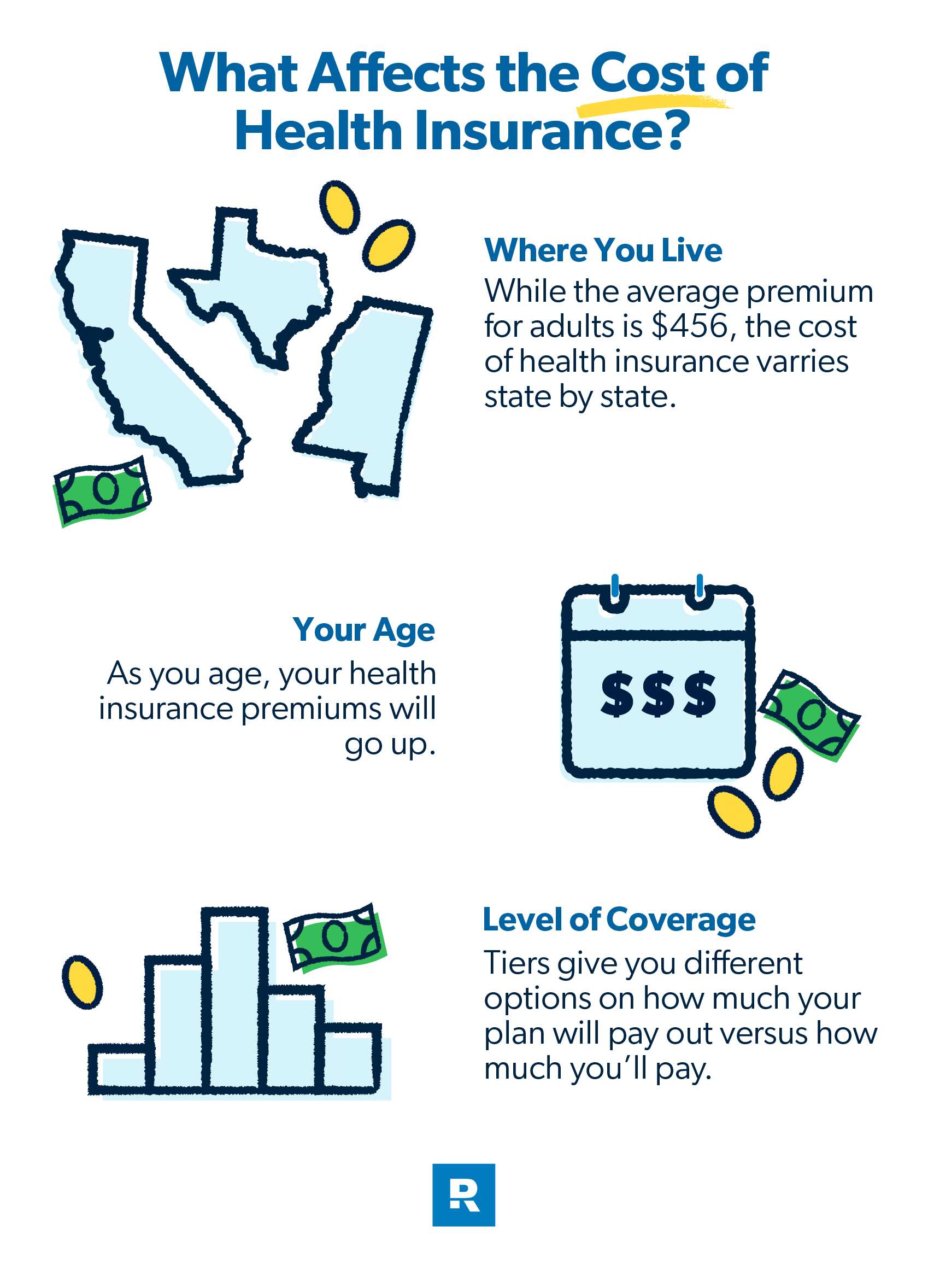
These demographic factors significantly impact insurance premiums. Older individuals generally face higher premiums due to a statistically higher likelihood of needing medical care. The Affordable Care Act (ACA) allows insurers to charge older adults up to three times more than younger adults. Location also plays a critical role; healthcare costs, provider availability, and state-specific regulations vary widely. Urban areas with higher costs of living and more advanced medical facilities often see higher average premiums than rural areas. State regulations also dictate what insurers can charge and what benefits they must cover.
Family Size and Health Status
A single person will naturally pay less than a family of three or more. Premiums typically increase with each additional family member covered. While the ACA prohibits insurers from denying coverage or charging more based on pre-existing conditions, an individual’s general health status (or perceived risk based on age and lifestyle factors like smoking) can indirectly influence the available plan options and, consequently, the chosen premium level. For example, smokers can be charged up to 50% more than non-smokers in some markets.
Government Subsidies and Tax Credits
Many individuals do not pay the full “sticker price” for their health insurance due to government assistance. The ACA marketplace offers premium tax credits (subsidies) that lower monthly premiums for eligible individuals and families based on their income relative to the federal poverty level. These subsidies are crucial for making health insurance affordable for millions, effectively reducing their “average” out-of-pocket premium cost. Without accounting for these, any average premium figure would be misleading for a significant portion of the insured population.
Average Costs Across Different Marketplaces
The “average” cost of health insurance varies dramatically depending on where the coverage is obtained. Different marketplaces serve different demographics and come with their own unique pricing structures.
Employer-Sponsored Health Plans
The majority of Americans receive health insurance through their employers. For 2023, the average annual premium for employer-sponsored health insurance was approximately $8,435 for single coverage and $23,968 for family coverage. However, employees typically pay only a portion of these costs, with employers subsidizing the rest. On average, employees paid about 17% of the premium for single coverage and 28% for family coverage. This employer contribution significantly reduces the employee’s average out-of-pocket premium.
Affordable Care Act (ACA) Marketplace Plans
For those who do not have access to employer-sponsored insurance, the ACA marketplace (HealthCare.gov or state exchanges) is a primary source. In 2023, the average benchmark plan (Silver plan for a 40-year-old before subsidies) cost about $477 per month for an individual. However, thanks to the enhanced premium tax credits available through the Inflation Reduction Act, many enrollees pay significantly less. The average premium paid by subsidized enrollees in 2023 was as low as $10 to $100 per month, depending on income and location. This highlights how government assistance dramatically alters the “average” cost for consumers.
Private Off-Exchange Plans
Some individuals purchase health insurance directly from an insurer, outside of the ACA marketplace. These plans are typically chosen by those who do not qualify for ACA subsidies or prefer a wider range of options not available on the exchanges. Premiums for off-exchange plans can vary widely, often mirroring the rates seen on the ACA marketplace but without the potential for subsidies. Short-term health insurance plans, while offering much lower premiums, provide limited benefits and are not considered comprehensive coverage, often excluding pre-existing conditions.

Medicare and Medicaid Considerations
While not typically included in the “average health insurance” discussion for the general working-age population, Medicare and Medicaid represent significant segments of the healthcare landscape for specific demographics. Medicaid provides low-cost or free health coverage to low-income individuals and families. Medicare, for individuals aged 65 and older or those with certain disabilities, has its own premium structure for Parts A, B, C, and D, which also vary based on income and enrollment choices. These programs underscore the multifaceted nature of healthcare financing.
Strategies for Reducing Your Health Insurance Premiums
Minimizing health insurance costs requires a proactive approach, combining careful plan selection with an understanding of available financial aid.
Choosing the Right Plan Tier (Bronze, Silver, Gold, Platinum)
ACA marketplace plans are categorized into metal tiers, each indicating a different split of costs between the insurer and the enrollee:
- Bronze plans: Lowest premiums, highest deductibles, and out-of-pocket costs. Covers about 60% of costs on average.
- Silver plans: Moderate premiums and deductibles. Covers about 70% of costs on average. These are the only plans eligible for cost-sharing reductions, which lower out-of-pocket maximums and deductibles for eligible individuals.
- Gold plans: Higher premiums, lower deductibles, and out-of-pocket costs. Covers about 80% of costs on average.
- Platinum plans: Highest premiums, lowest deductibles, and out-of-pocket costs. Covers about 90% of costs on average.
Choosing a lower-tier plan (e.g., Bronze or Silver with subsidies) can significantly reduce monthly premiums, but it’s essential to consider potential out-of-pocket expenses if frequent medical care is anticipated.
Leveraging HSAs and FSAs with High-Deductible Plans
High-Deductible Health Plans (HDHPs) often have lower premiums. When paired with a Health Savings Account (HSA), they offer a powerful financial tool. Contributions to an HSA are tax-deductible, funds grow tax-free, and withdrawals for qualified medical expenses are tax-free. Flexible Spending Accounts (FSAs), offered through employers, allow pre-tax contributions for healthcare expenses, though funds usually expire at year-end. Utilizing these accounts can offset the higher out-of-pocket costs associated with HDHPs, effectively reducing the net cost of healthcare.
Exploring Government Subsidies and Tax Credits
It is crucial to apply for health insurance through the official ACA marketplace to determine eligibility for premium tax credits and cost-sharing reductions. Even individuals with moderate incomes may qualify for assistance that can dramatically lower their monthly premiums and out-of-pocket expenses, rendering the “average” premium much more affordable for them.
Comparing Plans Annually
Health insurance plans, prices, and personal needs change every year. During the open enrollment period, it is highly advisable to review current coverage, compare it with new options, and reassess personal healthcare needs. A plan that was optimal one year may not be the most cost-effective or suitable the next. Competitive pricing and changes in provider networks necessitate an annual comparison.
Maintaining a Healthy Lifestyle
While not a direct reduction in current premiums for most private plans (except for tobacco use), investing in a healthy lifestyle can indirectly reduce overall healthcare costs. Fewer doctor visits, fewer prescriptions, and a lower likelihood of developing chronic conditions can mean less reliance on high-cost medical services, thereby keeping annual out-of-pocket expenses lower even with a higher deductible plan.
Beyond Premiums: The Total Cost of Healthcare
Focusing solely on the monthly premium provides an incomplete picture of health insurance costs. The true financial impact of a health plan extends to all out-of-pocket expenses incurred throughout the year.
Out-of-Pocket Maximums
Every ACA-compliant plan, and most employer-sponsored plans, include an out-of-pocket maximum. This is the most an individual or family will have to pay for covered services in a plan year. Once this limit is reached, the insurance company pays 100% of all covered healthcare costs for the remainder of the year. Understanding this maximum is critical for budgeting for potential catastrophic health events, as it caps financial liability.
Prescription Drug Costs
Prescription medications can represent a significant portion of healthcare spending. Plans vary widely in their coverage of prescription drugs, including formularies (lists of covered drugs), copays, and deductibles specific to prescriptions. Reviewing a plan’s drug formulary and tiered pricing for medications is essential, especially for those with ongoing prescription needs.
Unexpected Medical Emergencies
Even healthy individuals can face unexpected medical emergencies. The average cost of an emergency room visit without insurance can be thousands of dollars. Having adequate health insurance, even a high-deductible plan, provides crucial financial protection against these unforeseen and potentially bankrupting events. The “average” premium becomes a small price to pay for this peace of mind.

Value vs. Price: Weighing Benefits Against Premiums
Ultimately, the best health insurance plan isn’t necessarily the one with the lowest premium. It’s the one that offers the best value for an individual’s or family’s specific health needs and financial situation. A slightly higher premium might lead to lower deductibles and copays, resulting in lower overall out-of-pocket costs if frequent medical care is anticipated. Conversely, a healthy individual with robust savings might benefit from a lower-premium, high-deductible plan combined with an HSA. The average health insurance cost, therefore, is highly personal and requires a careful financial calculation balancing monthly outlay with potential future expenses.
aViewFromTheCave is a participant in the Amazon Services LLC Associates Program, an affiliate advertising program designed to provide a means for sites to earn advertising fees by advertising and linking to Amazon.com. Amazon, the Amazon logo, AmazonSupply, and the AmazonSupply logo are trademarks of Amazon.com, Inc. or its affiliates. As an Amazon Associate we earn affiliate commissions from qualifying purchases.