
For millions of investors around the globe, “how much is Amazon stock?” is more than just a search query—it is a barometer for the health of the broader tech economy and a starting point for building a long-term investment portfolio. Amazon (NASDAQ: AMZN) has evolved from a humble online bookstore into a global behemoth spanning e-commerce, cloud computing, digital advertising, and artificial intelligence.
However, understanding the “cost” of a share involves much more than looking at a ticker symbol’s current price. It requires a deep dive into market capitalization, historical performance, and the underlying financial engines that drive valuation. In this guide, we will analyze the components that dictate Amazon’s stock price and provide a framework for evaluating its worth as a financial asset.
Understanding Amazon’s Market Valuation: More Than Just a Price Tag
When an investor asks about the price of Amazon stock, they are often looking at the nominal share price—the amount required to buy a single unit of ownership. However, in the world of professional finance, the “price” of the stock is only one part of the equation. To truly understand what you are paying for, you must look at the company’s market capitalization and its share structure.
The Impact of the 20-for-1 Stock Split
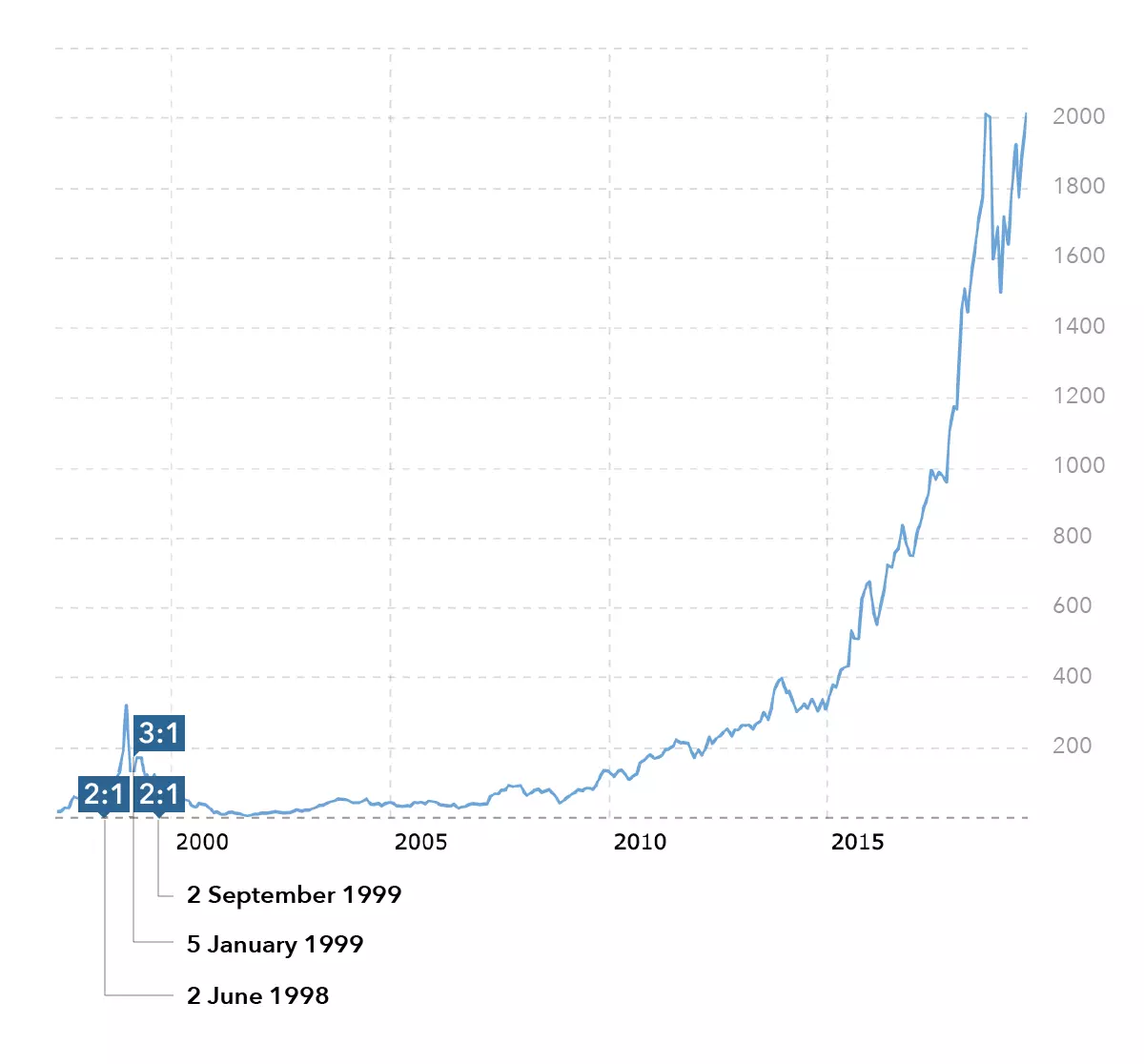
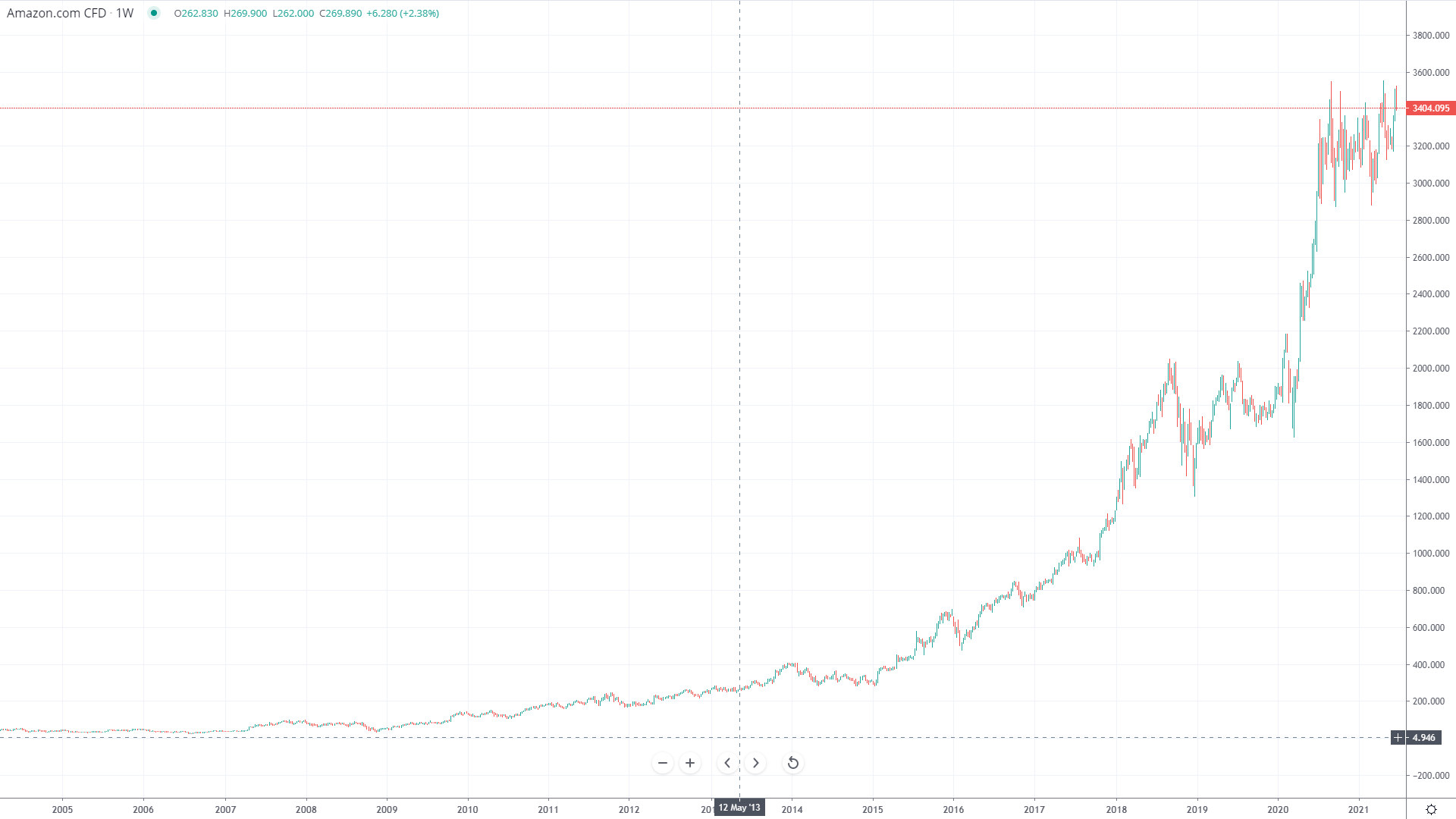
Historically, Amazon’s share price was famously high, often trading at over $3,000 per share. This made it difficult for retail investors with limited capital to purchase full shares. In June 2022, Amazon executed a 20-for-1 stock split. This move did not change the fundamental value of the company; rather, it increased the number of shares outstanding while reducing the price per share proportionally. This corporate action was designed to make the stock more accessible and to increase liquidity in the market. When you check the price today, you are seeing the “post-split” value, which has made the stock a staple in many individual retirement accounts (IRAs) and brokerage portfolios.
Market Capitalization vs. Share Price
Amazon is a member of the elite “Trillion Dollar Club.” Its market capitalization—calculated by multiplying the total number of shares by the current stock price—is a better indicator of the company’s size than the share price alone. For instance, a stock trading at $180 might seem “cheaper” than one trading at $500, but if the $180 company has ten times the number of shares, it is actually the larger, more expensive entity. Investors must evaluate Amazon’s valuation in the context of its total market value, which reflects the aggregate confidence of all global investors.
Volatility and Daily Fluctuations
The price of Amazon stock is never static. It is influenced by a myriad of factors, including quarterly earnings reports, macroeconomic data (like inflation and interest rates), and sector-specific news. Because Amazon is a high-growth company, its stock tends to exhibit higher volatility than “value” stocks like utility companies. Professional investors use tools like the Beta coefficient to measure this volatility, helping them understand how much the stock might swing relative to the broader S&P 500 index.
Key Financial Metrics Driving Amazon’s Stock Price
To determine if the current price of Amazon stock represents a fair value, one must look “under the hood” at the company’s financial performance. Amazon’s business model is unique because it operates several distinct businesses with very different profit margins.
The Profit Engine: Amazon Web Services (AWS)
While most consumers know Amazon for its delivery vans, the real driver of the stock price is often Amazon Web Services (AWS). AWS is the company’s cloud computing division, providing the infrastructure for a significant portion of the internet. Unlike the retail business, which has thin profit margins due to shipping and inventory costs, AWS operates with high margins. When AWS reports strong growth or increased operating income, the stock price typically reacts positively, as this division funds the company’s other innovations.
Advertising Growth and High-Margin Revenue
In recent years, a new pillar has emerged in Amazon’s financial statements: Digital Advertising. By leveraging the data of millions of shoppers, Amazon has built the third-largest advertising platform in the world, trailing only Google and Meta. This is a high-margin business that has become a crucial component of Amazon’s valuation. Investors closely monitor “Ad Rev” because it represents a way for Amazon to monetize its existing traffic without the heavy overhead of logistics.
Free Cash Flow and Reinvestment
Amazon has a legendary reputation for reinvesting nearly all of its profits back into the business. For decades, founder Jeff Bezos prioritized “Free Cash Flow” over “Net Income.” This strategy often resulted in the company reporting low or even negative earnings while its stock price soared. Today, investors still look at how much cash the company is generating and how efficiently it is being spent on new warehouses, satellite internet (Project Kuiper), and AI research.

The Strategic Outlook: Is Amazon a Good Buy for Your Portfolio?
Deciding whether to buy Amazon stock at its current price requires a forward-looking perspective. In finance, you aren’t just buying what a company did yesterday; you are buying a claim on its future earnings.
The Role of Artificial Intelligence (AI)
The “AI Revolution” is currently the most significant catalyst for tech stocks. Amazon is positioning itself as a leader in “Generative AI” through its Bedrock service and custom-designed chips like Trainium and Inferentia. If Amazon can successfully integrate AI across its retail recommendations and cloud services, it could trigger a significant expansion in its price-to-earnings (P/E) multiple, potentially driving the stock price higher.
Regulatory and Antitrust Risks
No investment is without risk. Amazon faces ongoing scrutiny from regulators in the United States and the European Union regarding its market dominance and treatment of third-party sellers. Any legal ruling that forces a “breakup” of the company or restricts its data usage could lead to significant downward pressure on the stock price. Investors must weigh the growth potential against these systemic legal risks.
Macroeconomics and Consumer Spending
As a dominant force in e-commerce, Amazon is sensitive to the health of the consumer. High inflation can lead to increased shipping costs and decreased discretionary spending, both of which hurt Amazon’s retail margins. Conversely, a robust economy with low interest rates generally creates a “tailwind” for the stock, as consumers spend more on Prime Day and businesses increase their cloud computing budgets.
Practical Steps for Investing in Amazon
If you have researched the price and the fundamentals and decided to move forward, the process of actually purchasing the stock is more streamlined than ever.
Choosing a Brokerage and Account Type
To buy Amazon stock, you need a brokerage account. Modern platforms like Charles Schwab, Fidelity, or Vanguard offer commission-free trades for stocks listed on major U.S. exchanges. Depending on your financial goals, you might choose to buy the stock within a taxable brokerage account for liquidity or within a tax-advantaged account like a Roth IRA for long-term growth.
The Power of Fractional Shares
If the current price of Amazon stock is still higher than what you wish to invest at one time, many brokerages now offer “fractional shares.” This allows you to invest a specific dollar amount—say, $10 or $50—to own a small piece of a single share. This is an excellent tool for “Dollar-Cost Averaging” (DCA), a strategy where you invest a fixed amount of money at regular intervals regardless of the price, which helps smooth out the impact of market volatility over time.
Portfolio Diversification
While it is tempting to go “all-in” on a powerhouse like Amazon, financial prudence dictates the importance of diversification. Most financial advisors recommend that no single stock should make up an overwhelming percentage of your total portfolio. Many investors choose to gain exposure to Amazon through Exchange-Traded Funds (ETFs) like the QQQ (which tracks the Nasdaq-100) or SPY (which tracks the S&P 500). In these funds, Amazon is usually a top holding, allowing you to benefit from its growth while mitigating the risk of owning just one company.
Conclusion
The question “how much is Amazon stock” is the beginning of a complex financial journey. While the ticker price tells you what it costs to enter the trade today, the company’s underlying value is found in its dominance of the cloud, its growing advertising empire, and its relentless focus on long-term cash flow.
For the disciplined investor, Amazon remains one of the most compelling stories in the history of the stock market. By focusing on the fundamentals—AWS growth, AI integration, and macroeconomic trends—you can move beyond simply tracking the price and start making informed decisions about how this tech titan fits into your personal financial future. Whether the stock is trading at a discount or a premium, the key to success lies in understanding the value behind the price.
aViewFromTheCave is a participant in the Amazon Services LLC Associates Program, an affiliate advertising program designed to provide a means for sites to earn advertising fees by advertising and linking to Amazon.com. Amazon, the Amazon logo, AmazonSupply, and the AmazonSupply logo are trademarks of Amazon.com, Inc. or its affiliates. As an Amazon Associate we earn affiliate commissions from qualifying purchases.