
Determining exactly “how much” a Tesla costs is no longer as simple as glancing at a static MSRP on a window sticker. In the current economic climate, the price of a Tesla is a moving target, influenced by dynamic pricing strategies, shifting federal tax landscapes, and a complex web of long-term operational savings. For the financially conscious consumer or the business-minded investor, purchasing a Tesla is less about a one-time transaction and more about evaluating a multi-year financial ecosystem.
To truly understand the cost of a Tesla, one must look beyond the initial capital outflow and analyze the total cost of ownership (TCO), the impact of government subsidies, and the unique residual value trends that define the electric vehicle (EV) market.

1. Decoding the Current Pricing Landscape: From Mass Market to Luxury
Tesla’s pricing strategy is famously volatile, often changing overnight in response to supply chain efficiencies or competitive pressures. As of the current market cycle, the brand maintains a tiered pricing structure designed to capture both the entry-level luxury market and the high-end performance segment.
Entry-Level Models: The Model 3 and Model Y
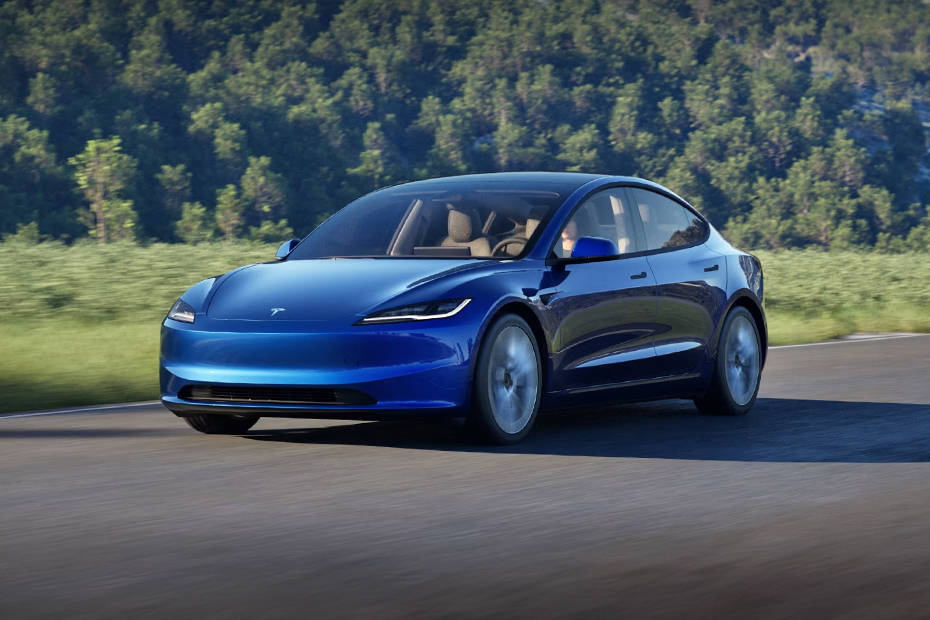
The Model 3 remains the gateway into the Tesla ecosystem. Positioned as a mid-size sedan, its pricing typically begins in the high-$30,000 to low-$40,000 range for the Rear-Wheel Drive (RWD) variant. For those requiring more utility, the Model Y—currently one of the best-selling vehicles globally—commands a premium of roughly $5,000 to $7,000 over the Model 3. These two models represent the “volume” side of the business, where pricing is most aggressive to maintain market share.
Luxury and Performance: The Model S and Model X
Moving up the financial ladder, the Model S (sedan) and Model X (SUV) represent the flagship luxury tier. These vehicles typically start between $75,000 and $80,000, with “Plaid” performance variants easily eclipsing the $90,000 mark. These models are aimed at high-net-worth individuals where the purchase is as much about a status statement as it is about sustainable transport. The price gap between the Model 3 and a fully-specced Model X can exceed $60,000, illustrating the vast range of the Tesla portfolio.
The Cybertruck and Future Pricing Roadmaps
The introduction of the Cybertruck has added a new layer of complexity to Tesla’s financial profile. With “Foundation Series” models commanding premiums north of $100,000 during the initial rollout, the truck sits at the apex of the current price list. However, investors and buyers alike are looking toward the promised “Next-Gen” platform, rumored to target a $25,000 price point, which would fundamentally shift the financial accessibility of the brand.
2. Beyond the Sticker Price: Incentives and Tax Strategies
In the “Money” niche of automotive acquisition, the gross price is rarely the net price. For a Tesla, government intervention plays a massive role in the final balance sheet.
Federal Tax Credits and the Inflation Reduction Act
The most significant financial lever for a Tesla buyer in the United States is the Clean Vehicle Tax Credit. Under the Inflation Reduction Act (IRA), qualifying versions of the Model 3 and Model Y are eligible for a $7,500 federal tax credit. Crucially, this can now be applied as a “point-of-sale” discount, effectively lowering the purchase price at the moment of signing rather than requiring the buyer to wait for tax season. However, this is subject to strict income caps ($150,000 for individuals; $300,000 for joint filers) and vehicle MSRP limits ($55,000 for sedans; $80,000 for SUVs).
State-Level Rebates and Local Savings
Depending on the buyer’s geography, additional savings can be substantial. States like California, Colorado, and New Jersey have historically offered rebates ranging from $2,000 to $5,000. When stacked with the federal credit, the effective price of a Model Y can drop significantly below its ICE (Internal Combustion Engine) competitors, such as the BMW X3 or Audi Q5.
Business Use and Section 179 Deductions
For business owners and the self-employed, the Model X offers a unique financial loophole. Because its Gross Vehicle Weight Rating (GVWR) exceeds 6,000 pounds, it has historically qualified for the Section 179 deduction. This allows businesses to deduct a significant portion of the vehicle’s purchase price in the first year, providing a massive tax shield that can offset the higher initial cost of the luxury SUV.
3. Total Cost of Ownership (TCO) vs. Internal Combustion Engines
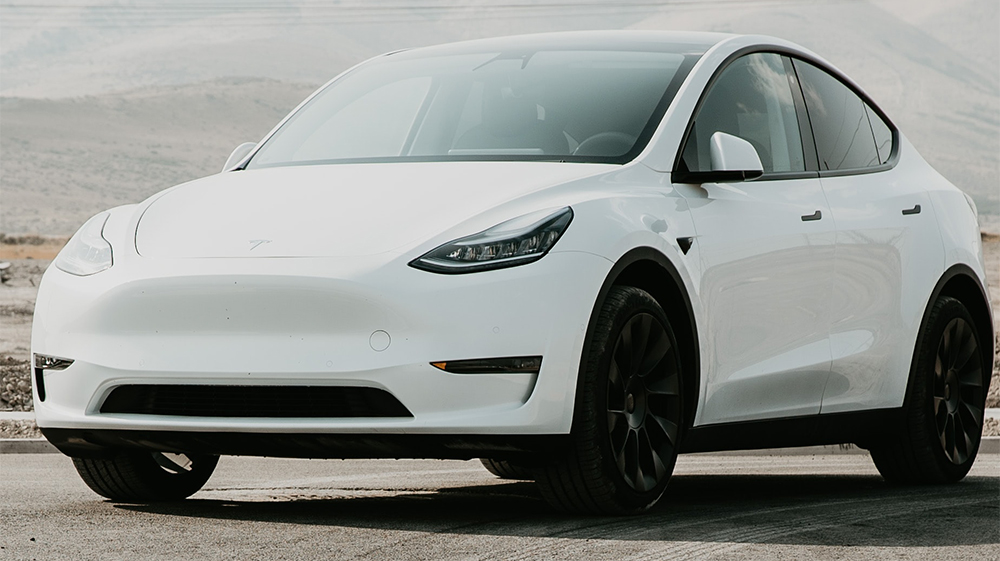
To answer “how much is a Tesla,” one must calculate the delta between gas and electricity over a five-to-ten-year horizon. This is where the Tesla value proposition often moves from “expensive” to “economical.”
Fuel Savings and the Cost of Electrons
The average American driver travels 13,500 miles per year. In a standard gas vehicle averaging 25 MPG, with gas at $3.50 per gallon, the annual fuel cost is roughly $1,890. A Model 3, averaging 4 miles per kWh with electricity at $0.15 per kWh, would cost approximately $506 to “fuel” for the same distance. Over five years, this represents a $6,920 saving. For those in high-cost fuel states like Washington or New York, the ROI (Return on Investment) accelerates even faster.
Reduced Maintenance and Repair Cycles
Tesla vehicles eliminate the most common recurring expenses associated with traditional cars. There are no oil changes, spark plugs, timing belts, or smog checks. While tires tend to wear faster on EVs due to the instant torque and vehicle weight, the overall maintenance schedule is remarkably light. Regenerative braking also significantly extends the life of brake pads and rotors, often allowing them to last over 100,000 miles. For a high-mileage driver, these avoided costs can represent several thousand dollars in retained capital.
Insurance Premiums: The Tesla Premium
Conversely, insurance is a factor that can drive the TCO upward. Teslas are often more expensive to insure due to higher repair costs for their aluminum bodies and specialized sensor suites. To combat this, the company launched “Tesla Insurance,” which uses real-time driving behavior to calculate premiums. For safe drivers, this can lower the monthly expense, but for others, the insurance “tax” is a critical line item to budget for when determining the monthly cost.
4. Depreciation, Resale Value, and Capital Retention
A vehicle is typically a depreciating asset, but Tesla has challenged traditional automotive finance models with its high residual values—though this has seen volatility recently.
Historical Resale Trends and the “Price War” Effect
For years, Teslas held their value better than almost any other luxury brand. However, 2023 and 2024 saw significant price cuts from the manufacturer, which simultaneously lowered the resale value of existing units. From a financial planning perspective, this means the “used” Tesla market has become highly attractive for buyers, while new buyers must be aware that their asset’s value is closely tied to Tesla’s corporate pricing whims.
The Impact of Software and FSD as an Asset
Unlike traditional cars that age the moment they leave the lot, Tesla’s Over-the-Air (OTA) updates can theoretically improve the vehicle’s value or utility over time. The “Full Self-Driving” (FSD) software suite is a unique financial instrument. Originally sold for as much as $15,000, its price has recently been adjusted downward to $8,000 or a $99 monthly subscription. For the long-term owner, the question remains whether FSD will eventually become a value-appreciating asset or if it remains a sunk cost.
Leasing vs. Financing: A Financial Comparison
With interest rates remaining elevated, the “buy vs. lease” debate is central to the Tesla cost discussion. Tesla’s leases often have lower monthly payments but do not always allow for a “buyout” at the end of the term (specifically for Model 3 and Model Y). This prevents the lessee from capturing any potential equity if the car’s market value exceeds the residual value. For those looking to build equity in a vehicle, traditional financing—ideally through a credit union with competitive EV rates—often remains the superior wealth-building path.
5. Strategic Planning for a Tesla Purchase
If the goal is to minimize the “how much,” timing and infrastructure planning are the final two pillars of the financial strategy.
Timing the Market: Quarterly Delivery Pushes
Tesla operates on a quarterly cycle. Historically, the best financial deals—such as free Supercharging miles, inventory discounts, or interest rate buy-downs—occur in the final two weeks of March, June, September, and December. A buyer who is patient can often shave $2,000 to $4,000 off the “standard” price by selecting from existing inventory during these high-pressure delivery windows.
Budgeting for Home Infrastructure
Finally, one must account for the “home fueling station.” A Tesla Wall Connector costs roughly $450, but installation by a licensed electrician can range from $500 to $2,000 depending on the home’s electrical panel capacity. While this is an upfront cost, it is the key to unlocking the low-cost charging mentioned earlier. In many jurisdictions, this installation also qualifies for a 30% federal tax credit (up to $1,000), further softening the blow to the buyer’s liquidity.
Conclusion: The Holistic Price Tag
So, how much is a Tesla? While the sticker might say $42,000, the reality for a qualified buyer might be closer to $30,000 after tax credits and five years of fuel savings. Conversely, for a buyer in a high-insurance bracket with no home charging, the cost may be higher than anticipated. By viewing a Tesla as a financial asset with specific operating expenses and tax advantages, consumers can move beyond the sticker price and make a calculated decision that aligns with their broader financial goals.
aViewFromTheCave is a participant in the Amazon Services LLC Associates Program, an affiliate advertising program designed to provide a means for sites to earn advertising fees by advertising and linking to Amazon.com. Amazon, the Amazon logo, AmazonSupply, and the AmazonSupply logo are trademarks of Amazon.com, Inc. or its affiliates. As an Amazon Associate we earn affiliate commissions from qualifying purchases.