
The allure of solar power is undeniable. Beyond the environmental benefits and the satisfaction of generating your own clean energy, the promise of reduced electricity bills and increased home value makes it an attractive proposition for many homeowners. However, when considering a transition to solar, one of the most pressing questions that arises is: “How much is solar power to install?” This is a complex question with no single, simple answer, as the cost of solar installation is influenced by a multitude of factors, ranging from the technology itself to the intricacies of brand and financial incentives.
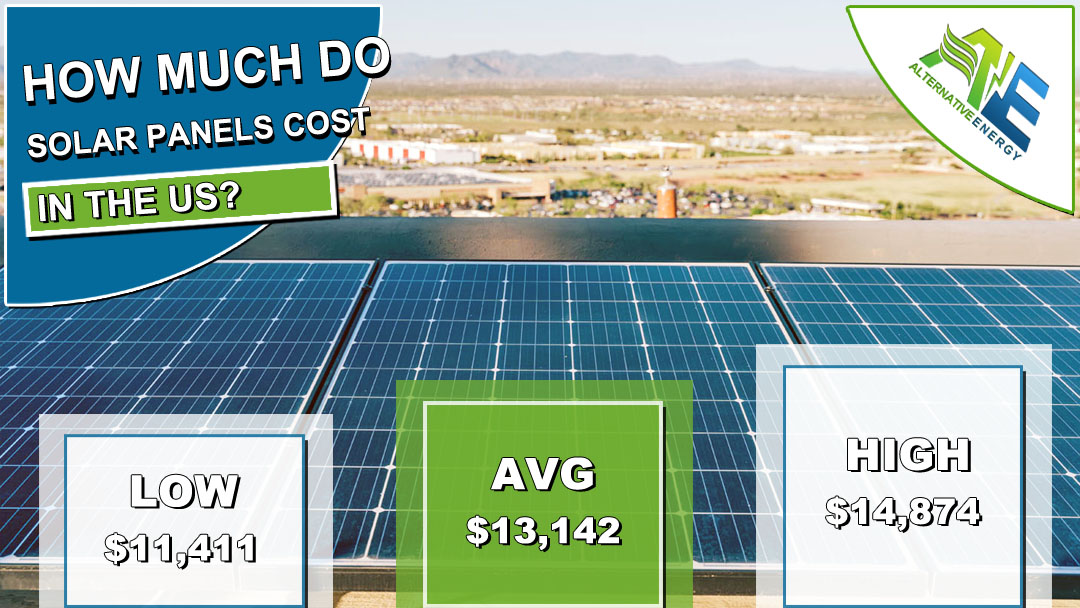
This article will delve into the multifaceted world of solar installation costs, breaking down the key components that contribute to the overall investment. We will explore the technological aspects that determine system size and efficiency, the branding considerations that can influence pricing and perceived value, and the crucial financial elements, including incentives and financing options, that ultimately shape the bottom line for homeowners looking to harness the power of the sun.
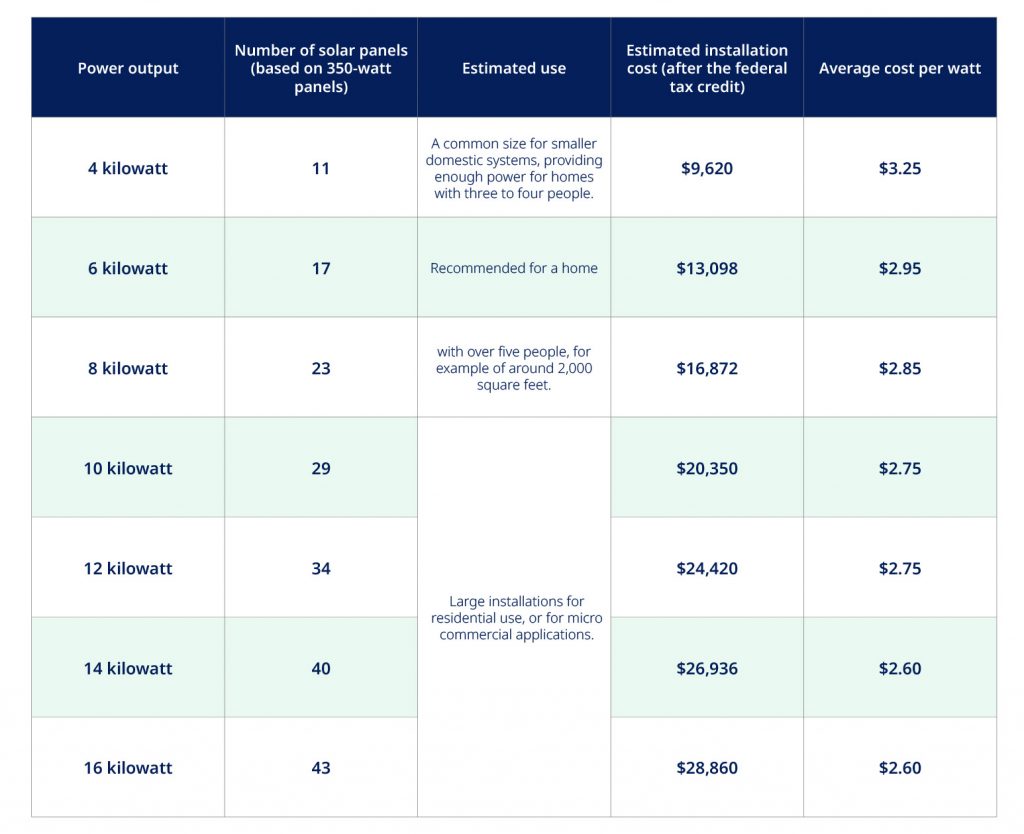
The Technological Foundation: Sizing Up Your Solar System
At its core, the cost of solar power installation is directly tied to the technology deployed and the scale of the system required to meet your energy needs. Understanding the technological underpinnings is crucial for grasping why prices vary so significantly.
Factors Influencing System Size and Cost:
The fundamental determinant of your solar system’s cost is its size, measured in kilowatts (kW). This size is not arbitrary; it’s calculated based on several key factors:
-
Your Electricity Consumption: The most critical piece of information is your average monthly or annual electricity usage. Utility bills are your best source for this data. A larger home with more occupants, extensive appliance use, and high heating and cooling demands will naturally require a larger, more powerful (and thus more expensive) solar system than a smaller, more energy-efficient dwelling. System designers will analyze your past consumption patterns to determine the optimal system size to offset a significant portion, or even all, of your electricity needs.
-
Your Roof’s Characteristics: Not all roofs are created equal when it comes to solar suitability. Several aspects of your roof play a significant role:
- Available Space: The amount of unobstructed roof area is paramount. Solar panels require a certain amount of space to generate sufficient electricity. Complex rooflines with multiple dormers, chimneys, or vents can reduce the available installation area and may necessitate a more intricate (and costly) mounting system or a smaller system overall.
- Roof Orientation and Tilt: The ideal orientation for solar panels in the Northern Hemisphere is south-facing, as this maximizes exposure to direct sunlight throughout the day and year. East and west-facing roofs can still be viable, but they will generate less power. The tilt angle of the roof also influences energy production; steeper angles are generally better for capturing winter sun, while shallower angles favor summer sun. If your roof is not ideally oriented or tilted, you might need a larger system to compensate for lower efficiency, or the installer might suggest ground-mounted systems if space allows, which can have different cost implications.
- Roof Condition and Age: Solar panel systems are a long-term investment, typically warrantied for 25 years or more. It’s highly recommended to ensure your roof is in good condition and has at least 10-15 years of remaining lifespan before installing solar panels. Replacing a roof after solar panels have been installed can be significantly more expensive, as the panels will need to be removed and reinstalled. If your roof needs repair or replacement, factoring this into the solar project’s overall budget is essential.
-
Shading: Trees, neighboring buildings, or other obstructions that cast shadows on your roof can significantly reduce the efficiency of solar panels. Even partial shading can have a disproportionate impact on energy output, especially with older string inverter technologies. Modern microinverters or power optimizers can mitigate some of these shading issues, but they often come at an additional cost. Thorough site assessments will identify potential shading issues and inform system design.
Types of Solar Technology and Their Cost Implications:
The type of solar technology you choose also impacts the price:
-
Solar Panels (Photovoltaic Modules): The most common type of solar panel is made from silicon. Within this category, there are different types:
- Monocrystalline Panels: These are typically more efficient and have a sleeker, uniform black appearance. They are made from a single crystal of silicon. While generally more expensive per watt, their higher efficiency means you might need fewer panels to achieve your desired energy output, potentially saving space and installation complexity.
- Polycrystalline Panels: These are made from multiple silicon fragments melted together, giving them a speckled blue appearance. They are generally less efficient than monocrystalline panels but are also typically more affordable.
- Thin-Film Panels: These are less common for residential installations but are more flexible and lighter. They are generally less efficient than crystalline silicon panels and require more surface area to generate the same amount of power.
-
Inverters: Solar panels generate direct current (DC) electricity, but your home uses alternating current (AC) electricity. Inverters are essential for converting DC to AC.
- String Inverters: This is the traditional and often most cost-effective option. Multiple panels are wired in series to a single inverter. However, if one panel in the series is shaded or underperforming, it can affect the output of the entire string.
- Microinverters: These are installed on each individual solar panel. They convert DC to AC at the panel level, meaning each panel operates independently. This significantly improves performance in shaded or complex roof conditions and allows for panel-level monitoring. However, microinverters are generally more expensive upfront than string inverters.
- Power Optimizers: These are a hybrid solution that attaches to each panel, similar to microinverters, to optimize DC power before it reaches a central string inverter. They offer some of the benefits of microinverters at a potentially lower cost.
-
Mounting Systems (Racking): These are the frameworks that secure the solar panels to your roof. The complexity of your roof (e.g., steep pitch, multiple angles, tile versus asphalt shingles) can influence the type and cost of the mounting system. Some systems may require specialized flashing or structural reinforcements, adding to the labor and material costs.
-
Battery Storage: Increasingly, homeowners are opting for battery storage systems to store excess solar energy generated during the day for use at night or during power outages. Batteries add a significant cost to the overall installation but provide enhanced energy independence and resilience. The size and type of battery system will directly impact the price.
The Brand Factor: More Than Just a Logo
When you consider installing solar power, you’re not just buying technology; you’re engaging with a company, a brand. The brand you choose can significantly influence the perceived value, the quality of service, and ultimately, the price you pay.
Key Brand Considerations in Solar Installation:
-
Installer Reputation and Experience: This is arguably the most critical brand-related factor. A well-established installer with a proven track record, positive customer reviews, and a strong portfolio of completed projects often commands higher prices. This premium reflects their expertise, reliability, and the confidence they instill in their customers.
- Warranty and Guarantees: Reputable brands offer comprehensive warranties on both the equipment and the installation workmanship. A longer and more robust warranty (e.g., 25-year performance warranty on panels, 10-25 year warranty on inverters, and a 10-25 year workmanship warranty) provides peace of mind and can justify a higher upfront cost. Lower-priced alternatives might offer shorter or less comprehensive warranties, leaving you with greater potential risk.
- Customer Service and Support: The customer service experience from initial consultation and quote to post-installation support is vital. Companies with dedicated support teams, efficient communication channels, and a proactive approach to addressing customer concerns are often valued more highly, and their pricing may reflect this commitment.
- Certifications and Affiliations: Installers who hold industry certifications (e.g., NABCEP certification for solar professionals) or are affiliated with reputable solar industry associations often demonstrate a commitment to quality and professional standards. This can contribute to their brand prestige and influence pricing.
-
Equipment Manufacturers’ Brands: Just like with other consumer goods, the brand of the solar panels, inverters, and other components matters.
- Tier 1 Manufacturers: Solar panels are often categorized into “Tier 1” manufacturers based on their financial stability, manufacturing capacity, and warranty track record. Panels from these established, high-quality manufacturers (e.g., SunPower, LG, Panasonic, Q CELLS) often come with a higher price tag but are associated with greater reliability and performance over the long term.
- Emerging or Budget Brands: While offering a lower upfront cost, panels from less established or budget brands may have shorter lifespans, lower efficiency, or less robust warranties, potentially leading to higher long-term costs due to replacements or reduced energy production.
-
Financing Partners and Their Brands: Many solar companies offer in-house financing or partner with specific lenders. The reputation and terms offered by these financial institutions can also indirectly affect the overall perceived value and cost of the solar installation. Reputable lenders with favorable interest rates and flexible repayment options can make the investment more accessible.
-
Marketing and Sales Strategies: The way a company markets itself and its sales process can also influence your perception and the final price. Companies with extensive marketing campaigns or high-pressure sales tactics might build a higher overhead that gets passed on to the consumer. It’s important to look beyond the sales pitch and focus on the tangible value and long-term benefits.
The Financial Equation: Unpacking Incentives and Financing
Ultimately, the “how much” question boils down to the financial outlay. This is where understanding personal finance, investment strategies, and available financial tools becomes paramount in making solar power an attainable goal.

Maximizing Your Return on Investment:
The initial cost of a solar installation can seem substantial, but a variety of financial mechanisms are in place to make it more manageable and to enhance the return on your investment.
-
Government Incentives and Rebates: These are perhaps the most significant drivers in reducing the upfront cost of solar.
- Federal Investment Tax Credit (ITC): In many countries, including the United States, homeowners can claim a significant percentage of the total system cost as a tax credit. This directly reduces your federal tax liability. The ITC is a powerful incentive that effectively lowers the net cost of your solar system considerably.
- State and Local Incentives: Many states, municipalities, and even utility companies offer their own rebates, tax credits, or performance-based incentives (e.g., Solar Renewable Energy Credits – SRECs). These vary widely by location, so it’s crucial to research what incentives are available in your specific area. These can stack with the federal ITC, further reducing the financial burden.
- Property Tax Exemptions: In some regions, the added value to your home from a solar installation may be exempt from property tax increases, which is another financial benefit to consider.
-
Financing Options: For many homeowners, financing is key to making a solar installation affordable.
- Solar Loans: Many solar installers partner with lenders to offer specialized solar loans. These loans often have competitive interest rates and longer repayment terms, allowing homeowners to spread the cost over many years. The monthly loan payment can often be less than the previous electricity bill, resulting in immediate savings.
- Solar Leases: In a lease agreement, you pay a fixed monthly fee to use the solar system installed on your roof. The solar company owns and maintains the system, and you benefit from the reduced electricity bills. Leases typically have lower upfront costs than loans but may offer less long-term financial benefit compared to owning the system.
- Power Purchase Agreements (PPAs): Similar to leases, with a PPA, you agree to purchase the electricity generated by the solar system at a predetermined rate. The solar company owns and maintains the system. PPAs can offer predictable energy costs, but the savings might be less than with ownership or some loan structures.
- Home Equity Loans/Lines of Credit: You can also use existing home equity to finance a solar installation. This can sometimes offer favorable interest rates, especially if you have substantial equity in your home.
-
Net Metering and Renewable Energy Credits (RECs):
- Net Metering: This is a billing mechanism that credits you for the electricity your solar panels send back to the grid. When your solar system generates more electricity than you’re using, the excess is sent to the utility, and you receive credits on your electricity bill. This can significantly reduce your monthly utility expenses. The specifics of net metering policies vary by utility and state.
- Renewable Energy Credits (RECs): In some markets, you can sell RECs, which are certificates representing the environmental attributes of solar energy generation, to utilities or other entities that need to meet renewable energy mandates. This can provide an additional stream of income from your solar installation.
-
Payback Period and Return on Investment (ROI): When evaluating the cost, it’s essential to consider the payback period – the time it takes for the accumulated electricity savings to equal the initial investment. A typical payback period for solar can range from 7 to 15 years, but this is heavily influenced by system cost, electricity rates, incentives, and energy production. The ROI is also a critical metric, as solar installations can provide a significant long-term return through energy savings and increased home value, often outperforming traditional investments.
Conclusion:
The question of “how much is solar power to install” is not a simple price tag but a complex interplay of technology, brand trust, and financial strategy. By understanding the factors that influence system size, the value that reputable brands bring, and the myriad of incentives and financing options available, homeowners can make an informed decision. While the initial investment can be considerable, the long-term benefits of reduced energy bills, environmental stewardship, and increased home value make solar power a compelling and increasingly accessible investment for the future. Thorough research, obtaining multiple quotes, and consulting with trusted solar professionals are crucial steps in navigating this journey and ensuring you secure the best possible value for your solar investment.
aViewFromTheCave is a participant in the Amazon Services LLC Associates Program, an affiliate advertising program designed to provide a means for sites to earn advertising fees by advertising and linking to Amazon.com. Amazon, the Amazon logo, AmazonSupply, and the AmazonSupply logo are trademarks of Amazon.com, Inc. or its affiliates. As an Amazon Associate we earn affiliate commissions from qualifying purchases.