
Navigating the landscape of streaming services has become a fundamental aspect of modern entertainment, and with it, a significant consideration in personal finance. Understanding the monthly cost of platforms like Showtime is not merely about finding a price tag; it’s about evaluating its financial impact on your budget, assessing its value proposition, and strategically managing your entertainment spending. This guide delves into the specifics of Showtime’s pricing, explores the various factors that influence its cost, and provides actionable financial strategies to integrate or manage it within your personal budget.
Decoding Showtime’s Monthly Price Tag
The core question, “how much is Showtime monthly,” has a direct answer, but that answer often comes with caveats. The price you ultimately pay can vary based on where you subscribe, whether you opt for promotional offers, and if you bundle it with other services.
The Standard Direct Subscription Cost
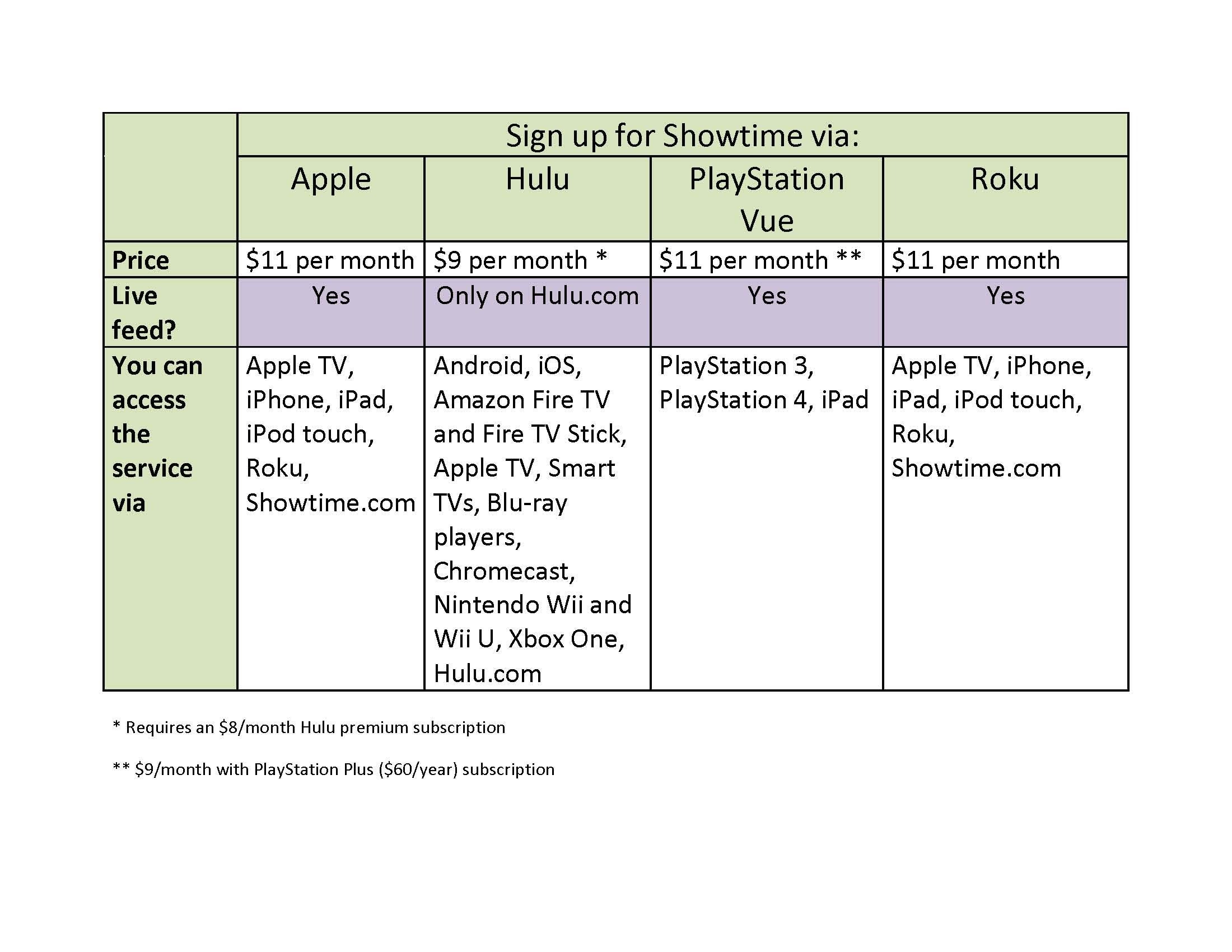
As of recent information, subscribing directly to Showtime through its dedicated app or website typically costs $10.99 per month. This provides full access to Showtime’s library of original series, movies, documentaries, and live TV channels. This direct subscription offers the most straightforward pricing, without the complexities of third-party platforms or bundles. It’s important to note that pricing structures can evolve, so always verify the current rate on Showtime’s official website or through your chosen subscription platform.
Variances Through Third-Party Platforms
Many consumers access Showtime not directly, but through other popular streaming hubs or cable providers. These integrations can sometimes lead to slightly different pricing or bundling opportunities.
- Amazon Prime Video Channels: Subscribers to Amazon Prime can add Showtime as a channel for the same standard monthly fee, often around $10.99. The benefit here is consolidated billing and access within the familiar Prime Video interface.
- Hulu Add-on: Hulu subscribers can also add Showtime to their existing Hulu plan. The monthly cost for the Showtime add-on usually mirrors the direct subscription price, providing convenience for those who prefer a unified streaming experience.
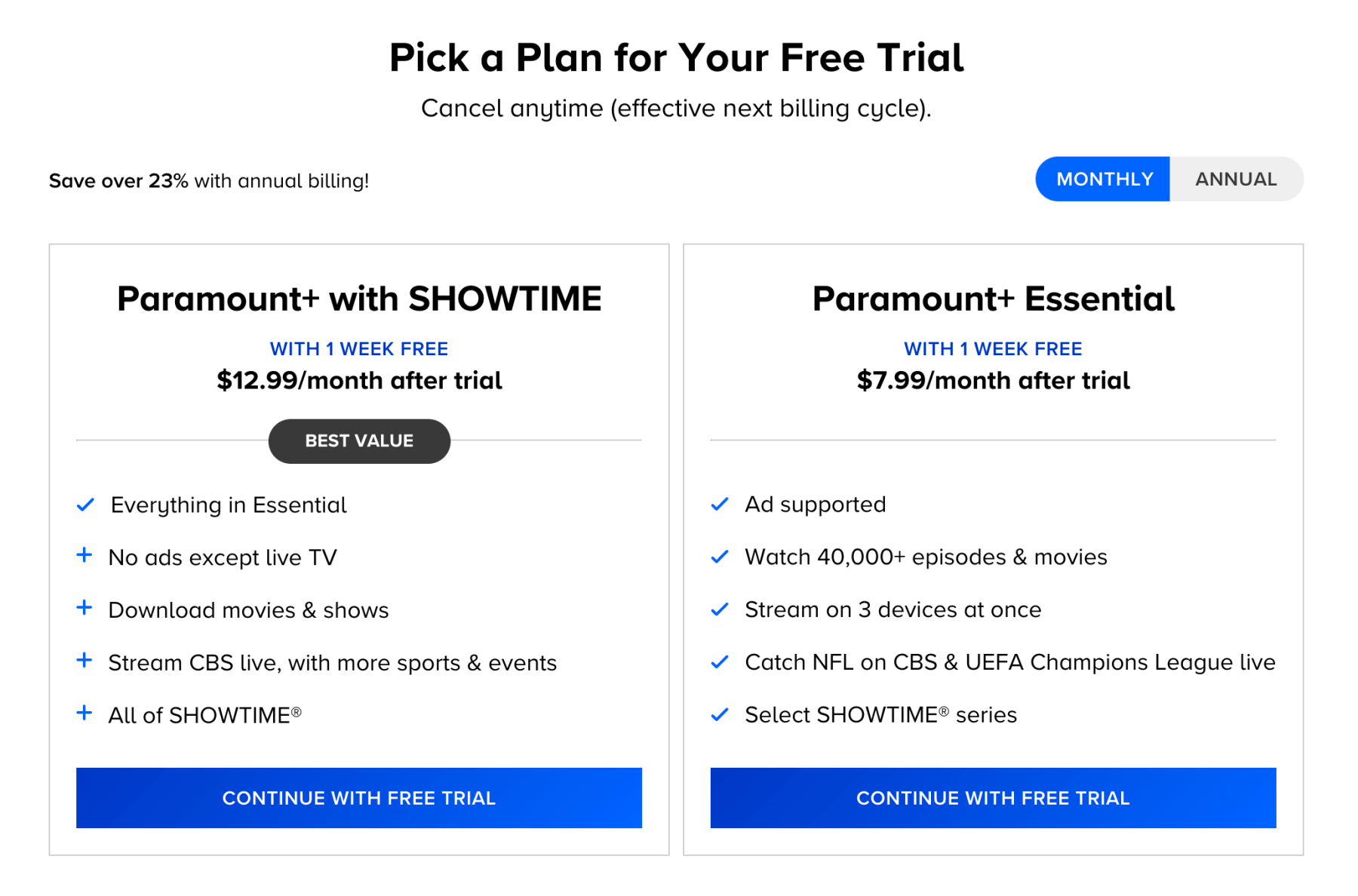
- Paramount+ Bundle: In a significant strategic move, Showtime content has been integrated into Paramount+. While the standalone Showtime app and service still exist, a common and often more cost-effective option is to subscribe to the “Paramount+ with Showtime” tier. This bundle combines a vast library of Paramount+ content with the entire Showtime offering for a combined price that is often less than subscribing to both services separately. For instance, the “Paramount+ with Showtime” plan might be around $11.99-$12.99 per month, offering a substantial value proposition for those interested in both content libraries.
- Apple TV Channels, Roku Channel, Sling TV, YouTube TV, etc.: Various other platforms offer Showtime as an add-on. The pricing typically aligns with the standard monthly rate, providing flexibility for users entrenched in those ecosystems.
- Cable/Satellite TV Providers: If you subscribe to traditional cable or satellite television, Showtime can be added to your package. The pricing here can be highly variable, often bundled with other premium channels or offered at promotional rates that change over time. It’s crucial to compare these rates against direct streaming subscriptions.
Promotional Offers and Bundles
New subscriber promotions are a common tactic across the streaming industry. Showtime, both directly and through its partners, frequently offers introductory rates or extended free trials to attract new customers. These might include:
- Reduced monthly rates for the first few months: For example, $3.99/month for three months before reverting to the standard rate.
- Extended free trial periods: Longer than the standard 7-day trial, sometimes up to 30 days.
- Bundles with internet or mobile providers: Telecom companies often include streaming service subscriptions as perks or discounted add-ons to their service plans.
Always read the terms and conditions of these promotions carefully to understand the regular price you’ll pay once the promotional period ends and to avoid unexpected charges.
Beyond the Base: Factors Influencing Your Showtime Bill
While the headline monthly price is important, several other financial factors can impact the overall cost and your financial strategy for Showtime.
Annual Subscriptions vs. Monthly Flexibility
Many streaming services, including those bundled with Showtime, offer a discount for committing to an annual subscription upfront. While Showtime directly might primarily offer monthly billing, bundles like Paramount+ with Showtime often have an annual option. For example, a Paramount+ with Showtime annual plan might cost around $119.99 per year, translating to approximately $9.99 per month – a saving of roughly $2-3 per month compared to the monthly rate. This requires a larger upfront payment but yields long-term savings for committed viewers. From a financial planning perspective, you must weigh the upfront cost against the monthly savings and your projected long-term use of the service.
Geographical Differences and Tax Implications
While the listed prices are generally for the United States, streaming service costs can vary by region or country due to different market dynamics, licensing agreements, and currency exchange rates. Furthermore, sales tax or other local taxes may be applied to your monthly subscription bill depending on your location, adding a small percentage to the advertised price. Always check the final price during the checkout process.
Free Trials: A Strategic Financial Tool
Free trials are an excellent way to evaluate a service before committing financially. However, they require discipline. Financially astute consumers use free trials strategically:
- Plan your viewing: Identify specific shows or movies you want to watch during the trial.
- Set a reminder: Mark your calendar a few days before the trial ends to decide whether to continue or cancel.
- Understand auto-renewal: Most free trials automatically convert to paid subscriptions unless canceled. Be proactive to avoid unwanted charges.
Leveraging free trials responsibly can save you money by preventing subscriptions to services you won’t fully utilize.
Showtime in Your Budget: A Financial Balancing Act
Integrating any recurring expense, including Showtime, into your personal budget requires a thoughtful approach. Entertainment spending is often categorized as discretionary, meaning it’s flexible and can be adjusted based on your financial priorities.
Assessing Entertainment Spending Priorities
Before subscribing, ask yourself:
- How much am I currently spending on entertainment each month (e.g., other streaming services, going out, hobbies)?
- Does Showtime offer unique content that aligns with my viewing preferences and provides significant value over other options?
- How does this expense fit into my overall financial goals (e.g., saving for a down payment, paying off debt, investing)?
Understanding your financial priorities will help you determine if Showtime is a “want” that you can comfortably afford or if it would strain your budget.
The Cumulative Cost of Streaming Services
The true financial challenge isn’t usually a single service like Showtime, but the cumulative cost of multiple subscriptions. Individually, $10.99 might seem negligible, but when combined with Netflix, Hulu, Disney+, Max, Spotify, gym memberships, and various apps, these monthly charges can quickly accumulate to hundreds of dollars. This “subscription creep” can significantly impact your disposable income.
- Example: Showtime ($10.99) + Netflix Standard ($15.49) + Spotify Premium ($10.99) + Internet ($70) = $107.47 per month, purely for digital access and entertainment. This doesn’t include other potential subscriptions or living expenses.
Strategies for Smart Streaming Subscriptions
To combat subscription creep and manage your entertainment budget effectively:
- Rotate Services: Instead of subscribing to everything simultaneously, consider rotating your subscriptions. For example, subscribe to Showtime for a month or two to binge specific shows, then cancel and switch to another service for a while.
- Share Costs (Responsibly): Some services allow for multiple profiles and simultaneous streams, making it possible to share subscription costs with family or trusted friends, adhering to their terms of service.
- Leverage Bundles: As mentioned with Paramount+ with Showtime, bundles can offer significant savings compared to subscribing to multiple services separately. Always do the math to ensure the bundle genuinely saves you money for the content you’ll actually watch.
- Utilize Public Libraries: Many libraries offer free access to streaming services (like Kanopy or Hoopla) or allow you to borrow physical media, providing free entertainment alternatives.
Maximizing Value and Minimizing Waste: Financial Best Practices
Effective financial management involves more than just knowing the price; it means actively controlling your expenditures.
Auditing Your Recurring Expenses
Regularly review your bank statements and credit card bills. Many people are surprised to find forgotten subscriptions they are still paying for. Make it a monthly or quarterly habit to:
- Identify all recurring charges: Look for small, consistent deductions.
- Verify necessity and usage: Do you still use this service? Is it worth the cost?
- Cancel unwanted subscriptions: Be decisive. If you’re not using it, cancel it.
This audit can quickly free up money that can be reallocated to savings, debt repayment, or other financial goals.
Utilizing Financial Tools for Subscription Management
Several personal finance apps and tools are designed specifically to help you track and manage subscriptions:
- Budgeting Apps (e.g., Mint, YNAB): These apps allow you to categorize expenses, including subscriptions, and visualize how much you’re spending.
- Subscription Management Apps (e.g., Truebill, Rocket Money): These services connect to your bank account or credit cards, automatically identify recurring subscriptions, alert you to price changes, and often even help you cancel unwanted services directly from the app.
- Spreadsheets: For those who prefer a manual approach, a simple spreadsheet can be an effective way to list all your subscriptions, their costs, renewal dates, and your satisfaction level.
The Art of the “Subscribe and Cancel”
For intermittent viewers, subscribing to Showtime only when a specific show airs or a new season drops, and then canceling immediately after you’ve watched it, is a financially savvy move. You pay only for the content you consume and avoid paying for months of inactivity. This requires a little more effort but can lead to substantial savings over time, especially if you apply this strategy across multiple streaming platforms.
Is Showtime Worth It? A Personal Finance Perspective
Ultimately, the “worth” of Showtime, or any streaming service, is a deeply personal financial decision. It’s not just about the monetary cost but the value it brings relative to your overall financial picture and entertainment needs.
Calculating Your Entertainment ROI
Consider your “Return on Investment” for entertainment. If you subscribe to Showtime for $10.99/month and watch several hours of content weekly that you genuinely enjoy and wouldn’t otherwise access, it likely represents good value. If you subscribe and rarely open the app, your ROI is low, and that $10.99 could be better allocated.
Comparing Showtime to Other Entertainment Outlets
Put the cost of Showtime into perspective:
- A single movie ticket can cost $10-$15.
- A cup of gourmet coffee is $4-$6.
- A meal out can be $20+.
For the cost of one movie ticket or a couple of coffees, Showtime offers a month of potentially unlimited viewing. If you value this type of entertainment, it can be a cost-effective choice compared to other discretionary spending.

The Long-Term Financial Impact of Discretionary Subscriptions
While a single subscription might seem minor, the cumulative effect of all your discretionary spending over years can be significant. If you consistently save the money you’d spend on unused or excessive subscriptions, that capital could grow substantially through investments. Being mindful of these smaller, recurring expenses is a cornerstone of sound personal finance.
In conclusion, Showtime’s monthly cost is a manageable expense for many, particularly when weighing its entertainment value against other forms of leisure. However, a prudent financial approach demands active management, smart bundling choices, and regular budget reviews to ensure that your entertainment spending aligns with your broader financial health and goals.
aViewFromTheCave is a participant in the Amazon Services LLC Associates Program, an affiliate advertising program designed to provide a means for sites to earn advertising fees by advertising and linking to Amazon.com. Amazon, the Amazon logo, AmazonSupply, and the AmazonSupply logo are trademarks of Amazon.com, Inc. or its affiliates. As an Amazon Associate we earn affiliate commissions from qualifying purchases.