
The True Cost of Convenience: Deconstructing Non-Prime Shipping Fees
In an era dominated by rapid online consumption, understanding the financial implications of shipping costs is paramount for savvy consumers. While Amazon Prime offers a seemingly straightforward solution with its “free two-day shipping,” a significant portion of online shoppers either choose not to subscribe or find themselves needing to purchase items from non-Prime eligible sellers or other retailers. For these individuals, the question of “how much is shipping without Amazon Prime” directly translates into a critical personal finance consideration, impacting their budgets and overall spending habits.
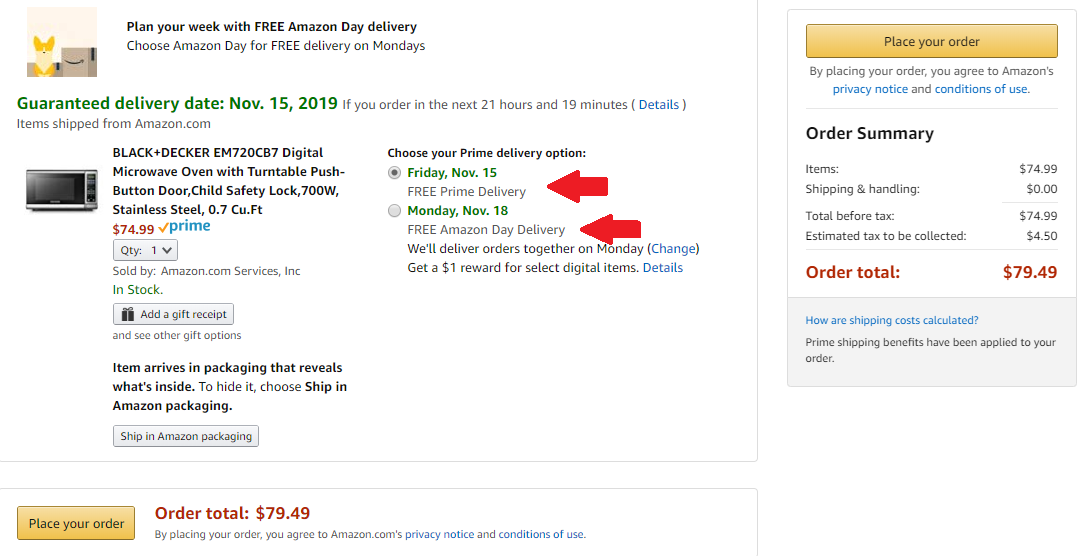
Shipping costs are not uniform; they are a complex matrix influenced by several financial and logistical factors. At its core, shipping without Prime involves direct payment for the transportation of goods from seller to buyer, a cost that can vary dramatically. Typically, consumers can expect to encounter a range from a few dollars for standard ground shipping to upwards of $20-$30 for expedited or oversized deliveries. For instance, a small, non-urgent item might incur a $5-$8 shipping fee, effectively adding 10-20% to the cost of a $40 item. Larger, heavier, or more fragile items, however, can see these costs escalate rapidly, sometimes matching or even exceeding the item’s price.
Key financial determinants of shipping charges include:
- Weight and Dimensions: Heavier or bulkier items inherently cost more to transport due to increased fuel consumption and space requirements in transit vehicles. This is a direct operational cost passed onto the consumer.
- Distance: The geographical distance between the fulfillment center and the delivery address plays a significant role. Cross-country or international shipments naturally incur higher costs due to longer transit times and more complex logistics chains.
- Speed of Delivery: Expedited shipping options (e.g., overnight, two-day) carry a premium. This financial surcharge reflects the increased operational costs for priority handling, dedicated transport routes, and specialized logistics. Consumers must weigh the urgency of their need against the additional expenditure.
- Carrier and Service Type: Different shipping carriers (USPS, UPS, FedEx, regional couriers) have varying pricing structures. Furthermore, standard ground services are always more economical than express or specialized freight services.
- Seller’s Margin and Policy: Some sellers absorb a portion of shipping costs to offer competitive pricing or free shipping promotions, while others pass the full cost, or even a slight markup, directly to the consumer. This is a business decision influencing consumer expenditure.
Understanding these variables is the first step in managing online shopping expenses. For many, recurring non-Prime shipping fees can accumulate over time, potentially eroding planned savings or exceeding allocated budget lines for discretionary spending. Analyzing past purchases can reveal how much is truly being spent on shipping, allowing for more informed financial planning.
Strategic Shopping: Navigating Online Retailers to Minimize Expenses
For those committed to minimizing their financial outlay on shipping without a Prime subscription, a proactive and strategic approach to online shopping is essential. This involves exploring various avenues and adopting consumer behaviors designed to reduce or eliminate direct shipping costs. The goal is to maximize value and maintain budget discipline while still enjoying the convenience of online retail.
Capitalizing on Minimum Spend Thresholds
One of the most common and effective strategies is to consolidate purchases to meet a retailer’s minimum spend threshold for free shipping. Many online stores, including Amazon for non-Prime members, offer free standard shipping on orders exceeding a certain dollar amount, often ranging from $25 to $50. From a financial perspective, this encourages consumers to bundle items they genuinely need into a single order rather than making multiple smaller purchases, each incurring a separate shipping fee. However, caution is advised: the strategy only yields financial benefit if the additional items purchased to reach the threshold are genuinely needed and would have been bought eventually. Impulse buys simply to hit a free shipping minimum can lead to overspending and negate any potential savings. Consumers should maintain a running list of desired non-urgent items to add to future orders.
Leveraging Store Pickup Options
Another excellent cost-saving strategy, where available, is opting for in-store or curbside pickup. This eliminates shipping costs entirely, as the customer takes on the final leg of the delivery themselves. Many major retailers like Walmart, Target, Best Buy, and even some Amazon Locker locations offer this service. For individuals living in proximity to these stores, it presents a compelling financial advantage, especially for items that might be expensive to ship due to size or weight. It transforms online shopping from a pure delivery model into a hybrid experience, blending digital convenience with physical fulfillment at zero shipping cost. This strategy also saves money on potential return shipping if the item needs to be sent back.
Utilizing Free Shipping Promotions and Coupons
Savvy shoppers frequently monitor for free shipping promotions and utilize discount codes. Many retailers offer periodic free shipping events, especially around holidays or during sales cycles, often without a minimum purchase requirement. Subscribing to retailer newsletters or following their social media channels can alert consumers to these limited-time financial opportunities. Additionally, searching for “free shipping codes” before checkout can sometimes yield valid promotional codes. From a financial planning perspective, timing purchases to coincide with these promotions can lead to substantial savings over the course of a year.
Exploring Alternative Retailers and Their Shipping Policies
Diversifying where you shop online is a powerful financial strategy. Many retailers have shipping policies that can be more favorable than Amazon for non-Prime members.
- Walmart+: While a subscription service, it’s a direct competitor to Prime, offering free shipping on many items with no minimum, often faster than Amazon’s non-Prime options. For frequent Walmart shoppers, the subscription cost ($98/year or $12.95/month) may present a better financial return than paying per-item shipping on Amazon or even a Prime membership if Walmart satisfies most needs.
- Target: Target frequently offers free standard shipping on orders over $35, and RedCard holders receive free shipping on most items with no minimum, plus an additional 5% discount, making it a financially attractive option for regular customers.
- eBay and Etsy: These marketplaces feature numerous independent sellers. While shipping costs vary greatly, many sellers offer free shipping, particularly for smaller items, building the cost into the product price. This often provides transparency on the total cost at the outset, allowing for clearer financial comparisons.
- Small Businesses and Direct-to-Consumer Brands: Many smaller online businesses offer competitive shipping rates or free shipping over a relatively low threshold to attract customers. Supporting these businesses can often come with the added benefit of more personalized service and unique products, all while managing shipping expenditures effectively.
Calculating the Amazon Prime Value Proposition: Is the Subscription Worth It?

For many, the decision to forego Amazon Prime often comes down to a direct financial calculation: does the annual subscription fee justify the benefits, primarily free shipping? At its current annual cost, Prime represents a significant upfront expenditure. To determine its financial viability, consumers must conduct a personal cost-benefit analysis.
The core financial benefit of Prime is the elimination of per-item shipping fees and the promise of expedited delivery. To calculate the break-even point, one must estimate their annual spending on non-Prime shipping costs. For instance, if the annual Prime membership costs $139, and typical non-Prime shipping fees average $7 per order, a consumer would need to place approximately 20 online orders per year that would otherwise incur a shipping charge for Prime to pay for itself solely on shipping benefits. This calculation becomes more complex when considering other Prime benefits, such as Prime Video, Prime Music, or exclusive deals, which may add intangible value but are harder to quantify in direct financial terms unless they replace other paid subscriptions.
Consider a scenario: a shopper typically makes 15 Amazon purchases a year, each incurring an average $8 shipping fee ($120 total). If they also subscribe to a streaming service for $10/month ($120/year) that Prime Video could replace, the financial equation changes. In this case, Prime’s $139 annual fee effectively covers the shipping and replaces an existing entertainment expense, potentially offering a net saving or at least a highly competitive bundle.
However, if a consumer only makes a few Amazon purchases annually that would incur shipping fees (e.g., 5 orders x $8 = $40 total shipping) and doesn’t utilize other Prime benefits, then subscribing to Prime is a net financial loss. In such cases, paying for individual shipping costs as needed is the more financially prudent choice.
Factors for financial evaluation of Prime:
- Frequency of Amazon Purchases: How often do you buy items that would incur shipping fees without Prime?
- Average Shipping Cost per Order: What is the typical cost you avoid with Prime?
- Utilization of Other Prime Benefits: Do you use Prime Video, Music, Reading, Whole Foods discounts, etc.? Quantify their value if they replace other paid services or generate savings.
- Alternative Retailers: Can your shopping needs be met by other retailers offering better non-subscription shipping terms or more competitive pricing overall?
- Opportunity Cost: Could the $139 annual fee be better utilized elsewhere, such as savings, debt repayment, or other investments?
Ultimately, the “worth” of Amazon Prime is a deeply personal financial assessment. It requires an honest look at spending habits, media consumption, and the actual utility derived from each facet of the membership.
Beyond Shipping: Hidden Financial Considerations in Online Purchases
While shipping costs are a tangible and often frustrating expense, a comprehensive financial approach to online shopping without Amazon Prime extends beyond just delivery fees. There are several other hidden or overlooked financial considerations that can impact one’s budget and overall financial health.
Total Cost of Ownership
When comparing prices between retailers, it’s crucial to consider the “total cost of ownership,” which includes the item’s price, shipping, potential sales tax, and any associated return shipping costs. An item advertised for $50 with $10 shipping is financially equivalent to an item for $60 with free shipping. Always compare the final checkout price. Furthermore, some retailers offer extended warranties or return policies that might subtly affect the overall value proposition, either adding cost or providing peace of mind that could prevent future expenditure.
Return Shipping Costs
A significant financial pitfall for online shoppers without Prime can be the cost of returning items. While Prime offers free returns on most items, non-Prime orders often require the customer to pay for return shipping, which can be as expensive as the initial delivery fee. Before purchasing, especially for clothing or items with potential fit issues, it’s financially prudent to check the retailer’s return policy and associated costs. Some retailers offer free returns or allow in-store returns for online purchases, which can be a valuable financial safeguard.
Impulse Buying and Budget Overruns
The ease of online shopping can foster impulse buying, leading to overspending. Without the “free shipping” incentive of Prime, some consumers might be more deliberate, waiting to accumulate enough items to meet a free shipping minimum. This can, paradoxically, encourage more thoughtful purchasing and prevent frequent, small, unnecessary expenditures. Implementing a strict budget for online shopping, using financial tracking apps, or even creating a “wish list” for 24-48 hours before purchasing can significantly curb impulse buys and maintain financial discipline.
Price Comparison and Deal Hunting
For non-Prime members, meticulous price comparison across multiple retailers becomes even more financially beneficial. Tools and browser extensions designed to compare prices and track historical pricing can uncover significant savings that far outweigh potential shipping costs. It’s not uncommon to find the same item at a lower base price, even with shipping factored in, from a different retailer than Amazon. The time invested in deal hunting can yield a strong financial return.
Navigating online shopping without Amazon Prime requires a disciplined, financially astute approach. By understanding the true costs of shipping, employing strategic shopping behaviors, carefully evaluating the value of subscriptions, and considering all hidden financial implications, consumers can maintain control over their budgets and make smarter purchasing decisions in the vast digital marketplace.
aViewFromTheCave is a participant in the Amazon Services LLC Associates Program, an affiliate advertising program designed to provide a means for sites to earn advertising fees by advertising and linking to Amazon.com. Amazon, the Amazon logo, AmazonSupply, and the AmazonSupply logo are trademarks of Amazon.com, Inc. or its affiliates. As an Amazon Associate we earn affiliate commissions from qualifying purchases.