
Retirement—the very word conjures images of freedom, leisure, and a life unburdened by the daily grind. Yet, for many, it also brings a daunting question: “How much is retirement?” This isn’t a simple query with a single, universally applicable answer. Instead, it’s a dynamic, deeply personal calculation shaped by a myriad of factors, from individual aspirations and health considerations to the broader economic landscape. Approaching retirement planning with a vague idea of needing “enough” is a common pitfall; defining that “enough” with precision is the cornerstone of a truly secure and fulfilling post-career life.
The journey to uncovering your personal retirement number begins with a thorough understanding of what retirement truly entails, financially speaking. It’s about transitioning from a phase of active income generation to one where your accumulated assets, and perhaps passive income streams, support your desired lifestyle for potentially several decades. This requires meticulous planning, realistic projections, and a commitment to understanding the core components that will dictate your expenses in the golden years.
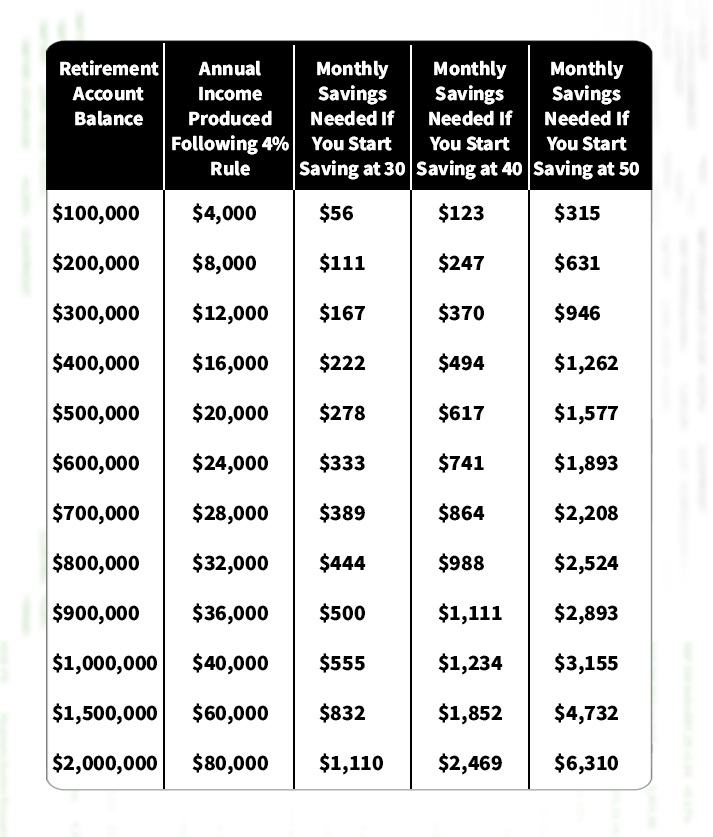
Understanding the Multifaceted Nature of Retirement Costs
To accurately gauge “how much is retirement,” one must first dissect the various expenditure categories that will define your post-employment financial landscape. These costs aren’t static; they evolve with age, health, and personal choices. Recognizing these components is the first step toward building a robust retirement budget.
Everyday Living Expenses
Even without the daily commute or work-related wardrobe expenses, fundamental living costs persist and, in some cases, can even increase. Groceries, utilities, insurance premiums, and property taxes remain steadfast entries in your budget. Housing, in particular, often represents a significant portion of expenses. While some retirees may enter this phase with a paid-off mortgage, others might choose to downsize, relocate, or continue mortgage payments. Transportation, though potentially less frequent for commuting, might shift towards more leisure-driven travel or increased fuel costs for local activities. Food budgets, too, can vary; some might enjoy dining out more often, while others embrace home cooking. The key is to avoid assuming that all expenses will automatically shrink simply because you’re no longer working. Detailed tracking of current expenses provides an invaluable baseline, which can then be adjusted for anticipated retirement lifestyle changes.
Healthcare Costs: The Unpredictable Variable
Perhaps the most significant and often underestimated component of retirement expenses is healthcare. While programs like Medicare provide a crucial safety net for Americans aged 65 and older, they are far from comprehensive. Retirees often face substantial out-of-pocket expenses, including deductibles, co-payments, and premiums for supplemental insurance (Medigap) or Medicare Advantage plans. Prescription drug costs can also be a considerable burden, particularly for those managing chronic conditions. Beyond immediate medical needs, the potential for long-term care—whether in-home assistance, assisted living, or nursing home care—represents a significant financial risk. These costs can be astronomical, and traditional health insurance rarely covers them fully. Exploring options like long-term care insurance or understanding Medicaid eligibility becomes critical for many, underscoring the necessity of proactive planning for this often-unpredictable expense category.
Leisure and Travel: Funding Your Dreams
For many, retirement is synonymous with pursuing passions, hobbies, and travel that were previously constrained by work schedules. Whether it’s globe-trotting, gardening, volunteering, taking up a new sport, or spending more time with grandchildren, these “fun” activities require financial provisioning. The cost can vary wildly depending on your aspirations. A modest lifestyle might involve local trips and community activities, while extensive international travel or frequent visits to distant family members will necessitate a much larger budget allocation. It’s crucial not to overlook this aspect of retirement planning, as a fulfilling retirement is not just about survival, but about thriving and enjoying the fruits of your labor. Budgeting realistically for leisure ensures that your golden years are indeed golden, filled with experiences rather than financial regret.
Inflation’s Erosion of Purchasing Power
A silent yet insidious threat to retirement savings is inflation. Over decades, the purchasing power of money diminishes significantly. What costs $100 today might require $200 or more in 20 or 30 years, depending on the average inflation rate. Ignoring this economic reality can severely undermine your meticulously planned savings. A retirement number calculated solely based on today’s costs will be woefully inadequate in the future. Therefore, all retirement expense projections must factor in a reasonable inflation rate (e.g., 2-3% annually) to ensure that your future dollars will have sufficient buying power to maintain your desired lifestyle. This is why investment growth rates must outpace inflation to genuinely preserve and enhance your capital over time.
Calculating Your Personal Retirement “Number”
With an understanding of the expenses involved, the next crucial step is to quantify “how much is retirement” for you. This involves moving beyond generalizations and into personalized projections.
The 80% Rule of Thumb: A Starting Point, Not an Endpoint
A commonly cited guideline suggests aiming for 80% of your pre-retirement income to maintain your lifestyle. For example, if you earn $100,000 annually, you might target $80,000 in retirement income. The rationale is that certain work-related expenses (commuting, professional attire, saving for retirement) disappear, while others might increase. However, this is a broad generalization and should only serve as a rudimentary starting point. For those with high pre-retirement savings rates, a paid-off home, or significant post-retirement travel plans, the 80% rule may be too high or too low. Its utility lies in providing an initial ballpark figure before diving into more granular analysis.

Detailed Budgeting and Future Projections
The most accurate method involves creating a detailed, personalized budget for your desired retirement lifestyle. This means envisioning your ideal post-work day-to-day. Will you dine out more or cook at home? Do you plan to travel extensively or enjoy local hobbies? Will you relocate to a lower-cost area or stay put? List out all anticipated expenses, from housing and utilities to healthcare, food, transportation, entertainment, and gifts. Then, project these expenses into the future, explicitly considering the impact of inflation over your estimated retirement duration. This bottom-up approach provides a far more precise estimate than any rule of thumb and forces you to confront the realities of your future spending habits. Financial planning tools and spreadsheets can be immensely helpful in this process.
Considering Longevity: How Long Will Your Money Need to Last?
One of the most significant factors influencing your retirement number is your life expectancy. People are living longer, healthier lives than ever before. It’s not uncommon for individuals to retire in their early to mid-60s and live into their 90s or even beyond. This means your retirement funds may need to last for 20, 30, or even 40 years. This extended timeline significantly impacts the total capital required, as well as the sustainable withdrawal rate from your portfolio. When calculating your number, it’s prudent to plan for a longer lifespan than average, perhaps until age 90 or 95, to mitigate the risk of outliving your savings. Reviewing family health history and personal health indicators can offer some insight, but a conservative estimate is always wise.
Strategic Approaches to Funding Your Retirement
Once you have a clearer picture of “how much is retirement” for your individual circumstances, the next phase involves crafting and executing a robust funding strategy. This typically involves a combination of maximizing tax-advantaged accounts, intelligent investing, and considering other potential income streams.
Maximizing Retirement Accounts (401k, IRA, HSA)
Tax-advantaged retirement accounts are invaluable tools for building wealth. Employer-sponsored plans like 401(k)s (or 403(b)s for non-profits) offer the benefit of pre-tax contributions, tax-deferred growth, and often employer matching contributions—which is essentially free money. Individual Retirement Accounts (IRAs), both Traditional and Roth, offer similar tax benefits depending on your income and tax situation. Health Savings Accounts (HSAs), when paired with a high-deductible health plan, act as a triple-tax-advantaged vehicle: tax-deductible contributions, tax-free growth, and tax-free withdrawals for qualified medical expenses in retirement. Maximizing contributions to these accounts, especially to receive any employer match, should be a priority for most individuals. Understanding the nuances of Roth vs. Traditional options is also key, as they offer different tax advantages either now or in retirement.
Diversified Investment Portfolio
The growth of your retirement nest egg hinges significantly on your investment strategy. A diversified portfolio, typically comprising a mix of stocks, bonds, and potentially other assets like real estate, is crucial for managing risk and achieving long-term growth. Stocks offer higher growth potential but come with greater volatility, while bonds provide stability and income. The specific asset allocation should align with your risk tolerance, time horizon, and financial goals. Regular rebalancing is essential to maintain your desired asset mix and ensure your portfolio remains aligned with your strategy. As you approach retirement, it’s common to gradually shift towards a more conservative allocation to protect accumulated capital.
Considering Other Income Streams and Social Security
While personal savings and investments will form the backbone of most retirement plans, other income streams can significantly supplement your financial security. Social Security benefits, though not intended to be a sole source of retirement income, will likely be a component. Understanding when to claim Social Security can have a substantial impact on your total lifetime benefits. Other potential income streams might include pensions (if you’re fortunate enough to have one), rental income from properties, royalties, or even a part-time “encore career” that provides both income and personal fulfillment. Creating a diversified income plan, rather than solely relying on one source, adds a layer of resilience to your retirement.
Navigating Challenges and Sustaining Your Retirement Plan
Retirement planning is not a “set it and forget it” endeavor. Life is unpredictable, and economic conditions change. A robust plan includes mechanisms for adapting to challenges and requires ongoing oversight.
Unexpected Events and Market Volatility
The journey to and through retirement is rarely a straight line. Market downturns can temporarily erode savings, while health crises, family emergencies, or unexpected home repairs can create immediate financial strains. Building a dedicated emergency fund (separate from retirement savings) is critical to navigate these unforeseen events without derailing your long-term plan. For those nearing or in retirement, developing a “bucket strategy” or having a cash reserve for immediate needs can help cushion the impact of market volatility on your investment portfolio. Flexibility and a contingency plan are paramount.
Regular Review and Adjustment
Your retirement plan is a living document, not a static blueprint. It needs regular review and adjustment. At least annually, revisit your budget, investment portfolio, and overall goals. Has your desired lifestyle changed? Are your healthcare estimates still accurate? Have there been shifts in tax laws or economic forecasts? Adjust your savings rate, investment allocation, or withdrawal strategy as needed. Life changes—a new grandchild, a health diagnosis, a desire to relocate—all necessitate a fresh look at your financial roadmap. Consistent monitoring ensures you stay on track toward your evolving retirement vision.
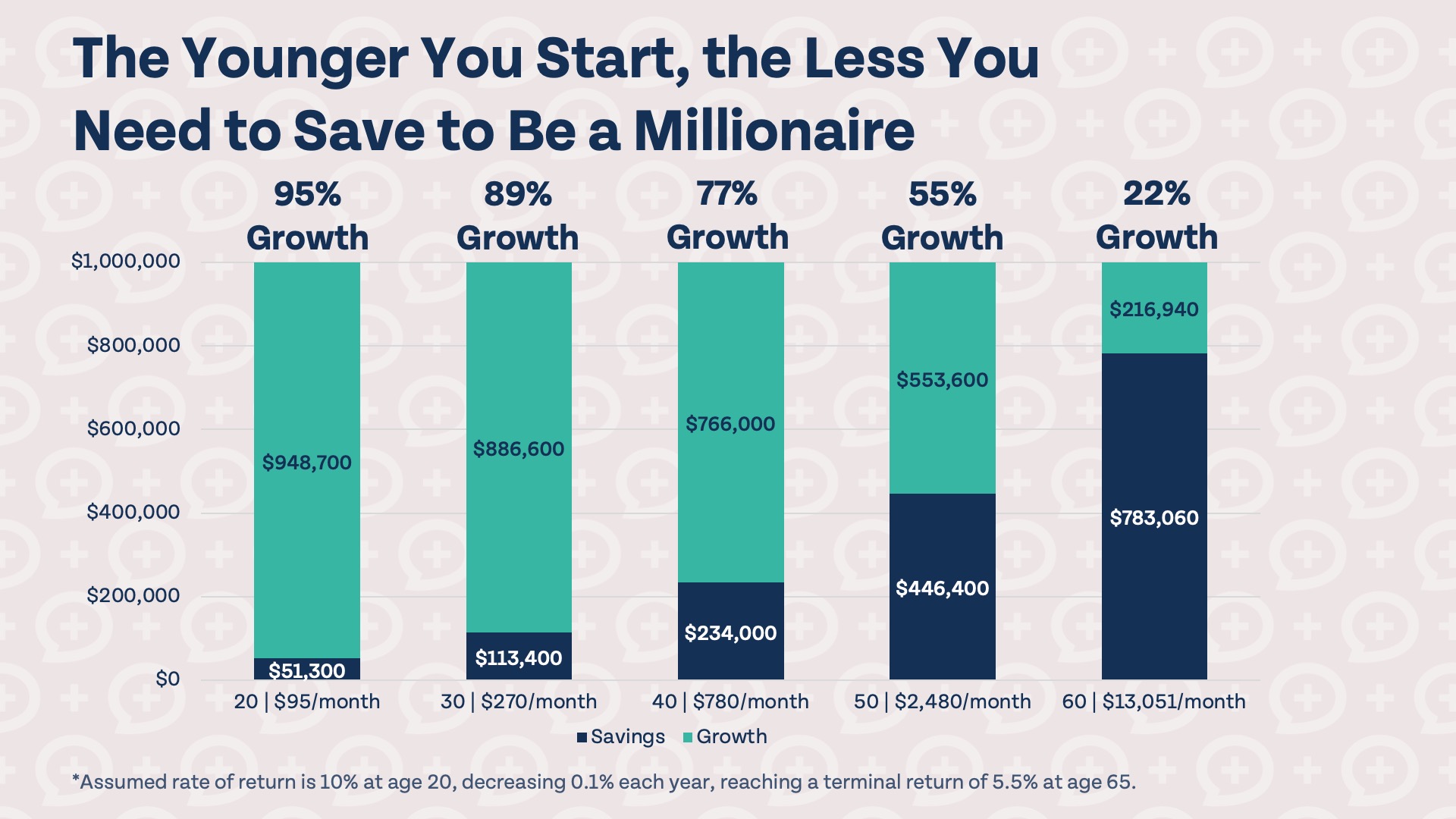
Seeking Professional Financial Advice
While self-education is empowering, the complexities of retirement planning often warrant professional guidance. A qualified financial advisor can provide personalized strategies, help with intricate decisions regarding investments, taxes, estate planning, and Social Security claiming strategies. They can offer an objective perspective, keep you accountable, and help you navigate challenging market conditions or life events. For many, the peace of mind and optimized outcomes that come from expert advice make the investment in a financial planner well worth it.
Ultimately, “how much is retirement” is a question that requires deep introspection, diligent calculation, and a long-term commitment. It’s about translating your dreams into concrete financial goals and building the bridge to a future where you have the freedom and resources to live life on your own terms. By understanding the costs, meticulously calculating your needs, strategically funding your plan, and regularly adapting to change, you can transform the daunting question into a clear, achievable path toward your ideal retirement.
aViewFromTheCave is a participant in the Amazon Services LLC Associates Program, an affiliate advertising program designed to provide a means for sites to earn advertising fees by advertising and linking to Amazon.com. Amazon, the Amazon logo, AmazonSupply, and the AmazonSupply logo are trademarks of Amazon.com, Inc. or its affiliates. As an Amazon Associate we earn affiliate commissions from qualifying purchases.