
The question “how much is retirement pay?” is not merely a request for a single number; it’s an inquiry into the financial tapestry that will support your life after full-time employment. Retirement pay, more accurately described as retirement income, is the culmination of years of financial decisions, savings habits, and strategic planning. Unlike a fixed salary, it’s a dynamic sum influenced by a multitude of factors, each playing a critical role in determining your financial comfort during your golden years. Understanding these components is the first step towards building a robust and sustainable retirement plan.

Understanding the Concept of Retirement Income
Retirement income isn’t a one-size-fits-all figure. It’s a highly personalized estimate of the funds you’ll have available to cover your living expenses, leisure activities, and unexpected costs once you stop working. The “how much” depends less on a universal benchmark and more on your individual circumstances, lifestyle expectations, and the financial resources you’ve accumulated.
Beyond a Single Number: It’s a Lifestyle
When people ask about retirement pay, they’re often trying to envision their future lifestyle. Will they travel the world, pursue hobbies, or simply enjoy a quiet life at home? Each vision carries a different price tag. Your desired retirement lifestyle dictates the amount of income you’ll need. A modest lifestyle might require significantly less than an affluent one, highlighting why personal budgeting and goal-setting are paramount long before retirement age. The goal isn’t just to have “enough”; it’s to have enough to live the life you’ve worked hard to achieve.
Key Determinants of Your Retirement Income
Several overarching factors contribute to the total sum of your retirement income. These include the types of savings vehicles you’ve used, your investment performance, the age at which you claim certain benefits, and even broader economic conditions like inflation. A comprehensive understanding of these determinants allows for more effective planning and realistic projections. Your savings rate, investment choices, and career longevity all converge to shape this final figure.
Primary Sources of Retirement Pay
Retirement income typically draws from several distinct sources, creating a diversified financial safety net. Relying on a single source can be risky; a multi-pronged approach offers greater security and flexibility.
Social Security Benefits: The Foundation
For many, Social Security forms the bedrock of their retirement income. This government-funded program provides a regular income stream based on your lifetime earnings.
How Benefits are Calculated
Your Social Security benefit is calculated using a complex formula that considers your highest 35 years of earnings. These earnings are indexed to account for changes in average wages over time, ensuring that earlier earnings reflect their relative value at the time. The result is your Primary Insurance Amount (PIA), which is the benefit you would receive if you claim at your Full Retirement Age (FRA).
Factors Affecting Your Payout
The age at which you claim Social Security significantly impacts your monthly benefit. You can claim as early as age 62, but your benefit will be permanently reduced. Conversely, delaying beyond your FRA (up to age 70) can result in a higher monthly payout, accumulating delayed retirement credits. Your work history, specifically the number of years you’ve contributed, also plays a crucial role. If you have fewer than 35 years of earnings, zero-income years will be factored into the calculation, reducing your overall average.
Employer-Sponsored Plans: Pensions and 401(k)s
Many individuals accumulate significant retirement savings through plans offered by their employers. These come in two main forms: defined benefit and defined contribution plans.
Defined Benefit Plans (Pensions)
Once common, traditional pensions are now rare in the private sector but still exist for many public sector employees. These “defined benefit” plans promise a specific monthly payout in retirement, often based on your salary history, years of service, and a predetermined formula. The employer bears the investment risk and guarantees the benefit.
Defined Contribution Plans (401(k)s, 403(b)s, etc.)
These plans, such as 401(k)s for for-profit companies and 403(b)s for non-profits and educational institutions, are the dominant employer-sponsored retirement vehicles today. In a defined contribution plan, you and/or your employer contribute money to an individual account, and you choose how to invest it from a menu of options. The amount of retirement pay you receive depends on how much you contribute, how your investments perform, and any employer matching contributions. You bear the investment risk, making proactive management crucial.
Personal Savings and Investments: IRAs, Brokerage Accounts, Real Estate
Beyond employer plans, personal savings and investments are often the most flexible and substantial sources of retirement income.
Traditional vs. Roth IRAs
Individual Retirement Accounts (IRAs) offer tax-advantaged ways to save. Traditional IRAs allow pre-tax contributions to grow tax-deferred, with withdrawals taxed in retirement. Roth IRAs involve after-tax contributions, but qualified withdrawals in retirement are entirely tax-free. The choice between them depends on your current and projected future tax brackets.
Taxable Investment Accounts
Brokerage accounts hold investments like stocks, bonds, and mutual funds that are not subject to the same contribution limits or withdrawal rules as IRAs or 401(k)s. While capital gains and dividends are typically taxed annually or when assets are sold, these accounts offer complete liquidity and can serve as a flexible income source in retirement, especially if you need funds before age 59½ without penalty.
Other Assets (Real Estate, Annuities)
Additional assets can contribute to retirement pay. Rental properties can generate ongoing income. Selling a primary residence to downsize can free up capital. Annuities, purchased from insurance companies, can convert a lump sum into a guaranteed stream of income for a specified period or for life, offering peace of mind regarding longevity risk.
Factors Influencing Your Retirement Income
The ultimate “how much” is a dynamic figure shaped by several interconnected variables. A change in one area can have ripple effects across your entire retirement plan.
Savings Rate and Investment Growth
The most direct levers you control are how much you save and how effectively those savings grow. A higher savings rate, especially early in your career, allows more time for compound interest to work its magic. Smart investment choices aligned with your risk tolerance can significantly amplify your nest egg over decades. Consistent contributions and prudent asset allocation are far more impactful than trying to time the market.

Retirement Age
When you choose to stop working directly affects your retirement income. Retiring earlier means fewer years of contributions to your savings and a potentially smaller Social Security benefit if claimed early. Conversely, working longer allows for more savings, greater investment growth, and potentially higher Social Security payments, pushing back the date when you start drawing from your retirement accounts.
Longevity and Healthcare Costs
A longer lifespan means your retirement savings need to stretch further. While medical advancements are positive, they also mean potential increases in healthcare costs in retirement, which can be substantial and unpredictable. Planning for these expenses, possibly through Health Savings Accounts (HSAs) or long-term care insurance, is crucial.
Inflation and Cost of Living
The purchasing power of money erodes over time due to inflation. What seems like sufficient income today might be inadequate 20 or 30 years from now. Retirement plans must account for a rising cost of living, often by investing in assets that historically outpace inflation and ensuring income streams have cost-of-living adjustments (COLAs) where possible.
Taxes in Retirement
Don’t overlook the impact of taxes in retirement. Withdrawals from traditional 401(k)s and IRAs are typically taxed as ordinary income. Social Security benefits can also be taxable depending on your overall income. Planning for tax efficiency, perhaps by balancing tax-deferred, tax-free (Roth), and taxable accounts, can help optimize your net retirement pay.
Calculating Your Retirement Needs and Potential Income
Moving from general understanding to concrete planning requires estimating your needs and projecting your potential income.
Estimating Your Retirement Expenses
The initial step is to determine how much money you’ll need to cover your expenses in retirement.
The 80% Rule of Thumb
A common guideline suggests you’ll need approximately 70-80% of your pre-retirement income to maintain your lifestyle. This rule accounts for the elimination of certain work-related expenses (commuting, professional wardrobe) and the potential absence of mortgage payments (if paid off). However, it’s a broad generalization and may not fit everyone.
Detailed Budgeting
For a more accurate picture, create a detailed post-retirement budget. Consider housing (mortgage, rent, property taxes), utilities, food, transportation, healthcare (premiums, deductibles, out-of-pocket), insurance, entertainment, travel, and any anticipated hobbies or lifestyle changes. Don’t forget discretionary spending or unexpected costs.
The Role of Financial Planning Tools
Once you have an estimate of your needs, various tools can help you bridge the gap between your current situation and your retirement goals.
Retirement Calculators
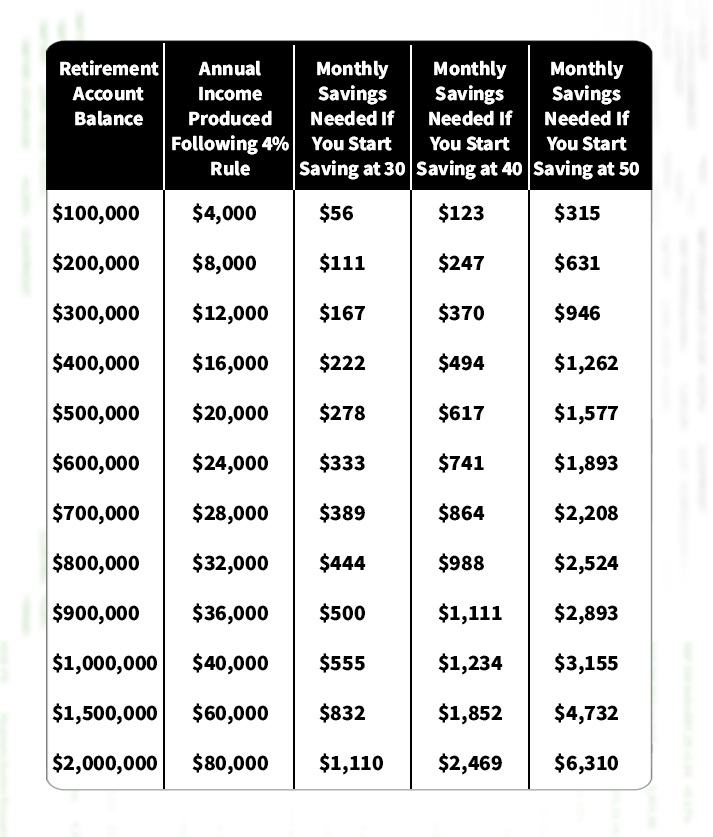
Online retirement calculators can be excellent starting points. They allow you to input your current savings, desired retirement age, annual contributions, and expected rate of return to project how much you might accumulate. Many also estimate your Social Security benefits.
Working with a Financial Advisor
For personalized and comprehensive planning, a qualified financial advisor is invaluable. They can help you assess your risk tolerance, create a diversified investment portfolio, optimize your tax strategy, plan for healthcare costs, and integrate all your income sources into a cohesive retirement strategy.
Strategies to Maximize Your Retirement Pay
If projections show a potential shortfall, or if you simply want to enhance your retirement comfort, several strategies can help.
Delaying Social Security
As mentioned, waiting beyond your Full Retirement Age (FRA) to claim Social Security can significantly increase your monthly benefit, providing a higher guaranteed income stream.
Aggressive Savings in Early Career
The power of compound interest is immense. Maxing out contributions to 401(k)s, IRAs, and other savings vehicles early in your working life can have a disproportionately large impact on your ultimate nest egg.
Diversifying Income Streams
Don’t put all your eggs in one basket. In addition to traditional sources, consider real estate investments, annuities, or even planning for part-time work in retirement to create multiple income streams.
Bridging the Gap: What If It’s Not Enough?
Even with careful planning, sometimes the projected retirement income falls short of expectations. It’s not too late to adjust.
Part-Time Work in Retirement
Many retirees choose to work part-time, not necessarily out of necessity, but for social engagement, mental stimulation, or to supplement their income. This “semi-retirement” can ease the transition from full-time work and delay drawing down savings.
Downsizing and Expense Reduction
Reducing your expenses can be as effective as increasing your income. Downsizing to a smaller home, relocating to an area with a lower cost of living, or cutting back on discretionary spending can significantly stretch your retirement dollars.
Annuities and Other Income Products
For those concerned about outliving their savings, certain financial products like annuities can provide a guaranteed income stream for life. While they come with their own complexities and fees, they can offer peace of mind by converting a portion of your savings into predictable payments.
Ultimately, “how much is retirement pay” is a question that prompts a journey of financial self-discovery and strategic planning. By understanding the various income sources, the factors that influence them, and the tools available for calculation and optimization, you can build a retirement plan that ensures your golden years are financially secure and fulfilling.
aViewFromTheCave is a participant in the Amazon Services LLC Associates Program, an affiliate advertising program designed to provide a means for sites to earn advertising fees by advertising and linking to Amazon.com. Amazon, the Amazon logo, AmazonSupply, and the AmazonSupply logo are trademarks of Amazon.com, Inc. or its affiliates. As an Amazon Associate we earn affiliate commissions from qualifying purchases.